


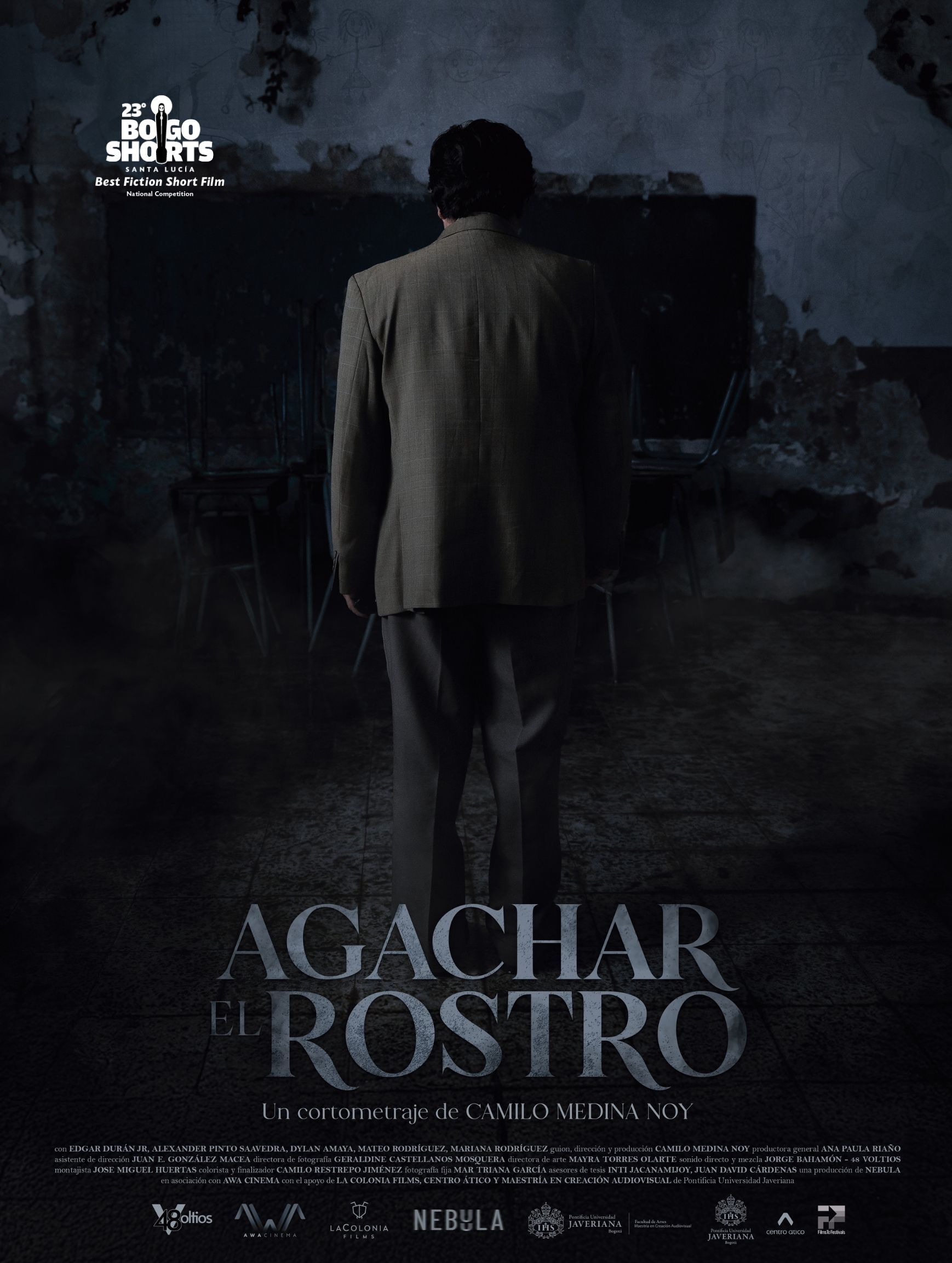
Lowering the Gaze
- Technical Info / Información Técnica:
2025 / 00:12:36 / Runta Arriba, Tunja, Colombia
Fiction Short Film: Drama, Rural Education, Vocation, Students, Rural Daily Life, Identity & Territory, Landscape, Social Issues, Teaching
4K / Color / 1.85:1 / 5.1 / Sony FX3 / 24 FPS
Graduation Thesis: Pontificia Universidad Javeriana (PUJ)
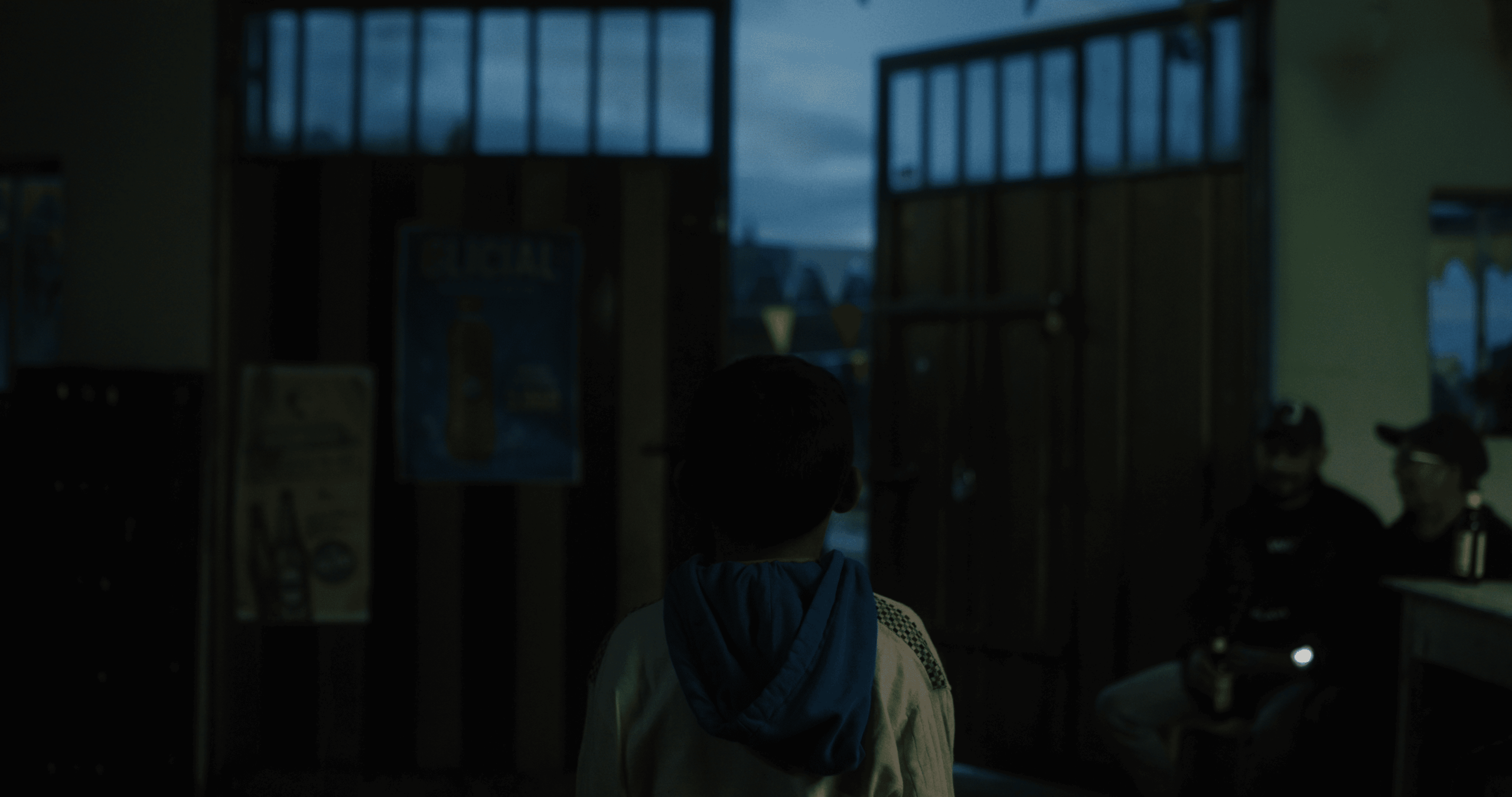
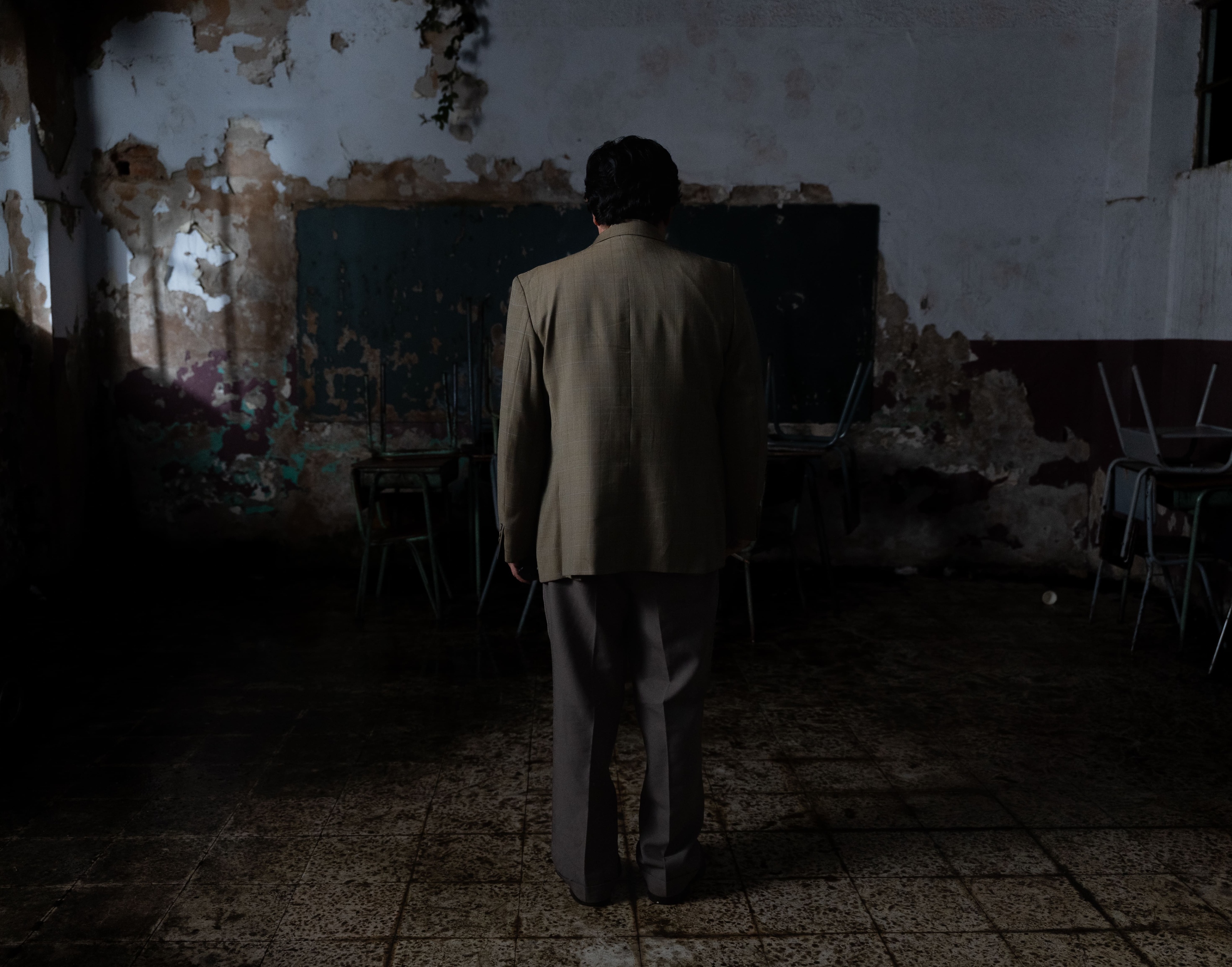
- Logline:
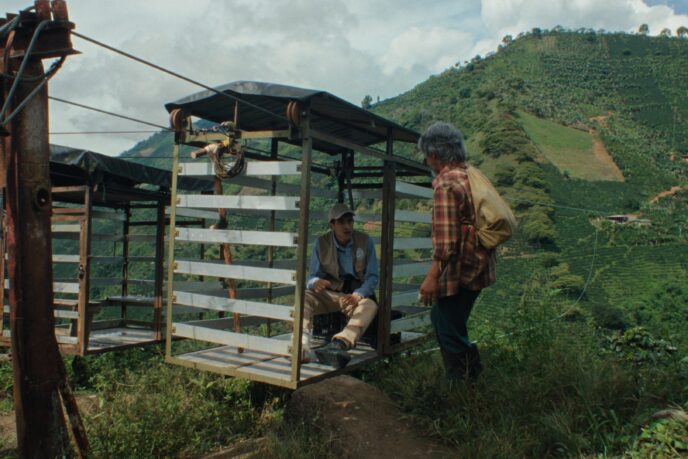
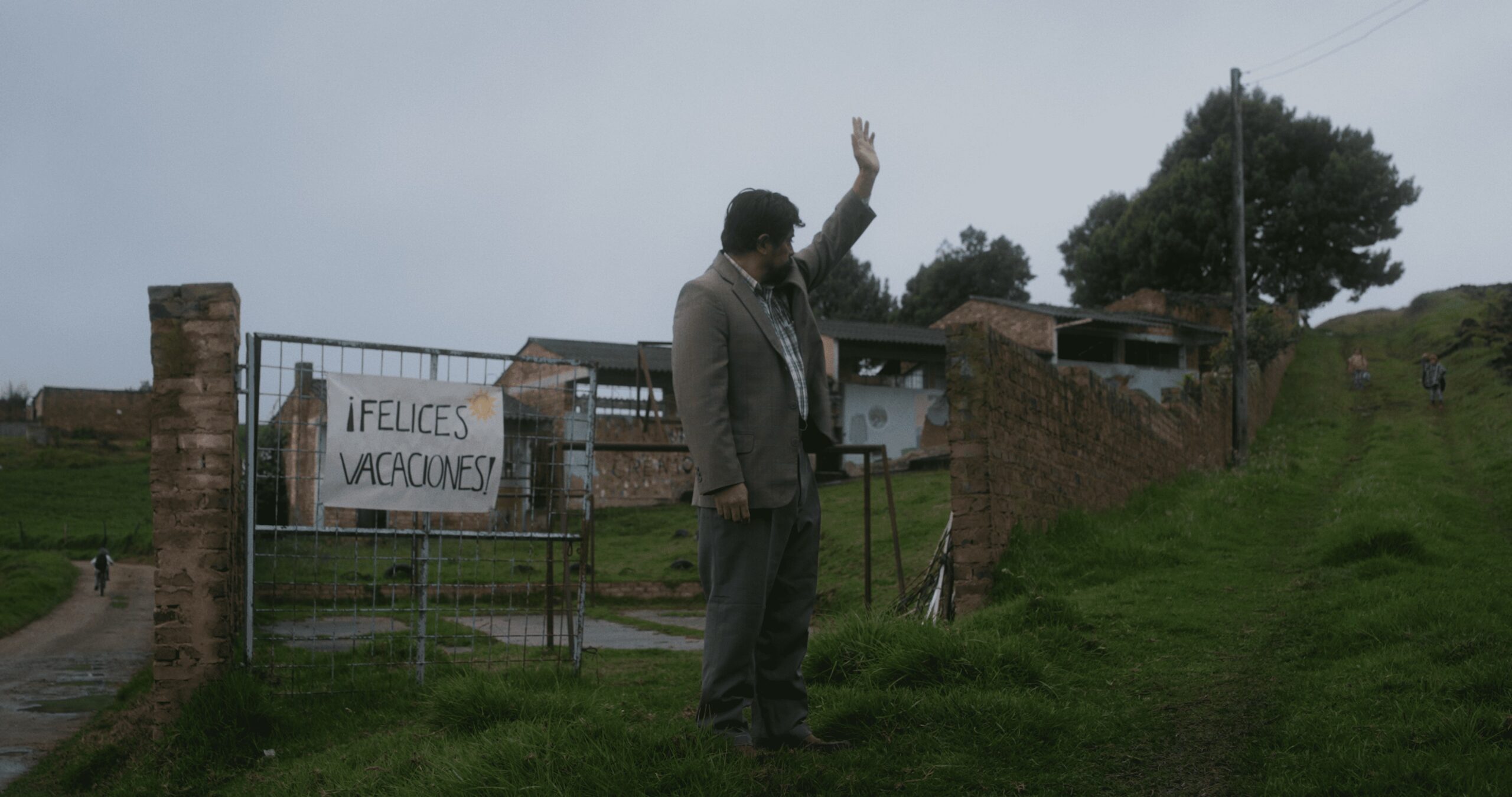
In the absence of students, a teacher fears not only the loss of his job, but also what he has come to regard as his home: a rural school already in ruins.
Ante la falta de estudiantes, un profesor no solo teme perder su empleo, sino también lo que concibe como su hogar: una escuela rural que ya es ruina.
- Short Synopsis / Sinopsis Corta:
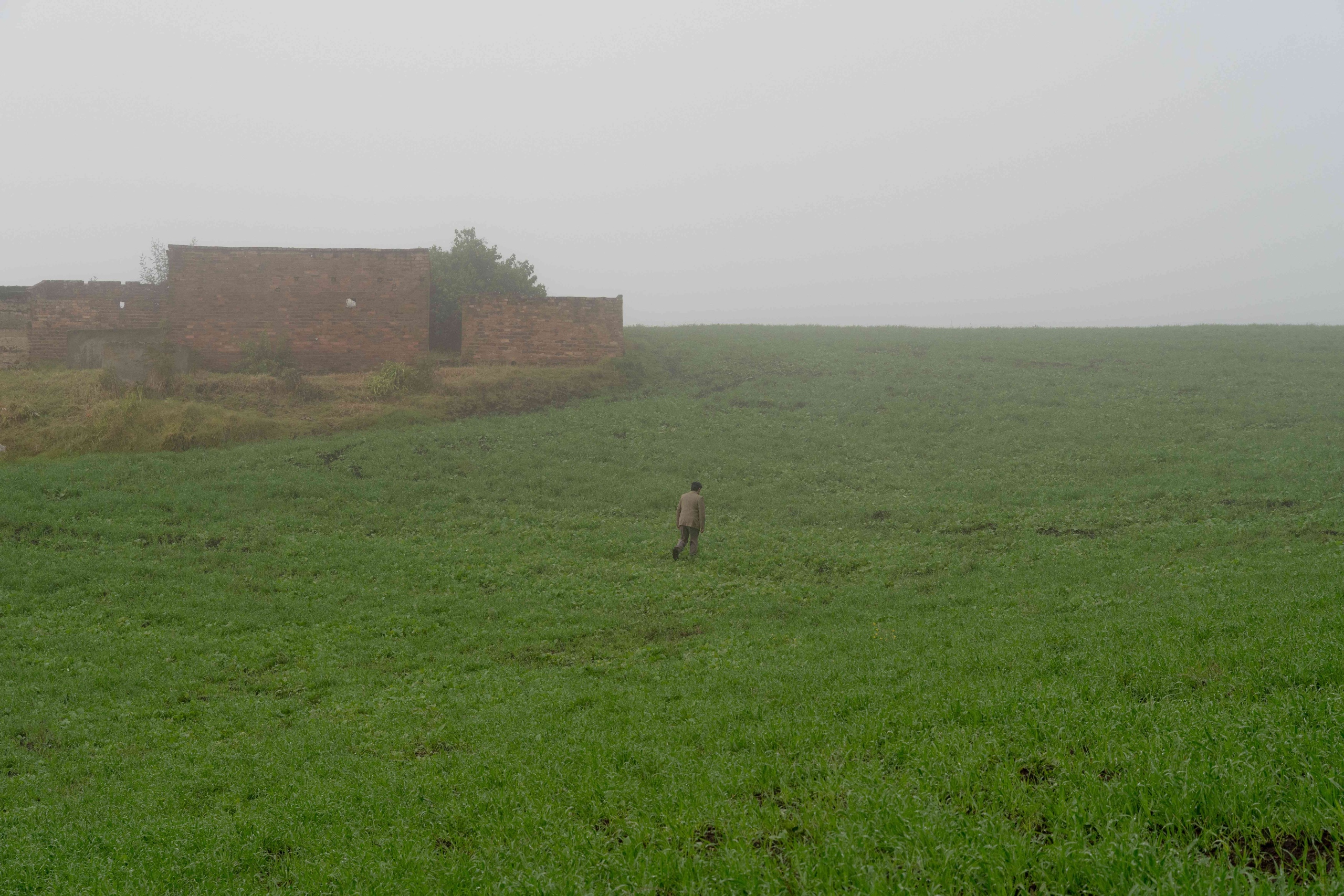
Between the mist and the cracked walls, a teacher moves through his final day at a rural school, soon to be shut down for lack of students. In quiet solitude, he parts ways with a place that has been his craft and his shelter for years.
Entre la niebla y las paredes resquebrajadas, un profesor atraviesa su último día de clases en una escuela rural obligada a cerrar por falta de estudiantes. En silencio se despide de aquello que durante años fue su oficio y su hogar.
- Synopsis / Sinopsis:
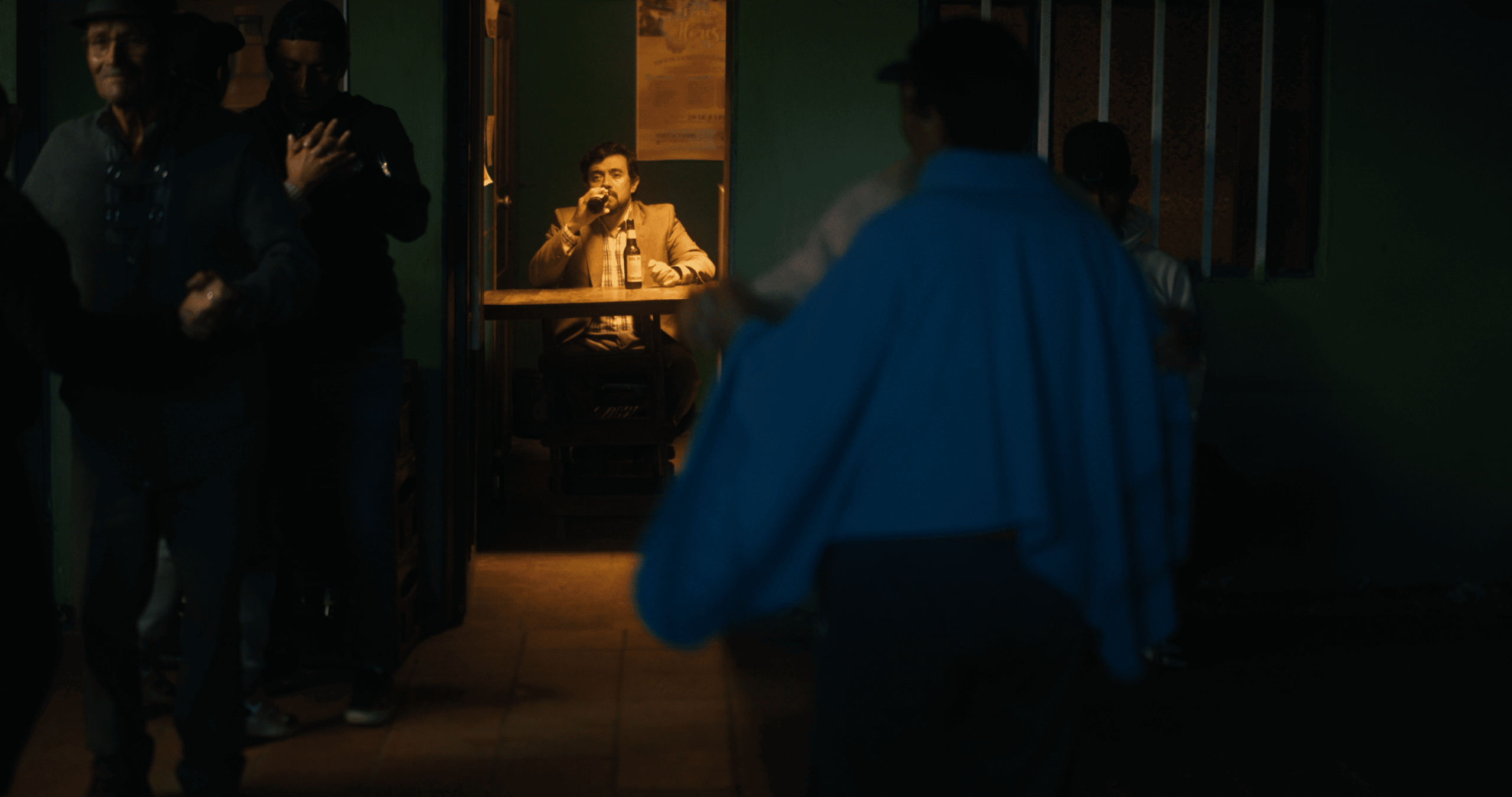
Between the mist and the cracked walls, a teacher moves through his final day of classes at a rural school forced to close due to a lack of students. From early on, the day unfolds through quiet wanderings and restrained gestures. As the community gathers at the local store and the bustle grows with games and dancing, the teacher remains on the periphery. Detached from the celebration, he watches life carry on. At the end of the day, he returns to the school and takes leave of what for years had been both his vocation and his home.
Entre la niebla y las paredes resquebrajadas, un profesor atraviesa su último día de clases en una escuela rural obligada a cerrar por falta de estudiantes. Desde temprano, la jornada transcurre entre recorridos y gestos contenidos. Mientras la comunidad se reúne en la tienda y el bullicio avanza entre juegos y baile, el profesor permanece al margen. Ajeno a la celebración, observa cómo la vida continúa. Al final del día, regresa a la escuela y se despide de aquello que durante años fue su oficio y su hogar.
- Director’s Biography / Biografía del Director:
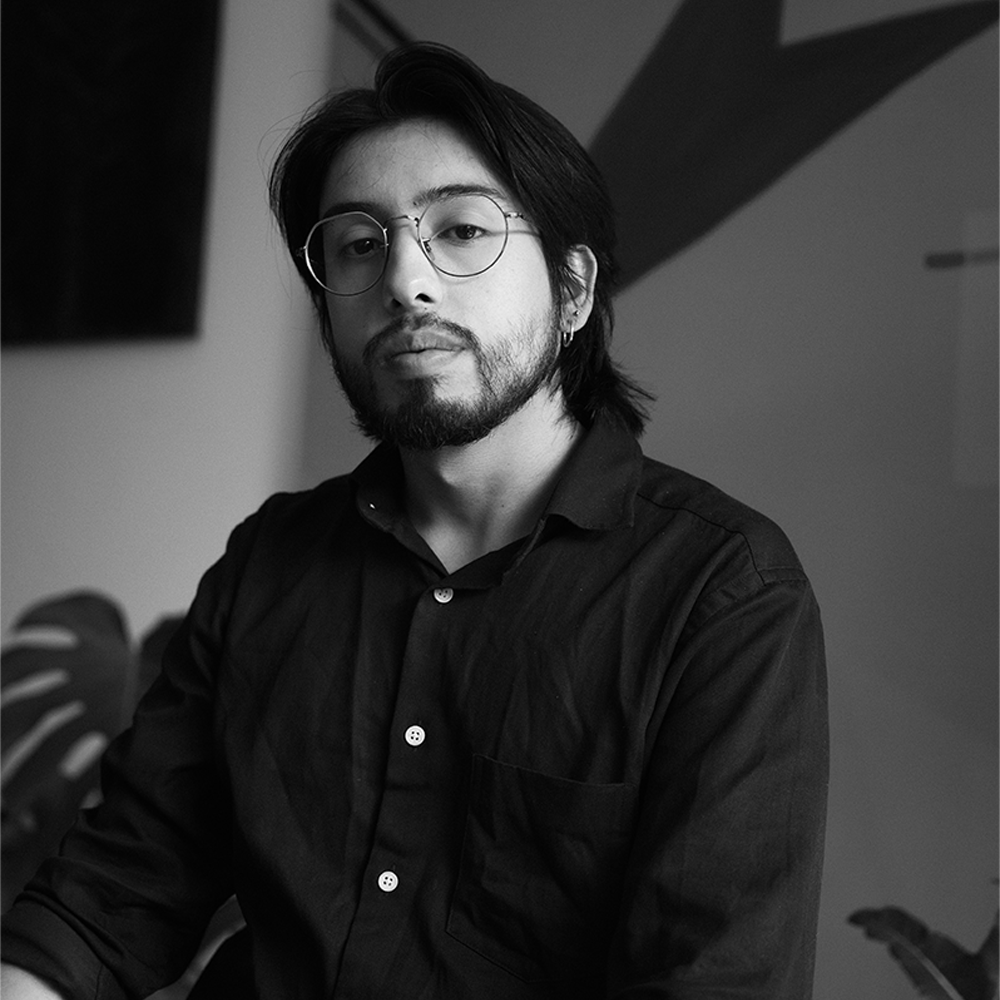
CAMILO MEDINA NOY
Camilo Medina Noy (1998, Tunja, Colombia) is a producer and director. He holds a Master’s degree in Audiovisual Creation with honors from Pontificia Universidad Javeriana. His short film EL OLVIDO DE LA NIEBLA (2022) was selected at multiple national and international festivals. His recent short film, AGACHAR EL ROSTRO, won Best Fiction Short Film at the 23rd edition of BOGOSHORTS, an Academy Award® Qualifying Festival.
Camilo Medina Noy (1998, Tunja, Colombia) es productor y director. Es Magíster en Creación Audiovisual con mención de honor por la Pontificia Universidad Javeriana. Su cortometraje EL OLVIDO DE LA NIEBLA (2022) fue seleccionado en múltiples festivales nacionales e internacionales. Su reciente cortometraje, AGACHAR EL ROSTRO, obtuvo el premio a Mejor Cortometraje de Ficción en la 23ª edición de BOGOSHORTS, festival calificador a los Premios Óscar®.
– El olvido de la niebla (2022) 12 min, ficción
- Director’s Statement / Declaraciones del Director:
LOWERING THE GAZE emerges from the lingering sense of loss after my father’s death. What began as a personal urgency gradually transformed into a formal search—an exploration in which body, ruin, and landscape merge to speak of a territory slowly being exhausted, where communication takes place through gesture and silence rather than words. Ruin, as a metaphor, runs through the short film in the transformation of the teacher, whose body and spirit become intertwined with the cracked walls of the school he inhabits. The school is home; it is also an institution. More than a decaying structure, this space becomes an extension of his own being: his body and identity crumble in sync with the place itself. Both stand as symbols of suspended time. The teacher and the children become transient bodies that nonetheless remain, dwell, and inhabit their own oblivion. This relationship is mediated by a landscape that neither promises nor celebrates abundance. In this sense, the film does not “represent” a territory—it incorporates it, moving toward a more human gaze. I sought a counterpoint to the teacher’s solitude, his isolation and inner world, by proposing a scene in which the community gathers in celebration, inside a local store that extends beyond its physical limits to encompass an emotional space—one that allows bodies to release themselves through sharing, dance, music, and tejo. The teacher, who remains on the margins of this festive world, is caught within his silence, while the clamor of the store continues, indifferent to his presence. The atmosphere becomes another character in the story. The mist—dense and omnipresent—blurs the contours of the landscape, turning the rural setting into a liminal space where time seems suspended and sounds expand. This landscape embodies absence, uncertainty, and nothingness: it allows no vision beyond, no clear definition. It embraces a territory where promises go unfulfilled and grow fewer with time. Silence is not merely the absence of words; it is the weight of what cannot be spoken. Within this void, time stretches; materiality merges with the landscape and becomes memory. There, within the mist, the man no longer holds certainties—he simply remains. What endures is neither the man nor the place, but the trace: a faint mark that persists in the emptiness, as if the act of inhabiting were enough to grant meaning to absence.
LOWERING THE GAZE, too, is a matter of time.
Esta obra nace al sentir latente la pérdida de mi padre. Lo que comenzó como una urgencia personal se transformó en una búsqueda formal. Una exploración en la que el cuerpo, la ruina y el paisaje se funden para hablar de un territorio que se va agotando, en donde las palabras se comunican desde el gesto y el silencio. La ruina, como metáfora, atraviesa el cortometraje en la transformación del profesor, cuyo cuerpo y espíritu se mimetizan junto a las paredes agrietadas de la escuela que habita. La escuela es hogar, es institución. Este espacio, más que una construcción en decadencia, se convierte en una extensión de su propio ser; su cuerpo e identidad se desmoronan en sincronía con el espacio. Ambos, como símbolo de un tiempo detenido. El profesor y los niños se convierten en cuerpos transitorios, que, a su vez, permanecen, moran y habitan su propio olvido. Esta relación se encuentra mediada por un paisaje que no promete y no celebra la abundancia. En ese sentido, la película no “representa” un territorio, lo incorpora, aproximándose a una mirada más humana. Busqué encontrar un contrapunto a la soledad, al aislamiento del profesor y a su mundo interior, proponiendo una escena en la que la reunión de esta comunidad fuese de regocijo, en una tienda que no solo se limitara al espacio físico sino abarcara el espacio emocional, y permitiese liberar la expresión de los cuerpos a través del compartir, el baile, la música y el tejo. El profesor, que permanece en los márgenes de este mundo festivo, se ve atrapado en su silencio, mientras el bullicio de la tienda sigue su curso ajeno a él. La atmósfera es un personaje más en esta historia. La niebla, densa y omnipresente, difumina los contornos del paisaje y convierte lo rural en un espacio liminal, donde el tiempo parece suspenderse y los sonidos se expanden. Este paisaje representa la ausencia, la incertidumbre y la nada, que no permite ver más allá, que no deja definir. Abrazando un territorio en donde las promesas no se cumplen y donde cada vez son menos. El silencio no es solo ausencia de palabras, es el peso de aquello que no se puede decir. En ese vacío, el tiempo se dilata, la materialidad se funde con el paisaje y se convierte en memoria. Allí, entre la niebla, el hombre ya no tiene certezas, simplemente permanece. Lo que queda no es el hombre ni el lugar, sino la huella, un rastro tenue que persiste en el vacío, como si el acto de habitar fuese suficiente para llenar de sentido la ausencia. AGACHAR EL ROSTRO, también, es una cuestión de tiempo.
- Overview / Ficha técnica:
Scriplay / Guión: Camilo Medina Noy
Producer / Producción: Ana Paula Riaño, Camilo Medina Noy
Executive Producer / Productor Ejecutivo: Camilo Medina Noy
Director / Director: Camilo Medina Noy
DoP / Dirección de Fotografía: Geraldine Castellanos Mosquera
Art Director/ Dirección de Arte: Mayra Torres Olarte
Wardrobe & Make-up / Maquillaje y Vestuario: Ana García
Sound / Sonido Directo: Jorge Bahamón
Film Editor / Montaje: José Miguel Huertas
Sound design / Diseño de sonido: Jorge Bahamón
Original Music / Música Original: Mediterráneo Parrandero
Cast / Elenco: Edgar Durán Jr.: Profesor, Alexander Pinto Saavedra: Coordinador, Dylan Amaya: Dylan, Mateo Rodríguez: Mateo, Mariana Rodríguez: Mariana
Distribution / Distribución: FilmsToFestivals
- Festivals and Awards / Festivales, Premios y Nominaciones:
– 23° Bogoshort, Bogota Int’l Short Film Festival (Best Short Film); 12/2024; Colombia
– 43° BUSAN Int’l Short Film Festival; 04/2026; South Korea
- Links:
Trailer: https://vimeo.com/1166547529
Social Networks:
https://www.instagram.com/nebula_cine/
https://www.instagram.com/awa_cinema/
http://instagram.com/films.to.festivals