Etiqueta: 2013

  • HUMANO, Sudamérica Renace

    HUMANO, Sudamérica Renace


    (2013)

    HUMAN, South America a New Awakening


    Duration / Duración: 01:25:00


    Tagline:

    A camera, 200 questions, a trip.


    Una cámara, 200 preguntas, un viaje.


    Logline:

    A young man travels to the Andes mountains to understand the origin of man and the reason for its existence.


    Un joven viaja a las montañas andinas para comprender el origen del hombre y la razón de su existencia.


    Short Synopsis / Sinopsis Corta:

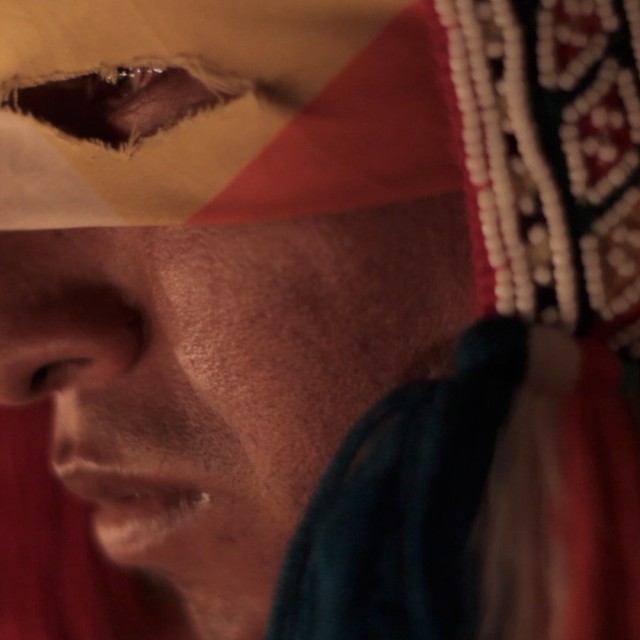
    Alan is a young twenty-five-year-old man who decides to embark on a journey to the Andes to discover the reasons for his own existence, and the truth behind the origins of mankind. Together with Plácido, an Andean paqo, or «priest», he sets out on one of the most introspective journeys ever made.


    Alan es un joven de veinticinco años que decide emprender un viaje a Los Andes para hallar las razones de su existencia, y la verdad sobre el origen del hombre. Junto a Plácido, un paqo (“sacerdote”) andino, emprenderá uno de los viajes más introspectivos alguna vez registrados.


    Synopsis / Sinopsis:

    Alan is twenty-five years old and is looking for the reason of his existence, the meaning of life. A camera and a notebook filled with questions are the only items he needs to set off on a journey to the Andes range and into the deepest corners of the subconscious. Through the eyes of Placido, an Andean paqo (“priest”), the existence of an invisible world which coexists daily with the visible world will be unveiled to him. Alan wishes to discover the origins of humanity on earth, and for this it is necessary for him to first learn to be Human. Rituals, initiations and new challenges will unfurl before him as “keys” to breaking and broadening his consciousness. Together with Placido he will be taken on an introspective journey such as has never been documented before.


    Alan tiene veinticinco años y no encuentra las razones de su existencia, el por qué de la vida. Una cámara y un cuaderno con muchas preguntas, son lo único que necesita para emprender un viaje a las montañas andinas. Hacia lo más profundo del inconsciente.

    A través de la mirada de Plácido, un paqo (“sacerdote”) andino, se le revelará la existencia de un mundo invisible que convive a diario con el visible. Alan desea descubrir el origen del ser Humano en la Tierra, pero para ello antes es necesario que aprenda a ser Humano. Rituales, iniciaciones y nuevas estructuras le serán dadas como “llaves”, para que pueda romper y ampliar su consciencia. Junto a Plácido, emprenderá uno de los viajes más introspectivos que alguna vez se hayan registrado.


    Director´s Biography / Biografía de la Directora:

    ALAN STIVELMAN

    I was born in the eighties, in the year of the Tiger, in the bustling city of Buenos Aires. I was told I had dozens of lives on Earth, and I hope this is my last incarnation. If it is, it means that I have done a good job. I am not interested in knowing my becoming, but I want to be sure of my present. I believe that art and transforming mine and other mortals consciences, are my thing. I want to live of filmmaking, generating quality contents, and always betting on innovation in new forms of communication.

    I am interested in using technology in movies, which is why I stop to think which technology tools would help the production and distribution of each project I start. Filmmaking as conceived by the founders of the seventh art is on the verge of a transformation. I don’t really know what it will become, but I like to think that I am contributing a bit in the filmmaking of the future: a more democratic, plural and expansive way, based on technology and good ideas.

    HUMANO is my first feature film. I hope it would open a path of many more movies. I also have another feature film written, which tells the story of a sixthy-five years old rikudim dancer, who wishes to get pregnant and raise her first child. In my plans, there are two other documentaries that would continue with HUMANO’s topic, since they surround archaeological mysteries from ancient and Andean civilizations


    Nací en los ochentas, en el año del Tigre, en la bulliciosa ciudad de Buenos Aires. Me dijeron que tuve decenas de vidas en la Tierra y espero que esta sea mi última encarnación, sí lo es, quiere decir que hice un buen trabajo. No me interesa saber cuál será mi devenir pero quiero estar seguro de mi presente, siento que lo mío está ligado al arte, a la transformación de mi consciencia y a la del resto de los mortales. Quiero vivir del cine, generando contenidos de calidad y siempre apostando a la innovación en nuevas formas de comunicación.

    Me interesa aplicar el uso de la tecnología en el cine, por eso en cada proyecto en el que me embarco me detengo a pensar que herramientas tecnológicas pueden ayudar a la producción y distribución de la película. El cine como lo concibieron los padres del séptimo arte está en vísperas de una transformación, no sé muy bien hacia donde irá a parar pero me interesa pensar que estoy aportando un granito de arena al cine del futuro: más democrático, plural y expansivo a base de buenas ideas y tecnología.

    HUMANO es mi ópera prima. Espero que a partir de esta película se abra un camino de muchas más películas. Tengo escrito un largometraje de ficción acerca de una bailarina de rikudim de sesenta y cinco años que desea quedar embarazada y criar su primer hijo. Además dos largometrajes documentales que continúan la temática de HUMANO porque tratan de misterios arqueológicos de Los Andes y civilizaciones antiguas.


    Director Statement / Motivación del Director:

    “This journey was impelled by your ancestors” was the response I got when I asked why the Andes were the place for me to work through my questions. HUMANO is the search for truths. It is the way of human beings. The interior journey to find oneself. In HUMANO I learned what it is to be human, and today I want to share that with as many people as possible. There are realities that can be very uncomfortable, Placido often repeated to me. Was I ready to be uncomfortable? I experienced that discomfort many times. No one wants to hear things that cause big changes in their mental landscapes. That is shamanism, that is the Andes, a way of restructuring one’s own identity. HUMANO was created with much respect for the Earth, for ancestors, and for humans. At least today I can see it that way, and I want to share that spirit with others. Everything that I lived and experienced was profoundly necessary for my subconscious.

    There were at least two instances in which I thought I was going to die during the journey. Luckily that didn’t happen, or you wouldn’t be reading this text. Those experiences were not recorded- I had to decide between the camera and myself. I couldn’t try to be human and cinematographer at the same time.

    In the film I attempted to portray with as much fidelity as possible everything that was transmitted to me by the Andes and its people. The peace that emanated from each site, the transparency in the looks people gave, the way that colors stand out at altitude. Everything is sharper when you’re there, nothing goes unnoticed, everything is visible. That was a little bit of the sensation that I had during my whole stay- that of not having anything to hide, and being anxious to share. There were many times when it was just me among shamans who only spoke quechua. The expression “like a fish out of water” seems to me most inappropriate in this case. Although I can’t give a reason, I felt “like a fish in water”.

    The Andes were silenced strategically- let’s reflect together for a moment: why does Egyptology exist, but still no “Andeanology”?  What do they not want us to study and know?

    It will be very easy to judge HUMANO, and that’s why I invite you to judge it, but to take upon yourselves the work of following the path of your own identity. We have to get uncomfortable, it’s the best thing that can happen to us in this life.

    Today, I dare to say that after five hundred years of darkness, we find South America reborn. I hope, from my heart, that you enjoy this journey which now belongs to all of us.


    “Este viaje fue impulsado por tus ancestros” fue la respuesta que obtuve cuando pregunté por qué los Los Andes era el lugar para descifrar mis preguntas. HUMANO es la búsqueda de las verdades. Es el camino del ser humano. El viaje interior para encontrarse a uno mismo. En HUMANO aprendí lo que es ser humano, y hoy quiero compartirlo con la mayor cantidad de personas posibles.

    “Hay verdades que suelen ser muy incómodas”, me repetía Plácido a menudo. ¿Estaba preparado para incomodarme? Muchas veces experimenté esa sensación. Nadie quiere oír cosas que generan fuertes cambios en su estructura mental. Eso es el chamanismo, eso es Los Andes, una forma de re-estructurar la propia identidad de uno. HUMANO se hizo con mucho respeto por la Tierra, por los ancestros y por los humanos. Hoy lo puedo ver así. El viaje y todo lo que experimenté, fue inconsciente.

    Hubo por lo menos dos oportunidades durante el viaje, en las que pensé que me iba a morir. Por suerte no sucedió, porque si no, no estarían leyendo este texto. Sin embargo, esas experiencias no pudieron ser registradas, ya que en ellas tuve que decidir si era la cámara o yo. Simplemente no podía intentar ser humano y al mismo tiempo cineasta.

    En la película intenté retratar lo más fielmente posible lo que me transmitía Los Andes y toda su gente. La paz que emana cada sitio, la transparencia en la mirada de las personas, cómo resaltan los colores en las alturas. Todo se agudiza estando ahí, nada pasa desapercibido, todo se ve. Fue un poco esa la sensación que tuve durante toda mi estadía, la de no tener nada que esconder y las ansias por compartir. No faltaron oportunidades en las que yo estaba solo entre chamanes que hablaban solamente el quechua. La expresión “sapo de otro pozo” me parece la más inapropiada en este caso. Sin poder encontrar una razón, me sentía “sapo del mismo pozo”.

    Los Andes fue silenciado estratégicamente. Reflexionemos un instante entre todos, ¿por qué existe una Egiptología y aún no hay una “Andinologia”? ¿Qué no quieren que se estudie y se sepa?

    Va a ser muy fácil juzgar a HUMANO, por eso invito a que la juzguen pero igual tómense el trabajo de trazar el recorrido de su propia identidad. Hay que incomodarse, es lo mejor que nos puede pasar en esta vida.

    Hoy me atrevo a decir que Sudamérica renace luego de quinientos años de oscuridad. Deseo de corazón que disfruten de este viaje, que ya nos pertenece a todos.


    Overview / Ficha técnica:

    Producer / Productor General: Alan Stivelman

    Executive Production / Producción Ejecutiva: Ingrid Pokropek, Alejandro de Benedetti, Alan Stivelman

    Associate Producer / Productor Asociado: Eloy Krioka, Studio NAM, Ernesto Santamaría, Aníbal Garisto

    Creative Producer / Productor Creativo: Luis Díaz

    Production Assistant / Asistente de Producción: Daniela Goldes

    Director / Director: Alan Stivelman

    Script / Guión: Alan Stivelman

    Cinematography and Camera / Dirección de Fotografía y Cámara: Alan Stivelman

    Art and Animation Director / Director de Arte y Animación: Emmanuel Figueroa

    Art Assintant / Asistente de Arte: Matías Balangero

    Animation / Animación: Juan Manuel Barberis

    Editing / Edición: Martín Peyrelongue

    Sound Director / Director de Sonido: Pablo Picco

    Post-Production Sound / Post-producción de Sonido: Studio NAM

    Original Music / Música Original: Pilo García, Pablo Picco, Leo Besares

    Illustrator / Ilustraciones: Emmanuel Figueroa

    Design and creativity / Diseño y creatividad: Eloy Krioka

    Translations coordinator / Traducciones: Lucía Zizzari

    Community manager: Jor Forn

    PR Agency: Simkin & Franco

    Cast / Actores: Alan Stivelman, Plácido


    Festivals, Awards and Nominations / Festivales, Premios y Nominaciones:

    – Warsaw Film Festival; Polonia; 10/2013.

    – Festival Internacional de Cine de Mar del Plata; 11/2013; Argentina.

    – Echo Mountain Film Festival; 10/2014; República de Macedonia.


    Links:

    Web: www.humanofilm.com

    Trailer (+18 languages): http://bit.ly/12GrjUv

    Trailer #1 HUMANO (español) [HD]: http://youtu.be/a72LuNIxJrc

    Trailer #2 HUMANO (español) [HD]: http://youtu.be/MxyiAzEBjk4

    YouTube: www.youtube.com/user/HumanoFilm

    IMDB: www.imdb.com/title/tt2175828

    Facebook: www.facebook.com/humanofilm.com

    Twitter: @humanofilm


  • La Donna

    La Donna

     (2013)

    – Duration / Duración: 00:13:58


    – Logline:

    One night. A couple. One guest. A table immersed in alcohol, singing, play. Seduction. Decline. Emptiness.


    Una noche. Una pareja. Un invitado. Una mesa inmersa en el alcohol, el canto, el juego. Seducción. Decadencia. Vacío.


    – Short Synopsis / Sinopsis Corta:

    A woman. Am I blonde? Her man. Sono Uomo? One guest. A table immersed in alcohol, jazz. The game. Am I a sex symbol? The seduction. The decay. The void. Am I an actress? La Donna.


    Una mujer ¿Soy rubia? Su hombre ¿Sono uomo? Un invitado. Una mesa inmersa en el alcohol, el jazz. El juego. ¿Soy un símbolo sexual? La seducción. La decadencia. El vacío ¿Soy una actriz? La Donna.


    – Synopsis/ Sinopsis:

    The night. One night. Perhaps any night anywhere. It rains. A woman. No. A man. A man and a woman. No. A man, a woman and someone else. The table. A table. A table immersed in alcohol, singing, playing music. The music. No, jazz. JAZZ! The seduction, the crossing. Acting, pretend. Laught. The kisses. No. Decline. One night, a woman a man and someone else, on a table. No. The Void.


    La noche. Una noche. Quizás cualquier noche en cualquier lugar. Llueve. Una mujer. No. Un hombre. Un hombre y una mujer. No. Un hombre, una mujer y alguien más. La mesa. Una mesa. Una mesa inmersa en el alcohol, el canto, el juego, música. La música. No, jazz. JAZZ! La seducción, el cruce. Actuar, pretender. La risa. Los besos. No. La decadencia. Una noche, una mujer un hombre y alguien más, en una mesa. No. El Vacío.


    – Director´s Biography / Biografía de la Directora:

    NICOLÁS DOLENSKY

    Nicolas Dolensky born in Salta, currently majoring in Cinematography at «Universidad del cine» in Buenos Aires, Argentina. Nicolas showed early signs of passion in directing films and started filming with his own personal camera while being a high school student. He eventually filmed his first self-made movie at the age of fourteen called «Que lindo sería volar». At age sixteen he continued that intrinsic passion combined with social awareness and produced «Dignidad Secuestrada», a controversial film about human trafficking. Although he did not have budgets for either films, he managed to obtain resources with huge efforts in order to produce both films which were shown on important Theatres in Salta and the money raised was donated to a small acting school in Salta.
    «Universidad del Cine» and Salta’s City Government supported Nicolas with a small budget in the development of his short film «La Donna». Nicolas is currently writing the sketch for his first professionally produced full length film.


    Nicolas Dolensky nació en Salta y en la actualidad está especializándose en Dirección de Cine en la «Universidad del Cine». Cuando era estudiante de secundaria comenzó a mostrar los primeros signos de su pasión por el cine filmando películas con su cámara personal. Su primera película independiente la realizó a los 14 años «Que lindo seria volar». A los 16 años, continuó esa pasión intrínseca combinada con la conciencia social y produjo «Dignidad Secuestrada», una controvertida película sobre la trata de personas. A pesar de que no contaba con presupuesto para ninguna de sus películas, se las arregló para obtener recursos con enormes esfuerzos y logró proyectarlas en teatros importantes de Salta, de allí el dinero recaudado fue donado a una pequeña escuela de actuación en Salta.
    La «Universidad del Cine» y el Gobierno de la Ciudad de Salta apoyaron a Nicolas con un pequeño presupuesto en el desarrollo de su reciente cortometraje «La Donna». Nicolas está escribiendo el boceto para su primer largometraje producido profesionalmente.


    – Overview / Ficha técnica:

    Producer / Producción General: Alexan Sarikamichian

    Production Manager / Jefe de Producción: Luciana Civelli

    Production Assistant / Asistente de Producción: Juliana Grigera, Josefina Regueira

    Director / Director: Nicolás Dolensky

    Script / Guión: Nicolás Dolensky

    Director Assistant / Asistente de dirección: Belén Quintana

    Cinematography and Camera / Dirección de Fotografía y Cámara: Fernando Lockett

    First and Second Camera Assistant / 1er y 2do Asistente de Cámara: Victoria Pereda

    Continuity: Florencia Incarbone

    Gaffer: Diego Gesualdi

    Grip: Ivan de Lara

    Electrician / Eléctrico: Daniel Santoyo

    Boom operator / Operador de Boom: Micaela Picco

    Art Director / Director de Arte: Mariano Rubín de Celis

    Art assistant: Emilia Martínez Domina

    Wardrobe / Vestuario: Victoria Marotta

    Make up / Maquillaje: Paula Melfi

    Hairstyle / Peinado: Lucas Perrone

    Editing / Edición: Paula Bailardo

    Sound Director / Director de Sonido: Lucas Galambos

    Post-Production Color / Post-producción de Color: Luisa Cavanagh

    Original Music / Música Original: Agustin Eckhardt

    Italian Coach: Lorenzo Barone

    Scratch Operator: Gabriela Cevallos Coka

    Pro-Tools Operator: Virginia Tognola

    – Cast / Actores: Érica Rivas, Claudio Tolcachir, Nicolas Mateo


    – Festivals, Awards and Nominations / Festivales, Premios y Nominaciones:

    – Festival Internacional de Cine de Mar del Plata; 11/2013; Argentina.

    – LatinUy, Festival Internacional de Cine Latino; 11/2013; Uruguay.

    – ALCINE, Festival Internacional de Cine; 11/2013; España.

    – Ícaro, Festival Internacional de Cine en Centro América; 11/2013; Guatemala.

    – Festival de Cine Cortala Tucumán; 11/2013; Argentina.

    – Festival Internacional de Cine Corto Tapiales – “Best Production” “Special Mention: Production Design”; 12/2013; Argentina.

    – Ascona Film and Video Art Festival; 02/2014; Suiza.

    – Festicine Pehuajó – “Best Narrative Short”, “Best Performance”; 02/2014; Argentina.

    – FICIQQ, Festival Internacional de Cine de Iquique; 02/2014; Chile.

    – San Diego Latino Film Festival; 03/2014; US.

    – Periferia, Festival Internacional de Cortos – “Best Short Film”; 03/2014; Argentina.

    – UNCIPAR, Jornadas Argentinas e Internacionales de Cine y Video Independiente – “Special Mention”; 04/2014; Argentina.

    – Miami Gay & Lesbian Film Festival; 05/2014; US.

    – CIMM FEST, Chicago International Movies & Music Festival; 05/2014; US.

    – Inside Out LGBT Film Festival; 05/2014; Canadá.

    – Libercine, Festival Internacional de Diversidad Sexual y Género – “Special Mention”; 05/2014; Argentina.

    – KASHISH Mumbai International Queer Film Festival; 05/2014; India.

    – Rodinia Short Film Festival; 06/2014; España.

    – Strawberry Shorts Film Festival; 06/2014; UK.

    – TAFFNY, The Americas Film Festival of New York; 06/2014; US.

    – Los Angeles International Student Film Festival; 06/2014; US.

    – SouthSide Film Festival; 06/2014; US.

    – Festival Internacional de Cine del mar; 07/2014; Uruguay.

    – Festival Internazionale del Cinema Povero; 07/2014; Italia.

    – Psarokokalo, Athens International Short Film Festival; 07/2014; Atenas.

    – Corto Tano – “Mejor Cortometraje”; 07/2014; Argentina.

    – Festival de Cine Mirada en Cortos; 08/2014; Argentina.

    – Festival de Cine de Lima; 08/2014; Perú.

    – Leonardo Favio, Festival de Cine Nacional – “Mejor Cortometraje”; Argentina; 08/2014.


    – UNICA, Union Internationale du Cinema; 08/2014; Slovakia.

    – Otros Cines, Muestra Nacional de Cine Independiente; 08/2014; Argentina.

    – Long Beach Indie International Film Festival; 08/2014; US.

    – Tandil Cortos, Festival Nacional de Cortometrajes – “Best Performance”; 08/2014; Argentina.

    – FIC, Festival Internacional del Cortometraje de Bella Vista; 09/2014; Argentina.

    – White Sands International Film Festival; 09/2014; US.

    – Festival Internacional de Cine de Caracas; 09/2014; Venezuela.

    – FLVR, Festival Latinoamericano de Video y Artes Audiovisuales; Argentina; 09/2014.

    – Festival Biarritz Amérique Latine; 09/2014; Francia.

    – North Louisiana Gay & Lesbian Film Festival; 09/2014; US.

    – FESAALP, Festival de Cine Latinoamericano – “Special Mention”; 09/2014; Argentina.

    – Harlem International Film Festival; 09/2014; US.

    – Mirada Oeste, Festival de Cine de Godoy Cruz; 09/2014; Argentina.

    – Muestra de Cine Centro e Iberoamericano; 10/2014; Nicaragua.

    – Festival Cinematográfico “Visión Ribereña”; 10/204; Argentina.

    – Festival Internacional de Cortos Cuenca del Salado – “Mejor Actriz”; 10/2014; Argentina.

    – CineRockom International Film Festival; 10/2014; US.

    – Corto Rodado, Festival Nacional de Cortometrajes; 10/2014; Argentina.

    – LesGaiCineMad, Festival Internacional de Cine Lésbico Gai y Transexual de Madrid; 10/2014; España.

    – Festival Internacional de Cine de las Tres Fronteras; 10/2014; Argentina.

    – FIB ABC – “Best Female Performance”; 10/2014; España.

    – Live International Online Short Film Festival – “Short of the Month Award – Best Female Performance”; 11/2014; India.

    – Espacio Queer, Festival de Cine sobre Diversidad Sexual y Género; 10/2014; Argentina.

    – Orlando Urban Film Festival; 11/2014; US.

    – MAFICI, Festival Internacional de Cine de Puerto Madryn – “Mención Especial”; 11/2014; Argentina.

    – Hamilton Film Festival; 11/2014; Canadá.

    – Braunschweig Internationales Film Fest; 11/2014; Alemania.

    – Argentine Film Festival; 11/2014; UK.

    – Festival Internacional Martil; 11/2014; Marruecos.

    – Bahamas International Film Festival; 12/2014; Bahamas.

    – La Noche del Cortometraje – “3rd place”; 12/2014; Argentina.

    – Beloit International Film Festival; 02/2015; US.

    – Richmond International Film Festivals; 02/2015; US.

    – Mostra de Cinema Llatinoamerica de Catalunya; 04/2015; España.

    – Brussels Short Film Festivals; 04/2015; Bélgica.

    – MEDIA – ART LVIV FESTIVAL; 05/2015; Ucrania.

    – Festival Cinerama BC – “Best Short Film”; 06/2015; Brasil.

    – REC, Festival de Cine de Universidades Públicas – “Best Fiction Short, Latinoamerican Competition”; 06/2015; Argentina.

    – Festival de Cine del Mar; 07/2015; Uruguay.

    – Festival Imago Courts Métrages Ibéro-américains; 09/2015; Francia.

    – Primeiro Plano, Festival de Cinema de Juiz de Fora e Mercocidades; 10/2015; Brasil.


    – Links:

    IMDB: http://www.imdb.com/title/tt2990818/

    Trailer: https://vimeo.com/77607300

    Facebook: https://www.facebook.com/cortoladonna

    Notas / Notes:


  • Ojos Abiertos

    Ojos Abiertos

    Open Eyes

    (2013)


    – Duration / Duración: 00:15:00


    – Short Synopsis / Sinopsis Corta:

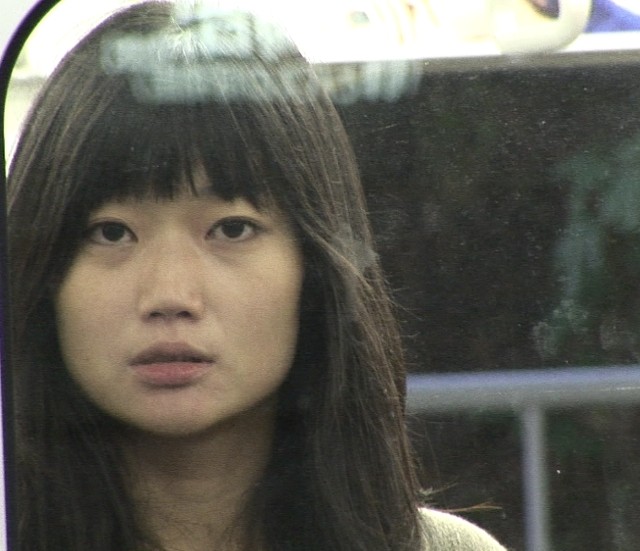
    In the city with the highest suicide rate and where people don’t look to each other’s eyes, a gaze between two strangers could change the course of the day.


    En Tokio una de las ciudades con más altos índices de suicidios y donde la gente no se mira a los ojos, una mirada entre dos extraños quizás cambie la dirección del día por completo.


    Synopsis/ Sinopsis:

    In the city of Tokyo, Ryo and Nakamura go to their jobs at the suburban railway company. Their tasks are related to fix the problems produced by the suicides on the railways. Ryo handles the removal of human remains. Nakamura charge the fine to the family of the deceased, because of the service interruption. Saki, a young girl, wanders around her city contemplating the ways of an apathetic society. Her walk drives her to the platform of a railway station where Ryo alarmed finds her. Their meeting of eyes will make them start the day in a different way.


    En la ciudad de Tokio, Ryo y Nakamura se dirigen a sus trabajos en la compañía férrea suburbana. Sus funciones están relacionadas con cubrir los inconvenientes producidos por los suicidios en las vías. Ryo se encarga de remover los restos humanos. Nakamura cobra a la familia del muerto las multas correspondientes a la interrupción del servicio. Saki, una joven, deambula por su ciudad contemplando el funcionamiento de una sociedad ensimismada. Su andar la lleva a caminar por el andén de una estación donde Ryo la encontrará alarmado. Una mirada entre ellos les hará empezar el día de otro modo.


    – Director´s Biography / Biografía de la Directora:

    MARTÍN ALETTA

    Martín Aletta was born in Buenos Aires, Argentina in 1978. He is an actor, director and writer.
    He studied cinema specializing in editing at the National School of Cinema from Argentina (ENERC). He made many visual productions integrated with music, like video clips, vj productions and musical animations for children. He is the lead actor of the movies “Dumbo 4” (Rocío Fernandez, 2007) and “Novak” (Andrés Andreani, 2009) where he also worked in the making of the script. He made with his brother Federico, «Fukahire Films» a production company specialized in documentaries based in Buenos Aires. They are producing together the documentaries «Ishinomaki Rock n’ Roll City» (about the victims of the 2011 Japanese earthquake and tsunami), and the doc series «Education and Culture in Jails». Open Eyes is his first short film and it was shot during his stay in Tokyo. He is working now on his next production, a film called: “Proyecto Cuartos”.


    Martín Aletta nació en Buenos Aires, Argentina en 1978. Es actor, director y escritor. Estudio cine especializándose en la orientación de montaje en la Escuela Nacional de Cine de Argentina (ENERC). Realizó numerosas producciones visuales integradas con música como video clips, presentaciones de VJ, y animaciones para chicos. Es el actor principal de las películas “Dumbo 4” (Rocío Fernández, 2007) y “Novak” (Andrés Andreani, 2009) donde también trabajó en la escritura del guión. Con su hermano Federico, fundó “Fukahire Films” una productora con base en Buenos Aires. Realizaron juntos los documentales “Ishinomaki Rock n’ Roll City” (sobre las víctimas del tsunami en un pequeño pueblo japonés) y la serie “Educación y Cultura en las cárceles”. OJOS ABIERTOS es su primer cortometraje y fue realizado durante su estadía en Tokio. Actualmente está trabajando en una película experimental llamada “Proyecto Cuartos”.


    Filmography / Filmogragía:

    – As film director:

    «Open Eyes» (2013)

    – As director of children’s video clip animations:

    «Pasen y Vean: Canciones del Circo» (2007 – Music: Silvia Schujer)

    «La Orquesta – Pasen y Vean: Canciones del Circo» (2007 – Music: Silvia Schujer)

    «Baguala de Juan Poquito» (2005 – Music: Maria Elena Walsh)

    – As director of adult’s video clip animations:

    «Romana 75» (2005 – Music: Hypnotic)

    – As Producer and writer:

    «Ishinomaki Rock n’ Roll City» (in production) Dir: Federico Aletta

    «Culture and Education in Prisons» (in production) Dir: Federico Aletta

    «Metromucho» (2010) Dir: Federico Aletta

    «Novak» (2009) Dir: Andres Andreani

    – As Actor:

    Novak» (2009) Dir: Andres Andreani

    Dumbo4″ (2007) Dir: Rocio Fernandez


    – Director Statement:

    I’ve always been interested in the use of the voice-over as a way to immerse oneself into the inner world of the characters. As a way to get to that own universe of the actions of the people when they are in solitude. Investigating the inner voices of three very different characters, I allowed myself to tell this little story. The suicides on the trains were a particular subject that really caught me when I visited Tokyo some years ago. Researching in articles and interviews I could learn about the problematic of the several suicides and how that affects the running of their vast transport system. I liked the idea of assembling a story with those elements. And I also liked it as a way of breaking through within the fissure that get opened when two strange persons can connect with their look inside the sea of indifference and isolation that covers the city. So in Tokyo, as in every other place.


    Siempre estuve interesado en el uso de la voz en off como una forma de sumergirse en el mundo interior de los personajes. Como una forma de llegar a ese universo propio que son las acciones de los personajes cuando están en soledad. Investigando las voces interiores de tres personajes muy diferentes, me permití contar esta historia particular de una cultura (que he visitado hace un tiempo atrás) para hacer mi primer cortometraje. Indagando en artículos periodísticos y entrevistas pude enterarme de la problemática de los numerosos suicidios y como eso afecta el funcionamiento de su vasta red de transporte. Me gustó la idea de armar una historia con esos elementos. Como así también el adentrarse a través de esa grieta que se abre cuando dos personas extrañas pueden conectar con su mirada, dentro del mar de indiferencia y ensimismamiento que cubre la ciudad (siendo Tokio como cualquier otro lugar), donde mirarse a los ojos suele ser cada vez más extraño.


    – Overview / Ficha técnica:

    Produced by / Producido por: Martín Aletta, Federico Aletta

    Director / Director: Martín Aletta

    Script / Guión: Martín Aletta

    Cinematography / Dirección de fotografía: Zuca

    Sound / Sonido: Pablo Chimenti

    Music / Música: Akainu

    Editing / Edición: Zuca

    Translation / Traducción: Hitoshi Nakamura, Germán Conti Arnés.

    – Cast / Actores: Junshin Soga, Chizuru Lee, Shozen Kajima


    Festivals, Awards and Nominations / Festivales, Premios y Nominaciones:

    – Ciudades Reveladas, Muestra Internacional de Cine y Ciudad; 09/2013; Argentina.

    – ArqFilmFest, Arquitectura Film festival; 10/2013; Chile.

    – Festival de Cine Cuenca del Salado – “Mejor Corto Ficción”; 10/2013; Argentina.

    – Festival Nacional “Pizza, Birra y Cortos” – “Mejor Cortometraje Ficción”, “Mejor Guión”; 10/2013; Argentina.

    – Curta Cinema, Festival Internacional de Curtas do Río de Janeiro; 10/2013; Brasil.

    – Festival Internacional de Cine de Cali; 10/2013; Colombia.

    – Festival CinéRail, International Festival Train & Metro on Film; 11/2013; France.

    – LatinUy, Festival Internacional de Cine Latino; 11/2013; Uruguay.

    – Ícaro, Festival Internacional de Cine en Centro América; 11/2013; Guatemala.

    – Cambodia International Films Festival; 12/2013; Camboya.

    – FICIL Bio Bio, Festival Internacional de Cine de Lebu; 02/2014; Chile.

    – FICIQQ, Festival Internacional de Cine de Iquique; 02/2014; Chile.

    – Cinema Perpetuum Mobile International Short Film Festival; 04/201; Bielorrusia.

    – UNCIPAR, Jornadas Argentinas e Internacionales de Cine y Video Independiente – “Special Mention”; 04/2014; Argentina.

    – ImagineIndia Film Festival; 05/20144; España.

    – Strawberry Shorts Film Festival; 06/2014; UK.

    – MARFICI, Festival Internacional de Cine Independiente de Mar del Plata; 08/2014; Argentina.


    – Links:

    Web: http://www.hiraita-me.tk/ – http://martinvideo.blogspot.com.ar/

    Trailer spanish subtitles: http://www.youtube.com/watch?v=v7ilS-gvQcs

    Trailer english subtitles: http://www.youtube.com/watch?v=R3zNbwDuwBg

    Facebook: https://www.facebook.com/hiraita.me


  • Ramón Ayala

    Ramón Ayala

    RAMÓN AYALA (2013)


    Duration / Duración: 01:06:00


    – Short Synopsis / Sinopsis Corta:

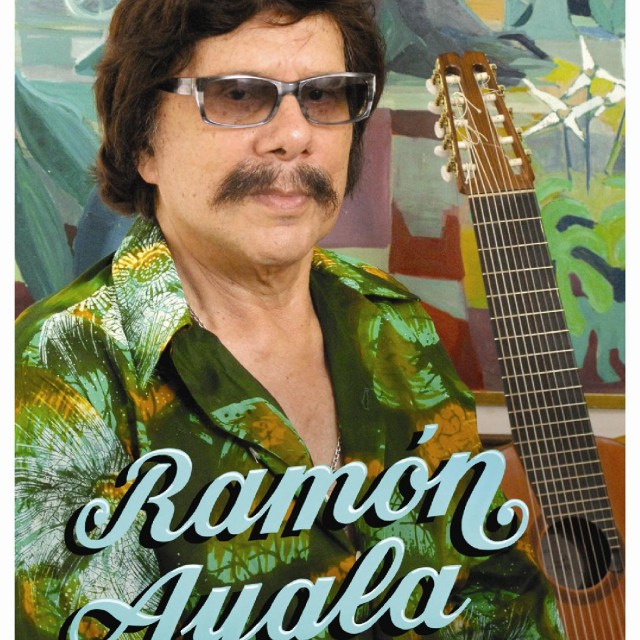
    This documentary is a tribute and rediscovery of the work of Ramon Ayala, one of the great poets and authors of the Guarani Alto Parana. The visual approach of director Marcos Lopez, artist and photographer, with his quirky description of Latin American pop culture, is in an ever present dialog with Ayala’s work and attempts a visual reflection on Argentinian cultural identity.


    El documental es un homenaje y redescubrimiento de Ramón Ayala, uno de los grandes poetas y compositores del Alto Paraná, de la selva guaraní. La particular visión de la cultura popular latinoamericana de Marcos López, artista plástico y fotógrafo, está presente en un diálogo permanente con la obra de Ramón Ayala, redefiniendo una reflexión estética sobre la identidad cultural argentina.


    – Synopsis / Sinopsis:

    This documentary is a tribute and rediscovery of the life and creative process of RAMON AYALA, one of the great poets and authors of the Guarani Alto Parana. Although his work has achieved great fame in Argentinian folklore music, his identity is virtually unknown in the national cultural scene. The visual approach of director Marcos Lopez, artist and photographer, with his quirky description of American pop culture, is an ever present dialog with Ayala’s work.


    Es un homenaje y redescubrimiento de la obra y proceso creativo de RAMON AYALA, uno de los grandes autores del folclore argentino, aunque su figura es prácticamente desconocida en el panorama cultural nacional. En la película se entrecruzan un vendedor de cds piratas con un publicitario exitoso, los que por igual, desde su cotidianeidad urbana, encuentran en la música de Ramón un traslado emocional y un escape hacia el universo mágico de sus composiciones.


    Long Synopsis / Sinopsis Larga:

    The documentary is a tribute and a rediscovery of the life, work and the creative process of Ramon Ayala, one of the great poets and authors from Alto Paraná, jungle Guarani, who despite having composed great themes of Argentinean folklore, is virtually unknown in the national cultural scene.

    His songs speak of the harvesters of yerba mate, the jangaderos, the mensúes: key characters in the history of Misiones. His poetry seems to display that province’s earth color.
    In the film, a handmade cd’s salesman and a successful marketer cross their paths and both of them, from their everyday urban routine, find in Ramon’s music an emotional revival and a scape to the magical world of those compositions.
    Also, testimonies of great musicians of national folklore, as Juan Falu, Liliana Herrero and Tata Cedron appear along the film.

    Throughout the documentary is present, in an ongoing dialogue with the work of Ramon, the visual trace of filmmaker Marcos Lopez, an artist and photographer, with his particular vision of the American popular culture.
    It shows a “local color”, in an attempt to get a visual reflection on Argentina’s cultural identity


    El documental es un homenaje y un redescubrimiento de la vida, la obra y el proceso creativo de RAMON AYALA, uno de los grandes poetas y autores del Alto Paraná, de la selva guaraní, que compuso grandes temas del folklore argentino, pero su figura y su imagen es prácticamente desconocida en el panorama cultural nacional.

    Sus canciones hablan de los cosecheros de yerba mate, de los jangaderos, los mensúes, personajes claves de la historia de Misiones. Su poesía tiene el color de la tierra misionera.

    En la película se entrecruzan un vendedor de cds hechos a mano con un publicitario exitoso, los que por igual, desde su cotidianeidad urbana, encuentran en la música de Ramón un traslado emocional y un escape hacia el universo mágico de sus composiciones.

    Se recogen testimonios de grandes músicos del folklore nacional, como Juan Falú, Liliana Herrero y Tata Cedrón.

    A lo largo del documental está presente, en un diálogo permanente con la obra de Ramón,  la impronta visual del director Marcos López, artista plástico y fotógrafo, con su particular visión de la cultura popular latinoamericana.

    Se muestra un COLOR LOCAL, que intenta una reflexión visual sobre la identidad cultural argentina.


    Director´s Biography / Biografía del Director:

    MARCOS LÓPEZ 

    Born in Santa Fe, Argentina, in 1958. Photographer and artist. He was part of the first group of foreign scholars of the school International Film and TV of San Antonio de los Baños, Cuba, in 1986. He has several published books POPLATINO, publisher La Marca Editora, Buenos Aires 2001 and a recent retrospective book editions MARCOS LOPEZ Lariviere Buenos Aires 2011. His work is part of the collection of Latin American art DAROS, switzerland, Malba Museum, Reina Sofia in Madrid, MUSAC, Spain, among others. He has taught courses in Latin America and Europe. RAMON AYALA is his first feature.


    Marcos López nació en Santa Fe en 1958. Comenzó a tomar fotografías en 1978.

    En el 82 obtuvo una beca de perfeccionamiento del Fondo Nacional de las Artes y se traslada a Buenos Aires, donde reside desde entonces.

    En 1984 participó en la creación del grupo Núcleo de Autores Fotográficos junto a 12 colegas (Perez Aznar, Pintor, Zout entre otros). Durante tres años generan un ámbito para la discusión, la crítica y la investigación de la fotografía como medio de expresión.

    En estos años  toma contacto con artistas plásticos de otras disciplinas (Liliana Maresca, Elba Bairon, Marcia Schvartz ) y participa en la concepción y realización de proyectos colectivos como «La Kermesse», «Lavarte», «La Conquista», etc.

    También trabajó en fotografía periodística y colaboró con medios independientes de Buenos Aires como Expreso Imaginario, El Porteño, etc.
    En 1987 integró la 1º promoción de becarios extranjeros de la Escuela Internacional de Cine y TV de Cuba y y realiza documentales en video. Su documental sobre el tango en Cuba (Gardel Eterno, video U-matic 13 minutos / 1988) es considerado como su inicio en la estética del Pop Latino.
    Sus últimas fotografías, incluidas en la serie Surrealismo Criollo, se caracterizan por ser puestas en escena, donde juega el rol de director teatral, tomando influencias del cine, de la pintura y de la fotografía documental clásica.

    Durante su carrera ha recibido numerosos premios y distinciones y su obra se ha exhibido en distintos museos y galerías de arte de todo el mundo, las más destacadas de los últimos años son Exceso en la Galería Ruth Benzacar (2010), Tinta Roja en el marco de los Encuentros de Fotografía de Arles, Francia (2010), Tristes trópicos, Galería Pradilla de Madrid y El Museo de Bogotá (2009) y Vuelo de cabotaje, muestra retrospectiva que desde 2009 continúa su itinerancia por Argentina, Color local en la Galería Fernando Pradilla (2012).

    De su obra  publicada se destacan Retratos (1993) reeditado en 2006 de Editorial La Azotea, Pop Latino (2000) y Pop Latino Plus (2007) de La Marca Editora, Sub-Realismo Criollo (2003) editado por la Universidad de Salamanca, El Jugador (2007) que integra la colección de Fotógrafos Argentinos y Marcos López (2010) de Ediciones Lariviere.

    Sus fotografías forman parte de las colecciones del Museo Nacional de Arte Reina Sofía y el Museo de Arte Contemporáneo de Castilla y León en España, la Fundación Daros-Latinamérica en Suiza entre otras colecciones públicas y privadas.


    Director statement:

    I say Ayala is a sort of Walt Whitman of Guarani jungle, mixed with a Paraguayan dandy. When I phone to schedule a filming session with him, he use to answer: «what outfit should I wear: the civilian one with the guitar or the green and fluorescent pink shirt that you gave me, my dear friend». Ramon is always in a good mood «He’s always creating, even during sleep. Sometimes I wake up at four in the morning and see him sleeping and snapping fingers rhythmically»  says Maria Teresa, his wife.

    I think I spent four years looking for Ramon Ayala, but in fact I was actually looking for the mirror of myself, trying to understand how the elves of the forest come out to light, how to connect myself with the mystery of the upper Paraná, because we need some illusion to live…

    Ramon is a great poet, composer, he invented a rhythm called Gualambao which synthesizes the sound of the jungle Guarani. The sound is green, red, like the ground of Misiones province .
    Moreover, there is something important which makes me even happier. Due to my profession of photographer, my friends were afraid that the final product would be just a photo after another, with music on top.  Roberto Fernandez, an artist friend from the 80s, confessed that  to me, weeping with emotion, when we finished the first screen test to check if the film worked.
    If the film thrills my five major partners and people who did not know Ramon Ayala, I’m already happy. Everything else is a bonus track.


    Yo digo que Ramón es una especie de Walt Whitman de la selva guaraní, mezclado con un dandy paraguayo, que cuando lo llamo por teléfono para filmarlo, me contesta: «… con qué vestuario, con el traje de paisano y la guitarra o con la camisa verde y rosa fluo que usted me regaló, querido amigo…»
    Ramón está siempre de buen humor. “…siempre está creando, hasta dormido,  a veces me despierto las 4 de la mañana y está marcando un ritmo con los dedos. Dormido… «dice su esposa María Teresa.
    Creo que estuve 4 años buscando a Ramón Ayala pero en realidad estuve buscando el espejo de mí mismo. Tratando de entender cómo salen a la luz los duendes de la selva, cómo se puede conectar con el misterio del alto Paraná, porque necesitamos una ilusión para vivir…

    Ramón es un gran poeta, compositor, inventó un ritmo que se llama Gualambao que sintetiza el sonido de la selva guaraní. El sonido es verde, rojo, como la tierra de la provincia de Misiones.
    Si la película emociona a mis 5 interlocutores importantes, a gente que no conocía a Ramón Ayala, yo ya estoy feliz. Lo demás es un bonus track.


    Overview / Ficha Técnica

    Screenplay / Guión: Marcos López

    Director / Dirección: Marcos López

    Produced by / Producido por: Lena Esquenazi

    Cinematographer / Dirección de Fotografía: Marcos López

    Cameraman / Camarógrafo: Marcos López, Rodrigo Fierro, Diego Frangi

    Art Director / Dirección de Arte: Marcos López, Nadia Kossowski, Yanina Moroni

    Edditing / Montaje: Andrea Kleinman

    Sound / Sonido: Lucía Iglesias, Nicolás Inza, Santiago Rozadas

    Sound Design / Diseño de Sonido: Lena Esquenazi

    – Cast / Elenco: Ramón Ayala, Juan Falú, Tata Cedrón, Charo Bogarín, Liliana Herrero, Claudio Torres, Víctor Kesselman, Carla Aciar, María Teresa Cuenca, Hugo Alcaraz


    Festivals, Awards and Nominations / Festivales, Premios y Nominaciones:

    – BAFICI, Buenos Aires Festival Internacional de Cine Independiente – “Audicence Award”; Argentina; 04/2013.

     – FAB, Festival Audiovisual de Bariloche; Argentina; 09/2013.

    – FESAALP, Festival de Artes Audiovisuales de La Plata – “Mejor Largometraje Documental”; Argentina; 09/2013.

    – Festival du Nouveau Cinéma; Canadá; 10/2013.

    – Festival Tucumán Cine “Gerardo Vallejo” – “Mejor Documental”; Argentina; 10/2013.

    – Festival Internacional del Nuevo Cine Latinoamericano de La Habana; Cuba; 12/2013.


    Links:

    Web: http://marcoslopez.com/

    IMDB: http://www.imdb.com/title/tt2805274/

    Trailer: https://vimeo.com/79712324https://vimeo.com/63885857http://www.youtube.com/watch?v=iJBkDqZEaYg

    Facebook: http://www.facebook.com/ramonayalalapelicula

    Notes:

    http://www.otroscines.com/festivales_detalle.php?idnota=7296&idsubseccion=132

    http://www.lanacion.com.ar/1572193-ramon-ayala


    – Contact / Contacto:

    Gisela Chicolino

    FilmsToFestivals

    Promoting Films for Festivals

    gisela@filmstofestivals.com

    +54 11 4826 7014

    +54 9 11 5181 1740


    Lena Esquenazi

    Leningrado Films

    esquenazilenin@gmail.com

    +54 9 11 6934 9629

  • Y si no es mañana

    Y si no es mañana


    If it’s not Tomorrow

    (2013)


    Duration / Duración: 00:13:40


    Logline:

    The morning, a lonely walk around, a breakfast for two and some unfinished projects.


    Una mañana, un recorrido solitario, un desayuno para dos y algunos proyectos inconclusos.


    Synopsis/ Sinopsis:

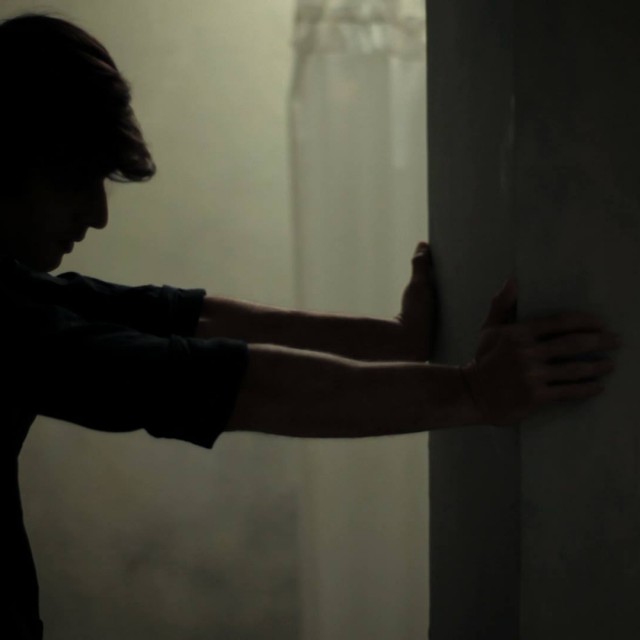
    He wakes up in the morning. He doesn’t feel well. He brushes his teeth after he vomits. He goes through the house looking at drawings, a model, and a photo with writings that make him smile. He pins it back on the board of old family images. He makes breakfast for two. He waits.


    Se despierta a la mañana. Se siente mal. Se cepilla los dientes después de vomitar. Recorre la casa revisando dibujos, una maqueta y una foto escrita que lo hace sonreír. La devuelve al corcho de viejas imágenes familiares. Prepara el desayuno para dos. Espera.


    Long Synopsis / Sinopsis Larga:

    Él se despierta a la mañana. Se siente mal. Se cepilla los dientes –que había sacado de su saco- después de vomitar. Deja su cepillo junto a otro en el baño. Recorre la casa revisando dibujos, una maqueta y una foto que lo hace sonreír de un bebe firmada años atrás con un mensaje de amor por “Pablo”. La devuelve al corcho de viejas imágenes familiares. Prepara el desayuno para dos. Espera. Ella aparece recién levantada. Mientras desayunan, la conversación no logra ser fluida aunque él lo intente. Empiezan a hablar de la maqueta, que es un proyecto arquitectónico de ella que no está pudiendo empezar a construir. Él quiere ayudarla y lo intenta explicándole cosas de los códigos de construcción en Buenos Aires. En medio de un casi monólogo sobre metros cuadrados y cocheras, la tensión crece hasta que, después de que él le ofrezca la ayuda de su tío “que sabe mucho de esto”, ella diga que ya le pidió ayuda al tío de él y que prefiere resolverlo sola. Él se queda sorprendido y ella termina por estallar: no pueden seguir como si nada, como si no hubieran tenido sexo anoche. Él sigue perdido en la situación y ella está enfurecida. En una situación incómoda, él se le adelanta a ella que va al baño y se mete. Guarda el cepillo de dientes que había dejado antes, tira la cadena para guardar apariencias y se queda un momento angustiado, pensativo. Abre la puerta y le cuenta a ella, que espera por entrar, que tenía que asegurarse de que había dejado todo limpio después de su vómito. Ella parece compadecerse y baja su tono, preguntándole si está bien. La pregunta parece guardar otra pregunta por debajo. Él responde que sí sin ser convicente. Se viste en la habitación. Hace su parte de la cama, borrando todos los rastros de su presencia en aquella casa. Solo le queda una cosa: llevarse la foto. Y eso hace y se va, en silencio, dejando el corcho de viejas fotos familiares con un espacio vacío.


    Director´s Biography / Biografía del Director:

    MARTÍN SCHULIAQUER

    He was born in Buenos Aires in 1987. Studied screenplay and direction at FUC (Universidad del Cine), and further formed in script for television. «Y si no es mañana» is his first short film.


    Nació en Buenos Aires en 1987. Estudió guion y dirección en la FUC (Universidad del Cine), y se formó además en guion para televisión. “Y si no es mañana” es su primer cortometraje.


    – Overview / Ficha técnica:

    Director / Director: Martín Schuliaquer

    Script / Guión: Martín Schuliaquer

    Cinematography & Camera / Dirección de fotografía y Cámara: Álvaro Domínguez

    Camera Assistant / Asistente de Cámara: Fidel González Armatta

    Gaffer: Alejandro Bonilla

    Art Director / Director de Arte: Andy Piffer

    Wardrobe / Vestuario: Andy Piffer

    Editing / Edición: Sebastián Schjaer

    Sound / Sonido directo: Mercedes Gaviria

    Post Production Sound / Post-producción de sonido: Lucía Mendoza, Lucas Larriera

    Music / Música: Fran Canela

    Produced by / Producido por: Maltés Productora

    Production Manager / Jefe de Producción: Melanie Schapiro

    Production Assistant / Asistente de Producción: Luciana Civelli

    Illustrations / Ilustraciones: Azul Masseilot Giuliano.

    Credits design / Diseño de Créditos: Lionel Braverman.

    Graphic Design / Diseño Gráfico: Gabriel Quary, Mariel Szlifman.

    Subtitles / Subtitulado: Nadia Méndez / Alessia Chiesa

    – Cast / Actores: Juan Barberini, Julia Martínez Rubio


    Festivals, Awards and Nominations / Festivales, Premios y Nominaciones:

    – BAFICI, Buenos Aires Festival Internacional de Cine Independiente; Argentina; 04/2013.

    – FIBABC; 2013.

    – Festival de Invierno de la Cinemateca Uruguaya; Uruguay; 2013.

    – Corto Circuito; New York, USA; 2013.


    – Links:

    Trailer: https://vimeo.com/62584937


  • Yo y Maru 2012

    Yo y Maru 2012


    ME AND MARU 2012


    – Duration / Duración: 00:11:47


    – Storyline:

    A young man receives a video where he appears with his ex girlfriend, and doubts about the steps to follow.


    Un joven recibe un video en donde aparece junto a su ex pareja, y duda sobre los pasos a seguir.


    Synopsis/ Sinopsis:

    “The ability to write letters must have brought the world a terrible disturbance of souls. Because it is a relationship with ghosts – and not only with the phantom of the recipient, but also with the own.

    Who can think is possible to maintain relationships through correspondence!”

    Letter from Franz Kafka to Milena Jesenska, 1920


    ¨La posibilidad de escribir cartas tiene que haber traído al mundo una terrible perturbación de las almas. Porque es una relación con fantasmas – y no solo con el fantasma del destinatario, sino también con el propio.

    ¡A quien se le ocurrió que la gente puede mantener relaciones por correspondencia!¨

    Carta de Franz Kafka a Milena Jesenska, 1920


    – Director´s Biography / Biografía de la Directora:

    JUAN RENAU

    Juan Renau was born in Buenos Aires in 1986.

    He graduated from the University of Buenos Aires with a degree in Desing, Image and Sound, studied Direction of photography at SICA and attended the Film Laboratory at the University Torcuato Di Tella in 2012.
    He was selected for the Talent Campus Buenos Aires 2013.
    Juan directed the film “Pelotaris” (2011) and the short film “Yo y MARU 2012”, winner of the second prize in the short films competition of BAFICI 2013.


    Juan Renau nació en Buenos Aires en 1986.

    Es egresado de la carrera de Diseño de Imagen y Sonido en la Universidad de Buenos Aires, y estudió Dirección de Fotografía en el SICA.

    Cursó el Laboratorio de Cine de la Universidad Torcuato Di Tella 2012.

    Fue seleccionado en el Talent Campus Buenos Aires 2013.

    Dirigió el mediometraje “Pelotaris” (2011) y el cortometraje “Yo y Maru 2012”, ganador del segundo premio en la competencia de cortometrajes del BAFICI 2013.


    – Director´s Filmography / Filmografía del Director:

    (2011) Pelotaris


    – Director Statement:

    I made this short to try to understand what makes us spend much of our lives tied to ghosts. People who are no longer with us, but still, we deceive ourselves with the idea that we can keep in touch.

    Relationships where one dialogue with himself, illusion with a dialogue that doesn’t longer exists.

    I understood that the best way to tell this story was to strip the protagonist of any individually identifiable attribute, leaving only present for the viewer to navigate through a network that is supposed to connect us, when in fact all it does is let us more alone each day.

    It is important to note that the story is based on real events. It happened to a friend.


    Hice este corto para tratar de entender que nos hace pasar gran parte de nuestra vida atados a fantasmas. Personas que ya no están con nosotros, pero aun así, nos engañamos con la idea de que podemos seguir en contacto.

    Relaciones en donde uno dialoga consigo mismo, ilusionándose con un dialogo que ya no existe.

    Entendí que la mejor manera para contar esta historia era despojar al protagonista de cualquier atributo que lo individualice, dejando solo presente para el espectador su manera de navegar por una red que se supone que nos conecta, cuando en verdad lo único que hace es dejarnos cada día más solos.

    Es importante aclarar que la historia está basada en hechos reales. Le paso a un amigo.


    – Overview / Ficha técnica:

    Director / Director: Juan Renau

    Script / Guión: Juan Renau

    Productor/Producer: Juan Renau, Manuel Abramovich

    Photography Director / Dirección de fotografía: Juan Renau

    Editing / Edición: Juan Renau, Nele Wohlatz, Carla Graziano

    Diseñador de Sonido/Sound Designer: Sofia Straface

    – Cast / Actores: María Rohde, Santiago Pozzi


    Festivals, Awards and Nominations / Festivales, Premios y Nominaciones:

    – BAFICI, Buenos Aires Festival Internacional de Cine Independiente, “2nd Best Short Film”; 04/2013; Argentina.

    – Mirada Oeste, Festival de Cine de Godoy Cruz – “Mejor Cortometraje Ficción”; 08/2013; Argentina.

    – KinoFest, International Digital Film Festival; 09/2013; Rumania.

    – FestiFreak, Festival de Cine de La Plata; 10/2013; Argentina.

    – Festival Iberoamericano de Cortometrajes ABC; 10/2013; España.

    – Festival Nacional “Pizza, Birra y Cortos”; 10/2013; Argentina.

    – LatinUy, Festival Internacional de Cine Latino; 11/2013; Uruguay.

    – ALCINE, Festival Internacional de Cine; 11/2013; España.

    – Ícaro, Festival Internacional de Cine en Centro América; 11/2013; Guatemala.


    – Links:

    Trailer: https://www.youtube.com/watch?v=cpXVRCR2kTg

    IMDB: http://www.imdb.com/title/tt2826014/