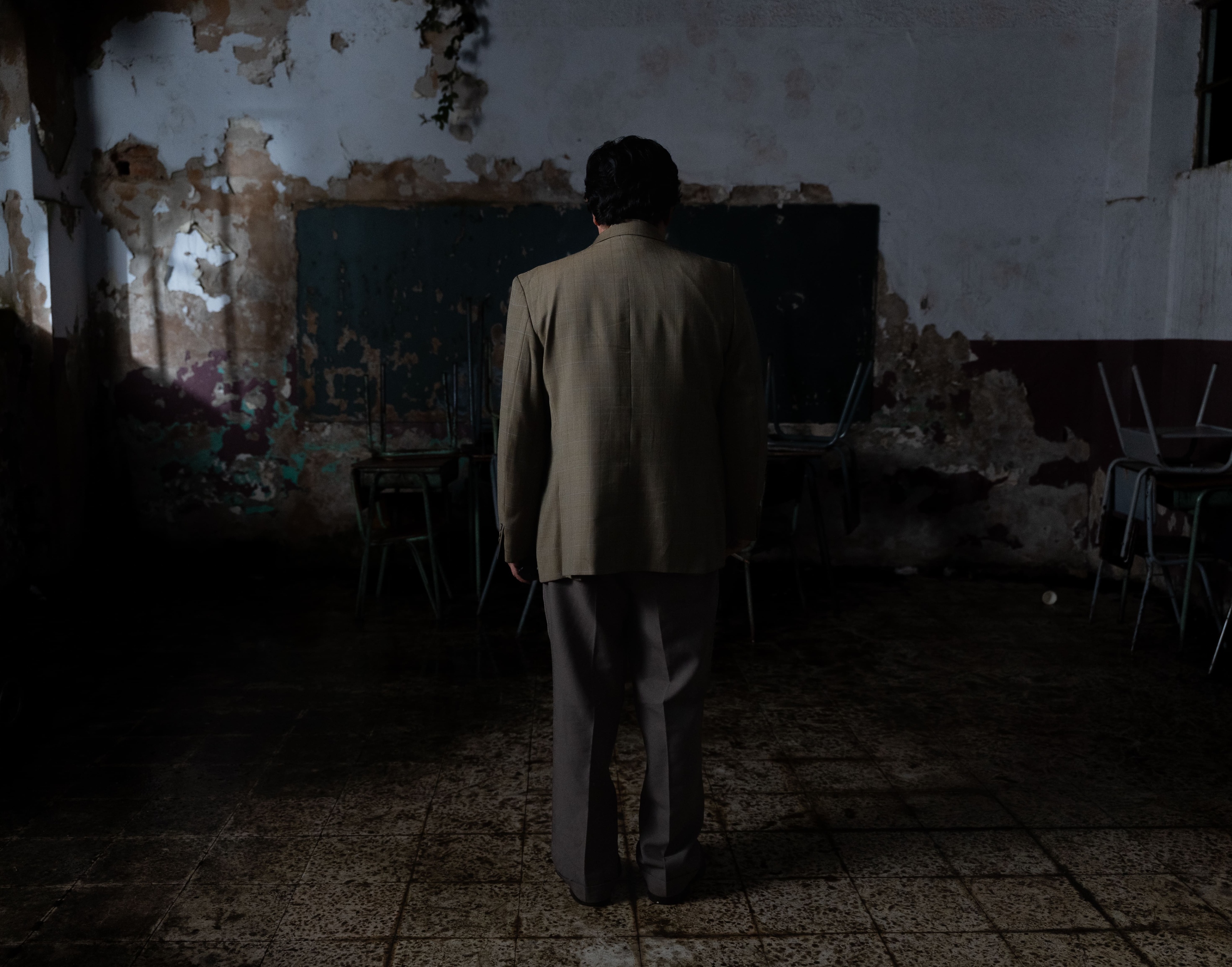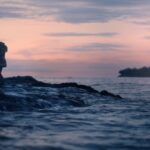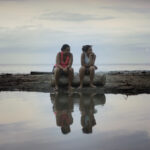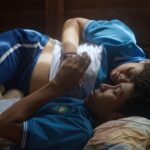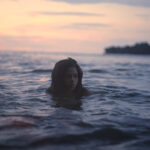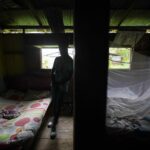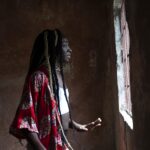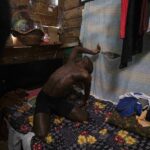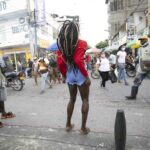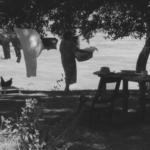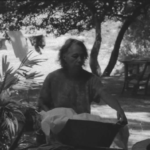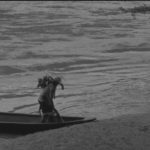
Etiqueta: Colombia

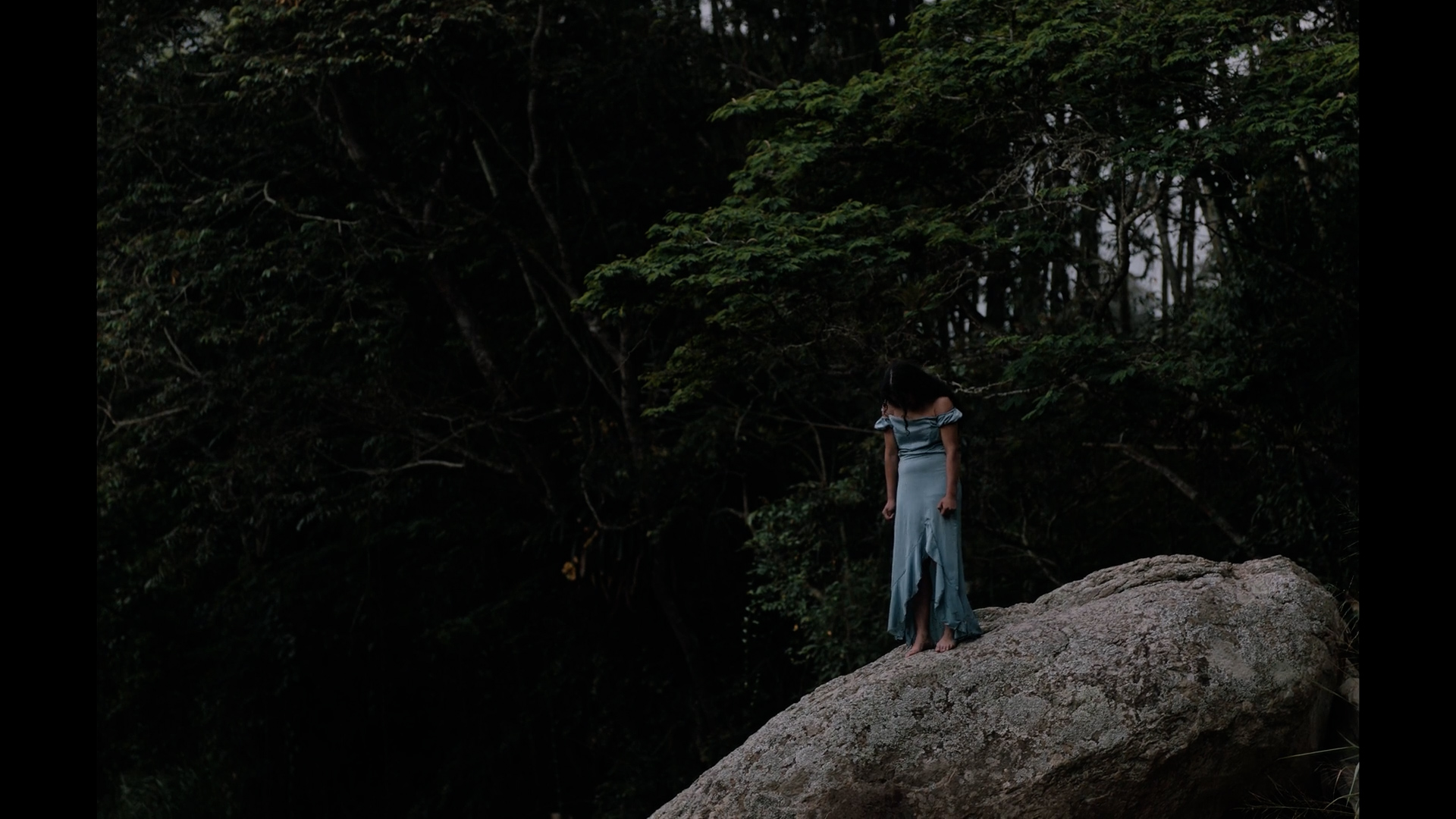
  • La Muerte de un Pájaro

    La Muerte de un Pájaro

    The Death of a Bird

    • Technical Info / Información Técnica:

    2026 / 00:14:00 / Colombia

    Fiction Short Film: Debut film, Drama, Latin American, Lost Childhood, Bonds, Spiritual Trip, Ghosts, Death, Purgatory

    4K / Color / 16:9 / 5.1 / Arri Alexa Mini / 24 FPS / NTSC / Spanish

    Shooting: Silvania, Cundinamarca
    • Logline:

    Two lost souls live for a moment the dream of a life that was never theirs, until they hear the call of the river.

    Dos almas errantes encuentran refugio en una vida que no les pertenece. Por unos días habitan la calma imposible hasta que el río las llama de regreso.

    • Short Synopsis / Sinopsis Corta:

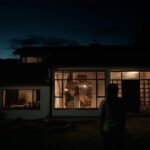
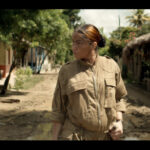
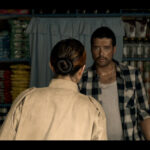
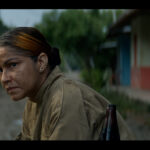
    Fabio and Leonor, two lost souls adrift in oblivion, take refuge in a house that isn’t theirs, living for a moment the illusion of a peaceful life that was never theirs, until the river calls, and the dream fades into awakening.

    Fabio y Leonor están muertos, aunque aún no lo saben. Dos almas errantes se refugian en una casa ajena y, por unos días, habitan el sueño de una vida tranquila que nunca fue suya. Pero el sueño termina cuando el río los llama para sellar su inevitable destino.

    • Synopsis / Sinopsis:

    Fabio and Leonor are dead, but they don’t know it yet. Two wandering souls adrift in oblivion, they flee after committing a violent act that would seal their fate. They find shelter in the holiday home of an upper-middle-class family, where for a few days they live the dream of a peaceful life that was never theirs. But every dream brings its awakening, and theirs comes when the river calls to seal their inescapable fate.

    Fabio y Leonor están muertos pero aún no lo saben. Dos almas errantes perdidas en el olvido, huyen tras haber protagonizado un hecho violento que selló su destino. Se refugian en la casa de descanso de una familia acomodada donde, por unos días, viven la fantasía de una vida doméstica, tranquila, que nunca les perteneció. Pero todo sueño trae su despertar, y el suyo llega con el llamado del río.

    Director’s Biography / Biografía del Director:

    FELIPE SÁNCHEZ GARCÍA

    Colombia

    He is a director, DoP, and screenwriter, and the founder of Iceberg Cine. He earned a BA in Cinema from CIC in Buenos Aires and a diploma in Cinematography from the Argentine School of Cinema. He worked at the Argentine production house Tresmilmundos Cine until returning to Colombia in 2016. Since then, he has worked as a DoP for documentaries, public television, and fiction productions.

    Director, DF y guionista colombiano, fundador de Iceberg Cine. Es egresado del programa de cine del (CIC) en Buenos Aires, y del programa de dirección de fotografía de (SICA). Trabajó en la productora argentina Tresmilmundos Cine hasta su regreso a Colombia en 2016. Desde entonces se desempeña como DF en proyectos documentales, de televisión pública y de ficción.

    • Director’s Statement / Declaraciones del Director:

    The selective dehumanization of children and adolescents has become a normalized practice, a cruel demand of the macabre games of power. In Colombia, childhood is a disputed territory, and children’s bodies, part of the spoils. Power has commoditized those fragile lives, turning death and disappearance into grim certainties. It is the reign of oblivion, in a land inhabited by ghosts. THE DEATH OF A BIRD is my attempt to listen to those ghosts, to add, from a small corner, to the tireless effort of Colombian cinema to narrate the almost unimaginable realities of our country. It is an act of fidelity to a cinema that dreams of itself as a vessel of memory, joining the chorus of voices calling for justice and accountability. Our film embraces the poetics of the spectral to weave that memory. It seeks to illuminate the collective through the intimate, opening a brief space for contemplation, an instant of radical attention. It offers a sensitive, respectful gaze upon childhood, understood both as a stage of profound vulnerability and as a witness to our society’s deepest wounds. The Death of a Bird distances itself from gratuitous violence and spectacle, and above all from despair. Born of empathy and respect, it suggests that within the simple gestures of caring for another lies a path toward possible alternate futures. Rather than a literal depiction of Colombian violence, the film proposes an intuitive, sensory journey through its wounds and its lingering shadows. The story unfolds without dialogue. Words yield to bodies and breathe, to the friction of light on skin, to the quiet orchestration of the countryside. Gazes, the house, and the land become the narrators. Silence is their language, the silence of death as a voice extinguished, but also the silence that shelters an intimate conversation. We believe in a cinematic space where silence becomes a form of listening, and the off-screen realm an invitation to imagine the unsayable. At the center stands Leonor, a young girl from rural Colombia who lends her body to embody death itself. In doing so, she gives form to a mother, a sister, a river, a fractured country. Leonor is made of luminous contradictions: vulnerable yet strong, executioner and redeemer, love and defiance, the force of liberation. Her choice to guide Fabio toward death is not punishment, but an act of radical tenderness and release. Fabio, in turn, becomes the body of all who are absent: the abandoned children, the denied griefs, the forgotten names, the lost bodies. He is the nation’s wound. Together, these two wandering souls find in a house that is not theirs a purgatory disguised as refuge, a home filled with someone else’s memories, a postcard of what could have been. Ultimately, THE DEATH OF A BIRD is a poem about the healing power of care. Amid violence, precariousness, dispossession, and forgetting, persists the possibility of genuine connection, of tenderness that insists on existing against all odds. It is not an elegy of defeat, but an affirmation of life that filters quietly through the cracks of pain.

    La deshumanización selectiva de infancias y adolescencias es una práctica naturalizada. Así lo exigen sin concesión los macabros juegos del poder. En Colombia, la infancia es un territorio en disputa. Y sus cuerpos, parte del botín. El poder ha mercantilizado esos cuerpos frágiles, haciendo de la muerte y la desaparición, ineludibles certezas. El reino del olvido en una patria de fantasmas. LA MUERTE DE UN PÁJARO es mi intento por escuchar a esos fantasmas. De sumar desde un pequeño lugar a la incansable lucha del cine nacional por narrar las realidades casi inimaginables de nuestro país. Abogar por ese cine colombiano que se sueña a sí mismo como un vehículo para la construcción de memoria. Un cine que se une a los gritos de clamor por justicia y reconocimiento de los hechos. Nuestra película apuesta por la poética de lo espectral como elemento para la construcción de esa memoria, e intenta hablar desde lo íntimo para reflexionar sobre lo colectivo; un esfuerzo transparente por abrir un pequeño pero honesto espacio de contemplación, un instante de atención radical; una mirada sensible y respetuosa de la infancia, entendida como un momento de vulnerabilidad de los cuerpos y reflejo de las profundas heridas de nuestra sociedad. LA MUERTE DE UN PÁJARO se aleja de la violencia gratuita y lo efectista, pero sobre todo del pesimismo. La película parte de la empatía y el respeto y encuentra en el retrato de un fugaz pero genuino intento por acceder a una vida doméstica ajena, la idea de que en el amor y el cuidado del otro yace un camino hacia otros posibles futuros. La obra no persigue una representación literal de la violencia colombiana, pero sí un viaje intuitivo y sensorial a sus heridas y fantasmas. La historia se cuenta sin diálogos: la palabra cede el lugar al cuerpo, a la respiración, al roce de la luz sobre la piel, al sonido del campo. Acá hablan las miradas, la casa, el territorio. El silencio es su voz. El silencio perpetuo que trae la muerte da cuenta del fin de una voz única. Del fin del habla. El silencio en la película, en su estado más mínimo, intenta ser el sello de autenticidad de una conversación íntima y auténtica. Apostar con convicción por un espacio cinematográfico donde el silencio sea una forma de escucha; el fuera de campo, una invitación a imaginar lo innombrable. En el centro de este universo está Leonor, una adolescente de la ruralidad colombiana que presta su cuerpo para encarnar la muerte. En el proceso y de esta forma, le da sustancia a una madre, a una hermana, a un río, a un país roto. Leo está llena de hermosas contradicciones: es vulnerable y a la vez capaz de una fuerza extraordinaria; es verdugo y redentora, es amor, es impugnación, es fuerza de liberación. Su decisión de guiar a Fabio hacia la muerte no es castigo, sino un acto radical de amor y liberación. Fabio, a su vez, es el cuerpo de todos los que no están. En él viven todos los niños abandonados, todos los duelos negados, todos los nombres olvidados, todos los cuerpos perdidos. Es la herida de la nación. Estas dos ánimas errantes encuentran en una casa que no les pertenece, un purgatorio vestido de refugio. Un hogar lleno de recuerdos ajenos, una postal de lo que pudo haber sido.

    • Overview / Ficha técnica:

    Script / Guión: Felipe Sánchez García

    Producer / Producción: Sergio Tapias Suárez

    Executive Producer / Productor Ejecutivo: Felipe Sánchez García, Lina Rincón Barrios, Sergio Tapias Suárez

    Co-Producer / Co-Productor: Felipe Sánchez García, Lina Rincón Barrios

    Director / Director: Felipe Sánchez García

    DoP & Camera / Dirección de Fotografía y Cámara: Diego Galvis

    Art Director/ Dirección de Arte: Gina Ospina

    Make-Up / Maquillaje: Natalia Bohórquez

    Costume / Vestuario: Gina Ospina

    Film Editor / Montaje: Juan Sebastián Quebrada

    Sound / Sonido Directo: María Alfaro

    Sound Direction / Dirección de sonido: Juana Lugo, Simón Jaramillo

    Original Music / Música Original: Juan Pablo Luna

    Cast / Elenco: Leo: Valeria Campos; Fabio: Juan Manuel Ochoa; Clarinetista: Laura Arias

    Casting: Sergio Pulido Velásquez

    Distribution / Distribución: FilmsToFestivals

    • Festivals and Awards / Festivales, Premios y Nominaciones:

    – 42° Warsaw International Film Festival; 10/2026; Poland

    • Links:

    Trailer: https://vimeo.com/1148938161

    Social Network:

    https://www.instagram.com/sg.felipe

    https://www.instagram.com/tapiassergio

    https://www.instagram.com/icebergcine

    https://www.instagram.com/postalesmedia

    https://instagram.com/films.to.festivals

    https://facebook.com/films2festivals

    www.twitter.com/films2festivals

    • Contact / Contacto:

    Gisela Chicolino

    FilmsToFestivals Distribution Agency
    info@filmstofestivals.com

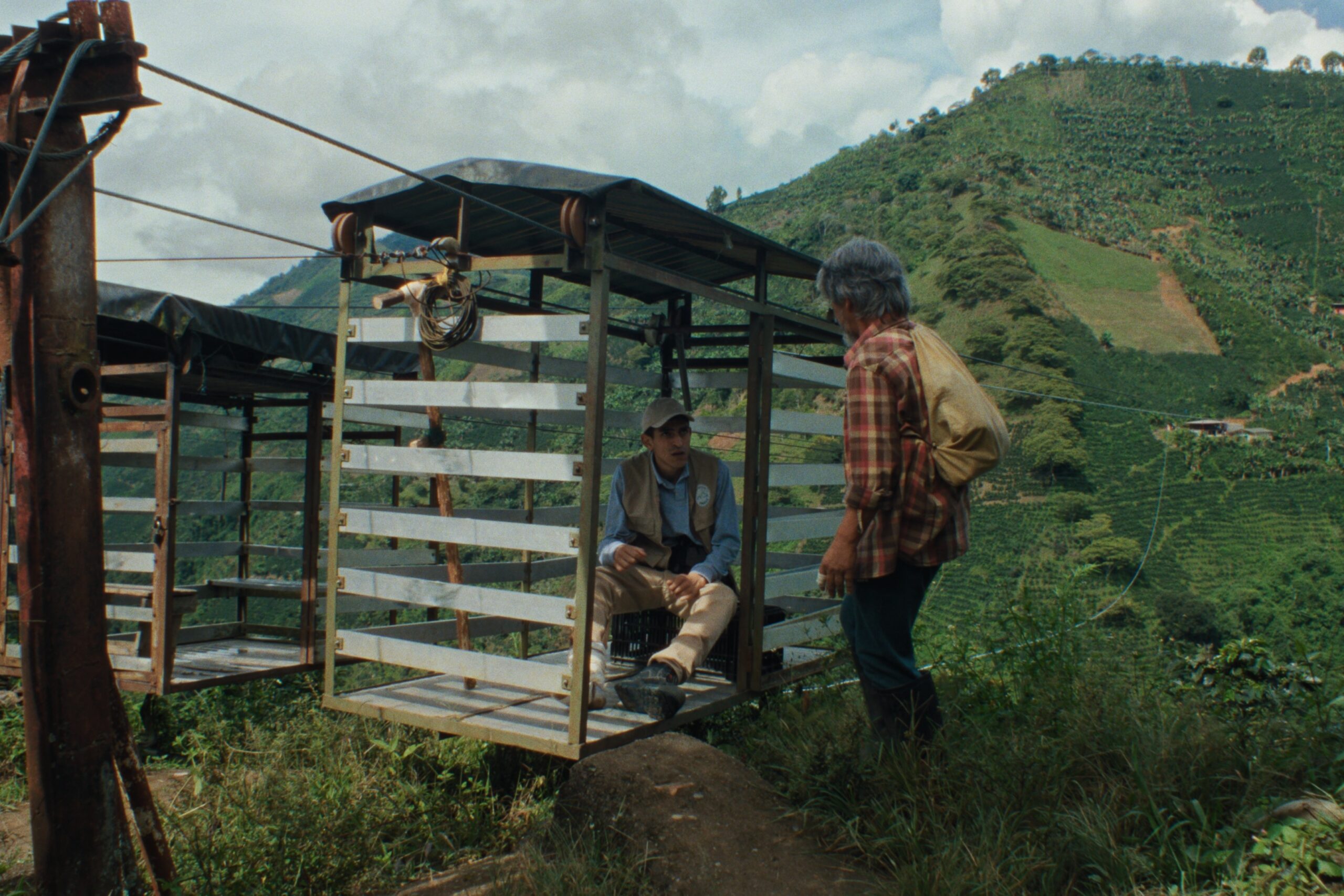
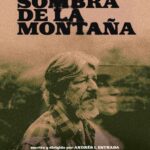
  • La Sombra de la Montaña

    La Sombra de la Montaña

    Under the Mountain’s Shadow

    • Technical Info / Información Técnica:

    2026 / 00:18:50 / Colombia, Canada, US, Venezuela

    Fiction Short Film: Drama _ Belonging & Roots, Family, Magical Realism, Past/Present,

    Identity, Loneliness, Nature, Bonds, Spiritual, Trip, Ghost

    Arri Alexa Mini / 24fps / 1.50:1 / Color / Dolby Atmos, Dolby Vision

    Shooting: Medellín, Colombia

    • Logline:

    An old hermit in the Colombian mountains must decide between returning to care for his ailing mother or remaining bound to the past and the mountain that defines him.

    Un viejo ermitaño de las montañas colombianas debe decidir entre regresar y cuidar a su madre enferma o permanecer fiel al pasado y la montaña que lo atan.

    • Short Synopsis / Sinopsis Corta:

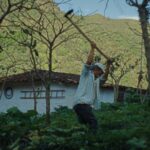
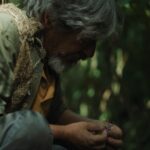
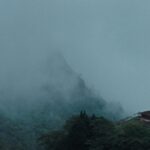
    An aging hermit, Eloy, lives in seclusion in the Colombian mountains, haunted by his grandfather’s ghost and bound to the land. When park rangers bring news of his dying mother, Eloy faces a choice between returning to his family or remaining in the mountain that defines him.

    Eloy, un viejo ermitaño, vive recluido en las montañas de Colombia, perseguido por el fantasma de su abuelo y profundamente arraigado a la tierra. Cuando unos guardabosques le traen la noticia de que su madre está muriendo, Eloy se enfrenta a la decisión de regresar con su familia o permanecer en la montaña que lo define.

    • Director’s Biography / Biografía del Director:

    ANDRÉS I. ESTRADA

    Venezuelan, Canadian

    Andrés is a Venezuelan filmmaker and a graduate of the Mel Hoppenheim School of Cinema. His work moves fluidly between documentary and fiction, weaving elements of magical realism into lived reality. His debut documentary short, AUDIO Y EL CAIMÁN (2024), has screened at over 20 international festivals, including Sheffield Doc/Fest and Hot Docs, and has received multiple awards. He is currently developing his first feature film, EL PADROTE.

    Andrés es un cineasta venezolano, graduado de la Escuela de Cine Mel Hoppenheim. Su obra explora la fricción entre lo real y lo ficcional, incorporando el realismo mágico como dispositivo narrativo y político. Su cortometraje documental debut, AUDIO Y EL CAIMÁN (2024), ha sido seleccionado en más de 20 festivales internacionales —entre ellos Sheffield Doc/Fest y Hot Docs— y ha recibido múltiples premios. Actualmente desarrolla su primer largometraje, EL PADROTE.

    • Filmography / Filmografía:

    Audio y el Caimán, 2024, 17 min, documentary

    • Director’s Statement / Declaraciones del Director:

    From the beginning, I wanted this film to explore the tension between belonging and liberation, the idea that the land and the place where we come from do not have to define the whole of who we are. Our histories, our landscapes, and our inherited burdens shape us, but they should not imprison us. To grow, sometimes we must shed that skin, leave behind what feels immovable, and step into the unknown. That departure is never easy, and yet it does not erase what we leave behind. As an émigré who left Venezuela with family still there, I understand Eloy’s fear of leaving behind a place that feels like both home and, at times, a cage. It is a painful process that tests one’s character. The nostalgia for what could have been, and the weight of transformation, have never truly left me. Yet these processes are often necessary. Too often, without realizing it, we become our own greatest obstacle. The ones who hold us back, who block our own steps, who refuse to let love in. We should carry our origins within us, not as chains, but as reminders of who we are and where we come from.

    Desde el comienzo quise que esta película explorara la tensión entre el arraigo, la pertenencia y la liberación. La idea de que la tierra y el lugar de dónde venimos no tienen por qué definir por completo quiénes somos. Nuestras historias, nuestros paisajes y las cargas que heredamos nos moldean, pero no deberían aprisionarnos. Para crecer, a veces debemos mudar de piel, dejar atrás aquello que parece inamovible y adentrarnos en lo desconocido. Esa partida de lo que sentimos nos pertenece e identifica ; nunca es fácil y, aun así, no jamás borra lo que dejamos atrás. Como emigrante que dejó Venezuela con parte de su familia aún allí, entiendo el miedo de Eloy a abandonar un lugar que se siente a la vez como hogar y, en ocasiones, como una prisión. Es un proceso doloroso que pone a prueba el carácter. La nostalgia por lo que pudo haber sido y el peso de la transformación nunca me han abandonado del todo. Sin embargo, estos procesos suelen ser necesarios. Con demasiada frecuencia y  sin darnos cuenta, nos convertimos en nuestro mayor obstáculo. Somos quienes nos frenamos, quienes bloqueamos nuestros propios pasos, quienes nos negamos a dejar entrar el amor. Debemos llevar nuestros orígenes dentro de nosotros, no como cadenas, sino como recordatorios de quiénes somos y de dónde venimos.

    • Overview / Ficha técnica:

    Script & Director / Guionista & Director: Andrés I. Estrada

    Producer / Producción: Paolo Maria Pedullà, Carlos López Estrada, Valerie Bush, Amanda Scheider, Glenn Kiser

    Executive Producer: Andrés I. Estrada, Holly Stanton, Elle Kesely, Anna Moskowitz

    Co-Producer / Co-Productor: Jenny David, Louis-Emmanuel Gagné-Brochu

    DoP & Camera / Dirección de Fotografía y Cámara: Rodrigo Michelangeli

    Art Director/ Dirección de Arte: Mariana Correa

    Film Editor / Montaje: Crist Ortiz

    Sound Direction / Dirección de sonido: Daniel Giraldo

    Original Music / Música Original: Adriana Duque

    Cast / Elenco: Francisco Betancur (Eloy), Diego Casas (Ghost), Juan José Restrepo (David)

    Distribution / Distribución: FilmsToFestivals

    • Festivals and Awards / Festivales, Premios y Nominaciones:

    – 43° Miami Film Festival; 04/2026; US

    – 37° New Orleans Film Festival; 10/2026; US

    • Links:

    Trailer: https://vimeo.com/1158637555/774b6a3901

    Social Network:

    https://www.instagram.com/lesestrades/

    https://www.instagram.com/clopezestrada

    https://www.instagram.com/valerieeee101

    https://www.instagram.com/pedullino

    https://www.instagram.com/jennydavidp

    https://www.instagram.com/louim_insta

    https://www.instagram.com/cosmodromocine

    https://www.instagram.com/antigravityacademy

    https://www.instagram.com/dolbylabs/

    https://instagram.com/films.to.festivals

    https://facebook.com/films2festivals

    http://twitter.com/films2festivals

    • Contact / Contacto:

    Gisela Chicolino

    FilmsToFestivals Distribution Agency
    info@filmstofestivals.com

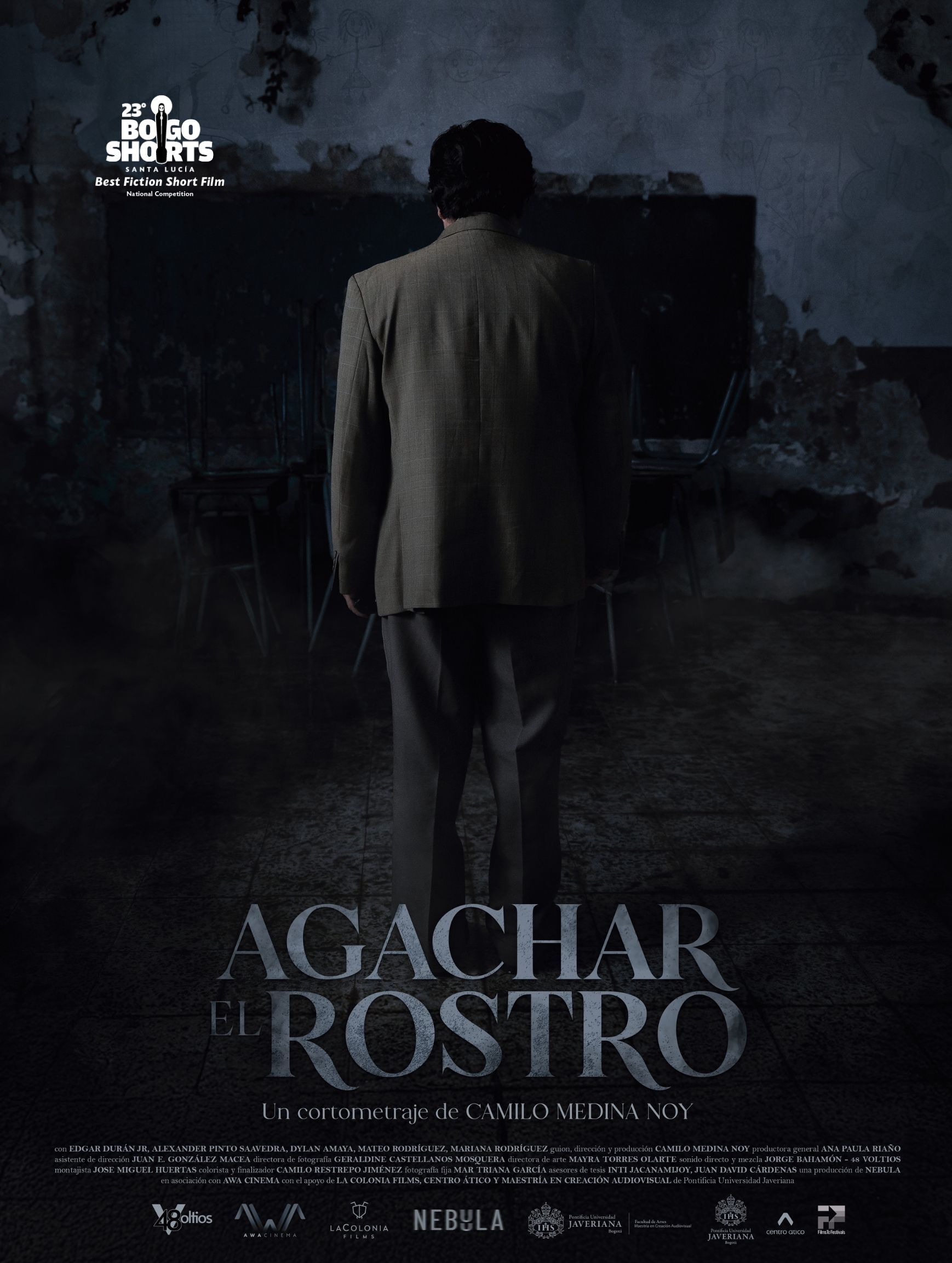
  • Agachar el Rostro

    Agachar el Rostro

    Lowering the Gaze     

    • Technical Info / Información Técnica:

    2025 / 00:12:36 / Runta Arriba, Tunja, Colombia

    Fiction Short Film:  Drama, Rural Education, Vocation, Students, Rural Daily Life, Identity & Territory, Landscape, Social Issues, Teaching

    4K / Color / 1.85:1 / 5.1 / Sony FX3 / 24 FPS

    Graduation Thesis: Pontificia Universidad Javeriana (PUJ)

    • Logline:

    In the absence of students, a teacher fears not only the loss of his job, but also what he has come to regard as his home: a rural school already in ruins.

    Ante la falta de estudiantes, un profesor no solo teme perder su empleo, sino también lo que concibe como su hogar: una escuela rural que ya es ruina.

    • Short Synopsis / Sinopsis Corta:

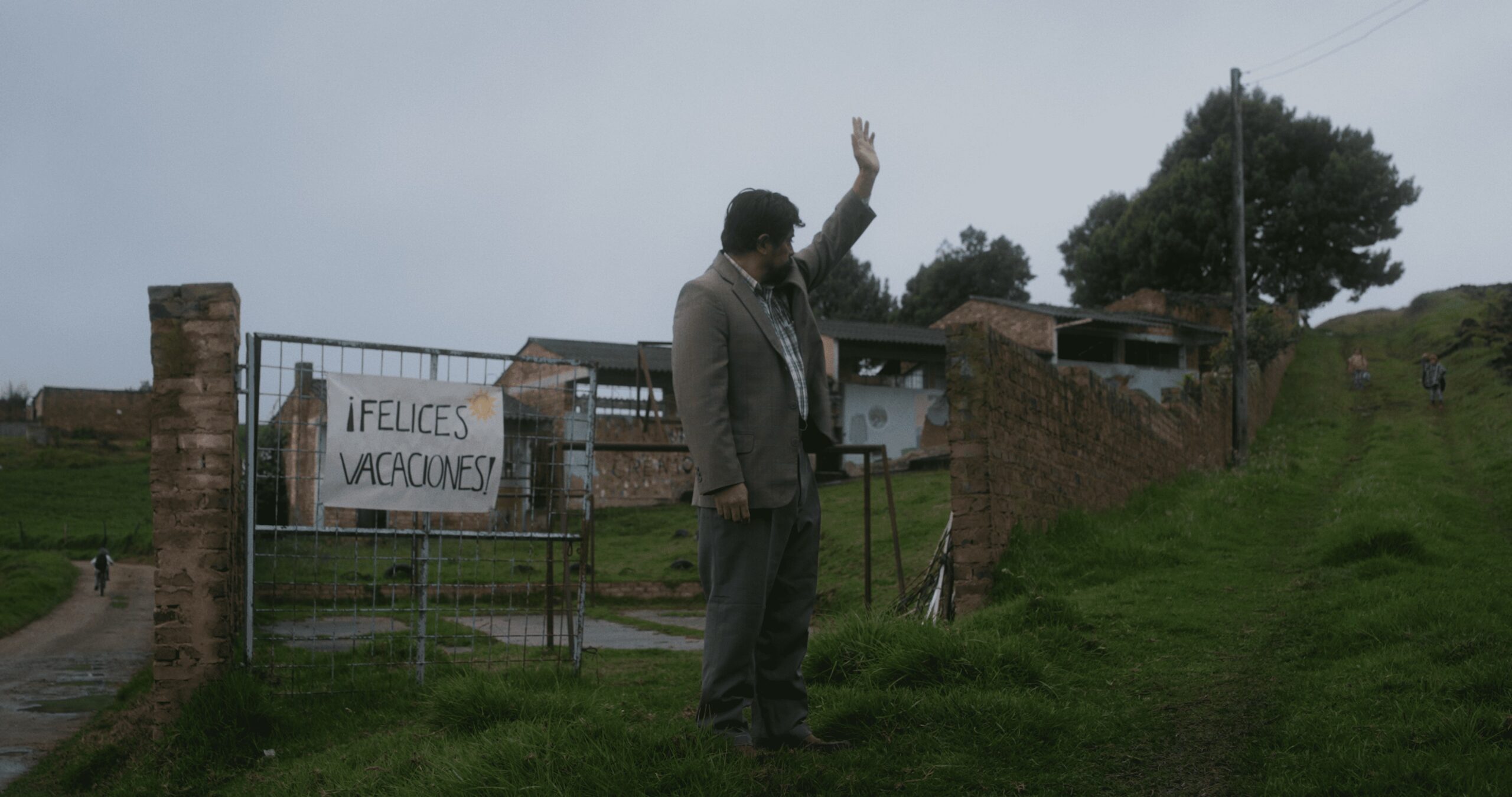
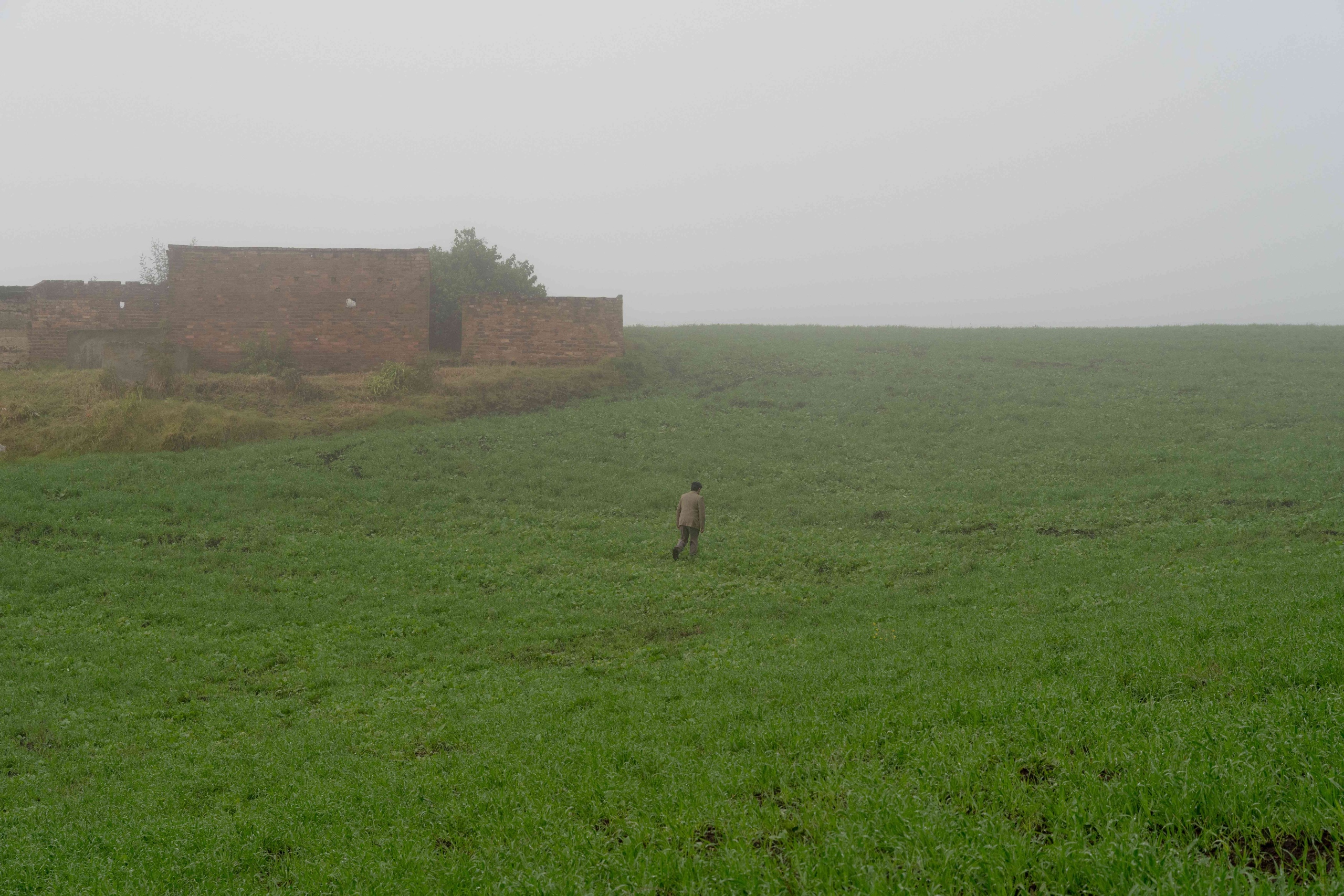
    Between the mist and the cracked walls, a teacher moves through his final day at a rural school, soon to be shut down for lack of students. In quiet solitude, he parts ways with a place that has been his craft and his shelter for years.

    Entre la niebla y las paredes resquebrajadas, un profesor atraviesa su último día de clases en una escuela rural obligada a cerrar por falta de estudiantes. En silencio se despide de aquello que durante años fue su oficio y su hogar.

    • Synopsis / Sinopsis:

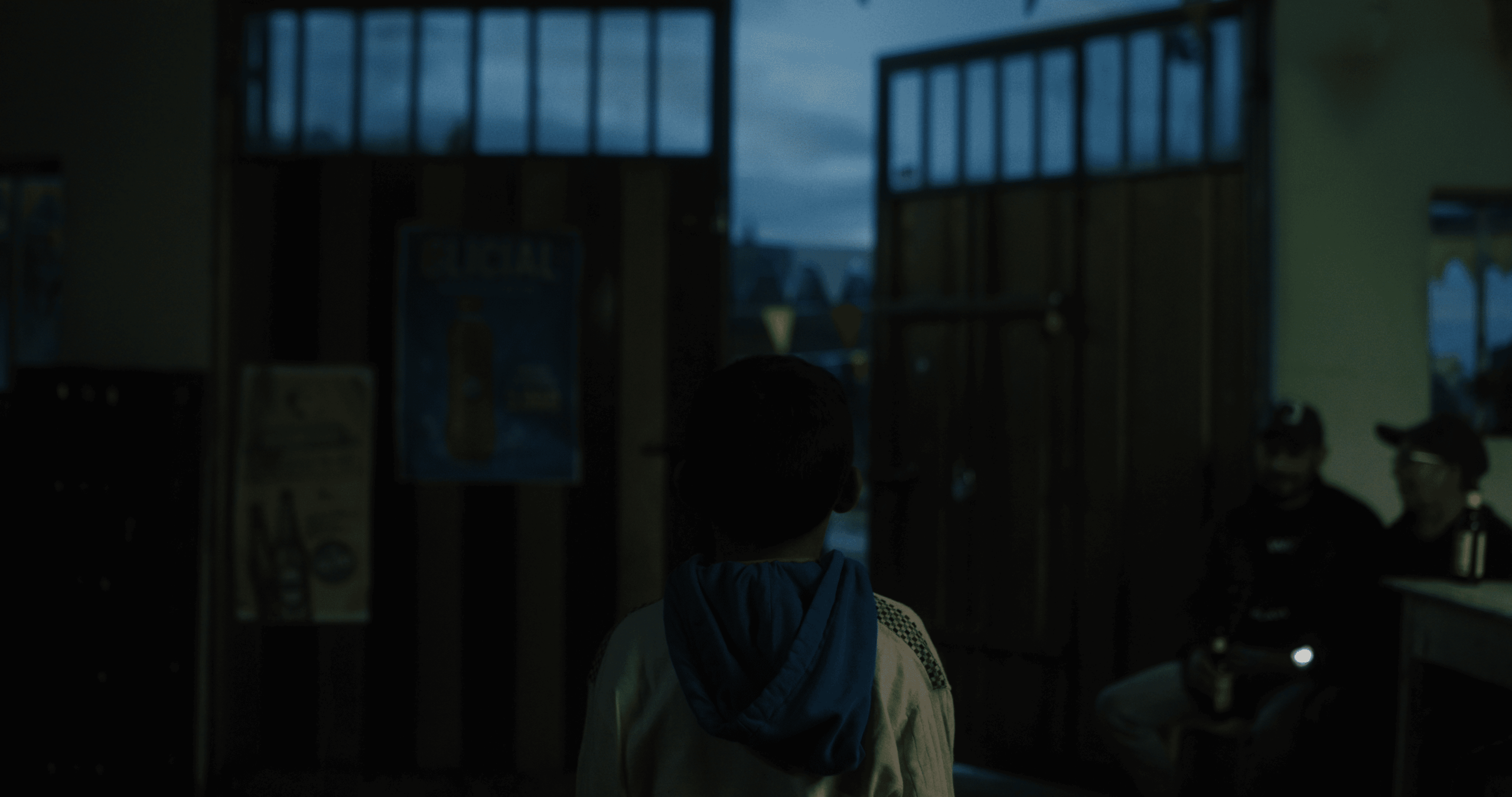
    Between the mist and the cracked walls, a teacher moves through his final day of classes at a rural school forced to close due to a lack of students. From early on, the day unfolds through quiet wanderings and restrained gestures. As the community gathers at the local store and the bustle grows with games and dancing, the teacher remains on the periphery. Detached from the celebration, he watches life carry on. At the end of the day, he returns to the school and takes leave of what for years had been both his vocation and his home.

    Entre la niebla y las paredes resquebrajadas, un profesor atraviesa su último día de clases en una escuela rural obligada a cerrar por falta de estudiantes. Desde temprano, la jornada transcurre entre recorridos y gestos contenidos. Mientras la comunidad se reúne en la tienda y el bullicio avanza entre juegos y baile, el profesor permanece al margen. Ajeno a la celebración, observa cómo la vida continúa. Al final del día, regresa a la escuela y se despide de aquello que durante años fue su oficio y su hogar.

    • Director’s Biography / Biografía del Director:

    CAMILO MEDINA NOY

    Camilo Medina Noy (1998, Tunja, Colombia) is a producer and director. He holds a Master’s degree in Audiovisual Creation with honors from Pontificia Universidad Javeriana. His short film EL OLVIDO DE LA NIEBLA (2022) was selected at multiple national and international festivals. His recent short film, AGACHAR EL ROSTRO, won Best Fiction Short Film at the 23rd edition of BOGOSHORTS, an Academy Award® Qualifying Festival.

    Camilo Medina Noy (1998, Tunja, Colombia) es productor y director. Es magíster en Creación Audiovisual con mención de honor por la Pontificia Universidad Javeriana. Su cortometraje EL OLVIDO DE LA NIEBLA (2022) fue seleccionado en múltiples festivales nacionales e internacionales. Su reciente cortometraje, AGACHAR EL ROSTRO, obtuvo el premio a Mejor Cortometraje de Ficción en la 23ª edición de BOGOSHORTS, festival calificador a los Premios Óscar®.

    El olvido de la niebla (2022) 12 min, ficción

    • Director’s Statement / Declaraciones del Director:

    LOWERING THE GAZE emerges from the lingering sense of loss after my father’s death. What began as a personal urgency gradually transformed into a formal search—an exploration in which body, ruin, and landscape merge to speak of a territory slowly being exhausted, where communication takes place through gesture and silence rather than words. Ruin, as a metaphor, runs through the short film in the transformation of the teacher, whose body and spirit become intertwined with the cracked walls of the school he inhabits. The school is home; it is also an institution. More than a decaying structure, this space becomes an extension of his own being: his body and identity crumble in sync with the place itself. Both stand as symbols of suspended time. The teacher and the children become transient bodies that nonetheless remain, dwell, and inhabit their own oblivion. This relationship is mediated by a landscape that neither promises nor celebrates abundance. In this sense, the film does not “represent” a territory—it incorporates it, moving toward a more human gaze. I sought a counterpoint to the teacher’s solitude, his isolation and inner world, by proposing a scene in which the community gathers in celebration, inside a local store that extends beyond its physical limits to encompass an emotional space—one that allows bodies to release themselves through sharing, dance, music, and tejo. The teacher, who remains on the margins of this festive world, is caught within his silence, while the clamor of the store continues, indifferent to his presence. The atmosphere becomes another character in the story. The mist—dense and omnipresent—blurs the contours of the landscape, turning the rural setting into a liminal space where time seems suspended and sounds expand. This landscape embodies absence, uncertainty, and nothingness: it allows no vision beyond, no clear definition. It embraces a territory where promises go unfulfilled and grow fewer with time. Silence is not merely the absence of words; it is the weight of what cannot be spoken. Within this void, time stretches; materiality merges with the landscape and becomes memory. There, within the mist, the man no longer holds certainties—he simply remains. What endures is neither the man nor the place, but the trace: a faint mark that persists in the emptiness, as if the act of inhabiting were enough to grant meaning to absence.

    LOWERING THE GAZE, too, is a matter of time.

    Esta obra nace al sentir latente la pérdida de mi padre. Lo que comenzó como una urgencia personal se transformó en una búsqueda formal. Una exploración en la que el cuerpo, la ruina y el paisaje se funden para hablar de un territorio que se va agotando, en donde las palabras se comunican desde el gesto y el silencio. La ruina, como metáfora, atraviesa el cortometraje en la transformación del profesor, cuyo cuerpo y espíritu se mimetizan con las paredes agrietadas de la escuela que habita. La escuela es hogar, es institución. Este espacio, más que una construcción en decadencia, se convierte en una extensión de su propio ser; su cuerpo e identidad se desmoronan en sincronía con el espacio. Ambos, como símbolo de un tiempo detenido. El profesor y los niños se convierten en cuerpos transitorios, que, a su vez, permanecen, moran y habitan su propio olvido. Esta relación se encuentra mediada por un paisaje que no promete y no celebra la abundancia. En ese sentido, la película no “representa” un territorio, lo incorpora, aproximándose a una mirada más humana. Busqué encontrar un contrapunto a la soledad, al aislamiento del profesor y a su mundo interior, proponiendo una escena en la que la reunión de esta comunidad fuese de regocijo, en una tienda que no solo se limitara al espacio físico sino que abarcara el espacio emocional, y permitiese liberar la expresión de los cuerpos a través del compartir, el baile, la música y el tejo. El profesor, que permanece en los márgenes de este mundo festivo, se ve atrapado en su silencio, mientras el bullicio de la tienda sigue su curso ajeno a él. La atmósfera es un personaje más en esta historia. La niebla, densa y omnipresente, difumina los contornos del paisaje y convierte lo rural en un espacio liminal, donde el tiempo parece suspenderse y los sonidos se expanden. Este paisaje representa la ausencia, la incertidumbre y la nada, que no permiten ver más allá, que no dejan definir. Abrazando un territorio en donde las promesas no se cumplen y donde cada vez son menos. El silencio no es solo ausencia de palabras, es el peso de aquello que no se puede decir. En ese vacío, el tiempo se dilata, la materialidad se funde con el paisaje y se convierte en memoria. Allí, entre la niebla, el hombre ya no tiene certezas, simplemente permanece. Lo que queda no es el hombre ni el lugar, sino la huella, un rastro tenue que persiste en el vacío, como si el acto de habitar fuese suficiente para llenar de sentido la ausencia. AGACHAR EL ROSTRO también es una cuestión de tiempo.

    • Overview / Ficha técnica:

    Scriplay / Guión: Camilo Medina Noy

    Producer / Producción: Ana Paula Riaño, Camilo Medina Noy 

    Executive Producer / Productor Ejecutivo: Camilo Medina Noy

    Director / Director: Camilo Medina Noy

    DoP / Dirección de Fotografía: Geraldine Castellanos Mosquera  

    Art Director/ Dirección de Arte: Mayra Torres Olarte 

    Wardrobe & Make-up / Maquillaje y Vestuario: Ana García 

    Sound / Sonido Directo: Jorge Bahamón

    Film Editor / Montaje: José Miguel Huertas 

    Sound design / Diseño de sonido: Jorge Bahamón

    Original Music / Música Original: Mediterráneo Parrandero

    Cast / Elenco: Edgar Durán Jr.: Profesor, Alexander Pinto Saavedra: Coordinador, Dylan Amaya: Dylan, Mateo Rodríguez: Mateo, Mariana Rodríguez: Mariana

    Distribution / Distribución: FilmsToFestivals

    • Festivals and Awards / Festivales, Premios y Nominaciones:

    – 23° Bogoshort, Bogota Int’l Short Film Festival (Best Short Film); 12/2024; Colombia

    – 43° BUSAN Int’l Short Film Festival; 04/2026; South Korea

    – 14° Premios Sur, nominated for Best Fiction Short Film; 10/2026; Colombia

    • Links:

    Trailer: https://vimeo.com/1166547529

    Social Networks:

    https://www.instagram.com/nebula_cine/

    https://www.instagram.com/awa_cinema/

    http://instagram.com/films.to.festivals

    http://facebook.com/films2festivals

    http://twitter.com/films2festivals

  • Niña Chilapa

    Niña Chilapa

    Chilapa Girl

    • Technical Info / Información Técnica:

    (2025) / 00:17:00 / Colombia

    Documentary Short Film: Drama: Hybrid, Coming-of-age, Loss-of-innocence, Young Mom, Young Pregnancy, Women, Latin American, Social Issues

    Full HD / Color / 16:6 / Stereo / Sony As7III / 24 FPS / Spanish

    Shooting: Colombia

    • Logline:

    Yulieth comes of age in the fevered breath of the tropics, pursued by silent violences from which not even the jungle can shelter her.

    Yulieth crece en el vértigo del trópico, bajo el acecho de violencias silenciosas de las que ni la selva logra protegerla.

    • Short Synopsis / Sinopsis Corta:

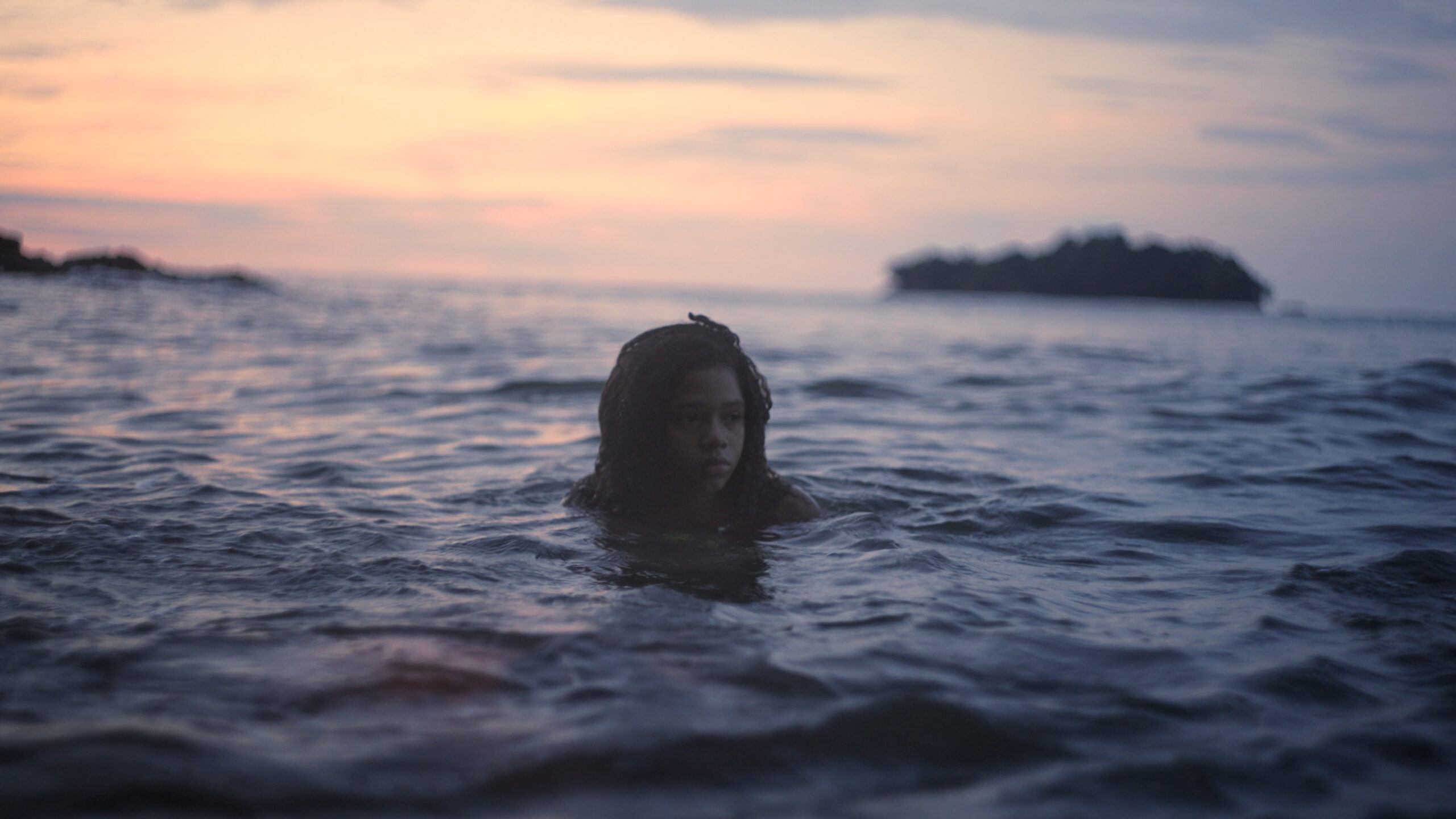
    Yulieth (10 – 13) faces the difficulties of growing up in a wild territory where natural beauty coexists with the hostility of machismo. Her developing identity is caught between the impulses of her dreams and her reality.

    Yulieth (11 – 13), se enfrenta a la dificultad de crecer en un territorio salvaje, donde coexiste la belleza natural y la hostilidad del machismo. Su identidad en construcción se disputa entre las pulsiones de sus sueños y su realidad.

    • Synopsis / Sinopsis:

    Through observation, discover the story of Yulieth (10-13), a fishing girl, chilapa, brave and rebellious, who is transitioning into adolescence. She faces the difficulty of growing up in a wild territory on the border between Colombia and Panama, where natural beauty coexists with the hostility of machismo. Despite the warnings, Yulieth becomes a teenage mother, while her developing identity is caught between the impulses of her dreams and her reality..

    A través de la observación descubrimos la historia de Yulieth (11 – 13), una niña pescadora, chilapa, valiente y rebelde que transita hacia la adolescencia. Ella se enfrenta a la dificultad de crecer en un territorio salvaje, la frontera entre Colombia y Panamá, donde coexiste la belleza natural y la hostilidad del machismo. A pesar de las advertencias, Yulieth se convierte en una madre adolescente, mientras su identidad en construcción se disputa entre las pulsiones de sus sueños y su realidad. 

    • Director´s Biography / Biografía del Director:

    JUANA LOTERO LÓPEZ

    Colombian       

    Eternal apprentice, feminist, economist, and filmmaker. Studied Fiction Directing at EICTV, Cuba. She wrote, directed, and co-produced Fresas Salvajes (2022), which premiered at FICCI 61, and Dulces Sueños (2020). His current short film NIÑA CHILAPA (2025) won the India Catalina Award for «Best Colombian Short Film» at FICCI 64, while he is producing his feature film MUCHACHITA CHILAPA.

    Eterna aprendiz, feminista, economista y cineasta. Estudió dirección de ficción en la EICTV, Cuba. Escribió, dirigió y coprodujo Fresas Salvajes (2022) estrenado en el FICCI 61, y Dulces Sueños (2020). Su actual cortometraje NIÑA CHILAPA (2025) resultó ganador del premio India Catalina a “Mejor corto colombiano” en FICCI 64, mientras produce su largometraje MUCHACHITA CHILAPA.

    • Director’s Statement / Declaraciones del Director:

    Niña Chilapa is a film that rests between the thin boundaries of documentary and fiction, approaching us through an intimate look at the daily life of a jungle girl who grows on screen to tell us about the complexity of being a woman. She reveals a humanity under construction, imperfect, organic, and changing over time. Through an observational language that approaches us almost like a caress, we build a story that questions us as a society, challenges us as viewers, and invites us to reflect. Yulieth, the protagonist, is a real character, a girl who plays, a teenager who feels, and a woman who dreams. She lives in an exuberant natural territory that shelters her, but simultaneously has a different rhythm from the city. The tropics act with the haste of the sun, with the fragility of the perennial, in a cycle of life that does not stop.

    Niña Chilapa es una película que descansa entre los delgados límites del documental y la ficción, acercándonos a través de una mirada íntima a la cotidianidad de una niña selvática, que va creciendo en la pantalla para hablarnos de la complejidad de ser mujer. Nos revela una humanidad en construcción, imperfecta, orgánica y cambiante en el devenir del tiempo. A través de un lenguaje observacional, que se aproxima, casi como una caricia, construimos una historia que nos cuestiona como sociedad, que nos interpela como espectadores y que nos convoca a reflexionar. Yulieth, la protagonista, es un personaje real, es una niña que juega, es una adolescente que siente, es una mujer que sueña. Vive en un territorio natural exuberante, que le brinda cobijo, pero al mismo tiempo rige un ritmo que difiere al de la ciudad. El trópico actúa con la premura del sol, con la fragilidad de lo perenne, en un ciclo de la vida que no se detiene.

    • Overview / Ficha técnica:

    Script / Guión: Juana Lotero López, Daniel Sánchez

    Producer / Producción: Daniel Sánchez

    Director / Director: Juana Lotero López

    Director Assistant / Asistente de Dirección:

    DoP & Camera / Dirección de Fotografía y Cámara: Daniel Sánchez

    Film Editor / Montaje: Daniel Sánchez

    Sound / Sonido Directo: Harry Isaías Suárez

    Sound Direction / Dirección de sonido: Nathalia Quimbay, Jesús Bermúdez

    Cast / Elenco: Yulieth Castañeda, Yessica Cavadia, Luis David Cavadia, Pablo Sneider Castañeda, Jesús reyes

    Distribution / Distribución: FilmsToFestivals

    • Festivals and Awards / Festivales, Premios y Nominaciones:

    – 64° FICCI, Cartagena International Film Festival (Best Documentary Short Film); 04/2025; Colombia

    – 46° Durban International Film Festival; 07/2025; South Africa

    – 44 Uppsala Short Film Festival; 10/2025; Sweden

    – 27° MIDBO, Bogota Int’l Documentary Festival (Best Short Film); 10/2025; Colombia

    – 17° FICCALI, Cali Int’l Film Festival; 10/2025; Colombia

    – 29 Internationale Kurzfilmtage Winterthur; 11/2025; Switzerland 

    – 16° DOC NYC Festival; 11/2025; USA

    – 8° FIPADOC, Biarritz Int’l Documentary Festival; 01/2025; France

    – 30° REGARD, Int’l Short Film Festival (Best Short Film); 03/2026; Canada

    – 72° Oberhausen Int’l Short Film Festival; 03/2026; Germany

    – 25° DOXA, Documentary Film Festival; 04/2025; Canada

    – 14° FRISS HUS, Budapest International Short Film Festival; 05/2026: Hungary

    – 21° Doc Edge, New Zealand International Documentary Festival; 06/2026; New Zeland

    – 22° Lago Film Fest – International Festival of Independent Cinema; 07/2026; Italy

    – 39° Montenegro Film Festival; 08/2026; Montenegro

    – 24° VLAFF, Vancouver Latin American Film Festival; 09/2026; Canada

    – 12° IberoDocs, Scotland’s Ibero-American Documentary Film Festival; 09/2026; Scotland

    • Links:

    Trailer: https://youtu.be/g-jtqUZMD60?si=s-ELfkWA3uiaWJlA

    Social Network:

    https://www.instagram.com/loterojuana

    https://www.instagram.com/noctambuloscine

    https://www.instagram.com/dasanchezrod

    https://instagram.com/films.to.festivals

    https://facebook.com/films2festivals

    http://twitter.com/films2festivals

    • Contact / Contacto:

    Gisela Chicolino

    FilmsToFestivals Distribution Agency
    info@filmstofestivals.com

  • Más Allá

    Más Allá

    Beyond

    • Technical Info / Información Técnica:

    (2025) / 00:15:22 / Venezuela, Canada, Colombia, USA

    Fiction Short Film: Drama, Coming-of-age, Magical Realism, Migration, Loss-of-Innocence, Imagination, Survival, Women, Latin American, Social Issues, Childhood

    4K / Color / 16:9 / 5.1 / ARRI Alexa 35 / 24 FPS / Spanish

    Shooting: Colombia

    • Logline:

    A young girl who’s given up her childhood to survive crossing the treacherous Darien Gap discovers a portal to a magical world where she learns to be a kid again.

    Una pequeña, que ha renunciado a su infancia para sobrevivir el cruce por la selva del Darién, descubre un portal a un mundo mágico en donde aprende a ser una niña de nuevo.   

    • Short Synopsis / Sinopsis Corta:

    In this coming-of-innocence tale, a Venezuelan migrant girl who’s been forced to abandon her childhood to survive crossing the jungle between Colombia and Panama discovers a portal to a magical land where she’s able to reconnect with her imagination, ultimately learning how to be a kid again.

    Zuli, una pequeña migrante venezolana, quien ha abandonado su infancia para sobrevivir el cruce entre Colombia y Panamá, descubre un portal que la transporta a una tierra mágica donde reconecta con su imaginación y aprende a ser una niña otra vez.

    • Synopsis / Sinopsis:

    After being separated from her mother while crossing the treacherous jungle between Colombia and Panama, Zuli, a young Venezuelan migrant, is forced to abandon her childhood to survive in this dangerous place. While working for a coyote to help guide other migrants through the jungle, Zuli discovers a portal to a magical land, where she must turn to her imagination to reconnect with her innocence and, ultimately, learn how to be a kid again.

    Después de haber sido separada de su madre mientras intentaban cruzar la selva entre Colombia y Panamá, una pequeña migrante venezolana se ve obligada a abandonar su infancia para sobrevivir. Zuli empieza a trabajar para un coyote que guía a migrantes dentro de la selva. En uno de sus viajes ella tropieza con un portal que la transporta a una tierra mágica donde se ve impulsada a reconectar con su inocencia y su imaginación, aprendiendo a ser una niña otra vez.

    • Director´s Biography / Biografía del Director:

    BETTINA LÓPEZ MENDOZA

    Venezuela

    Bettina is a Venezuelan screenwriter and filmmaker. Having spent her childhood moving across borders, first to Mexico and then to the U.S., Bettina has always been fascinated by reality as a subjective construct. Her work often centers overlooked characters who challenge the limits the world imposes on them. Most recently, Bettina co-wrote Netflix’s animated feature film “Miraculous: Ladybug & Cat Noir, The Movie” (2023) and showran Audible’s Ambie Award-winning fiction podcast “PREVIA: A Tech Heist,” which she also directed.

    Bettina López Mendoza is a Venezuelan screenwriter and filmmaker. Having spent her childhood moving across borders, her work often centers misunderstood characters who challenge the limits the world imposes on them. After graduating from USC, Bettina got her start working with director Michael Gracey on the musical hit «The Greatest Showman.» She went on to co-write Netflix’s animated film «Miraculous: Ladybug & Cat Noir,» and showrun Audible’s Ambie Award-winning fiction podcast «PREVIA: A Tech Heist.» Bettina makes her screen directorial debut with Más Allá (“Beyond.”)

    • Director’s Statement / Declaraciones del Director:

    In my home country of Venezuela, it’s not rare to see children fending for themselves. This film was inspired by their capacity to find joy in the most ordinary, sometimes devastating places. With pure imagination, they can escape their realities, finding delight in landfills, cemeteries, highway drains… As adults, this escape from reality becomes more extreme. The mass exodus of people from my country through the Darien Gap cemented the message I had to tell: that migration is the bravest act of imagination. This source of creativity fueled the story of Zuli – a girl who has lost her innocence and who must regain her sense of imagination to find the hope to go on. Fueled by this idea of a coming-of-innocence, I set out to test the bounds of the audience’s imagination. Could I get them to suspend disbelief and imagine elements of the story beyond what I put on screen? Employing magical realism and practical effects, I set out to create a film that is as grounded as it is whimsical. The handheld, documentary-style cinematography puts us directly into Zuli’s muddy boots. She is a vehicle for our exploration. The more Zuli sheds her adult-like limitations, the more fantastical the elements around her become. Only when she is ready to let her imagination soar do we experience a full separation from the cinematic reality, allowing the cinematography and musical score to take flight. Making this film was practice in reconnecting with my inner child. The result is a love letter to that childlike abandon that fuels our biggest hopes and dreams and an ode to anyone who’s ever been brave enough to imagine a better life.

    En mi país de origen, Venezuela, no es raro ver a niños resolviendo por sí mismos. Esta película se inspiró en su capacidad de encontrar alegría en los lugares más ordinarios y, a veces, devastadores. Con pura imaginación pueden escapar de sus realidades, encontrando encanto en vertederos, cementerios, desagües… De adultos, este escape de la realidad se vuelve más extremo. El éxodo masivo de mi país a través del Tapón del Darién consolidó el mensaje que tenía que transmitir: que la migración es el acto de imaginación más valiente. Esta fuente de creatividad alimentó la historia de Zuli, una niña que ha perdido su inocencia y que debe recuperar su sentido de la imaginación para encontrar la esperanza de seguir adelante. Impulsada por esta idea del “encuentro de la inocencia», me propuse poner a prueba los límites de la propia imaginación del público. ¿Podría lograr que suspendieran su incredulidad e imaginaran elementos de la historia más allá de lo que puse en pantalla? Empleando el realismo mágico y efectos prácticos, me propuse crear una película tan realista como fantasiosa. La cinematografía de estilo documental nos pone directamente en las botas enlodadas de Zuli. Ella es el vehículo para nuestra propia exploración. Cuanto más se deshace Zuli de sus limitaciones adultas, más fantásticos se vuelven los elementos que la rodean. Sólo cuando está lista para dejar volar su imaginación experimentamos una separación total de la realidad cinematográfica, permitiendo que la cinematografía y la partitura musical tomen vuelo. Hacer esta película fue una práctica para reconectarme con mi niña interior. El resultado es una carta de amor a ese abandono infantil que alimenta nuestros sueños y esperanza, y una oda a cualquiera que alguna vez haya sido lo suficientemente valiente como para imaginar una vida mejor.

    • Overview / Ficha técnica:

    Script / Guión: Bettina López Mendoza

    Producer / Producción: Marilyne LaMontagne, Bettina López Mendoza

    Co-Producer / Co-Productor: Ana Katalina Carmona

    Director / Director: Bettina López Mendoza

    Director Assistant / Asistente de Dirección: Daniela Echeverri Idárraga

    DoP & Camera / Dirección de Fotografía y Cámara: Camilo Monsalve Ossa, ADFC

    Art Director/ Dirección de Arte: Vanessa Bustamante Zapata

    Make-Up / Maquillaje: Isabel Córdoba

    Costume / Vestuario: Laura Valentina Gil Ramirez

    Film Editor / Edición: Mónica Salazar

    Sound Direction / Dirección de sonido: Eloísa Arcila Fernández

    Original Music / Música Original: Abiram Brizuela

    Cast / Elenco: Dairl Hernández López, Jhony Osorio Montaño, Alicia Reyes Londoño

    Distribution / Distribución: FilmsToFestivals

    • Festivals and Awards / Festivales, Premios y Nominaciones:

    – 24° LALIFF, Los Angeles Latino International Film Festival (Best Short Film); 05/2025; US

    – 28 MIFF, Maine International Film Festival; 07/2025; US

    – 18° New Filmmakers Los Angeles Film Festival; 09/2025; US

    – 19 Buffalo International Film Festival; 10/2025; US

    – 17 San Jose Int’l Film Festival; 10/2025; US

    – 7° Micheaux Film Festival (Best Cinematography); 10/2025; US

    – Film Festival at Hollywood Park; 10/2025; US

    – 26° Maryland Film Festival; 11/2025; US

    – 19° Villa de Leyva International Film Festival; 11/2025; Colombia

    – 30° SFF, Sacramento Int’l Film Festival; 12/2025; US

    – 10°  Yountville International Short Film Festival; 01/2026; US

    – 43° BUFF Malmö Film Festival; 03/2026; Sweden

    – 16° Athena Women Film Festival; 03/2026; US

    – 8° Filministes Festival; 03/2026; Canada

    – 43° Rencontres du Cinéma Latino-Américain (Best Short Film); 03/2026; France

    – 42° Chicago Latino Film Festival; 04/2026; US

    – 55° Sehsüchte International Student Film Festival; 04/2026; Germany

    – 11° Ennesimo Film Festival; 04/2026; Italy

    • Links:

    Trailer:

    Social Network:

    https://www.instagram.com/masalla_film

    https://www.instagram.com/bettinalpz

    https://www.instagram.com/omatidio_media

    https://www.instagram.com/marilyne.lamontagne

    https://instagram.com/films.to.festivals

    https://facebook.com/films2festivals

    http://twitter.com/films2festivals

    • Contact / Contacto:

    Gisela Chicolino

    FilmsToFestivals Distribution Agency
    info@filmstofestivals.com

  • La Mona

    La Mona

    Hot Wave

    • Technical Info / Información Técnica:

    (2025) / 00:18:18 / Bogotá, Colombia

    Fiction Short Film: Drama, Western, Woman, Menstruation, Female Sexual Desire, Political Subject, Armed groups, HHRR, Women’s Rights, Intimacy, Intimate life,

    Public life, Feminism, Absence of the state, Social Issues

    4K /Color/2.39:1 / 5.1 / Red Helium

    Shooting: Severinera, Tierralta, Córdoba, Colombia

    • Logline:

    La Mona is willing to make any sacrifice to guarantee her authority in La Hondura, even if the price she pays, is loneliness.

    La Mona está dispuesta a cualquier sacrificio para garantizar su autoridad en La Hondura, aunque el precio que pague sea la soledad.

    • Short Synopsis / Sinopsis Corta:

    La Hondura is a forgotten hamlet where La Mona, a paramilitary woman, imposes order. However, she is unable to control the nature of her body and menstruation makes her bend to the point of throwing her into bed. Despite her sullen character, her femininity emerges, revealing the sensitivity that also inhabits her.

    La Hondura es un caserío olvidado, en el que La Mona, una paramilitar, impone el orden. Sin embargo, no puede dominar la naturaleza de su cuerpo y la menstruación la doblega hasta tirarla a la cama. A pesar de su carácter huraño, su feminidad aflora, revelando la sensibilidad que también la habita.

    • Synopsis / Sinopsis:

    Among the dust and the heat is La Hondura, a forgotten village, where tension feels like electricity in the air. There La Mona, a paramilitary, imposes order. However, she cannot dominate the nature of her body and menstruation bends her to the point of throwing her into bed. Her repressed sexual desire and the motherhood that she does not exercise, betray her authority. Her sullen character is a trench, but her femininity emerges, revealing the sensitivity that also inhabits her.

    Entre el polvo y el bochorno está La Hondura. Un caserío olvidado, donde la tensión se siente como electricidad en el aire. Allí La Mona, una paramilitar, impone el orden. Sin embargo, no puede dominar la naturaleza de su cuerpo y la menstruación la doblega hasta tirarla a la cama. Su deseo sexual reprimido y la maternidad que no ejerce, traicionan su autoridad. Su carácter huraño es de trinchera, pero su feminidad aflora, revelando la sensibilidad que también la habitat.  

    • Director´s Biography / Biografía del Director:

    LAURA GUTIÉRREZ ARDILA

    Laura Gutiérrez Ardila is a journalist, political scientist, and Master in Audiovisual Studies and Creation (Magna Cumme Laude). She is a European Union Fellow in Cultural Studies at the University of Groningen, The Netherlands. She works as a researcher and university lecturer. In 2019 she was an actress in the film LA ROYA. LA MONA is her first short film.

    Laura Gutiérrez Ardila es periodista, politóloga y Magíster en Estudios y Creación Audiovisual (Magna Cumme Laude). Becaria de la Unión Europea en Estudios Culturales de la Universidad de Groningen, Países Bajos. Trabaja como investigadora y docente universitaria. En el 2019 fue  actriz en la película LA ROYA.  LA MONA, es su primer cortometraje.

    • Director’s Statement / Declaraciones del Director:

    With this story I approach two silent issues: first, the women who co-opted hegemonic spaces of masculinity in the conflict, exercising control and territorial power and pursuing individual claims. And second, menstruation. A matter as natural as it is hidden, which encloses in its scarce representation, the repression of female sexuality and the stigmatization of our body. LA MONA is a paramilitary that claims authority in a village forgotten by the State. And she is menstruating. Her body is the bastion of her strength and evidence of her torn motherhood, her truncated sexuality, of her stark intimacy. I want to free this short film from the dismal dichotomy of good guys and bad guys, and I want to do it through the use of the Western, a hyper-masculine and colonial genre. The story of LA MONA does not revolve around the conquest of an immense territory but is articulated around the tensions of intimate spaces and the contradictions of a woman who exercises a role of power.

    Con esta historia me acerco a dos asuntos silenciados: primero a las mujeres que cooptaron espacios hegemónicos de la masculinidad en el conflicto, ejerciendo control y poder territorial y consiguiendo reivindicaciones individuales. Y segundo, la menstruación. Un asunto tan natural como oculto, que encierra en su escasa representación, la represión de la sexualidad femenina y la estigmatización de nuestro cuerpo. LA MONA, es entonces, una paramilitar que reclama autoridad en un caserío olvidado por el Estado. Y que está menstruando. Su cuerpo es bastión de su fuerza y evidencia a la vez,  su maternidad desgarrada, de su sexualidad trunca, de su descarnada intimidad. Deseo liberar a este cortometraje de la dicotomía funesta de los buenos y malos y quiero hacerlo a partir del uso del wéstern, un género híper-masculino y marcadamente colonial. La historia de LA MONA no gira en torno a la conquista de un inmenso territorio, sino que se articula sobre las tensiones de los espacios íntimos y las contradicciones de una mujer que ejerce un rol de poder.

    • Overview / Ficha técnica:

    Script / Guión: Laura Gutiérrez Ardila

    Producer / Producción: Diana C. Patiño Martínez

    Co-Producer / Co-Productor: Laura Gutiérrez, Camilo Escobar Henao

    Executive Producer / Productor Ejecutivo: Diana C. Patiño Martínez

    Director / Director: Laura Gutiérrez Ardila

    DoP / Dirección de Fotografía: Mauricio Reyes Serrano

    Art Director/ Dirección de Arte: Alejandro Gutiérrez Abaúnza

    Sound / Sonido Directo: Alejandro Escobar

    Film Editor / Edición: Melissa Jurado

    Sound design / Diseño de sonido: José Delgadillo

    Cast / Elenco: Marleyda Soto, Jhon Mora, Ledis Judith Ramos Rodríguez, Obeida Rodríguez Martínez

    • Festivals and Awards / Festivales, Premios y Nominaciones:

    – 39 FIFF, Fribourg Int’l Film Festival; 03/2025; Switzerland

    – 48 Kortfilm Festivalen, Norwegian Short Film Festival; 06/2025; Norway

    – 15 Aesthetica Short Film Festival; 11/2025; UK

    – 23 Bogoshorts, Bogota Int’l Short Film Festival (Best Actress); 12/2025; Colombia

    – 8 Filministes Festival; 03/2026; Canada

    • Links:

    Trailer: https://vimeo.com/853173144

    Social Network:

    https://instagram/leprazul

    https://instagram.com/dianapm22

    https://instagram.com/laproductoracine

    https://instagram/guachaparindows

    https://instagram.com/films.to.festivals

    https://facebook.com/films2festivals

    • Contact / Contacto:

    Gisela Chicolino

    FilmsToFestivals Distribution Agency
    info@filmstofestivals.com

  • ¡salsa!

    ¡salsa!

    • Technical Info / Información Técnica:

    (2024) / 00:14:00 / Bogotá, Colombia

    Fiction Short Film: Drama: LGBTQIA+, Women, Dance, Music, Romance, Disability, Latin American, Social Issues

    4K /Color/2.39:1 / 5.1 / Camera / FPS / Spanish, ASL

    Shooting: Playa Mendoza, Tubará, Colombia

    • Logline:

    Margarita seeks freedom in a place that judges those outside the norm when her path crosses with Liana’s, a deaf tourist, between the vibrations of congas and bongos.

    Margarita busca liberarse de un lugar que juzga a quienes están fuera de la norma cuando se cruza con Liana, una turista sorda, en medio de las vibraciones de congas y bongos.

    • Short Synopsis / Sinopsis Corta:

    In between prejudiced gazes, Margarita, a free-spirited woman and salsa music lover, walks away from her marriage searching for her own identity. Her path crosses with Liana’s, a deaf tourist. Seeing in Liana a world foreign to her own, Margarita finds the perfect company to explore her true being and decides to teach Liana how to dance, understanding her deafness as an opportunity for a different type of communication, tactile and corporeal.

    Margarita, una mujer libre y apasionada por la salsa, se aleja de su matrimonio en busca de su propia identidad. Su camino se cruza con el de Liana, una turista sorda. Al ver en Liana un mundo ajeno al suyo, Margarita encuentra la compañía perfecta para explorar su verdadero ser y decide enseñarle a Liana a bailar, entendiendo su sordera como una oportunidad para un tipo de comunicación diferente, táctil y corporal.

    • Synopsis / Sinopsis:

    In between prejudiced gazes, Margarita, a free-spirited woman and salsa music lover, walks away from her marriage searching for her own identity. At night, Margarita finds refuge in a seashore kiosk, where improvised salsa parties take place. Her path crosses with Liana’s, a deaf tourist who arrives at the party’s peak. Seeing in Liana a world foreign to her own, Margarita finds the perfect company to explore her true being and decides to teach Liana how to dance, understanding her deafness as an opportunity for a different type of communication, tactile and corporeal. Liana and Margarita see each other as the ideal complement to find the freedom they are looking for.

    Margarita, una mujer libre y apasionada por la salsa, se aleja de su matrimonio en busca de su propia identidad. En la noche, se refugia en un kiosco en la orilla del mar. Su camino se cruza con el de Liana, una turista sorda que llega en el punto más álgido de la fiesta. Al ver en Liana un mundo ajeno al suyo, Margarita encuentra la compañía perfecta para explorar su verdadero ser y decide enseñarle a Liana a bailar, entendiendo su sordera como una oportunidad para un tipo de comunicación diferente, táctil y corporal. Liana y Margarita ven en la otra el complemento ideal para encontrar la libertad que están buscando.

    • Long Synopsis / Sinopsis Larga:

    In between prejudiced gazes, Margarita, a free-spirited woman and salsa music lover, walks away from her marriage searching for her own identity. At night, Margarita finds refuge in a seashore kiosk, where improvised salsa parties connect her body with sand and music. During the day, this same salsa temple turns into the town’s church, and for Margarita, freedom turns into oppression. Simultaneously, Margarita’s search for freedom merges with Liana’s, a deaf tourist who arrives in the Colombian coastal town and finds the kiosk at the party’s peak. Seeing in Liana a world completely foreign to her own, Margarita finds the perfect company to explore her true being. Margarita decides to teach Liana how to salsa dance, understanding her deafness as an opportunity for a different type of communication, tactile and corporeal. Liana, fascinated with the vibrations of a music that had never been a part of her life, finds in Margarita the ideal complement to explore the unknown. ¡salsa! tells the story of two women whose paths converge, finding together the courage and freedom to be truly themselves.

    Entre miradas prejuiciosas, Margarita, una mujer de espíritu libre y amante de la salsa, se despide de su matrimonio en búsqueda de su propia identidad. En las noches, Margarita encuentra refugio en un kiosco a la orilla del mar, en donde fiestas de salsa improvisadas conectan su cuerpo con la música y la arena. En el día, este mismo templo salsero se transforma en iglesia para el pueblo, y para Margarita, el libertinaje se convierte en opresión. Simultáneamente, la búsqueda de libertad de Margarita se funde con la de Liana, una turista sorda que llega a este pueblo costero y encuentra el kiosco en su hora de máximo furor. Viendo en Liana un mundo completamente ajeno al de ella, Margarita encuentra la compañía perfecta para explorar su verdadero ser. Margarita se empeña en enseñarle a Liana a bailar salsa, entendiendo su sordera como una oportunidad de comunicación diferente, táctil y corpórea. Liana, fascinada con las vibraciones de una música que nunca antes había estado presente en su vida, encuentra en Margarita el complemento ideal para explorar lo desconocido. ¡salsa! cuenta la historia de dos mujeres que convergen en un momento en el que ambas le pierden el miedo a ser.

    • Director’s Biography / Biografía del Director:

    ANTONINA KERGUELÉN ROMÁN

    Antonina is a queer Colombian writer/director, SCAD alumna, and a Creative Producer at AG Studios, where she works making original narrative content. Her work has premiered at the Beverly Hills Film Festival, Bogoshorts, Manifiesta Media, and Prime Video, for which she directed the bonus content for the series «Los Billis».

    Antonina Kerguelen Roman, guionista/directora colombiana queer, exalumna de Savannah College of Art and Design SCAD, y productora creativa en AG Studios, donde trabaja creando contenido narrativo original. Antonina fue ganadora de la convocatoria In Vitro del BOGOSHORTS Film Market en 2015. Sus trabajos previos han sido estrenados en el Beverly Hills Film Festival, Manifiesta Media y Prime Video, para el cual dirigió el contenido adicional de la serie «Los Billis».

    • Director’s Statement / Declaraciones del Director:

    The process of accepting my sexual orientation was strongly marked by the search for a character that positively represented me on screen. I came across a lot of content that represented Colombians in violent and hurtful ways, with few stories of lesbians, and almost none that even attempted to portray, without martyrizing the character, the homosexual awakening of a Latina woman. Audiences are progressively more conscious of this thematic hole in audiovisual narratives, the same hole that still affects me deeply. Connecting with and embracing my sexuality was progressive and came naturally as I traveled to different countries, studied abroad, and realized underdogs existed everywhere. At its core, ¡salsa! is a story about two underdogs, two women who live outside of the “norm” that society has imposed upon us. With these two characters, I wanted to merge two aspects of my personality that at one point needed to coexist within me so I could free myself from the pressure of my culture’s “rules”. Margarita, the protagonist, is on a journey of breaking up with what’s accepted by her culture. She’s leaving behind religion and the imposed institution of marriage, and trying to make peace with always being looked at and frowned upon. I grew up with a big family from the coast of Colombia, which is one of the territories most notoriously traditional and also most judgemental. This was always hard for me to accept because the other side of the culture is playful, full of colors, sounds, and non-stop music. I had to break up from those aspects that hurt me about my upbringing, so I could truly enjoy the others. My companion throughout this process was always salsa music, due to its rebelliousness and frenetic sounds. Salsa parties are famous for their impressive variety in their crowds. All kinds of races and economic backgrounds merge without judgment with the sole purpose of enjoying the music, the dancing, and the sweating. The irony of my love for salsa parties is that I cannot, no matter how hard I’ve tried, dance to the beat of the music. For a long time, this also mortified me, until I accepted that the only way I could enjoy these spaces and my favorite music was to just let myself and my body be, to connect to salsa music in my way, to not run away from these parties just because I wasn’t able to dance. This idea was part of the creation of the character of Liana, the deaf tourist, someone who might not be able to hear the music but can feel it, and the heart of the party. This was the genesis of my film. This film, overall, intends to showcase a fraction of what it means to be a lesbian woman in the atypical and complex world of Colombia.

    Aceptar mi orientación sexual fue un proceso complejo, acompañado por la búsqueda de un personaje de ficción que me representara positivamente en la pantalla. Durante esta búsqueda, me encontré con muchos contenidos que mostraban a los colombianos de maneras violentas y dolorosas, y pocas historias de lesbianas, sin contar casi ninguna que intentara narrar, sin victimización, el despertar homosexual de una mujer latina. Las audiencias son cada vez más conscientes de este vacío en las narrativas audiovisuales, un vacío que también me afecta profundamente. Conectarme con mi sexualidad fue un proceso gradual, que se dio naturalmente mientras viajaba, estudiaba en el extranjero y me daba cuenta de que en todas partes existían personas marginadas. En esencia, ¡Salsa! es una historia de dos marginadas, dos mujeres que viven fuera de la “norma” impuesta por la sociedad. Con estos personajes, quería reunir dos aspectos de mi personalidad que necesitaban coexistir para liberarme de las “reglas” culturales que me oprimían. Margarita, la protagonista, lucha por romper con lo que es culturalmente aceptable. Está dejando atrás la religión, la institución del matrimonio y tratando de aceptar que siempre será observada y juzgada. Yo crecí en una familia grande en la costa de Colombia, un lugar notoriamente tradicional y prejuicioso. Esta realidad fue difícil de aceptar para mí, pues la otra cara de la cultura es divertida, colorida y llena de música constante. Tuve que distanciarme de los aspectos dañinos de mi crianza para poder disfrutar de los positivos. Mi compañera en este proceso fue la salsa, con su actitud rebelde y sonidos frenéticos. Las fiestas salseras son famosas por la impresionante variedad de personas que reúnen: todas las razas y estratos sociales se encuentran en un solo lugar sin prejuicios, con el único propósito de disfrutar la música, el baile, el sudor. Este fue desde el comienzo el universo perfecto para explorar esta historia. La ironía de mi amor por las fiestas de salsa es que, a pesar de mis intentos, no logro bailar al ritmo de la música. Durante mucho tiempo esto me mortificó, hasta que acepté que la única manera de disfrutar estos espacios y mi música favorita era dejar que mi cuerpo se conectara con la salsa a su propia manera, sin escapar de la fiesta solo porque no podía bailar. Esta idea inspiró la creación de Liana, la turista sorda, alguien que tal vez no puede escuchar la música pero que definitivamente puede sentirla, como el corazón de la fiesta. Esta fue la génesis de mi película. La intención detrás de esta película es mostrar una pequeña fracción de lo que significa ser una mujer lesbiana en el mundo atípico y complejo de la costa colombiana.

    • Overview / Ficha técnica:

    Script / Guión: Antonina Kerguelén Román

    Producer / Producción: Carlos Ruiz Rua, Natalia Agudelo Campillo, Carlos Micán

    Executive Producer / Productor Ejecutivo:

    Director / Director: Antonina Kerguelén Román

    DoP & Camera / Dirección de Fotografía y Cámara: Mateo López Quiñones

    Art Director/ Dirección de Arte: Alejandra Bolívar Sánchez

    Film Editor / Edición: Goz

    Sound design / Diseño de sonido: Camilo «Max» Otero, Tadeo Alfonso Díaz, Luis Ernesto Ortíz

    Cast / Elenco: Margarita: Saray Nohemí, Liana: Isabelle Jessie Troup

    • Festivals and Awards / Festivales, Premios y Nominaciones:

    – 22 Tribeca Film Festival; 06/2024; USA

    – 48 Frameline; San Francisco International LGBTQ+ Film Festival; 06/2024; USA

    – 27 SCAD Savannah Film Festival (Best Short Film); 10/2024; USA

    – 38 Leeds International Film Festival (Special Mention); 11/2024; England 

    – 22 BogoShorts, Bogota Int’l Short Film Festival; 12/2024; Colombia

    – 32 Mardi Gras Queer Film Festival; 02/2025; Australia

    – 39 BFI Flare: London LGBTQIA+ Film Festival; 03/2025; England

    – 28 Roze Filmdagen, Amsterdam LGBTQ+ Film Festival; 03/2025; The Netherlands

    – 18 Glasgow Short Film Festival; 03/2025; Scotland

    – 41 Wicked Queer: Boston’s LGBTQ+ Film Festival (Audience Award); 04/2025; USA

    – 38 QueerFilmFestival: Queergestreift; 04/2025; Germany

    – 34 Rio de Janeiro ISFF; 04/2025; Brazil

    – 17 ReelAbilities Film Festival; 04/2025; USA

    – 19 DIFF, Dallas International Film Festival; 04/2025; USA

    – 16 KASHISH Pride Film Festival; 06/2025; India

    – 30 FIRE!! Barcelona LGBT Film Festival; 06/2025; Spain

    – 21 Festival CinéPride; 06/2025; France

    – 27 Revelation Perth International Film Festival; 07/2025; Australia

    – 28 Maine Int’l Film Festival; 07/2025; USA

    – 22 See the Sound, Music Film Festival; 07/2025; Germany

    – 23 VLAFF, Vancouver Latin American Film Festival; 09/2025; Canada

    – 43 Reeling: The Chicago LGBTQ+ International Film Festival; 09/2025; USA

    – 29 FAM, Florianopolis Film Festival; 09/2025; Brazil

    – 20 Shorts Mexico, Int’l Short Film Festival; 09/2025; Mexico

    – 37 Vancouver Queer Film Festival; 09/2025; Canada

    – 37 Cineffable, Paris Int’l Lesbian & Feminist Film Festival; 10/2025; France

    – 29 PERLEN – Queer Film Festival Hannover; 10/2025; Germany

    – 24 Pink Screens Film Festival; 10/2025; Belgium

    – 39 Braunschweig International Film Festival; 11/2025; Germany

    – 29 QUEERSICHT LGBTIAQ+ Filmfestival; 11/2025; Switzerland

    – 30° LesGaiCineMad, LGBT Film Festival; 11/2025; Spain

    – 27° FILMAR Latin American Film Festival; 11/2025; Switzerland

    – 24° PRIMEIRO PLANO Film Festival (Best Short Film); 11/2025; Brazil

    – 28° FANCINEQUEER, Int’l LGBTI Film Festival; 11/2025; Sapin

    – 41° LGBT Film Festival in Ljubljana; 12/2025; Slovenia

    – 13° Santo Domingo OutFest; 12/2025; Dominican Republic

    – 19° Festival des Images aux Mots de Toulouse; 01/2026; France

    – 17° LGBT+ Film Festival Poland; 04/2026; Poland

    – 28° Fairy Tales Queer Art and Film Festival; 05/2026; Canada

    – 12° Lesbian Quarter Festival: 05/2026; Slovenia

    • Links:

    Trailer: https://vimeo.com/1049448259

    Social Network:

    https://www.instagram.com/salsashortfilm/

    https://www.instagram.com/antoninakr/

    https://www.instagram.com/ithappensav/

    https://www.instagram.com/madlovegroup/

    https://instagram.com/films.to.festivals

    https://facebook.com/films2festivals

    http://twitter.com/films2festivals

    • Contact / Contacto:

    FilmsToFestivals Distribution Agency
    Gisela Chicolino

    gisela@filmstofestivals.com

  • Malicia

    Malicia

    • Technical Info / Información Técnica:

    2024 / 00:15:00 / Sevilla, Valle del Cauca, Colombia

    Fiction Short Film: Drama, Friendship, Youth, Death, Sport, Gravity Bike, Social Issues

    4K / Color / 16:9 / Stereo / Red Gemini / 24 FPS

    Graduation Thesis: 11/2024; U.A.O. (Universidad Autónoma de Occidente)

    • Logline:

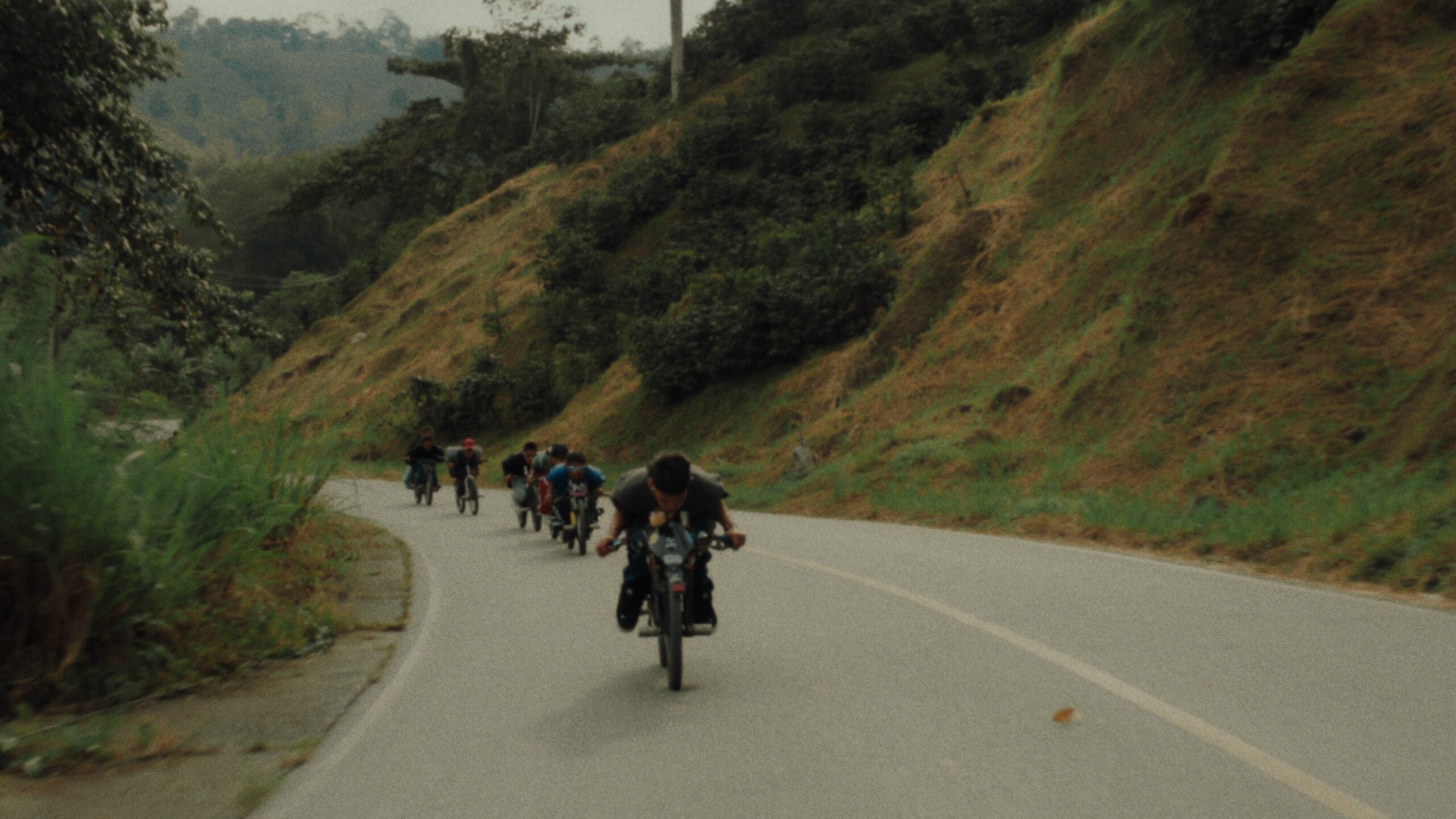
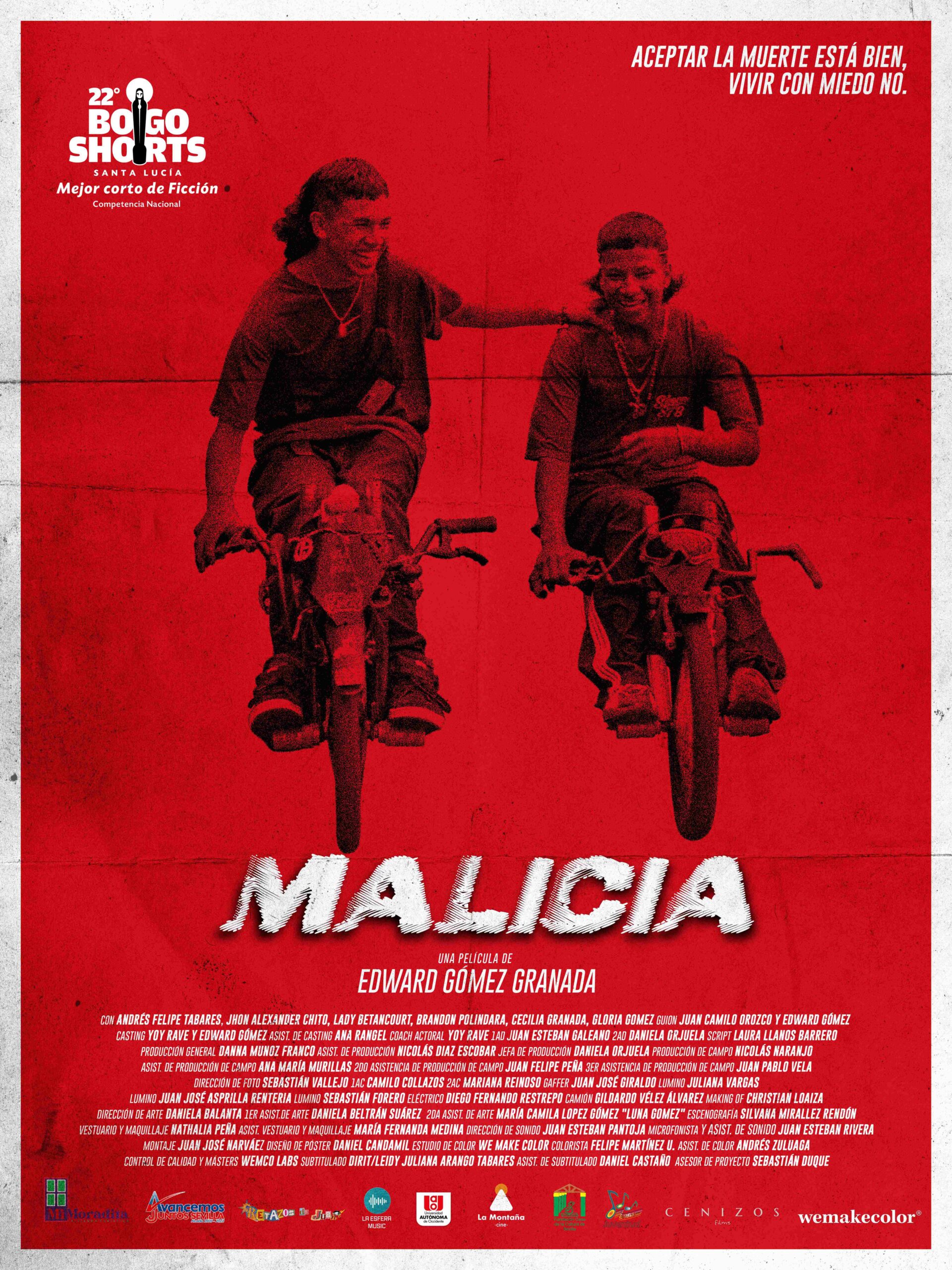
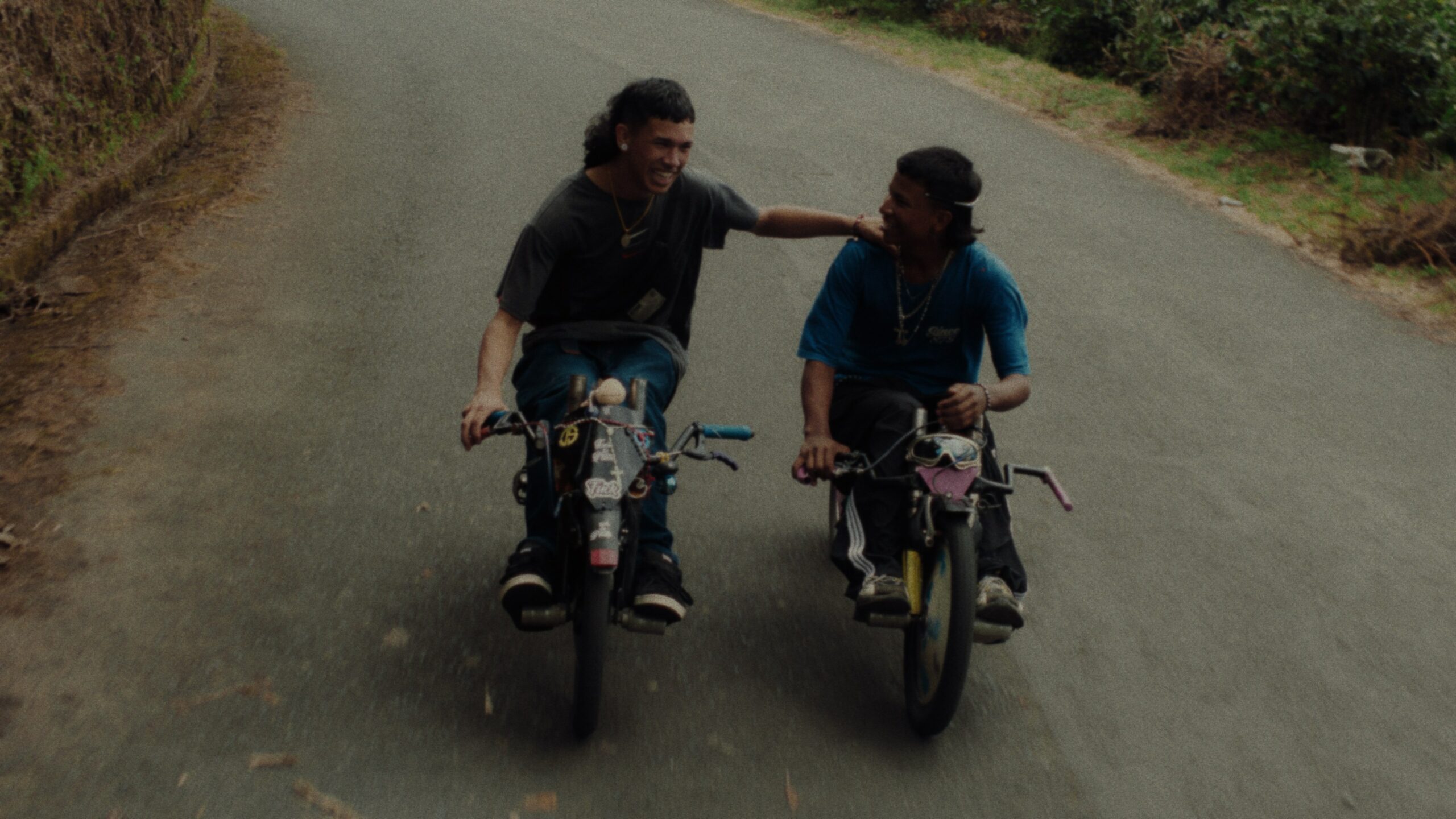
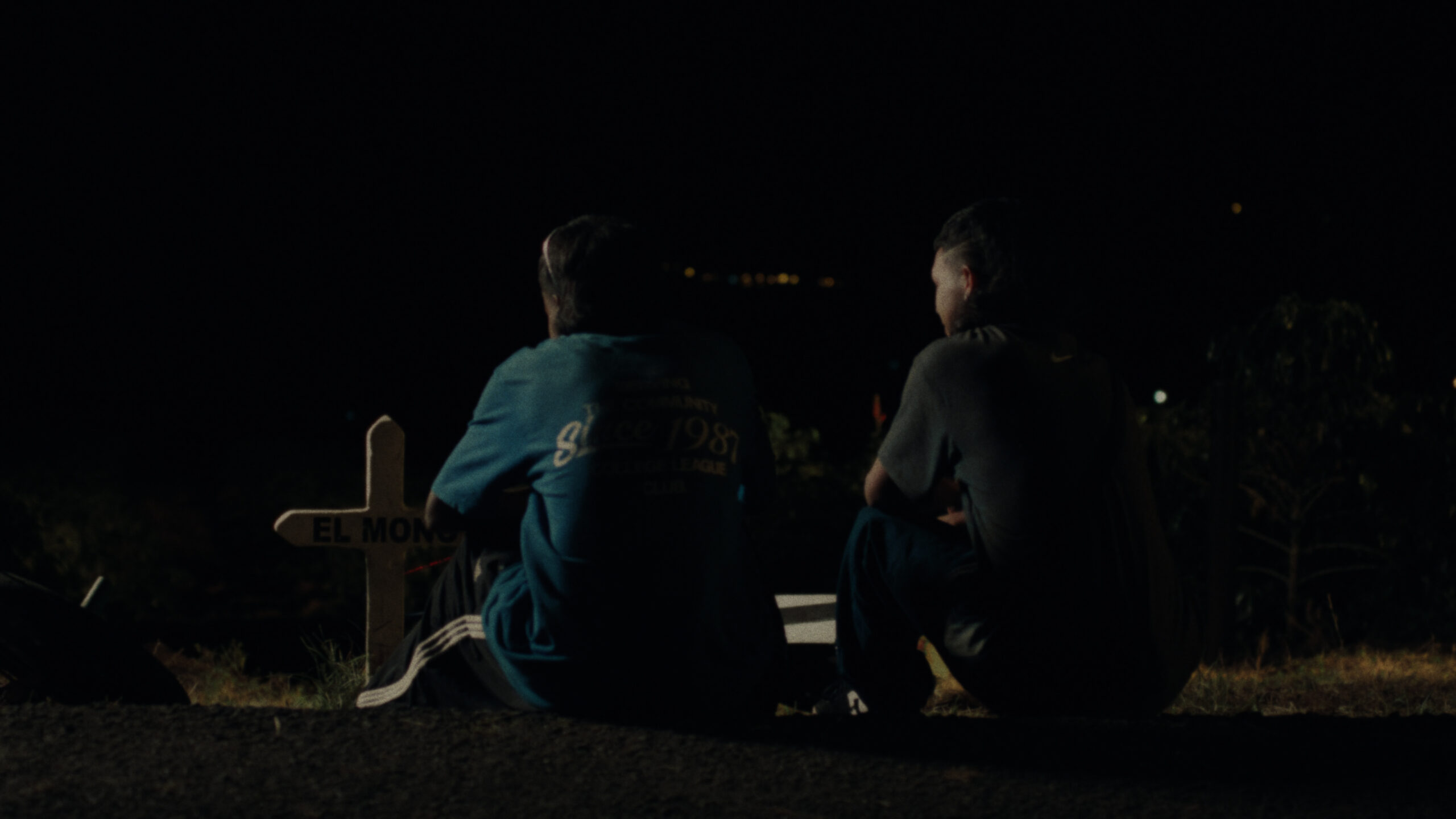
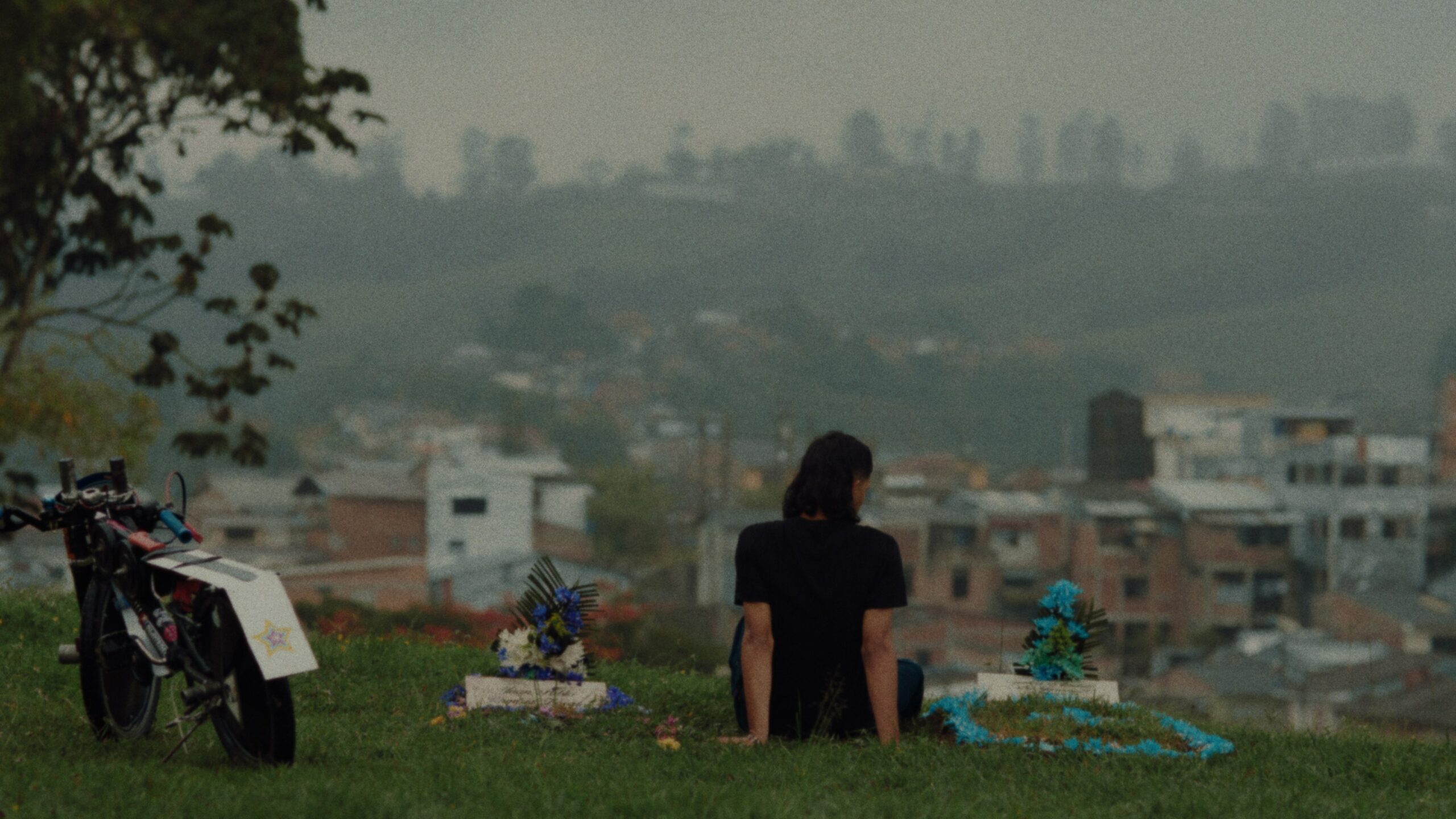
    Malicia and Chinga, living surrounded by violence, want to recover their friend El Mono’s bike to honor the anniversary of his passing.

    Malicia y Chinga, viven rodeados de violencia y quieren recuperar la bicicleta de su amigo El Mono para honrar el aniversario de su partida.

    • Short Synopsis / Sinopsis Corta:

    Malicia and Chinga, two gravity biker friends, get together to commemorate one year since the death of El Mono. Chinga is without a bicycle because the police confiscated it and Malicia is willing to do anything to get him one to commemorate his friend. However, they get caught up in the violence never lacking in the town’s streets.

    Malicia y Chinga, dos amigos graviteros, se reúnen para conmemorar un año de la muerte del Mono. Sin embargo, uno de ellos pierde su bicicleta y para recuperarla se ven envueltos en la violencia que nunca
    falta en las calles del barrio.

    • Synopsis / Sinopsis:

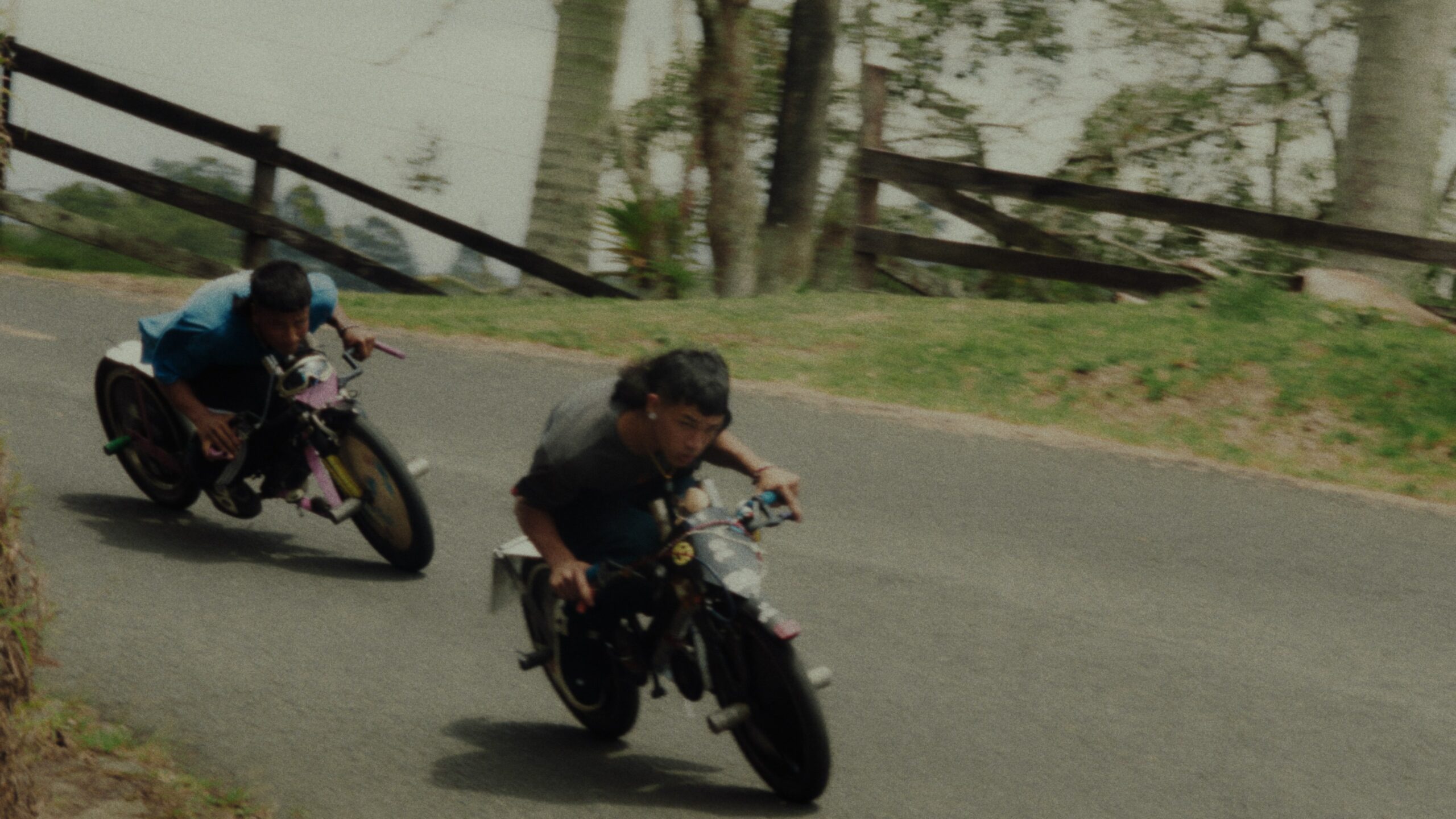
    Malicia and Chinga, two downhill bikers, reunite to remember their best friend, El Mono, who passed away a year ago. In a neighborhood where growing up means learning to survive, Chinga has his bike stolen, and Malicia is willing to do anything to get it back. The violence in the streets never stops, and while danger follows them, they are forced to play at being adults before their time.

    Malicia y Chinga, dos amigos graviteros (expertos descolgando por lomas empinadas en bicicleta a gran velocidad), se juntan para recordar a su mejor amigo, El Mono, muerto hace un año. En un barrio donde crecer significa aprender a sobrevivir, a Chinga le quitan su bici, y Malicia, está dispuesto a todo para recuperarla. La violencia en las calles no para, y mientras el peligro los persigue, ellos se ven obligados a
    jugar a ser adultos antes de tiempo.

    • Director´s Biography / Biografía del Director:

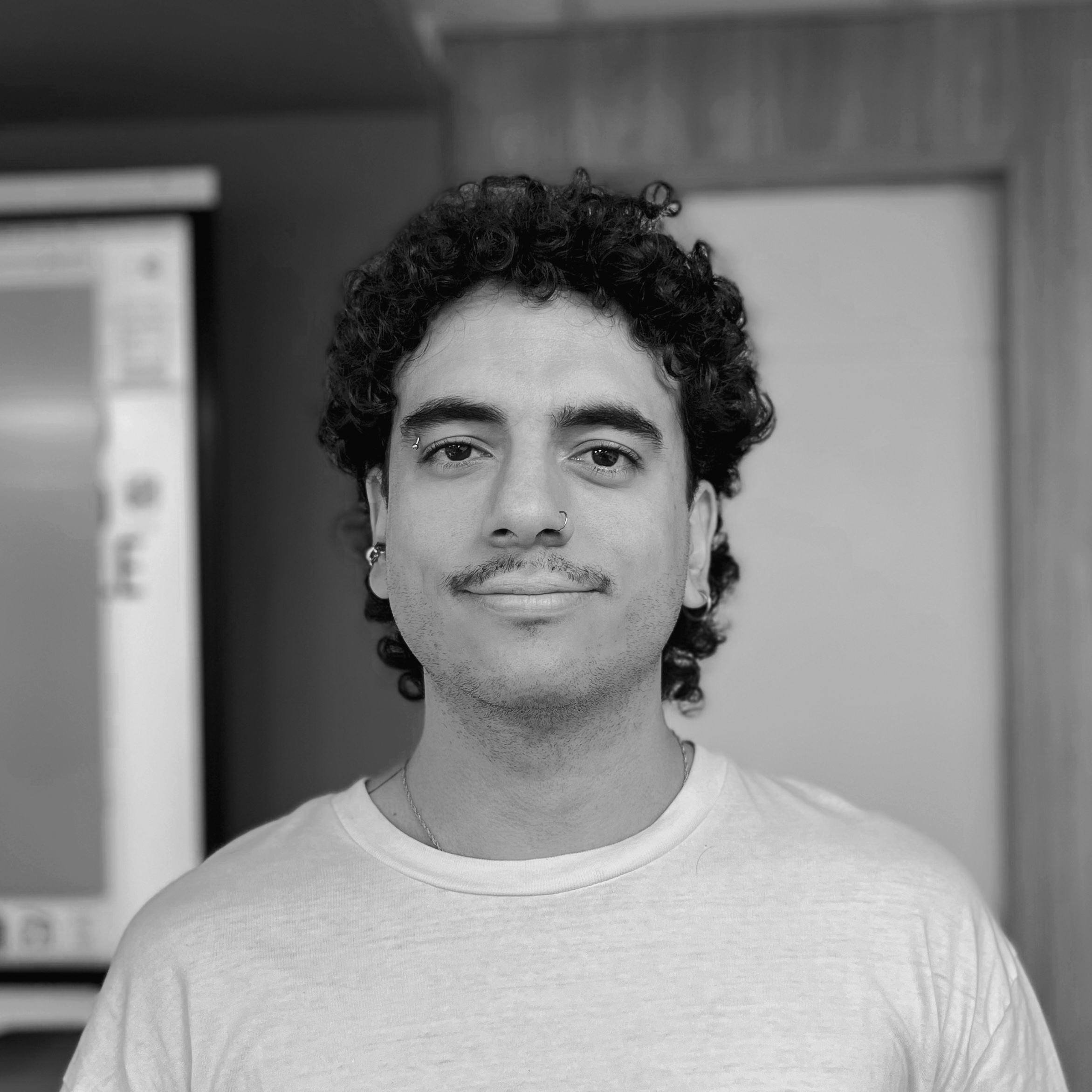
    EDWARD GÓMEZ GRANADA

    Director, scriptwriter, editor, and founder of the La Montaña Cine production company. Lover of stories, cumbia, pun,k, and self-proclaimed «militant of tenderness». He has written and directed video clips for various bands in Colombia. «Malicia» is his thesis. Lives in Cali (Colombia) but is originally from the small town of Sevilla.

    Profesional en cine y comunicación digital, nacido y criado en Sevilla, Valle del Cauca, pero actualmente reside en Cali. Amante de las historias, la cumbia, el punk y auto-declarado «militante de la ternura». Es Director, guionista, montajista y fundador de la productora cinematográfica La Montaña Cine. Ha escrito y dirigido videoclips para diferentes bandas de Colombia. «Malicia» es su tesis de graduación.

    • Director’s Statement / Declaraciones del Director:

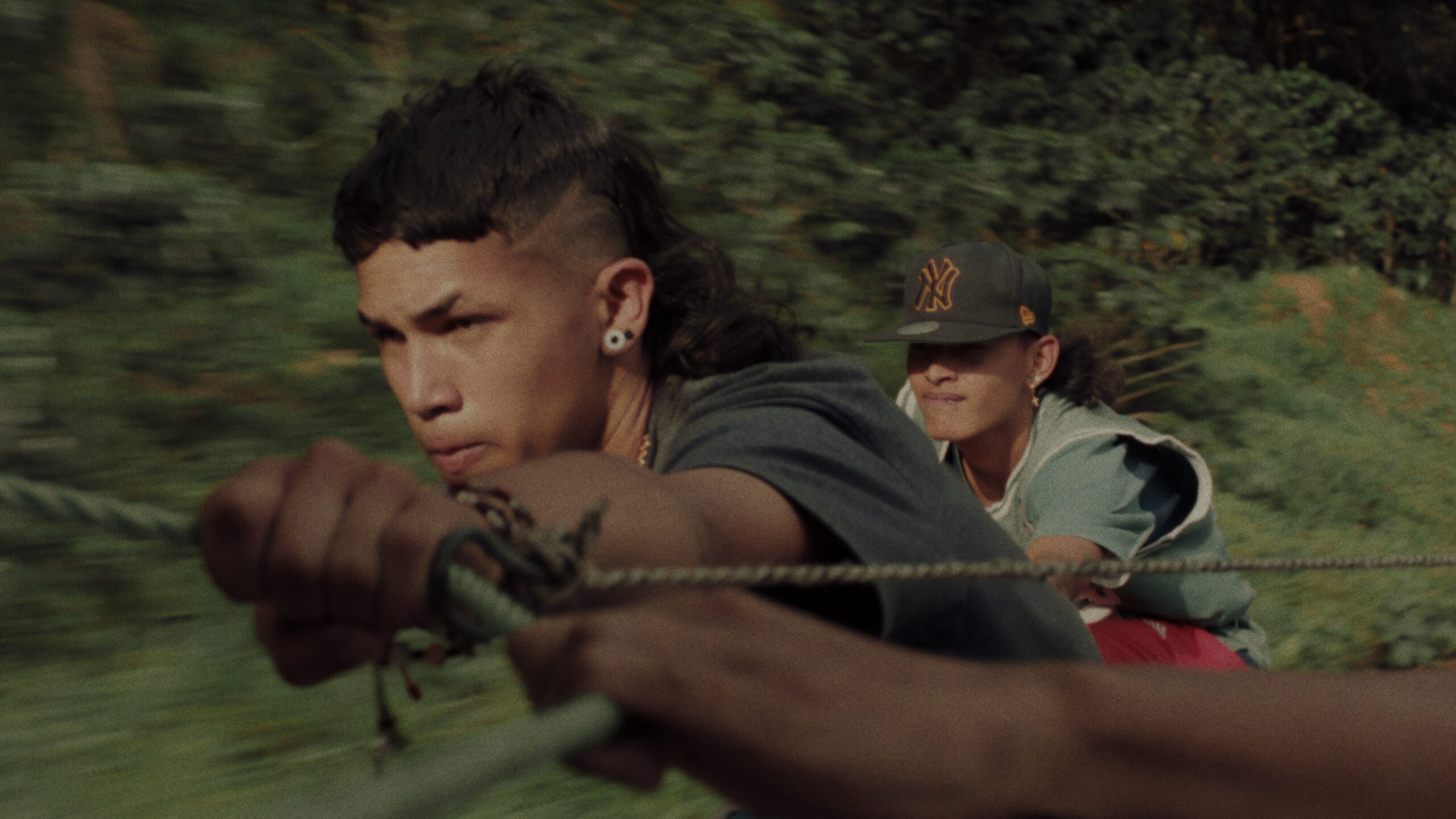
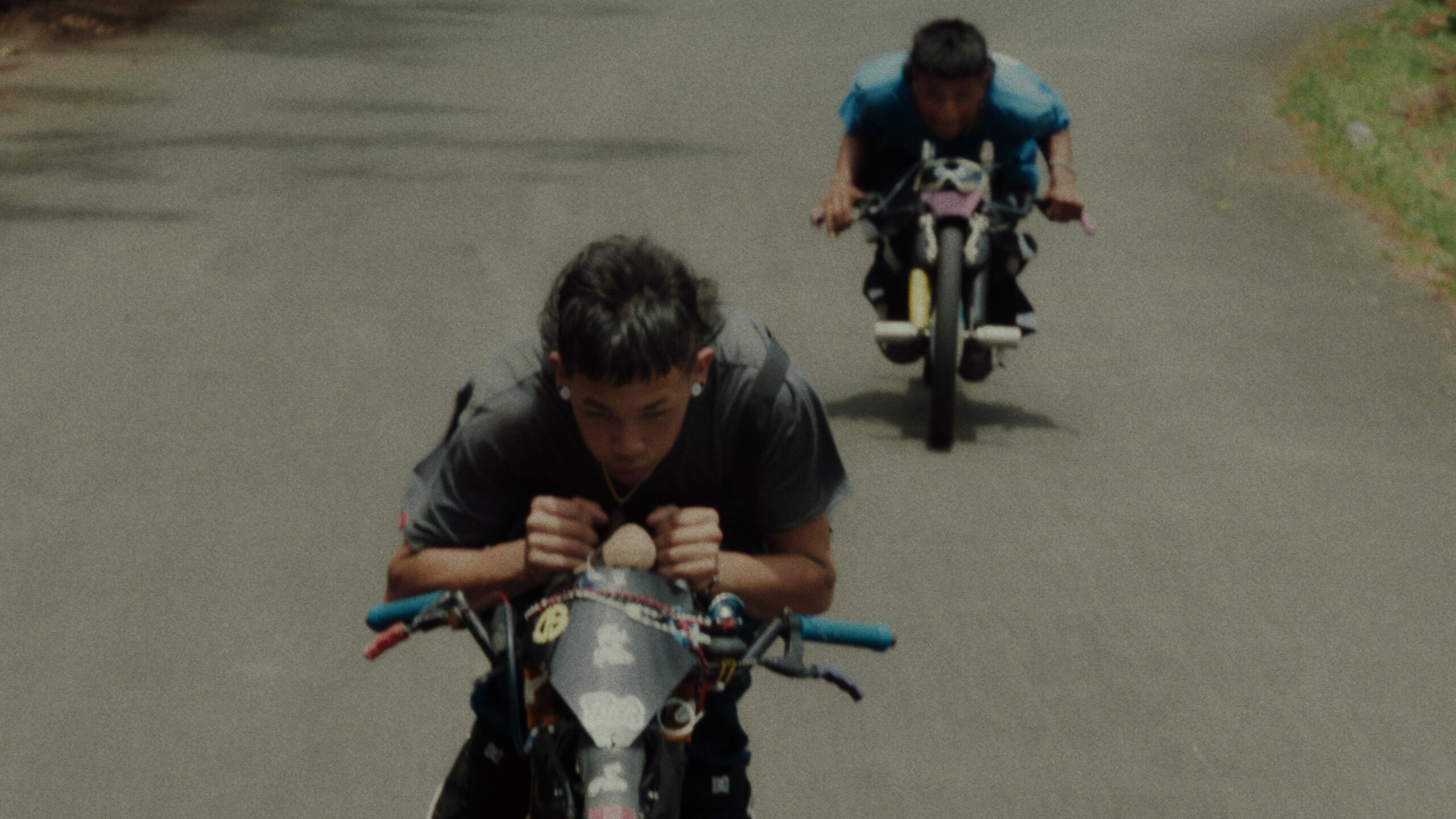
    A while ago, my dad and I took a trip in the car. As he drove, I looked out the window. We weren’t going very fast, everything was quiet, and the road was lonely. Suddenly, my father had to make an abrupt maneuver that brought me back to earth. I didn’t understand what was happening. Looking ahead, I saw them for the first time. There they were, fast and agile. Some wore elbow and knee pads, others were shirtless, and most wore hats and goggles. But they all had one thing in common, they looked alive… really alive. The bikes they rode were not normal. They were modified, lower than all the others, with strange directions and even added weights. As I watched in fascination, a comment from my father broke the spell. He said that two people had been killed right over there. Questions began to pop into my head: Who were they? What were they doing? Why did they do it? A short time later, I discovered that what they were doing was called gravity biking, a sport that involves riding modified bicycles down steep slopes at high speeds. From that moment on, I was fascinated by the universe and the people surrounding this practice. Young people from poor neighborhoods face life as they face these streets: at full speed, without stopping for a second. That’s how Malicia, the protagonist of this movie, was born. He is a character who lives so close to death that he has completely normalized it. But Malicia is not alone; his friends are not unlike him. Every afternoon, they meet at the highest mountain to start their descent, not knowing what fate awaits them at the end of their journey. Although this short film has a tragic tone, it is an ode to life. It is a plea to live without fear and a celebration of friendship. Malicia is a good boy, he grew up adapting to the dynamics of the streets, and he knows how to survive amid violence and hardship, like so many Colombians who face adversity every day. But he is willing to do anything for his friends. Together with his partner Chinga, he embarks on a journey to commemorate the anniversary of Mono’s death, unaware that death is also following them. For Malicia, doing gravity means walking on the edge of death, because being on the edge makes him feel alive. It is his way of celebrating friendship, and in that sense, Malicia and I are not so different. I also found what makes me feel alive: making movies.

    Hace un tiempo, mi papá y yo íbamos de viaje en el carro. Mientras él conducía, yo miraba por la ventana. No íbamos muy rápido; todo estaba tranquilo, y la carretera estaba sola. De pronto, mi papá tuvo que hacer una maniobra abrupta que me devolvió a la tierra. No entendía qué había pasado. Cuando miré al frente, los vi por primera vez. Allí estaban, veloces y ágiles. Algunos llevaban protectores de codos y rodillas, otros iban sin camisa, la mayoría usaba gorras y gafas. Pero todos compartían algo en común, se veían vivos… vivos de verdad. Las bicicletas en las que iban no eran normales. Estaban modificadas, eran más bajas que cualquier otra, con direcciones extrañas e incluso pesas añadidas. Mientras yo los observaba fascinado, un comentario de mi papá rompió el hechizo. Dijo que, en esos días, se habían matado dos por ahí mismo. En mi cabeza comenzaron a surgir preguntas: ¿Quiénes eran? ¿Qué hacían? ¿Por qué lo hacían? Poco tiempo después, descubrí que lo que hacían se llama gravity bike, un deporte que consiste en descender a altas velocidades por pendientes empinadas en bicicletas modificadas. Desde ese momento me fascinó el universo y las personas que rodean esta práctica. Jóvenes de barrios populares que enfrentan la vida como enfrentan esas carreteras: a toda velocidad, sin detenerse ni un segundo. De ahí nació Malicia, el protagonista de esta película. Es un personaje que vive tan cerca de la muerte que la ha normalizado por completo. Pero Malicia no está solo; sus amigos no son muy diferentes a él. Cada tarde se encuentran en la montaña más alta para lanzarse por la loma, sin saber qué destino les espera al final del recorrido. Aunque este cortometraje tiene un tono trágico, en realidad es una oda a la vida. Es una apuesta por vivir sin miedo y una celebración de la amistad. Malicia es un buen muchacho, creció adaptándose a las dinámicas de la calle, sabe sobrevivir en medio de la violencia y la necesidad, como tantos colombianos que enfrentan día a día la adversidad. Sin embargo, está dispuesto a hacer lo que sea por sus amigos. Junto a su compañero Chinga, se embarca en una travesía para conmemorar el aniversario de la muerte del Mono, sin saber que la muerte también los está acechando. Para Malicia, hacer gravity significa caminar al filo de la muerte, porque estar al borde lo hace sentirse vivo. Es su forma de celebrar la amistad, y en ese sentido, Malicia y yo no somos tan distintos. Yo también encontré aquello que me hace sentir vivo: hacer cine.

    • Overview / Ficha técnica:

    Script / Guión: Edward Gómez Granada, Juan Camilo Orozco

    Producer / Productor: Danna Muñoz Franco, Edward Gómez Granada

    Director / Director: Edward Gómez Granada

    Cinematography: Sebastián Vallejo

    Art Director / Dirección de Arte: Daniela Balanta

    Wardrove / Vestuario: Nathalia Peña

    Sound / Sonido Directo: Juan Esteban Pantoja

    Film Editor / Montaje: Juan José Narváez

    Sound design / Diseño de sonido: Juan Esteban Pantoja

    Original Music / Música Original: Yoy Rave

    Cast / Elenco: Andrés Felipe Tabares, Jhon Alexander Chito

    • Festivals and Awards / Festivales, Premios y Nominaciones:

    – 22 Bogoshort, Bogota Int’l Short Film Festival (Best Shor Film); 12/2024; Colombia

    – 40 FICG, Guadalajara Int’l Film Festival; 06/2025; Mexico

    – 20° SHORTS MEXICO, Int’l Short Film Festival (Best Short Film); 09/2025; Mexico

    – 27 FestCurtasBH, Belo Horizonte International Short Film Festival; 10/2025; Brazil

    – 39 Leeds International Film Festival; 10/2025; UK

    – 17° FICCALI, Cali Int’l Film Festival (Best Short Film); 10/2025; Colombia

    – 41 Interfilm, Berlin Int’l Short Film Festival; 11/2025; Germany

    – 48° Poitiers Film Festival; 11/2025; France

    – 27 YOUKI, International Youth Media Festival; 11/2025; Austria

    – 18° KUKI Young Short Film Festival Berlin; 11/2025; Germany

    – 24° PRIMEIRO PLANO Film Festival (Best Sound Design); 11/2025; Brazil

    – 39° STUTTGARTER FILMWINTER, Festival for Expanded Media; 01/2026; Germany

    – 38° CINÉLATINO, Toulouse Latin American Film Festival; 03/2026; France

    – 19° NFFTY, Film Festival for Talented Youth (Audience Award); 03/2026; US

    – 33° St Anna Award: student & debut films (Best Short Film); 04/2026; Russia

    – 28° Mecal Pro, Barcelona International Short & Animation Festival; 05/2026; Spain

    • Links:

    Trailer: https://vimeo.com/1106312970

    Social Networks:

    https://instagram/el__edd

    https://www.instagram.com/lamontanacine

    https://www.instagram.com/dannamufra

    http://instagram.com/films.to.festivals

    http://facebook.com/films2festivals

    http://twitter.com/films2festivals

  • Mi Demonio

    Mi Demonio

    My Demon

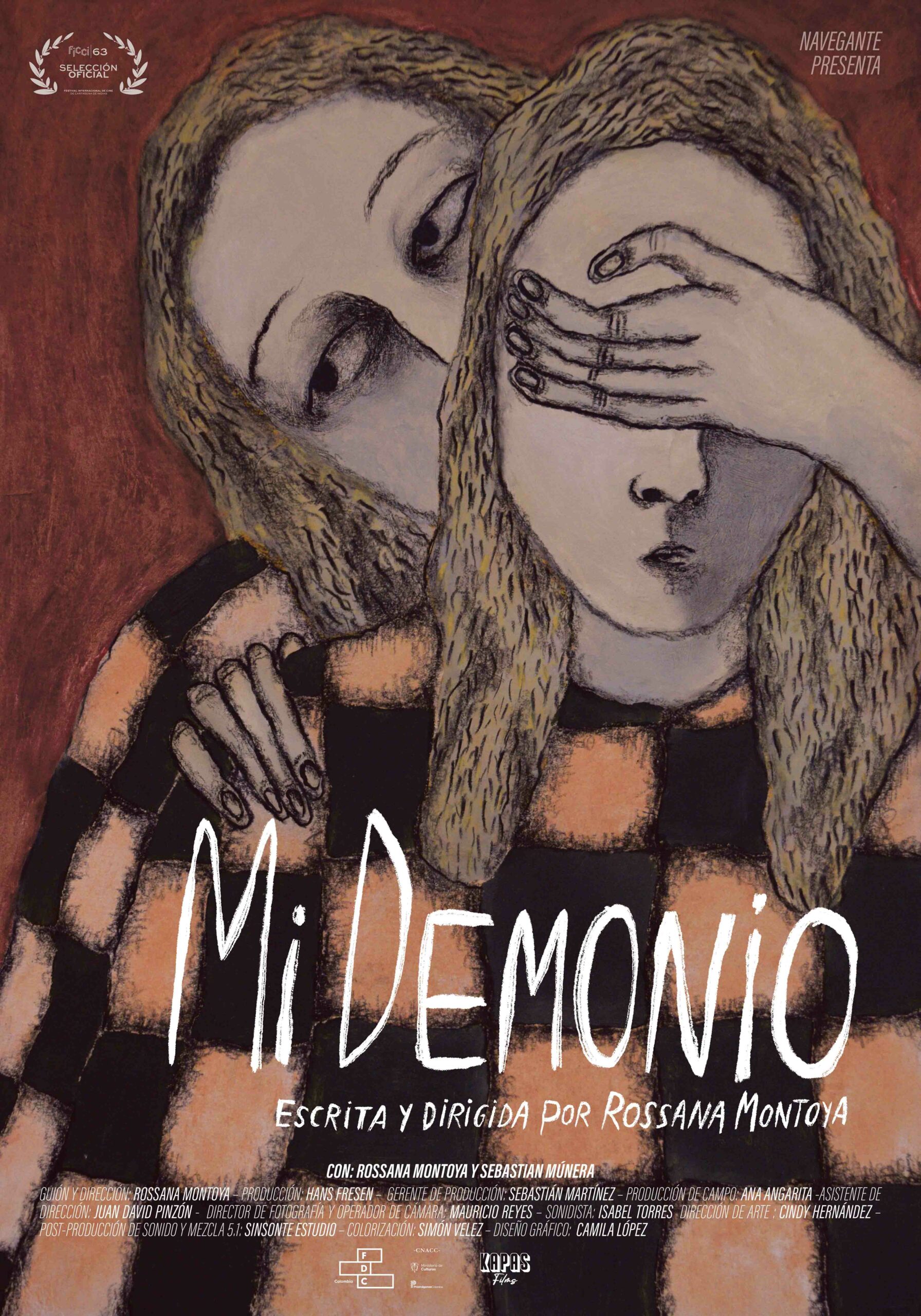
    • Technical Info / Información Técnica:

    (2024) / 00:17:00 / Colombia: Bogoptá / Fiction Short Film: DRAMA – Relationship, crisis, Childbirth, Pain, Couple, Absence, Millenials, love story / Color / 24 FPS / 1.85:1 / 5.1 / Arri Alexa Mini 4K

    • Logline:

    A tale of love, conflict, and impending parenthood unfolds as Eva and Jacobo confront their relationship’s tumultuous past while racing to the hospital for the imminent birth of their first child, to face a labor experience that tests their bond to its limits.

    Una historia de amor, conflicto y la inminente paternidad se desarrolla mientras Eva y Jacobo enfrentan el tumultuoso pasado de su relación mientras corren al hospital para el inminente nacimiento de su primer hijo.

    • Short Synopsis / Sinopsis Corta:

    Eva and Jacobo are on their way to the hospital to have their first baby; the birth is imminent. The couple is in a strong dispute because Jacobo has been absent for days. Eva reproaches him for his disappearance amidst increasingly frequent contractions. Jacobo drives at full speed with anger and anxiety.

    Eva y Jacobo van camino al hospital a tener su primer bebé, el parto es inminente. La pareja tiene una fuerte disputa porque Jacobo lleva días ausente. Eva le reprocha su desaparición en medio de contracciones cada vez más seguidas. Jacobo conduce a toda velocidad en medio de la ira y ansiedad.

    • Synopsis / Sinopsis:

    Eva and Jacobo are on their way to the hospital to have their first baby; the birth is imminent. The couple is in a strong dispute because Jacobo has been absent for days. Eva reproaches him for his disappearance amidst increasingly frequent contractions. Jacobo drives at full speed with anger and anxiety. Jacobo apologizes to Eva before entering the hospital. She, resigned, hugs him.

    Eva y Jacobo van camino al hospital a tener su primer bebé, el parto es inminente. La pareja tiene una fuerte disputa porque Jacobo lleva días ausente. Eva le reprocha su desaparición en medio de contracciones cada vez más seguidas. Jacobo conduce a toda velocidad en medio de la ira y ansiedad. Jacobo recapacita antes de entrar al hospital y le pide disculpas a Eva. Ella resignada lo abraza.

    • Director´s Biography / Biografía del Director:

    ROSSANA MONTOYA

    Born in 1991, in Bogotá, Rossana Montoya studied Anthropology at the University of Brasilia (Brazil) before moving to France to study theater at the International School of Corporeal Mime Drama in Paris. In 2022 she directed and starred in the short film ARENA which has been screened at various film festivals around the world such as the London SFF, Bogoshorts, NY Colombian Film Festival, and Porto Femme. In 2022, she won a short film production grant from the FDC in Colombia with her second short film MI DEMONIO.

    Nacida en Bogotá en 1991, Rossana Montoya estudió Antropología en la Universidad de Brasilia para luego irse a Francia a estudiar teatro en La Escuela Internacional de Mimo Corporal Dramático de París. Dirigió y protagonizó el cortometraje “Arena” (2022), el cual ha sido proyectado en diversos festivales de cine alrededor del mundo tales como: London SFF, Bogoshorts, NY Colombian Film Festival, Porto Femme. En 2022 ganó el estímulo de producción de cortometraje del FDC en Colombia con su segundo cortometraje “Mi Demonio”.

    • Director’s Statement Declaraciones del Director:

    In MY DEMON my erratic way of expressing my fears is drawn. I find it particularly interesting how the more people want something, the more that desire keeps them from their goal. It is a short film about the choices we make, their consequences, and the ways life finds to make us fight our demons. It is a journey with an important dramatic charge. It seems essential to me to convey the pain and tension inside that bubble, inside that car that must look like it’s about to burst. Frustration is a feeling that has to burn the actors inside to compose the piece. I like the idea of seeing the script as an unpainted drawing. The actors must put color and shadow through the written situation. I am going to play Eva because I feel an intense desire to get rid of that character that lives in me and I feel that only by acting it can be expelled. Filling the script with stories from our own lives, with vivid moments from rehearsals and from each one’s daily life can give the story a sensitive life, a powerful rhythm, and an identification that allows us to radiate all that emotional disorder. Although there is a will to portray reality in a raw and dry way, I also find it exquisite to work with fiction and sound to give life to the image. There will be no extradiegetic music but the sound environment of the city, the traffic, the sounds of the car, the agitation, and the moans of the contractions must make a portrait of the inner world of the characters and of that contention that must explode at the end. By filming this short film I will confront the deep fear I have of abandonment, the questions that arise in me about motherhood and life as a couple, about that strange and determining institution that is the family. In filming MY DEMON I will try above all, through fiction, to forgive my son’s father and, in a way, also my own.

    En MI DEMONIO se dibuja mi forma errática de expresar mis temores. Encuentro particularmente interesante cómo entre más las personas quieren algo, más ese deseo termina alejándolos de su objetivo. Es un corto sobre las decisiones que tomamos, sus consecuencias y las formas que la vida encuentra para hacernos combatir nuestros demonios. Es un viaje de una carga dramática importante. Me parece indispensable poder transmitir el dolor y la tensión dentro de esa burbuja, dentro de ese carro que debe parecer que está a punto de estallar. La frustración es un sentimiento que tiene que quemar a los actores por dentro para poder componer la pieza. Me gusta la idea de ver el guion como un dibujo sin pintar. Los actores deben ponerle color y sombra a través de la situación escrita. Yo voy a interpretar a Eva porque siento el intenso deseo de deshacerme de ese personaje que habita en mí y que siento que solo actuándolo podrá́ ser expulsado. Llenar el guion con historias de nuestras propias vidas, con momentos vivos de los ensayos y de la cotidianidad de cada uno puede darle una vida sensible a la historia, un ritmo poderoso y una identificación que nos permita irradiar todo ese desorden emocional. Si bien hay una voluntad de retratar la realidad de manera cruda y seca, también me parece exquisito trabajar con la ficción desde lo estético. El sonido debe entonces darle vida a la imagen. No habrá́ música extradiegética pero el ambiente sonoro de la ciudad, del tráfico, los sonidos del carro, la agitación, los gemidos de las contracciones deben hacer un retrato del mundo interno de los personajes y de esa contención que debe estallar al final. Filmando este corto me enfrentaré al profundo miedo que le tengo a abandono, a las preguntas que me surgen sobre la maternidad y sobre la vida en pareja, sobre esa institución extraña y determinante que es la familia. Al filmar MI DEMONIO intentaré sobre todo, a través de la ficción, perdonar al papá de mi hijo y de alguna forma, también al mío.

    • Overview / Ficha técnica:

    Script / Guión: Rossana Montoya

    Producer / Producción: Hans Fresen

    Director / Director: Rossana Montoya

    Director Assistant / Asistente de Dirección: Juan David Pinzón

    Cinematography & Camera / DF & Cámara: Mauricio Reyes

    Art Director / Dir. de Arte: Cindy Hernández

    Sound / Sonido Directo: Isabel Torres

    Film Editor / Edición: Hans Fresen

    Sound design / Diseño de sonido: Juan Pablo Hormiga, Eloísa Arcila Fernández

    Cast / Intérpretes: Rossana Montoya, Sebastián Múnera, Aura Velandia, Laura Fresen

    • Festivals and Awards / Festivales, Premios y Nominaciones:

    – 63 FICCI, Cartagena de Indias International Film Festival; 04/2024; Colombia

    – 18 Villa de Leyva Int’l Film Festival (Special Mention); 11/2024; Colombia

    – 16 FIC Cali, Cali Int’l Film Festival (Special Mention); 11/2024; Colombia

    – 22 Bogoshorts ISFF; 12/2024; Colombia

    – 42 Busan International Short Film Festival; 04/2025; South Korea

    – 53 Huesca International Film Festival; 06/2025; Spain

    – 27 Mecal Pro, the Barcelona International Short & Animation Festival; 06/2025; Spain

    • Links:

    Trailer: https://vimeo.com/922918021

    Social Network:

    https://instagram.com/rossanamontoyam

    https://instagram.com/hansfresen66

    https://instagram.com/navegantecine

    https://instagram.com/films.to.festivals

    https://facebook.com/films2festivals

    http://twitter.com/films2festivals   

    • Contact / Contacto:

    Gisela Chicolino

    FilmsToFestivals Distribution Agency
    info@filmstofestivals.com

  • Uli

    Uli

    • Technical Info / Información Técnica:

    (2023) / 00:16:39 / Colombia / Fiction Short Film: Coming Of Age, Children & Teen, Grow Up, Diversity, LGBTIQ+, Women Director / 1:1 / Color / 4K / 5.1 / 24 FPS / SonyFS7ll 

    • Logline:

    Rafaela accompanies her old sister to visit Alex, the boy she likes, but they leave Rafa alone Isolated but free, explores this new place, where she will have a unique encounter with Uli, a queer girl, and her pet.

    Rafaela, una niña curiosa, acompaña a su hermana mayor a visitar a Alex, el chico que le gusta. Pero Alex y Laura se encierran en un cuarto y la dejan sola. Aislada, pero en libertad Rafaela recorre la casa, donde tendrá un particular encuentro con Uli, una chica queer y su mascota.

    • Short Synopsis / Sinopsis Corta:

    Rafaela, a curious girl, accompanies her older sister to visit Alex, the boy she likes. However, Alex and Laura lock themselves in a room, leaving her alone. Isolated but free, Rafaela explores this new space, where she will have a unique encounter with Uli, a queer girl, and her pet.

    Rafaela, una niña curiosa, acompaña a su hermana mayor a visitar a Alex, el chico que le gusta. Pero Alex y Laura se encierran en un cuarto y la dejan sola. Aislada, pero en libertad Rafaela recorre este espacio nuevo, donde tendrá un particular encuentro con Uli, una chica queer y su mascota.

    • Synopsis / Sinopsis:

    While their parents are away, Rafaela (8) stays home under the care of her sister, Laura (15), who decides to go visit Alex (15), the boy she likes, and has no choice but to bring Rafaela along. At the boy’s house, Laura and Julian lock themselves in, leaving Rafaela alone. In the midst of waiting and boredom, Rafaela starts to explore the house, embarking on a drift marked by strangeness, youthful excitement, and the possibility of finding freedom in an unfamiliar place.

    Mientras sus padres no están, Rafaela (8) se queda en casa bajo el cuidado de Laura (15) su hermana, quien decide salir a visitar a Alex (15) el chico que le gusta y no le queda más remedio que llevar a Rafaela consigo. En casa del chico, Laura y Julián se encierran y Rafaela se queda sola. En medio de la espera y el tedio Rafaela comienza a recorrer la casa en una deriva marcada por la extrañeza, la efervescencia juvenil y la posibilidad de encontrarse en libertad en un lugar desconocido.

    • Director´s Biography / Biografía del Director:

    MARIANA GIL RÍOS

    Colombiana

    https://cargocollective.com/marianagilrios/

    Director, visual artist. Participated in TalentsBA 2015. Casting director for Los Enemigos and script consultant for Los Días de la Ballena. Her first short film, ULI, won the FDC and will premiere at Bogoshorts in 2023. Her first feature film, Otro Jardín, in development, received the Filmed 2018 writing grant, FDC Writing Grant 2018, FDC Development Grant 2022, Fundación Carolina 2022, and was selected at BAM Stories 2023.

    Directora, artista visual. Participó del TalentsBA 2015. Directora de casting de “Los Enemigos” y asesora de guión de “Los Días de la Ballena”. Su primer corto ULI, gana el FDC y estrenará en Bogoshorts en 2023. “Otro Jardín” su primer largo en desarrollo ganó el estímulo de escritura Filmed 2018, FDC de escritura 2018, FDC para desarrollo 2022, Fundación Carolina 2022 y estuvo en BAM Stories 2023.

    • Director’s Statement / Declaraciones del Director:

    ULI is a project that addresses the transformations between childhood and adolescence. Each character is at a specific moment in this transition, with their unique ways of being and desires. This story takes place on a hot day in Medellín. It’s about an interruption in the daily lives of Rafaela and her sister, who, without parental supervision, during a vacation-like heat, allow for a certain looseness and playfulness with their bodies. With this short film, I wanted to speak with freshness, simplicity, and from the universality of the small, about topics that deeply touch me and interest me: family bonds, especially between siblings, the difficulty of forming horizontal relationships when one is younger or «weaker,» and the discovery of the body in a repressed and oppressive society. Instead of directly representing a prudish and violent society, we imagined a special zone where one can briefly escape from a vertical system and build new ways of connecting, outside the power dynamics.

    ULI es un proyecto que aborda las metamorfosis que ocurren entre la niñez y la adolescencia. Cada uno de los personajes se encuentra en un momento específico de ese tránsito, con sus maneras de ser y deseos singulares. Esta historia sucede en un día caluroso en Medellín. Se trata de una interrupción en la cotidianidad de Rafaela y su hermana que sin la vigilancia de los padres, en medio de un calor con tintes vacacionales, permite el despliegue de cierta laxitud y desparpajo con el cuerpo. Con este cortometraje quería hablar con frescura, sencillez y desde la universalidad de lo pequeño, de temas que me tocan y me interesan profundamente: los vínculos familiares, en especial entre hermanxs, la dificultad de entablar relaciones horizontales cuando se es menor o  más “débil”, el descubrimiento del cuerpo en una sociedad reprimida y represora. En lugar de representar frontalmente a una sociedad pacata y violenta, optamos por imaginar una zona especial donde se puede escapar por un momento de un sistema vertical y construir nuevas formas de vincularse, al margen de las relaciones de poder.

    • Overview / Ficha técnica:

    Script / Guión: Mariana Gil Ríos

    Producer / Producción: Daniela Echeverri, Juan Pablo Castrillón

    Director / Director: Mariana Gil Ríos

    DoP / Dirección de Fotografía: David Correa Franco

    Art Director: Juanita Salamanca

    Wardrove / Vestuario: Susana Valencia Upegui

    Make-up / Maquillaje: Mariana Correa

    Sound / Sonido Directo: Deimer Quintero Vertel

    Film Editor / Edición: Juan Cañola

    Sound design / Diseño de sonido: Deimer Quintero Vertel

    Cast / Elenco: Uilith Giraldo, María Camila Alarcón, Amelia Mejía Escobar, Emanuel Vélez Hernández

    • Festivals and Awards / Festivales, Premios y Nominaciones:

    – 21 BOGOSHORTS, Bogota International Short Film Festival; 12/2023; Colombia

    – 74 Berlinale International Film Festival (Special Mention); 02/2024; Germany

    – 63 FICCI, Cartagena International Film Festival; 04/2024; Colombia

    – 7 Porto Femme (Best Short Film), IFF; 04/2024; Portugal

    – 21 Vienna Shorts, ISFF; 05/2024; Austria

    – 26 Mo&Friese, Young Short Film Festival; 06/2024; Germany

    – 7 Al Este Film Festival; 06/2024; Colombia

    – 26 Mecal Pro, Barcelona Short Film Festival; 06/2024; Spain

    • Links:

    Trailer: https://vimeo.com/876249372

    Social Network:

    https://instagram.com/ninja____mar

    https://www.instagram.com/echeverriidarraga

    https://www.instagram.com/juanhablo

    https://www.instagram.com/movimientocine

    https://instagram.com/films.to.festivals

    https://facebook.com/films2festivals

    www.twitter.com/films2festivals

    • Contact / Contacto:

    Gisela Chicolino

    FilmsToFestivals Distribution Agency
    info@filmstofestivals.com

  • Unless we dance

    Unless we dance

    A Menos Que Bailemos

    • Technical Info / Información Técnica:

    (2023) / 00:14:34 / ratio 2.35:1 / COLOR / Cámara Sony A7s3 / 24 FPS / NTSC / Quibdó, Colombia / Documentary Short Film: Social Issues, Dance, LGBT+, protest, redemption, rescue, resilience

    • Tagline:

    Everything is darkness… unless we dance.

    Todo es oscuridad… a menos que bailemos.

    • Logline:

    Bonays, Colacho, Mafalda, and Rihanna cling to dance to confront the structural violence that exists in Quibdó, a city with the highest homicide rates in Colombia.

    Bonays, Colacho, Mafalda y Rihanna se aferran a la danza para enfrentar la violencia estructural que se vive en Quibdó, una ciudad con los más altos índices de homicidios en Colombia.

    • Short Synopsis / Sinopsis Corta:

    In Quibdó, a city with the highest homicide rates in Colombia, Jonathan and hundreds of young people come together through dance to face the brutal fate of violence. UNLESS WE DANCE is a tribute to their act of resilience and to all the lives that have been lost along the way.

    En Quibdó, una ciudad con los más altos índices de homicidios en Colombia, Jonathan y cientos de jóvenes se unen a través del baile para enfrentar el brutal destino de la violencia. UNLESS WE DANCE es un homenaje a su grito de resiliencia y a todas las vidas que se han perdido en el camino.

    • Synopsis / Sinopsis:

    Jonathan (Bonays), an Afro dance teacher, undertakes an initiative to rescue young people from the crime that stalks Quibdó, a city with the highest homicide rates in Colombia. This is how Black Boys Chocó emerged, a dance company where hundreds of young people face brutal destinies through a passion. UNLESS WE DANCE portrays union and dance as the greatest expression of shielding the Afro people, it is a tribute to their act of resilience and to all the lives that have been lost along the way.

    Jonathan (Bonays), un profesor de danza Afro emprende una iniciativa para rescatar jóvenes de la delincuencia que acecha a Quibdó, una ciudad con los más altos índices de homicidios en Colombia. Así surge Black Boys Chocó, compañía de baile donde cientos de jóvenes enfrentan brutales destinos a través de una pasión. UNLESS WE DANCE retrata la unión y el baile como mayor expresión de blindaje del pueblo afro, es un homenaje a su grito de resiliencia y a todas las vidas que se han perdido en el camino.

    • Director´s Biography / Biografía del Director:

    HANZ RIPPE GABRIEL

    Film director and cinematographer. As co-founder of Páramo Films, he is dedicated to the production of documentaries in Latin America, highlighting the realities and social, cultural, and humanitarian issues of the region.

    Es director cine y director de fotografía. Como co-fundador de Páramo Films está dedicado a la producción de documentales latinoamericanos, destacando las realidades y problemáticas sociales, culturales y humanitarios de la región.

    FERNANDA PINEDA PALENCIA

    Graduated from the Cinematographic Research Center, Argentina. She is a photographer, director, producer, and Co-director of Páramo Films. With more than 8 years of experience in documentary, she has approached indigenous, Afro, and rural communities, telling stories in the context of the Colombian conflict and post-conflict.

    Egresada del Centro de Investigación Cinematográfica, Argentina. Es fotógrafa, directora, productora audiovisual y Codirectora de Páramo Films. Con más de 8 años de experiencia en documental. Se ha acercado a comunidades indígenas, afro y campesinas, contando historias en contexto del conflicto y posconflicto colombiano.

    • Director’s Statement / Declaraciones de la Directora:

    The film aims to reflect on how body expression can be a tool for young afro Colombian people to get out of circles of violence. We, as directors conceived an audiovisual treatment that prioritizes the testimonies of the protagonists (their dreams, their resilience, and the daily struggle they wage), in parallel with the attempt to capture the poetry inherent in their dance work (forms, movement, movements, silhouettes) and the physical description of the territory (precariousness, violence, marginality). We consider this film completely relevant to the times we are living in. As days pass by, large numbers of young lives are being lost; dancing has become the only way to survive this systematic violence. We hope that this film can raise awareness and put this issue into the international and national spotlight.

    • Overview / Ficha técnica:

    Script / Guión: Hanz Rippe Gabriele, Fernanda Pineda Palencia, Daniel Alberto Sánchez

    Producer / Productor: Fernanda Pineda Palencia

    Director / Director: Hanz Rippe Gabriele, Fernanda Pineda Palencia

    DoP / Dirección de Fotografía: Hanz Rippe Gabriele

    Camera / Cámara: Hanz Rippe Gabriele, Juan Sebastián Rincón

    Production Designer & Wardrobe / Dirección de Arte y Vestuario: Daniela Rivano

    Film Editor / Montaje: Juan Sebastián Rincón

    Sound design / Diseño de sonido: Ángel Alonso Sarmiento

    Original Music / Música Original: Colacho Exótico, Ricardo Gallo

    Cast: Bonays, Colacho, Rhianna, Mafalda 

    • Festivals, Awards and Nominations / Festivales, Premios y Nominaciones:

    – 37 BFI Flare: London LGBTQIA+ Film Festival; 03/2023; England

    – 69 Oberhausen ISFF (Best Short Film: Youth Jury Prize); 04/2023; Germany

    – 33 Inside Out 2SLGBTQ+ Film Festival; 05/2023; Canada

    – 34 São Paulo International Short Film Festival (Audience Mention); 08/2023; Brazil

    – 34 Hamburg International Queer Film Festival; 10/2023; Germany

    – Inside Out LGBTQ+ Film Festival Ottawa; 10/2023; Canada

    – 18 DocsMx, Documentary Film Festival; 10/2023; Mexico

    – 15 FIC Cali, Cali International Film Festival; 10/2023; Colombia

    – 15 SWF, Short Waves Festival (Best Short Film); 11/2023; Poland

    – 37 Braunschweig International Film Festival; 11/2023; Germany

    – 41 Ale Kino! International Young Audience Film Festival; 11/2023; Poland

    – 37 LAFITA, Lateinamerikanische Filmtage München; 11/2023; Germany

    – 21 Bogoshorts, Bogotá Short Film Festival (Audience Award); 12/2023; Colombia

    – 33 Flickerfest, International Short Film Festival; 01/2024; Australia

    – 31 Mardi Gras Film Festival; 02/2024; Australia

    – 10 See You Sound, Int. Music Film Festival; 02/2024; Italy

    – 41 BUFF, International Film Festival for Children & Young People; 03/2024; Sweden

    – 14 Ecrans Mixtes, Queer Film Festival; 03/2024; France

    – 28 Regard International Short Film Festival; 03/2024; Canada

    – 40 Wicked Queer, Boston LGBTQ+ Film Festival; 04/2024; US

    – 36 Filmfest Dresden, International Short Film Festival; 04/2023; Germany

    – 33 Curta Cinema, Rio de Janeiro ISFF; 04/2024; Brazil

    – ALT* LGBT Documentary Film Festival; 04/2024; Mexico

    – 6 Afro Cine Film Festival; 05/2024; Colombia

    – 24 Lebu International Film Festival; 05/2024; Chile

    – 11 Colombian FF in NY (Special Mention); 05/2024; US

    – 7 Al Este Film Festival (Best Short Film); 06/2024; Colombia

    – 3 FALA São Chico, Festival Audiovisual Latinoamericano (Best Film); 06/2024: Brazil

    – 18 AfryKamera Festival; 06/2024; Poland

    – ZED Festival Internazionale Videodanza; 07/2024; Italy

    – 27 Maine International Film Festival; 07/2024; US

    – 13 Muestra Ecofalante de Cine (Audience Award); 07/2024; Brazil

    – 25 Lucania Film Festival (Special Mention); 08/2024; Italy

    – 8 AricaDoc IDFF; 08/2024; Chile

    – 6 Afrodisruptive FF (Best Soundtrack, Best Documentary, Special Mention); 09/2024; Colombia

    – 9 Jardin Film Festival; 09/2024; Colombia

    – 13 Voces Contra el Silencio HHRR Film Festival (Best Short Film); 09/2024; Mexico

    – 16 DMZ International Documentary Film Festival; 09/2024; Japan

    – 16 Popoyan Short Film Festival; 10/2024; Colombia

    – 22 Shnit Worldwide Short Film Festival; 10/2024M Switzerland

    – 22 Way OUT West Film Fest; 10/2024; US

    – 39 MIX COPENHAGEN LGBTQIA+ Film Festival; 10/2024; Denmark

    – 12 MAFICI (Best Documentary Short / Best Cinematography); 10/2024; Argentina

    – 40 Interfilm Short Film Festival; 11/2024; Germany

    – 14 Aesthetica Short Film Festival; 11/2024; UK

    – 18 Leyva Int’l Film Festival; 11/2024; Colombia

    – 27 FanCineQueer, Extremadura Int’l LGBTI Film Festival; 11/2024; Spain

    – 22 PinkPanorama, Queer Film Festival; 11/2024; Switzerland

    – 25 FILMAR, Switzerland Latin American Film Festival; 11/2024; Switzerland

    – 22 Florence Queer Film Festival: 11/2024; Italy

    – 32 Mix Brasil, Queer Film Festival; 11/2024; Brazil

    – 17 This Human World, HHRRIFF; 11/2024; Austria

    – 12 Sardinia Queer Film Festival; 11/2024; Italy

    – 10 Amazonia FiDoc, Festival Pan-Amazonico de Cinema; 11/2024; Brazil

    – 2 Emerger Film Festival; 11/2024; Colombia

    – 7 ATESIB, African Film Festival; 01/2025; Israel

    • Links:

    Web: https://www.behance.net/gallery/145757199/UNLESS-WE-DANCE

    Trailer: https://vimeo.com/paramofilms/unlesswedancetrailer

    Social Networks:

    https://www.instagram.com/hanzrippe

    https://www.instagram.com/fernipineda

    https://www.instagram.com/paramo_films

    https://www.instagram.com/unless_we_dance

    https://www.instagram.com/films.to.festivals

    http://facebook.com/films2festivals

    http://twitter.com/films2festivals

    • Contact / Contacto:

    Gisela Chicolino

    FilmsToFestivals Distribution Agency
    info@filmstofestivals.com

  • Luthier

    Luthier

    • Technical Info / Información Técnica:

    2023 – 00:12:24 – Colombia (Bogota)

    Debut Animation Short Film: Drama, Music, Countryside, Loneliness, Nature, Animals, Wildlife, Resilience, Melancholy, Social Issue, Everyday life, Andean Culture

    Stop Motion – Color – 24 FPS – PAL – Stereo – 2K: 2048×1080 – 1.90:1

    • Storyline:

    A reclusive luthier manages to create a mystical connection between nature and the musical instruments he builds.

    Un Luthier solitario logra crear una conexión mágica entre la naturaleza y los instrumentos musicales que construye.

    • Short Synopsis / Sinopsis Corta:

    In the South American mountains, a reclusive luthier manages to create a mystical connection between nature and the musical instruments he builds, so he decides to try to revive the last red condor.

    En las montañas de Sudamérica, un solitario luthier logra crear una conexión mágica entre la naturaleza y los instrumentos que construye, por lo que decide intentar revivir al último cóndor rojo.

    • Synopsis / Sinopsis::

    In the high mountains of the Andes in South America a lone luthier manages to create a magical connection between nature and his instruments, so he builds one to try to revive the last red condor that has a special bond with the Luthier and his territory.

    En las altas montañas de los Andes en Sudamérica un solitario luthier logra crear una conexión mágica entre la naturaleza y sus instrumentos, por lo que construye uno para intentar revivir al último cóndor rojo que tiene un vínculo especial con el Luthier y su  territorio.

    • Director´s Biography / Biografía del Director:

    CARLOS GONZÁLEZ PENAGOS

    Colombian

    Carlos González Penagos, Colombian Graphic Designer (Universidad Nacional de Colombia), Stop Motion Director, and Animator who has spent over 7 years crafting imaginative worlds through stop motion animation, from commercial projects to personal endeavors through the use of visual metaphors, materials, and textures. His debut short film, Luthier, offers a captivating look at his relationship with the countryside and his passion for the majestic Andean mountains.

    Carlos González Penagos, diseñador gráfico (Universidad Nacional de Colombia), Director y Animador Stop Motion (Escola de Cinema de Barcelona) colombiano. Ha pasado más de 7 años creando proyectos comerciales y personales  a través de la animación stop motion mediante el uso de metáforas visuales, materiales y texturas. Su primer cortometraje, Luthier, ofrece una mirada cautivadora a su relación con el campo y su pasión por las majestuosas montañas andinas.

    • Director’s Statement:

    Luthier is a story inspired by the majestic mountains and highlands of Colombia, South America; the people, the landscapes, and the melancholy that permeates them. These elements are deeply intertwined with the childhood of the director, Carlos González Penagos, who poetically captures the natural richness and magic of these places through a visually stunning film that incorporates local materials and textures. The cinematography is meticulously crafted, further enhancing the storytelling by delving into themes of loneliness, creativity, and hope amid violence. This project was brought to life by a small yet incredibly talented team, who worked tirelessly between the countryside and the city in Colombia. With an unwavering commitment to independence and a DIY approach, the team poured their hearts and souls into this project for several years. Now, we are thrilled to unveil the final result to the world.

    Luthier es una historia inspirada en la gente, los paisajes y la melancolía que impregna las montañas Andinas y tierras altas de Colombia, Sudamérica. Estos elementos están profundamente entrelazados con la infancia del director Carlos González Penagos, quien captura poéticamente la riqueza natural y la magia de estos lugares a través de una película visualmente cuidada incorporando materiales y texturas locales. La cinematografía está meticulosamente elaborada lo que enriquece la narrativa, tratando temas como la soledad, la creatividad y la esperanza en medio de la violencia. Este proyecto fue realizado por un pequeño y talentoso equipo, que trabajó incansablemente entre el campo y la ciudad, poniendo su corazón y su alma en este proyecto durante varios años. Ahora estamos encantados de revelar el resultado final al mundo.

    • Overview / Ficha técnica:

    Script / Guión: Carlos González Penagos

    Director / Director: Carlos González Penagos

    Production / Producción: Carlos González Penagos

    Executive producer / Productor Ejecutivo: Juan David Díaz

    Animation / Animación: Carlos González Penagos

    DoP / DF: Carlos González Penagos

    Art Director & Design / Director de Arte y Diseños: Neus Brasó Vives, Sofía Ortiz Montes, Paula Andrea Peñaloza, Carlos González Penagos

    Storyboard & Animatic: Neus Brasó Vives

    Characters Design: Carlos González Penagos, Neus Brasó Vives

    Editing / Montaje: Carlos González Penagos

    Sound Design / Diseño de Sonido: Jorge “Wiss” Sánchez Rodríguez

    Original Music / Música Original: Germán Malaver, Julián David Vanegas Castañeda

    • Festivals and Awards / Festivales, Premios y Nominaciones:

    – 46 DISFF, Drama International Short Film Festival; 09/2023; Greece

    – 21 Bogoshorts, International Short Film Festival; 12/2023; Colombia

    – 38 FIFF, International Film Festival Fribourg; 03/2024; Switzerland

    – 23 International Image Festival; 05/2024; Colombia

    – 24 FICL, Lanzarote IFF; 05/2024; Spain

    – 13 Chilemonos, Int. Animation Film Festival; 05/2024; Chile

    – 23 LALIFF, Los Angeles Latino International Film Festival; 05/2024; US

    – 10 Cine en las Montañas IFF (Best Animation); 07/2024; Colombia

    – 24 FICICA, A la Calle Int’l Short Film Festival; 08/2024; Colombia

    – 19 Shorts Mexico, Int’l Short Film Festival; 09/2024; Mexico

    – 28 FAM, Florianopolis Film Festival (Special Mention); 09/2024; Brazil

    – 22 VLAFF, Vancouver Latin American Film Festival; 09/2024; Canada

    – 10 MFW, Minikino Film Week; 09/2024; Indonesia  

    – 14 Festiver, Barichara Green Film Festival (Best Animation); 09/2024; Colombia

    – 36 Girona Int’l Film Festival; 09/2024; Spain

    – 21 Sedicicorto, Forlì Int’l Short Film Festival; 10/2024; Italy

    – 12 Panorama de Cine Colombiano; 10/2024; France

    – 12 Prime the Animation! New Talent International Festival; 10/2024; Spain

    – 6 Fantasmagoría, Int’l Fantastic Film Festival; 10/2024; Colombia

    – 7 Animandino, Biennial Animation Festival; 10/202; Venezuela

    – ANIBIA, Animation Film Festival; 10/2024; Colombia

    – 2 Retama, Latin American Film Festival; 11/2024; Peru

    – 16 FIC Cali, Cali Int’l Film Festival; 11/2024; Colombia

    – 4 Penco Lirquén Film Festival; 11/2024; Chile

    – 45 La Habana, Latin American Film Festival; 12/2024; Cuba

    – 6 Icona Animation Festival (Special Mention); 12/2024; Greece

    – 73 Trento Film Festival – Mountains and Cultures; 04/2025; Itay

    • Links:

    Social Media:

    https://www.instagram.com/loboespeletia

    https://www.instagram.com/puna_sm

    https://www.instagram.com/lorestricker

    http://instagram.com/films.to.festivals

    https://www.facebook.com/films2festivals

    https://www.twitter.com/films2festivals

    • Contact / Contacto:

    Gisela Chicolino

    FilmsToFestivals Distribution Agency
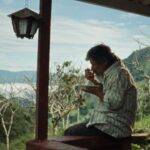
    info@filmstofestivals.com

  • Más Allá de la Noche

    Más Allá de la Noche

    BEYOND THE NIGHT

    • Technical Info / Información Técnica:

    (2021) – 00:25:58 – B&W – Stereo – 16 mm – 16/9 – Colombia – Drama, cinema verite, memories

    • Logline:

    A journey through the shadows that inhabit the memory of a space, like dry leaves dragged by the heavy flow of a river.

    Un viaje por las sombras que habitan la memoria de un espacio, como hojas secas arrastradas por el pesado fluir de un río.

    • Short Synopsis / Sinopsis Corta:

    On the banks of the Magdalena River, an old man writes a poem to the memory of his dead mother, sitting in the courtyard of his childhood home. A journey through the shadows that inhabit the memory of a space, like dry leaves dragged by the heavy flow of a river.

    Un hombre escribe un poema a la muerte de su madre en el patio de la casa de su infancia, a orillas del río Magdalena. Un viaje por las sombras que habitan la memoria de un espacio, como hojas secas arrastradas por el pesado fluir de un río.

    • Director´s Biography / Biografía del Director:

    MANUEL PONCE DE LEÓN RESTREPO

    Manuel Ponce is the director and co-founder of the Colombian production company Los Niños Films. Some projects in which he has participated as director and screenwriter are: the short film “Dead River” (official selection of the 39th Havana International Film Festival), “Beyond the Night” his last short film in distribution; and his current feature film project “All my Journeys are Return Journeys” in pre-production.

    Manuel Ponce es director y cofundador de la productora colombiana Los Niños Films. Algunos proyectos en los cuales ha participado como director y guionista son: el cortometraje “Río Muerto”, selección oficial del 39 Festival Internacional de Cine La Habana; “Más Allá de la noche” su último cortometraje en distribución, y su actual proyecto de largometraje “Todos Mis Viajes Son Viajes de Regreso” en estado de preproducción.

    • Director’s Statement / Declaraciones del Director:

    Raúl Gomez Jattin was a great Colombian poet and one of the best friends of my father, who is also a poet. Although he died when I was just a child, his name was always present as part of the family history. In 2016, when I returned from living in Berlin to my country, Colombia, I read the poem “Lola Jattin” by Raúl for the first time. A poem that he had written in memory of his mother, Lola Jattin, after her death. As soon as I read it, I felt like I had to make a movie that had something to do with it. I was deeply moved by the eternal dimension of the poem. The author’s ability to create different temporal layers, which all existed at the same time in the structure of the poem, almost as if the work itself were memory as if it were even my own past. After several years of reflecting on how, narratively and formally, I could portray this sentiment that had captivated me from the start, finally, the movie materialized into what it is today. Given that Beyond the Night is essentially a movie that journeys through the memory of a family home, and that this aspect was one of the things that captivated me the most about this poem, I felt that the most honest way to approach this story was with my own family. Trying to incorporate real characters from my family into the remembrance exercise that the movie proposes. Juan, my father, plays the film’s protagonist in his old age, at the same time as Gabriel, my brother, plays that same character in his youth, and Emiliano, my nephew, plays the protagonist in his childhood. The same occurs with the character of the mother of the poet: in her old age she is played by Catalina, my mother, and in her youth, she is played by Andrea, my sister. In simple terms, I wanted to, just as the poem evokes family images of the author’s past, construct the movie using household images of myself and my past. One of the fundamental elements of this film is the presence of the river. The river as a character, the river as a remembrance space, and as a vessel for traveling through time. In my last short film Río Muerto (2017) I also explore this idea of the river. It’s the story of a father and his son that, after their death, somehow they travel to their past through a dry riverbed, using this voyage as the central element of the story. I am deeply attracted to the way the stories and characters can interact with the landscape, with the natural elements, to the point of turning them into narrative vehicles that create a dislocated dimension of the temporal logic of the film itself. Thus the river and the patio of the house are the permanent characters in Beyond the Night. One of the most important explorations that I have made in my previous short films, which continues to be an element that causes me enormous curiosity and which is key to this film, is memory, the act of remembering, nostalgia. I feel that the moment of remembering (particularly remembering in the absence of what is being invoked through memory, that is, nostalgia) is essentially a creative act, an exercise of the imagination. I would even go so far as to say that the exercise of memory is a primitive art form of our race. I am particularly interested in the mental, psychic, or metaphysical space, whatever you want to call it, in which we enter during the act of remembering. To stop being completely present, to travel internally to another time, to another moment of ourselves. Cinema, as Tarkovsky once said, is essentially a nostalgic art; Cinema is always an evocation of the absent, it is always a ghost, it is always a memory, and I think that in that sense it is the ideal language to build the space of memory, that invisible landscape that we go through when we experience nostalgia when we evoke a memory that takes over our present to transport us to a place, to that space that ultimately is an imaginary place.

    Raúl Gomez Jattin fue un poeta colombiano y uno de los mejores amigos de padre, quien también es poeta. A pesar de que murió cuando yo era apenas un niño, su nombre siempre estuvo presente como parte de la historia familiar. En el 2016, al regresar de vivir en  Berlín a mi país Colombia, leí por primera vez el poema “Lola Jattin” de Raúl. Poema que había escrito a la memoria de su madre, Lola Jattin, después de su muerte. Tan pronto lo leí sentí que tenía que hacer una película que tuviera algo que ver con él. Me conmovió profundamente la dimensión eterna del poema. La capacidad del autor de crear diferentes capas temporales, que existían todas al mismo tiempo, en la estructura del poema, casi como si la obra misma fuera memoria. Tras varios años de reflexión alrededor de cómo, narrativa y formalmente podía conseguir plasmar este sentimiento que tanto me había cautivado en un comienzo, finalmente la película se materializó en lo que es hoy. Más allá de la noche, es una película que viaja por la memoria de una casa familiar, sentí que la manera más honesta de abordar la historia era con mi propia familia.. Buscar que dentro del ejercicio de memoria que se proponía la película, habitaran también personajes verdaderos de mi vida, de mi familia. Juan, mi padre, interpreta al protagonista de la película en su vejez, al mismo tiempo que Gabriel, mi hermano, interpreta al mismo personaje en su juventud y Emiliano, mi sobrino, interpreta al protagonista en su niñez. Lo mismo sucede con el personaje de la madre del poeta: en su vejez, la interpreta mi madre, y en su  juventud, lo interpreta mi hermana. Quería que, así como el poema es una evocación de imágenes familiares del pasado del autor, la película se construyera de imágenes familiares mías y de mi propio pasado. Un elemento fundamental en esta película es la presencia del río como personaje, y el río como espacio de memoria, como vehículo para viajar en el tiempo. En mi cortometraje anterior “Río muerto” he explorado esta idea del río también realice un ejercicio con los personajes que de alguna manera viajan a sus propios pasados, tomando ese viaje como el elemento narrativo central. En Río Muerto, un padre y un hijo muertos vuelven a recorrer el espacio donde vivieron sus últimos momentos. Me atrae la manera como las historias y los personajes pueden interactuar con el paisaje, con los elementos naturales, al punto de convertirlos en vehículos narrativos que creen una dimensión dislocada de la lógica temporal de la película misma. Así el río y el espacio son los personajes permanentes de la película. Una de las exploraciones más importantes que he hecho en mis anteriores cortometrajes, y que sigue siendo un elemento que me produce enorme curiosidad y clave para esta película, es la memoria, el acto de recordar, la nostalgia. Me interesa particularmente el espacio mental, psíquico o metafísico, como se le quiera llamar, en el que nos adentramos durante el acto de recordar, de dejar de estar del todo presentes para viajar interiormente a otro tiempo, a otro momento de nosotros mismos. El cine, como lo dijo Tarkovsky, es en esencia un arte nostálgico; el cine siempre es  fantasma, siempre es recuerdo, y creo que en ese sentido es el lenguaje idóneo para construir el espacio de la memoria, ese paisaje invisible que atravesamos cuando vivimos la nostalgia, cuando evocamos un recuerdo que se apodera de nuestro presente para transportarnos a un lugar, a ese espacio que, en últimas, es un lugar imaginario.

    • Overview / Ficha técnica:

    Script / Guión: Manuel Ponce de León

    Director / Director: Manuel Ponce de León

    Production / Producción: Carolina Zarate García

    Cinematography / Dirección de Fotografía: Angello Faccini

    Art Director / Directora de Arte: Diego Ricardo

    Sound Design / Diseño de Sonido: Antonio Ponce de León

    Editing / Montaje: Manuel Ponce de León

    Cast / Intérpretes: Catalina Restrepo Gabriel Ponce de Léon Juan Manuel Ponce de León Andrea Restrepo Jose Oliverio Ospina

    • Festivals and Awards / Festivales y Premioss:

    – 32 FID Marseille (Special Mention); 07/2021; France

    – 18 Curtocircuito, International Short Film Festival; 10/2021; Spain

    – 23 MIDBO, Bogota Documental Festival; 10/2021; Colombia

    – 28 L’Alternativa, Barcelona Independent Film Festival; 11/2021; Spain

    – 11 Márgenes. Independent Film Festival; 12/2021; Spain

    – 12 FICUNAM; 03/2022; Mexico

    • Links:

    Trailer: https://vimeo.com/512691959

    • Contact / Contacto:

    Gisela Chicolino

    FilmsToFestivals Distribution Agency
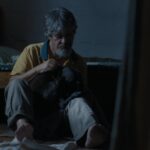
    info@filmstofestivals.com

    http://instagram.com/films.to.festivals

  • Como el cielo después de llover

    Como el cielo después de llover

    The calm after the storm

    • Technical Info / Información Técnica:

    (2020) / 01:12:00 / ratio 1.85:1 / COLOR / SOUND 5.1 / FPS 25 / Colombia-Argentina / First Documentary Feature / Women, Family, Feminism, Social issues, Cinema, Portrait, Road Movie

    • Short Synopsis / Sinopsis Corta:

    Mercedes returns to her native city to join her father, in the shooting of his film. In the encounter of both filmmakers’ ways of looking, her mother’s silence, and her brother’s stubbornness, Mercedes embraces her family’s endless contradictions in order to find her own beginning.

    Mercedes regresa a su ciudad natal para acompañar el rodaje de la película de su padre. En el encuentro de sus dos miradas, el silencio rotundo de su madre y la obstinación de su hermano, Mercedes abraza las infinitas contradicciones de su familia para buscar allí su propio comienzo.

    • Synopsis / Sinopsis:

    Mercedes returns to her native city to join her father, Victor, in the shooting of his film. He is a director who has filmed his family throughout the years. In the encounter of both filmmakers’ ways of looking, her mother’s silence, and her brother’s stubbornness, Mercedes embraces the time they shared in their home videos and her family’s endless contradictions in order to find her own beginning.

    Mercedes regresa a su ciudad natal para acompañar el rodaje de la película de su padre, Víctor.  Un director que se ha encargado de registrar a su familia a lo largo del tiempo. Entre el encuentro de sus dos miradas, el silencio rotundo de su madre y la obstinación de su hermano, Mercedes abraza el tiempo compartido del archivo y las infinitas contradicciones de su familia para buscar allí su propio comienzo.

    • Long Synopsis / Sinopsis Larga:

    Después de varios años en Buenos Aires, Mercedes regresa a Medellín para trabajar con su padre en el rodaje de la película La mujer del animal.  Allí se encuentra con las contradicciones de su padre, un director de cine tratando de hacer una película de género en un país lleno de violencia. También se reencuentra con el pasado a través del archivo familiar, creado no solo por los vídeos caseros hechos por su padre, sino también por el diario que su madre escribió para ella mientras esperaba su nacimiento. Ambos archivos íntimos nos dejan ver el enorme espacio que separa la experiencia de la maternidad y la paternidad en una familia colombiana. ¿Alcanzarán estas imágenes a componer la historia de una familia o solo serán la prueba de lo que no se dice y nos empuja a un posible comienzo?

    • Director´s Biography / Biografía del Director:

    MERCEDES GAVIRIA JARAMILLO

    Medellín, Colombia. Sound technician and film director from Universidad del Cine. She participated with her short film “Silence before” (2016, 10′) at FICCI and BAFICI. At BAFICI 2018 she won the ASA’s Award for Best Sound of “Daughters of Fire” by Albertina Carri. In 2018 she completed the Postgraduate Film Program at the Torcuato di Tella University. “The calm after storm” is her first feature film.

    Nació en Medellín, Colombia. Es sonidista y directora de cine. Participó con su cortometraje “Silencio antes”, (2016, 10’) en FICCI y BAFICI. En BAFICI 2018 obtuvo el premio ASA al Mejor Sonido de “Las hijas del fuego” de Albertina Carri. En 2018 realizó el posgrado en Cinematografía en la Universidad Torcuato di Tella. “Como el cielo después de llover” es su primer largometraje documental.

    Born in Medellín, Colombia, in 1992. Sound technician and film director. In 2016 she graduated in Cinematographic Direction of the University of Cinema. She participated with her short film “Silence before” (2016, 10′) at FICCI and BAFICI. At BAFICI 2018 she won the ASA’s Award for Best Sound of “Daughters of Fire” by Albertina Carri. This year she completed the Postgraduate Film Program at the Torcuato di Tella University. “The calm after storm” her first feature film participated in residences such as Tres Puertos Cine and Walden. Also, she was selected for the Work in Progress of the Mar del Plata International Film Festival, and in 2019 at the Work in Progress of the Cartagena de Indias International Film Festival, Femme Revolution Film Fest of Mexico, and the BAM (Bogotá Audiovisual Market). She participated with her film in Bienal de Arte Joven 2019 where she also premiered her documentary short film “While We Are” (2018, 15 ‘). She is currently a sound teacher at the FUC and post-producer of sound in her studio, Atalante.

    Nació en Medellín, Colombia en 1992. Es sonidista y directora de cine. En el 2016 se recibió del profesorado en Dirección Cinematográfica de la Universidad del Cine. Participó con su cortometraje “Silencio antes”, (2016, 10’) en FICCI y BAFICI. En BAFICI 2018 obtuvo el premio ASA al Mejor Sonido de “Las hijas del fuego” de Albertina Carri. En 2018 realizó el posgrado Programa de Cine en la Universidad Torcuato di Tella. “Como el cielo después de llover”, su primer largometraje, participó en residencias como Tres Puertos Cine y Walden. En el mismo año fue seleccionada para el WIP del Festival Internacional de Cine de Mar del Plata, y en 2019 en el WIP del Festival internacional de Cine de Cartagena de Indias, Femme Revolution Film Fest de México y el BAM (Mercado audiovisual de Bogotá). Participó con su película en desarrollo en la Bienal de Arte Joven 2019 donde también estrenó su cortometraje documental “Mientras estamos” (2018, 15’). Actualmente es profesora de sonido de la FUC y post-productora de sonido en su estudio, Atalante.

    • Director’s Statement / Declaraciones del Director:

    As far back as I can remember, the only way my father related to the world was through a camera. In the early 90s, my father established himself as a film director due to the poetry he had found when filming the marginal outskirts of Medellin. With the intention of making up for the time he didn’t spend with his family during the shootings of his films, he began recording with a video camera the private moments he spent with us. I grew up watching those images of the past my father had collected for years, with no other purpose than to preserve a family memory. Meanwhile, his films were set outside our house. But after being in the shooting of one of his films, “The Animal’s Wife”, I began thinking of that archive of private images more and more. I began to think these gestures of private life could be valuable for cinema. I sensed it was a different way from my father’s understanding of cinema, but I began to increasingly identify with it. I gradually moved away from the idea of the main conflict, and the Whole transformed into a rhizomatic text. Different images and family times began to tangle. Intuition had a very important role in this film. I never thought very much about the movie I was making. My only certainties were that I was going to my father’s shooting and that I could question what I thought was immobile -that is, the time we shared- through the appropriation of our family recordings. This is how I began a journey through the varied textures that make up this private archive. It is a questioning of the time we shared and that we save in different formats; phone conversations, e-mail correspondences, a personal diary my mother wrote when she was pregnant with me, and a daily record my filmmaker-father kept. But this film goes further than telling my own story and exploring my own relationship with my father, as it shows how a little girl’s expectations fall apart. She’ll have to face her own experience in order to grow up, discover her own images of the world, and take a stance on the cinema she wants to make.

    Desde que tengo uso de razón supe que la única manera en la que mi papá se relacionaba con el mundo era a partir de una cámara. A principio de los años noventa mi papá se había consagrado por la poesía que había encontrado su cine en el mundo periférico y marginal de la ciudad de Medellín. Y en su afán de recuperar el tiempo perdido con su familia por los tiempos naturales de los rodajes, comenzó a registrar con una cámara los momentos íntimos que pasaba con nosotros. Crecí viendo esas imágenes del pasado que mi papá había acumulado por años, sin ninguna finalidad más que preservar una memoria familiar, mientras su cine estaba sucediendo por fuera de la casa. Pero después de haber estado en el rodaje de una de sus películas “La mujer del Animal”, comencé a pensar cada vez más en ese archivo y vi que en esas imágenes íntimas y en los gestos de la vida privada había también algo valioso para el cine. Intuí que era otra forma alejada a la que mi papá había concebido pero con la que yo empezaba a identificarme mucho más. Me fui alejando de la idea de un conflicto central y el Todo se transformó en un texto rizomático, Donde se empezaron a enredar todo tipo de imágenes y de tiempos de mi familia. En esta película la intuición tuvo un lugar importante. Nunca pensé muy bien qué película estaba haciendo. Mi única certeza era que yendo al rodaje de la película que estaba por filmar mi papá y la apropiación del archivo podía cuestionar lo que se había presentado como inmóvil en el tiempo que habíamos compartido. Es así como comienza el recorrido por las diferentes texturas que componen este archivo íntimo. Una pregunta al tiempo compartido que atesoramos en distintos formatos; conversaciones telefónicas, correspondencia por mails, un diario que escribió mi mamá cuando estaba embarazada de mí y un registro cotidiano realizado por mi padre cineasta. Pero más allá de contar mi propia historia, más allá de explorar la relación con un padre cineasta, esta película muestra cómo las expectativas de una niña se derrumban y se enfrenta a su propia experiencia para poder crecer, descubrir sus propias imágenes del mundo y encontrar la posición en el cine que quiere hacer.

    • Overview / Ficha técnica:

    Director / Director: Mercedes Gaviria Jaramillo

    Script / Guión: Mercedes Gaviria Jaramillo

    Compañía productora: Antorcha films, Invasión cine

    Producción / Production: Mercedes Gaviria Jaramillo, Jerónimo Atehortúa Arteaga

    Executive producer / Producción Ejecutiva: Laura Castillo

    Cinematography / Dirección de Fotografía y Cámara: Mercedes Gaviria Jaramillo, Mauricio Reyes Serrano, Alejandra León

    Film Editor / Montajista: Rodrigo Traverso, Florencia Gómez García

    Art Director / Dirección de Arte:

    Sound Design / Diseño de sonido: Marcos Canosa

    Sound / Sonido Directo: Mercedes Gaviria Jaramillo, Lucas Larriera

    Original Music / Música Original: Matías Gowland

    Cast / Elenco: Víctor Gaviria, Marcela Jaramillo, Matías Gaviria, Mercedes Gaviria, Elvira Berrío

    • Festivals and Awards / Festivales, Premios y Nominaciones:

    – 51 Visions du Réel, International Film Festival Nyon; 04/2020; Switzerland

    – 23 GIFF, Guanajuato International Film Festival; 09/2020; México

    – 58 Gijón/Xixón International Film Festival (Best Film: Critics Award); 11/2020; Spain

    – 35 Mar del Plata International Film Festival (Special Mention: Critics Award); 11/2020; Argentina

    – 12 Cali International Film Festival; 11/2020 (Best Director); Colombia

    – 7 Festival de Cine Al Este – Argentina; 12/2020; Argentina

    – 42 Festival del Nuevo Cine Latinoamericano de La Habana; 12/2020; Cuba

    – 17 Documenta Madrid International Documentary Film Festival; 12/2020; Spain

    – 8 Transcinema, International Film Festival; 01/2021; Perú

    – 50 Rotterdam International Film Festival; 02/2021; The Netherlands

    – 2 Femme Revolution Film Festival; 03/2021; Mexico

    – 20 Doc Fortnight, MoMA’s Festival of International Nonfiction Film and Media; 03/2021; US

    – 22 JIFF, Jeonju International Film Festival; 04/2021; Republic of Korea

    – 2 Vanda Duarte Festival de Cine de Mujeres y Disidencias Latinxs; 04/2021; Argentina

    – 2 HER Docs Film Festival; 09/2021; Poland

    – WIP:

    59 FICCI; 03/2019; Colombia

    33 Mar del Plata International Film Festival; 11/2018; Argentina

    – Developing: 3 Puertos Cine, Residencias Walden

    • Links:

    Trailer English Subtitles: https://vimeo.com/397645734

    • Contact / Contacto:

    Gisela Chicolino

    FilmsToFestivals Distribution Agency
    info@filmstofestivals.com

  • La última Marcha

    La última Marcha

    The Last March


    – Technical Info / Información Técnica:

    (2019) / 00:26:03 / ratio 16:9 / COLOR / SOUND 5.1 / 4k / Sony A7sII / 25 FPS / Colombia-Argentina / documentary, portrait


    Logline:

    Jhon Martínez, a former FARC guerrilla soldier, opens his photographic archive to evoke life in the jungle and narrate the process of abandoning.

    Jhon Martínez un ex guerrillero de FARC, abre su archivo fotográfico para evocar la vida en la selva y narrar el proceso de dejación de armas.

    Short Synopsis / Sinopsis Corta:

    Jhon, un ex combatiente de FARC, comenta las fotografías que tomó con la cámara de fotos que le dieron al entregar su fusil. Narra la vida cotidiana en la montaña y retrata a sus compañeros inquietos ante la inminente firma de la paz en Colombia.

    Jhon, un ex combatiente de FARC, comenta las fotografías que tomó con la cámara de fotos que le dieron al entregar su fusil. Cuenta cómo era la vida cotidiana en la montaña y retrata a sus compañeros inquietos ante la inminente entrega de las armas por el proceso de paz en Colombia.

    Synopsis / Sinopsis:

    Jhon, a former FARC soldier compares the use of a rifle and a photo camera. With his files, he narrates the setting-up of the coves, the kitchen, the guards, and a technique to smoke hiding the ember of the cigarette during the night. He portrays his unquiet companions before the imminent abandonment of weapons in the peace process of Colombia. In this last march some walk very neatly, others disordered; some wearing civil clothes, others camouflaged.

    Jhon, un ex combatiente de FARC relata las similitudes en el uso de un fusil y una cámara de fotos. Con su archivo narra el armado de las caletas, la cocina, las guardias y su técnica para fumar ocultando la brasa del cigarrillo en la noche. Retrata a sus compañeros inquietos ante la inminente entrega de las armas por el proceso de paz en Colombia. En esta última marcha algunos van muy prolijos, otros desordenados; unos de civil, otros camuflados. The future is unknown.

    – Director´s Biography / Biografía del Director:

    Ivo Aichenbaum

    Diseñador de Imagen y Sonido. Recibió becas en artes visuales. Sus largometrajes La parte automática y Cabeza de ratón fueron estrenados en las ediciones 2012 y 2013 del BAFICI y exhibidos en numerosos festivales y muestras internacionales. Actualmente filma su trilogía documental Diario internacional.

    (a)Jhon Martínez (Yonatan García Montalvo)

    Ingresó a las FARC en 2007 donde se desempeñó como jefe de escuadra y secretario político. Recibió capacitaciones en diseño y fotografía como corresponsal de NC (Nueva Colombia) Noticias. Conformó el equipo de comunicación del ETCR de Ituango (Antioquia). “La última marcha” es su primer cortometraje.

    Director’s Statement / Declaraciones del Director:

    – Overview / Ficha técnica:

    Script / Guión: Ivo Aichenbaum, (a) Jhon Martínez

    Producer / Productor: Ivo Aichenbaum, Agustína Pérez Rial, Carolina Zarate García

    Director / Director: Ivo Aichenbaum, (a) Jhon Martínez

    Director of Photography and Camera / Dirección de Fotografía y Cámara: Ivo Aichenbaum, (a) Jhon Martínez

    Film Editor / Edición: Ivo Aichenbaum

    Sound design / Diseño de sonido: Lautaro Aichenbaum, Juan Ignacio Giobio

    Festivals, Awards and Nominations / Festivales, Premios y Nominaciones:

    – 59 FICCI (Academy Awards qualifying); 03/2019; Colombia

    – 34 Mar del Plata International Film Festival (CineAr award); 11/2019; Argentina

    – 19 Festival Internacional de la Imagen; 06/2020; Colombia


    Links:

    Web: http://fiordestudio.com/portfolio/la_ultima_marcha/

    Trailer English Subtitles: https://vimeo.com/314315207  

    Contact / Contacto:

    Gisela Chicolino

    FilmsToFestivals Distribution Agency
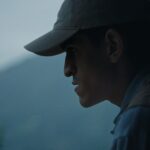
    Gisela@filmstofestivals.com

    Fiord estudio

    www.fiordestudio.com

  • Niebla

    Niebla

    Mist – Brouillard

    • Technical Info / Información Técnica:

    (2020) – 00:10:26 – Color – 24 FPS – PAL – 5.1 – 16/9– Full HD 2D computer – animation short film –childhood, nature, family

    • Logline:

    They are close but we can see them.

    Están cerca pero no podemos verlos.

    • Short Synopsis / Sinopsis Corta:

    Nicolas is a kid who has moved with his parents to the suburbs near to an ancient fog forest. The place takes on a new meaning when he starts to have mysterious encounters with native animals. He will discover a forest full of life and will understand the importance between humans and nature.

    Nicolás, es un niño que se ha mudado con sus padres a una casa en las afueras de la ciudad, cerca de un antiguo bosque de niebla. En este lugar, conocerá seres del bosque que le ayudarán a entender la importancia del balance entre seres humanos y la naturaleza.

    • Long Synopsis / Sinopsis Larga:

    Nicolas, a 12-year-old boy, who has recently moved with his family to a country house in a foggy forest, witnesses the drama of a family of foxes that mysteriously appear to him first as specters of the forest, but then, after investigating and understanding them, he erases the veil of fear that does not allow him to see them as they really are and takes the determination to help them away from the danger of the road that crosses the forest.

    Nicolás, un niño de 12 años, que recientemente se ha mudado con su familia a una casa campestre en un bosque de niebla, es testigo del drama de una familia de zorros que misteriosamente ante él parecen primero como espectros del bosque, pero que luego, tras investigarlos y entenderlos, borra el velo de miedo que no le permite verlos como realmente son y toma la determinación de ayudarlos alejándolos del peligro de la carretera que atraviesa el bosque.

    • Director´s Biography / Biografía del Director:

    LEONARDO ROMERO ZARZA

    http://www.romeroleo.com/

    Graphic designer graduated from the Pontificia Bolivariana University, currently dedicated as an animator in series like «Elinor Wonders Why» and «Legend Quest», broadcasted on Netflix. “Niebla” is his first animated short film produced by Lúmina studio.

    Diseñador gráfico egresado de la Universidad Pontificia Bolivariana, dedicado actualmente como animador en series animadas como «Elinor Wonders Why» y «Legend Quest», emitida en Netflix. “Niebla” es su primer cortometraje animado producido por Lúmina estudio.

    • Overview / Ficha técnica:

    Script / Guión: Juan David Ortíz Martínez

    Director / Director: Leonardo Romero Zarza

    Executive producer / Producción Ejecutiva: Catalina Vásquez Salazar

    Production / Producción: Catalina Vásquez Salazar, David Castaño Luján, Juan David Ortíz Martínez, Julián Henao Echeverri

    Editing / Montaje: David Castaño Luján

    Sound Design / Diseño de Sonido: Miguel Isaza Morales

    Original Music / Música Original: Miguel Isaza Morales

    Voices: Daniela Sierra Mejía, Óscar Rojo Gaviria

    • Festivals and Awards / Festivales y Premios:

    – 18 BogoShorts, Bogota International Short Film; 12/2020; Colombia

    – 67 Oberhausen International Short Film Festival (Children and Youth Competition); 05/2021; Germany

    – 10 Chilemonos International Animation Festival; 07/2021; Chile

    – 32 Curta Kinoforum, Sao Paulo Short Film Festival; 08/2021; Brazil

    – 8 Zero Plus, International festival of films for children and youth; 09/2021; Russia

    – 9 Le Chien Qui Aboie; 10/2021; France

    – 5 Anima Latina, Latin American Animation Festival; 10/2021; Argentina

    – 13 Popoyán Short Film Festival; 10/2021; Colombia

    – 35 CineKid Festival; 10/2021; The Netherlands

    – 25 Internationale Kurzfilmtage Winterthur; 11/2021; Switzerland

    – 13 Providence Children’s Film Festival; 02/2022; US

    – 5 Psaroloco International Children’s & Young People’s Film Festival; 04/2022; Greece

    – 24 Mo&Friese Junges Kurzfilm Festival Hamburg; 05/2022; Germany

    – 24 FICMEC, Canarias Environmental Film Festival; 05/2022; Spain

    – 10 Cinema in Sneakers, Children Film Festival (Special Mention); 05/2022; Poland

    – 26 FANTASIA International Film Festival (Bronze Horse); 07/2022; Canada

    – 12 SUPERTOON, International Animation Festival; 07/2022; Croatia

    – 18 Lago Film Fest, International Festival of Independent Cinema; 07/2022; Italy

    – 11 Ojo de Pescado, International Children Film Festival (Special Mention); 08/2022; Chile

    – 6 Chaniartoon, International Comic & Animation Festival; 09/2022; Greece

    – 13 Bogota Children and Youth Film Festival; 09/2022; Colombia

    – 2 Laberinto, Independent Film Festival; 09/2022; Colombia

    – 11 VAF, Viborg Animation Festival; 09/2022; Denmark

    – 21 Florianopolis Children’s Film Festival; 10/2022; Brazil

    – 8 TAF, Thessaloniki Animation Festival; 10/2022; Greece

    – 8 BitBang International Animation & Digital Art Festival; 10/2022; Argentina

    – 5 FIIN, Green Film Festival (Best Short Film); 11/2022; Portugal

    – 39 Chicago International Children’s Film Festival; 11/2022; US

    – 6 IKFF, International Kids Film Festival; 11/2022; India

    – 15 Primeiro Plano Film Festival; 11/2022; Brazil

    – 25 ICARO, International Film Festival; 12/2022; Guatemala

    – 10 MAFICI, Puerto Madryn IFF; 12/2022; Argentina

    – 9 Siembra Fest; 12/2022; Colombia

    – 21 DIFF, Dhaka International Film Festival; 01/2023; Bangladesh

    – 18 Children’s Film Festival Seattle; 02/2023; US

    – 10 Play, Lisbon International Children Film Festival; 02/2023; Portugal   

    – 5 Louisville Children’s Film Festival; 03/2023; US

    – 5 Cachinus de Cine, Int Short Film Festival for Children & Young People; 04/2023; Spain

    – 24 Rainbow Film Festival; 05/2023; UK

    – 46 Mill Valley Film Festival; 10/2023; US

    • Links:

    Trailer: https://vimeo.com/401210994

    Social Networks:

    https://www.instagram.com/leonardo.j.romero.z/

    https://www.instagram.com/dodoanimacion/

    https://www.instagram.com/davidcaslu

    https://twitter.com/davdidcaslu

    https://www.instagram.com/_kathiuska_/

    • Contact / Contacto:

    Gisela Chicolino

    FilmsToFestivals Distribution Agency
    info@filmstofestivals.com

    http://instagram.com/films.to.festivals