


Categoría: Ficción

  • El Rocío

    El Rocío


    Poison Dew


    Technical Info / Información Técnica:

    (2018) / 01:19:00 / Color / 16:9 / 5.1 / Entre Ríos, Argentina / Drama, Thriller, women, social issue, environmental / 2nd Film


    Short Synopsis / Sinopsis Corta:


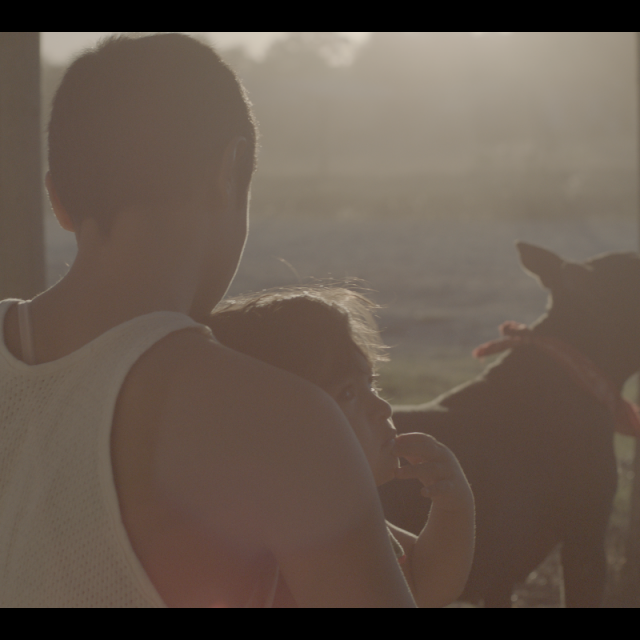
    The story revolves around modern life in rural Entre Ríos. Sara discovers that agrochemicals sprayed by her neighbor for soy cultivation poisoned her daughter. The treatment compels them to travel to Buenos Aires. To get money for it, Sara devotes herself to drug trafficking. This becomes a threat to her freedom and the safety of her children.


    Sara vive con su hija Ailén en una zona rural de Entre Ríos. La niña comienza a enfermarse por las fumigaciones en los campos. Sara pelea por detenerlos, pero es inútil. La salud de su hija se agrava, y tiene que viajar de urgencia a Buenos Aires. Sin recursos para hacer el viaje, recurre a viejos contactos y se pone a traficar cocaína del campo a la ciudad.


    Synopsis / Sinopsis:

    Sara lives with her daughter Ailén in a humble neighborhood of Entre Ríos. The child starts to get sick, she cannot breathe. A doctor tells her that these attacks are caused by fumigations in the fields near her home. She fights to stop them, but it’s useless. The health of her daughter is aggravated, and she has to travel urgently to Buenos Aires. Without resources to make the trip, she resorts to old contacts and starts to traffic cocaine from the countryside to the city. Sara begins to receive threats. She has to risk everything if she wants to save her daughter.


    Sara vive con su hija Ailén en un barrio humilde de Entre Ríos. La niña comienza a enfermarse, no puede respirar. Un médico le cuenta que estos ataques son provocados por las fumigaciones en los campos cercanos a su casa. Ella pelea por detenerlos, pero es inútil. La salud de su hija se agrava, y tiene que viajar de urgencia a Buenos Aires. Sin recursos para hacer el viaje, recurre a viejos contactos y se pone a traficar cocaína del campo a la ciudad. Sara comienza a recibir amenazas. Está envuelta en una red, que la atrapa cada vez más. Ella tiene que arriesgarlo todo, si quiere salvar a su hija.


    Director´s Biography / Biografía del Director:

    EMILIANO GRIECO

    www.emilianogrieco.com

    Emiliano Grieco born in Paraná (Entre Rios, Argentina) in 1981. He began his studies in Communications, specializing in image, at National University of Entre Rios (UNER). Then travel to Buenos Aires, to study documentary direction with Professor Gustavo Hennekens, takes film courses and seminars with leading documentary film masters including Fernando Birri and Jorge Prelorán. Then studies University Degree at National Institute of Arts (UNA). Bachelor of Media Arts.


    Nació en Paraná en 1981. Estudió Comunicación Social y Artes Audiovisuales, además de cursos sobre cine documental con docentes como Fernando Birri, Jorge Prelorán y Pablo Reyero.


    Filmography / Filmografía:

    Hijos del Río (2010) Corto Documental

    Los Secretos Del Manglar (2012) Cortometraje

    Diamante (2013), Largometraje documental: Festival Internacional de Cine de Barranquilla

    La Huella en la Niebla (2014): Opera prima de Ficción: TIFF Torino Film Festival


    Overview / Ficha técnica:

    Script / Guión: Bárbara Sarasola Day

    Production / Producción: Daniel Werner

    Director / Director: Emiliano Grieco

    Director Assistant / Asistente de Dirección:

    Cinematography / Dirección de Fotografía: Alejandro Baltasar Torcasso

    Art Director / Director de Arte: Ángeles Frinchaboy

    Sound Director / Director de Sonido: Nahuel Palenque

    Editing / Edición: Leandro Aste, Emiliano Grieco

    Original Music / Música Original: Juan Nanio

    Cast / Actores: Daina Provenzano, Tomas Fonzi, Olivia Olmedo, Eva Bianco


    Festivals, Awards and Nominations / Festivales, Premios y Nominaciones:

    – 33 Mar del Plata International Film Festival; 11/2018; Argentina

    – 21 FICMeC, Festival Internacional de Cine Medioambiental de Canarias; 05/2019; Spain

    – 8 Mic Género, International Film Festival with Gender Perspective; 08/2019; México

    – 8 Leonardo Favio, Festival de Cine Nacional; 08/2019; Argentina

    – 5 Festival Internacional de Cine de Guayaquil; 09/2019; Ecuador

    – 6 Cine a la Vista! Internacional Youth Film Festival; 09/2019; Argentina

    – 23 FAM, Florianópolis Audiovisual Mercosur; 09/2019; Brasil


    Links:

    Instagram: https://www.instagram.com/elrociopelicula/


    Contact / Contacto:

    Gisela Chicolino

    Gisela@filmstofestivals.com


    Werner Cine

    http://wernercine.com


  • El Trabajo Indistrial

    El Trabajo Indistrial


    Industrial Work


    Technical Info / Información Técnica:

    (2015) – 00:09:15 – Argentina – cámara Sony F3 – 24 FPS – aspect ratio: 1.77 –  espacio de color es XYZ – sonido 5.1


    Synopsis / Sinopsis:

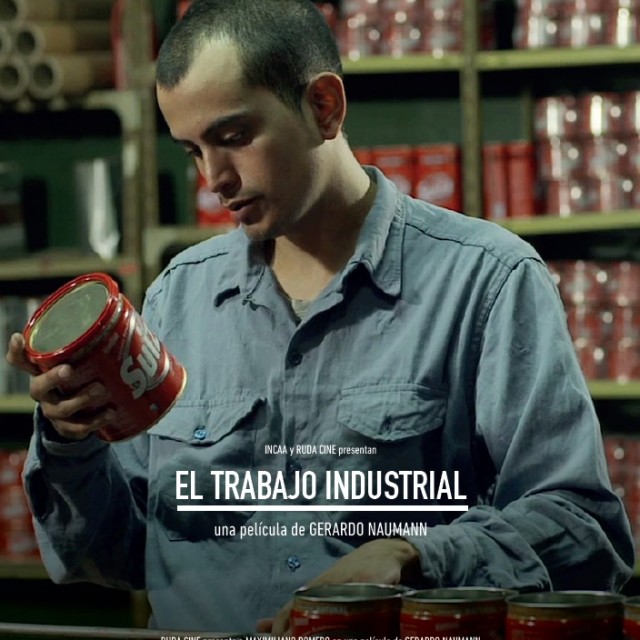
    On the assembly line red cans go by. The worker repeats the same sequence of movements. One day, he takes a can from the line and reads the instructions for use. Acting and working are industrial exercises. Everything that needs to be said, is said in the locker room.


    Sobre la cinta de montaje pasan las latas rojas. El trabajador repite la misma secuencia de movimientos. Un día saca una lata de la cinta y lee las instrucciones de uso. Actuar y trabajar son ejercicios indutriales. Todo lo que hay que hablar, se habla en el vestuario.


    Director´s Biography / Biografía del Director:

    GERARDO NAUMANN

    Gerardo Naumann was born in 1976 in Buenos Aires. He wrote and directed several theatre plays, amongst them Emily, A useful play, The factory, Workers leaving the factory, The performance. His plays were shown in Argentina, Portugal, Germany, Holland, Switzerland, Ireland, Poland, India and Singapore. As a filmmaker he produced and directed Novios del campo (Country Side Lovers, short, BAFICI 2009). Together with Nele Wohlatz he directed Ricardo Bär (Ricardo Bär, long, 2013, FID Marseille – Mention Spécial Prix Premier, Viennale, Mostra Sao Paulo, International Film Festival Mar del Plata, Duisburger Filmwoche – Best First Film Award, Forumdoc Belo Horizonte, Docpoint Helsinki, Bradford International Film Festival, Play – Doc España, Dokumentarfilmwoche Hamburg, EDOC Quito, Lima Independiente, Dokufest Prizren). El trabajo industrial (Industrial work, short 2015, Fid Marseille)


    Filmography / Filmografía:

    Novios del Campo / Country Side Lovers, short documentary (2009)

    Ricardo Bär (2013) is his first feature film.

    El trabajo industrial (Industrial Work, short, 2015)


    Overview / Ficha técnica:

    Script / Guión: Gerardo Naumann

    Director / Director: Gerardo Naumann

    General Productor / Productores: Ruda Cine, Gerardo Naumann

    Cinematography and Camera / Dirección de fotografía y Cámara: Fernando Lockett

    Art Director / Director de Arte: Victoria Marotta

    Sound Design / Diseño de Sonido: Daniela Ale

    Editing / Edición: José María Aviles Endara, Alejo Moguillansky, Sebastián Schjaer, Joaquín Aras

    Cast / Actores: Maximiliano Romero


    Festivals, Awards and Nominations / Festivales, Premios y Nominaciones:

    – Pantalla Pinamar; 03/2015; Argentina.

    – FICIC; Cosquín International Film Festival – “Special Mention”; 05/2016; Argentina.


  • Entre Dos Aguas

    Entre Dos Aguas

    In-between Streams


    Technical Info / Información Técnica:

    (2018) – 00:13:00 – Argentina – 25 fps – 1:85:1 – 4K – Color – Sound 5.1


    Short Synopsis / Sinopsis Corta:

    A teenager girl wants to save a horse that’s about to die in the slaughterhouse, and she’s willing to do anything to save it.


    Una adolescente roba un caballo que está a punto de morir en un frigorífico y va a hacer lo necesario para intentar salvarlo.


    Synopsis / Sinopsis:

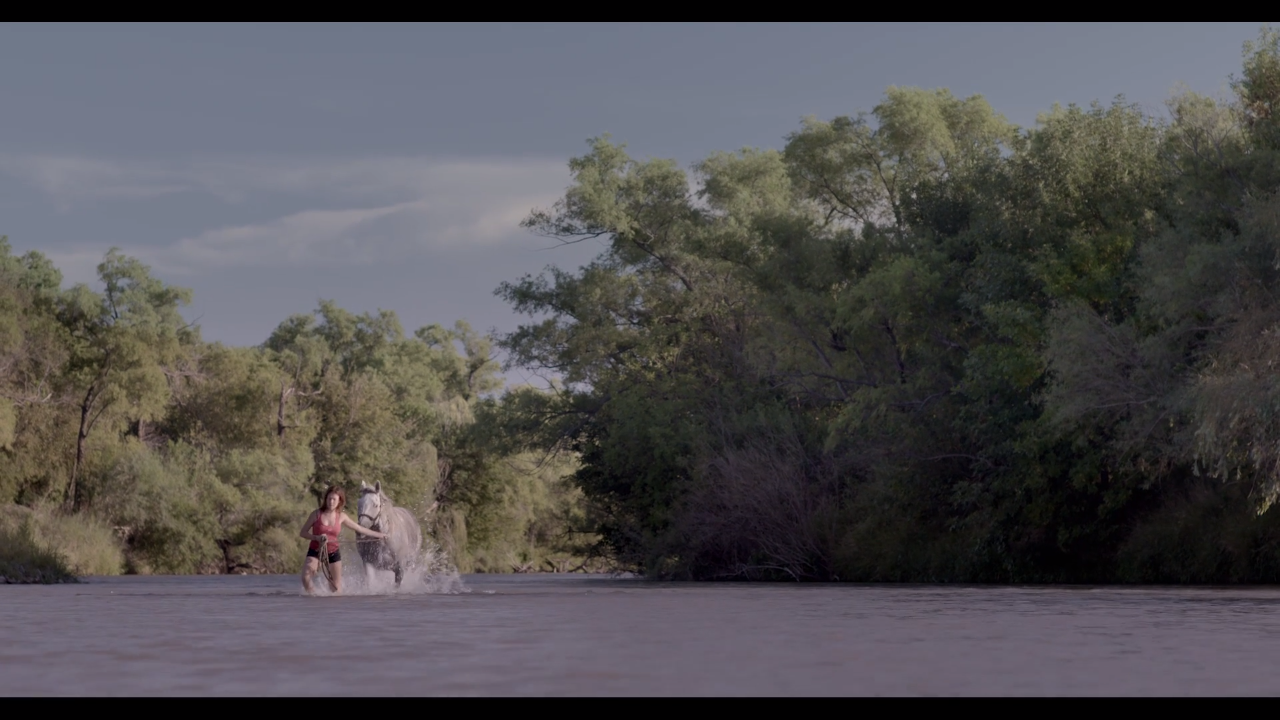
    Sofia (15) decides to rescue a horse that’s being taken to a slaughter-house. Juan (17) is determined to follow her for love. She steals the horse and hides in an aqueduct. The owners of the horse find her. She escapes through the river but is not going to be easy… Same as standing between childhood and adulthood or between reality and utopia.


    Sofía (15) decide rescatar un caballo que está a punto de ser sacrificado en un matadero. Juan (17) la sigue en sus peripecias por amor. Ella logra robar el animal y se esconde en un acueducto pero los dueños del caballo no tardan en encontrarla. Intenta escaparse con el caballo  en una difícil travesía por el rio pero no le resultará nada fácil.


    Director´s Biography / Biografía del Director:

    MATÍAS LUCCHESI

    Matias Lucchesi was born in Córdoba, Argentina, in 1980. His short film “Distancias” (2010) won the prize for best short at Biarritz Film Festival. He shot his first feature film “Ciencias Naturales” with a completely independent production and with no financial support. The film was awarded Best Feature Film Generation at Berlinale 2014; Best Film, Best Actress and Best Script at Guadalajara Film Festival; Special Mention at San Sebastian Film Festival. “El Pampero”, his second feature film was presented in several films festivals such as Miami, Lima, Sao Paulo, Huelva, Mannheim, among others.


    Matías Lucchesi nació en Córdoba, Argentina en 1980. Cursó distintos estudios de teatro y  dramaturgia. Su cortometraje “Distancias” (2010) fue ganador del Festival de Cine de Biarritz. Su primer film “Ciencias Naturales” ganó Mejor Película en la sección Generation de Berlinale 2014; Mejor Película, Actriz y Guión en Guadalajara 2014 y Mención Especial del Jurado en Horizontes Latinos del Festival de San Sebastián 2014. El Pampero, su segundo largometraje participó en Festivales como BAFICI, Miami, Lima, Sao Paulo, Huelva y Mannheim.


    Overview / Ficha técnica:

    Script / Guión: Matías Lucchesi

    Director / Director: Matías Lucchesi

    Executive Production / Producción Ejecutiva: Matías Lucchesi

    Producer: Eugenia Vera, Mario Pedernera

    Cinematography and Camera / Dirección de fotografía y Cámara: Sebastián Ferrero

    Art Director / Director de Arte: Ayelen Mufari, Cecilia Audisio

    Sound Design / Diseño de Sonido: Martin Litmanovich, Melina Stasiak

    Editing / Edición: Lucía Torres

    Cast / Actores: Paula Hertzog, Santiago Luna


    Festivals, Awards and Nominations / Festivales, Premios y Nominaciones:

    – BAFICI; 04/2018; Argentina

    – FICIC, Festival Internacional de Cine Independiente de Cosquín; 05/2018; Argentina

    – Festival Nacional de Cine de General Pico; 06/2018; Argentina


    – Contact / Contacto:

    Gisela Chicolino

    FilmsToFestivals

    Gisela@filmstofestivals.com


    Salta la liebre / Origami / Sedecine

    www.saltalaliebre.com

    Argentina


  • Entre la Tierra

    Entre la Tierra


    Inside Land


    Technical Info / Información Técnica:

    (2015) – 00:24:57 – Argentina, Costa Rica, Chile – TIPO DE CAMARA – 25 fps – 1.78 (16×9 VIDEO) – Full HD – Color – Sound 5.1 – NTSC


    Short Synopsis / Sinopsis Corta:

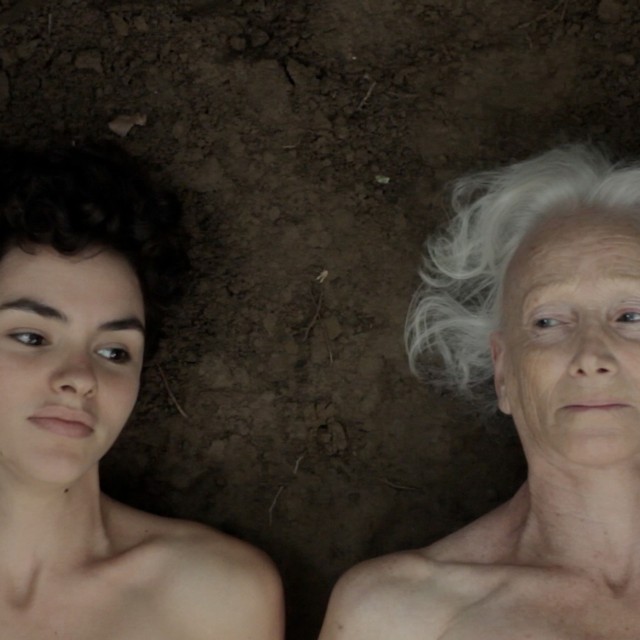
    Marta lives in complete isolation, Maya settles nearby. Once the boundaries between them are dissolved, an unexpected ritual will transform both.


    Marta vive en completa soledad, Maya se instala cerca suyo. Cuando los limites se disuelven se genera un ritual inesperado que las transforma.


    Synopsis / Sinopsis:

    Marta always lived in the same house in complete isolation. Maya, a young traveler, settles nearby. Once the boundaries between them are dissolved, an unexpected ritual triggers Marta’s confrontation with her deepest fear.


    Marta ha vivido siempre en la misma casa en completo aislamiento. Maya, una joven viajera, se instala en el terreno de al lado. Cuando los límites que las separan se disuelven, se genera un ritual inesperado en el cual Marta enfrentará su miedo más profundo.


    Director´s Biography / Biografía del Director:

    SOFIA QUIRÓS UBEDA

    Web: www.sofiaquiros.com


    She was born in Buenos Aires in 1989; lived most of her life in Costa Rica. In 2008 she goes back to her home land, reunited with her roots, she began with her studies at the University of Buenos Aires. Currently, she is a graduate of the University of Buenos Aires in Audio-Visual Design. In 2012, she graduated at the Argentinean Syndicate of Cinematography, obtaining a degree as a Director of Photography. After working in various short films, in 2011, she directed her first Documentary “Al otro lado” (“The other side of the Mountain”), which participated in various film festivals (Awarded first prize in its category at the Festival REC Argentina 2012; Worth mentioning and audience award at the Argentinean Human Rights Film Competition 2012; Participation at the Human Rights Film Festival Napoles 2012, Barcelona 2013 and Paris 2013, INCAA TV 2014). In 2014 she started the production of the short film “Entre la Tierra” (“Inside Land”) – in which she was director, producer and Editor.  “Entre la Tierra” (“Inside Land”) was selected as work in progress to be used in workshops of sound and edition at the Talents Berlinale of Buenos Aires, as part of the 16th edition of the BAFICI. In 2014 creates the production company MIGRACINE and produces the short film “#YA” which participated in the last edition of the Berlinale Festival in the section Generation 14plus. In March of 2015 she participated in Talents Guadalajara with her first feature film in work in progress, called “Ceniza Negra”.


    En el 2008 migra de Costa Rica a Buenos Aires para estudiar cine. Actualmente es Diseñadora de Imagen y Sonido de la UBA y graduada desde el 2012 del Sindicato de Cine Argentino SICA en Dirección de Fotografía. Luego de realizar varios cortometrajes en el área de dirección y edición, dirige en el 2011 su primer Documental “Al otro lado“, el cual recorrió diversos festivales ( Primera mención y voto al público DerhumALC Cine de Derechos Humanos Argentina 2012; Participación en el Festival Cine Derechos Humanos Napoles 2012, Barcelona 2013 y Paris 2013, INCAA TV 2014). En 2014 comienza la producción del cortometraje “Entre la Tierra” el cual quedó seleccionado como WIP para trabajar en talleres de edición y sonido en el Talents Berlinale de Buenos Aires, en el marco del 16BAFICI. Produjo el cortometraje experimental “#YA”, selección oficial de cortometrajes Generation 14plus Berlinale 2015, participó del Talents Guadalajara con su primer largometraje en desarrollo “Ceniza Negra”. Actualmente es Directora General en la productora audiovisual Migracine y profesora en Sociología de la Imagen en la UBA.


    Filmography / Filmografía:

    2010 “Pez”: Cortometraje experimental Super 8 5min. Dirección y Montaje

    2011 “Al otro lado” Cortometraje Documental 15 min. Dirección

    2011 “Cinemar”: Cortometraje Ficción 22 min. Asistente  de Dirección y Montaje

    2012 “Tara y Chia”: 35mm Cortometraje Experimental 10 min. Dirección, Dirección de Fotografía  y Montaje

    2013 “#YA”: Cortometraje experimental 15 min. Producción y Asistente de Cámara.

    2015 “Entre la Tierra”: Cortometraje ficción 29 min. Guión, Dirección, Producción y Montaje


    Director’s Statement / Declaraciones del Director:

    The film was created with the need to portray the depth of loneliness and power of an encounter between two strangers. The relationship between these two women is crossed by: the ritual, the fear of death and the bond to the other as an encounter with oneself. In the film, each one of the few characters is a key element for the development of the story. The scenery, in this case the island, was constructed a character, that express itself throughout the film, increasing its presence by the camera and sound. The island, in this story, is not only the place where the actions take place, it is an intrinsic part of each event: connects, kills, separates and exiles. It was an intense decision daring to tell a story without a dialogue, where every detail of the construction of the scene and sound design had to transmit what this women feel, but do not speak. The language used in each element of the set, is looking to build in a cinematically way the power of the encounter between these two strangers. An encounter that crossed by death, creates a link that awakens and transforms both, each woman in a different way. This magic that happens between them, it’s what the film tries to generate to those who see and hear the film. The challenge of the film was not only narrative. Many of the riches that came on the set, were born from the difficulties in the production. The lack of electricity, potable water and the extreme distances between locations, managed to soak us in the universe of the characters. Each of the details, that are involved on a film creation, were crossed by the desire to tell this story that ventures almost intuitively, to seek other languages to tell what goes through all of us: the power of human connection.


    La película nace con la necesidad de retratar la profundidad de la soledad y la potencia de un encuentro entre dos personas desconocidas. Atraviesan a la historia que se genera entre las dos protagonistas: el ritual, el miedo a la muerte y el vínculo con el otro como encuentro con uno mismo. En el cortometraje, cada uno de los pocos personajes que hay, representa un elemento clave para el desarrollo de la historia. Se construyó el espacio de la isla como un personaje más, que se va expresando a lo largo del film, de manera más evidente a través de la cámara y el sonido. La isla, en esta historia, no es solo el lugar donde se desarrollan las acciones, es parte intrínseca de cada acontecimiento: encuentra, mata, expulsa y separa. Fue una decisión intensa atreverse a contar una historia sin diálogos, donde cada detalle de la puesta en escena y el diseño sonoro transmitiera aquello que las mujeres sienten, pero no hablan. El lenguaje utilizado, en cada elemento de la puesta, busca construir cinematográficamente la potencia del encuentro entre estas dos desconocidas, que al estar atravesado por una muerte, genera un vínculo que despierta a ambas y las transforma, a cada una de diferente manera. Esa magia, que sucede entre ellas, es lo que se busca generar en aquel que vea y escuche el cortometraje. El reto de la película no fue solo narrativo. Muchas de las riquezas que surgieron en el rodaje, nacieron de las dificultades en la producción. La falta de electricidad, de agua potable, las distancias extremas entre las locaciones lograron empaparnos en el universo de los personajes. Cada uno de los detalles, que implican realizar una película, fueron atravesados por el deseo de contar esta historia, que se arriesga, de manera casi intuitiva, a buscar otros lenguajes para contar aquello que a todos nos atraviesa: la potencia del vínculo humano.


    Overview / Ficha técnica:

    Script / Guión: Florencia Rovlich, Sofía Quirós, Tania Lavanderos

    Director / Director: Sofía Quirós Ubeda

    Director Assistant / Asistente de Dirección: Florencia Rovlich, Tania Lavanderos

    General Productor / Productores: Florencia Rovlich, Sofía Quirós, Tania Lavanderos

    Executive Production / Producción Ejecutiva: Tania lavanderos

    Production Manager / Jefe de Producción: Florencia Rovlich

    Production Assistant / Asistente de Producción: Gabriela Quesada

    Cinematography and Camera / Dirección de fotografía y Cámara: Francisca Sáez Agurto

    Art Director / Director de Arte: Natalia Panozzo

    Sound Design / Diseño de Sonido: Francisca Oyaneder, Santiago Davico

    Editing / Edición: Sofía Quirós Ubeda

    Original Music / Música Original: Guido Bucello

    Cast / Actores: Stella Maris Isoldi, Paula Castagnetti


    Festivals, Awards and Nominations / Festivales, Premios y Nominaciones:


    Links:

    Web: www.entretierra.com

    Trailer: https://vimeo.com/110519822

    Facebook:


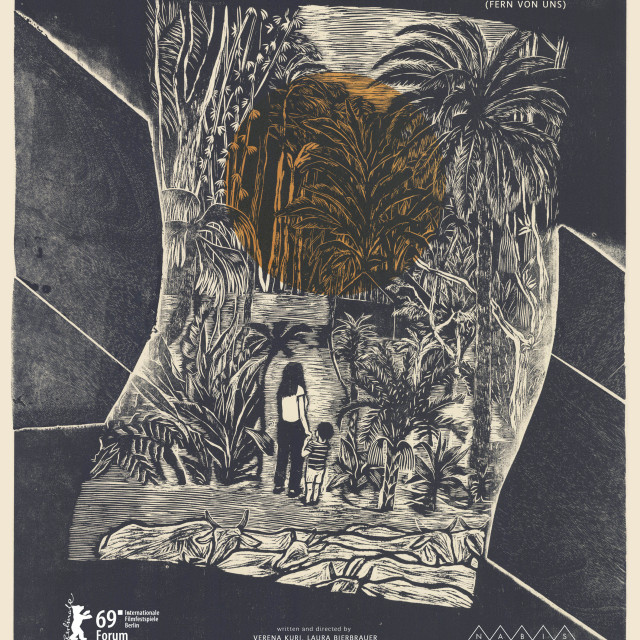
  • Far from us

    Far from us

    Fern von uns


    Technical Info / Información Técnica:

    (2019) / 01:17:00 / Color / 5.1 / 1,85:1 / Misiones, Argentina / Documentary-Fiction / Drama, family


    Logline:

    After a long absence, Ramira reunites with her mother and child, leading to a balancing act between acceptance and avoidance. The child struggles between two mothers, while Ramira seeks to find a sense of reinsertion in the middle of a labyrinth of hybrid languages and customs.


    Después de su larga ausencia, Ramira se reúne con su madre y su hijo, lo que  lleva a sumergirse nuevamente en una relación de desequilibrio y rechazo. El niño lucha entre dos madres, mientras que Ramira busca encontrar un sentido de reinserción en medio de un laberinto de idiomas y costumbres híbridas.


    Synopsis / Sinopsis:

    Ramira returns to the Misiones rainforest from where she ran away after the birth of her son.  Her efforts to rebuild the bond with her mother and her son, who does not recognize her as his mother, are complicated.  Her family questions her abandonment of the child and fights with her over the deceased father’s inheritance. The child struggles between two mothers, while Ramira seeks to find a sense of reinsertion in the middle of a labyrinth of hybrid languages and customs.


    Ramira regresa a la selva misionera, desde donde huyó después del nacimiento de su hijo. Los intentos por reconstruir el vínculo con su madre y su hijo, quien no la reconoce como su mamá, se complican. Su familia critica su ausencia y abandono del niño y pelea en relación a la herencia del padre fallecido.   El hijo se debate entre dos madres, mientras Ramira trata de encontrar un sentido de pertenencia en medio de un laberinto de lenguas y costumbres híbridas.


    Director´s Biography / Biografía del Director:

    VERENA KURI

    Germany

    Verena Kuri was born in 1979 and studied Film Directing at the Film University of Buenos Aires. She was selected at the Biennale College program where her first feature film “Una Hermana” had its world premiere at the Venice Film Festival. She is a founding member of the director’s label Nabis Filmgroup, dedicated to the production of art-house films.

    Nació en 1979 y estudió Dirección de Cine en la Universidad de Cine de Buenos Aires. Fue seleccionada en el programa Biennale College, donde su primer largometraje, “Una Hermana” tuvo su estreno mundial en el Festival de Cine de Venecia. Es Co-fundadora de la productora  Nabis Filmgroup.


    LAURA BIERBRAUER

    Germany

    Laura Bierbrauer was born in 1980. She studied Social Anthropology and Film at the University of Fine Arts in Hamburg. Having received her master’s degree in film with a documentary (Fantasmas de Capital) and in anthropology with fieldwork about informal recycling workers, she moved to Buenos Aires in 2010, where she currently works as a filmmaker and editor.


    Laura Bierbrauer nació en 1980 y estudió antropología social y cine en la Universidad de Bellas Artes de Hamburgo. Tras obtener su maestría en cine con un documental (Fantasmas de capital) y en antropología con un trabajo de campo sobre cartoneros, se mudó en 2010 a Buenos Aires, donde trabaja como cineasta y editora.


    Director’s Statement / Declaraciones del Director:

    A feeling that extends itself in Far from us is best described by a word in German that has a double meaning: Heimsuchen. This means to “look for one’s home» and «the home that follows you» at the same time. The characters of our film are guided by this double meaning and are motivated by the need to find their home in the present, even though a distant past clashes with finding their place of belonging. The province of Misiones in Northeastern Argentina is a diverse place due to waves of European immigration in the last century, with the added peculiarity that this region lies on the border with Paraguay and Brazil, creating an expanded merging of cultures. Just as local and foreign traditions are lost, others are integrated: the past emerges through language, which is often reminiscent of bygone eras. In Far from us, all these notions come into play in particular family ties: a daughter’s return and her struggle to restore a bond with her son, strained relations over the inheritance of a plot of land, and livelihoods at stake due to cattle plagues. In order to move forward and find one’s place, something, inevitably, must be left behind.


    Overview / Ficha técnica:

    Script / Guión: Verena Kuri, Laura Bierbrauer

    Producer / Producción: Santiago Carabante, Lukas Rinner, Verena Kuri, Laura Bierbrauer, Florencia Clérico

    Executive Producer: Lukas Rinner, Alberto Trigo

    Director / Director: Verena Kuri, Laura Bierbrauer

    Cinematography & Camera / Dirección de Fotografía y Cámara: Andrés Aguiló, Laura Bierbrauer

    Art Director / Dirección de Arte:

    Editing / Edición: Laura Bierbrauer

    Sound design / Diseño de Sonido:

    Original Music / Música Original:

    Cast / Intérpretes: Marcia Majcher, Cecilia Rainero, Mateo Giménez, Juan Hintz, Susana Da Silva, Gabriela Hintz, Juana Hintz, Arno Hintz, Carlos Hintz, Rafael Hintz, Néstor García


    Festivals, Awards and Nominations / Festivales, Premios y Nominaciones:

    – 49 Berlinale Forum; 02/2019; Germany

    – 16 Obera Film Festival; 07/2019; Argentina

    – 31 Galway Film Fleadh; 07/2019; Ireland

    – 5 Pico Fest; 08/2019; Argentina

    – 50 GOA, International Film festival of India; 11/2019; India

    – 7 Dias de Cine, Lateinamerikanisches Film Fest; 11/2019; Germany


    Links:

    Teaser: https://vimeo.com/285355152


    Contact / Contacto:

    Gisela Chicolino

    FilmsToFestivals Distribution Agency

    info@filmstofestivals.com


    Nabis Filmgroup

    www.nabisfilm.com


    VENTAS INTERNACIONALES

    Film Republic


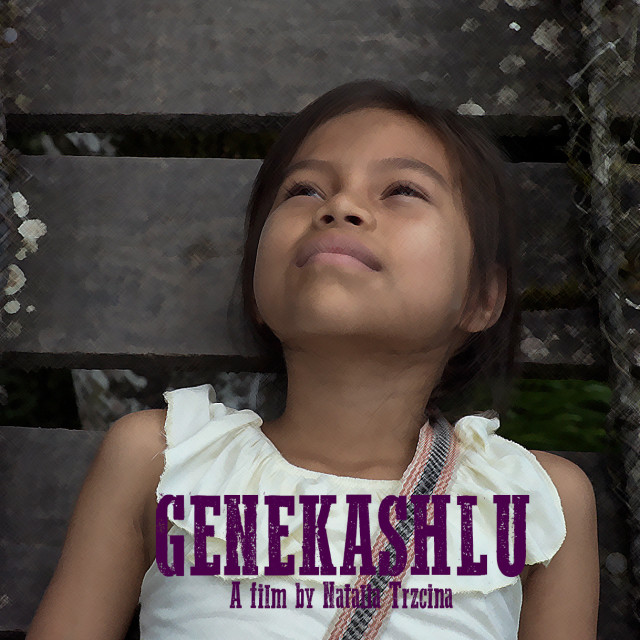
  • Genekashlu

    Genekashlu


    Genekashlu


    – Technical Info / Información Técnica:

    (2019) / 00:09:55 / ratio 16:9 / COLOR / Stereo / Sony Alpha a7s2 / 24 FPS / PAL / Perú / Drama, Social Issues, Native, Childhood


    Logline:

    Mapowa escapes from the jungle where she lives towards the city in search of her father.  The song and the road will join her at her first but inevitable disillusion.


    At the jungle, dreams perdure. In the city, disillusion becomes inevitable. In the search for her father, only the song and the road will join Mapowa at her first encounter with absence.


    Mapowa escapa de la selva donde vive rumbo a la ciudad para buscar a su padre. La canción y el camino la acompañan en su primera e inevitable desilusión.


    – Short Synopsis / Sinopsis Corta:

    After the abandonment of his father years ago, Mapowa, an eight-year-old girl who lives in the jungle, escapes to the city hoping to find him and sing a song on his birthday. It is her own song that will help her through the pain of disappointment and absence.


    Ante el abandono de su padre años atrás, Mapowa, una niña de ocho años que vive en la selva se escapa rumbo a la ciudad con la esperanza de encontrar a su padre y cantarle una canción en el día de su cumpleaños. Será su propia música la que la ayude a atravesar el dolor de la desilusión y la ausencia.


    Synopsis / Sinopsis:

    Many children in the jungle are abandoned by their parents, who leave their homes to work at the gold mines or to the cities and they never come back. Mapowa, an eight-year-old girl who lives in the Amazon jungle with her mother and younger brother, decides to go to the city in search of her father to sing him a song on his birthday. Once she arrives at the city, she meets disappointment as her father does not live there. Maybe, he never has. It is by singing her song that Mapowa manages to cross through frustration. Only then she is ready to go back home.


    Muchos niños en la selva son abandonados por sus padres, quienes se van a trabajar con el oro y ya nunca más vuelven. Mapowa, una niña de ocho años que vive en la selva amazónica con su madre y hermano menor, decide ir en busca de su padre a la ciudad para cantarle una canción en el día de su cumpleaños. Al llegar se encuentra con la desilusión de que su padre no vive allí, o tal vez nunca lo ha hecho. Mapowa logra atravesar la frustración cantando su canción y entonces está lista para volver a casa.


    – Director´s Biography / Biografía del Director:

    NATALIA TRZCINA

    Natalia Trzcina was born in Buenos Aires in 1988. She has a degree in Cinema from the University of Cinema of Buenos Aires. She works at the Audiovisual Industry in Film Direction and Production. Throughout her career, she has written and directed “Un Whisky on the rocks y un Nuevo Living” (Short film, super 16mm, 2010) and “The Land in the Middle” (Medium feature, 2k, 2012). In 2014 she participated at the Buenos Aires Talent Campus with her film “La Flaca”. In 2016 she directed “Niño Sikuri” (short film, HD). In 2018 she has participated at a Workshop with Werner Herzog at the Peruvian Amazon, where she had the opportunity to shoot “Genekashlu”.


    Natalia Trzcina nace en Buenos Aires en 1988. Es licenciada en Dirección Cinematográfica de la Universidad del Cine de Buenos Aires. Trabaja en la industria audiovisual tanto en la dirección como en la producción de películas. A lo largo de su carrera, ha escrito y dirigido “Un Whisky on the rocks y un nuevo living” (Cortometraje, super 16mm 2010) y “La tierra en el medio”, (Mediometraje, 2k, 2012). En 2014 participó en el Talents Buenos Aires con su mediometraje “La Flaca”. En 2016 dirigió Niño Sikuri. En 2018 participa en el Workshop con Werner Herzog en la selva peruana donde tiene la oportunidad de realizar el cortometraje “Genekashlu”.


    Director’s Statement / Declaraciones del Director:

    The strength of the jungle is about senses, feelings, and sounds. It is a place where possibilities expand, where limits are never previously demarked. It is at it the purity of nature where the barriers of civilized and non-civilized fall and the chaotic order prevail. The gold mining is devastating even where the forces of nature once seemed to be indestructible. At the same time, abandonment is a constant for the kids that are raised in the pure jungle. Parents go to work at the mines and they never come back. Maybe they die. Maybe they raise other families or maybe they just go to the cities and disappear inside them. Cities may become a labyrinth where we may never come out from. How is it to cross the barrier from the jungle to the city? The city is the place where disillusion appears, but: is there any way back home? How can we remember our way to nature once we were delimited by the margins of the city? Do we need to memorize the jungle’s language as a tattooed song in our minds?


    – Overview / Ficha técnica:

    Script / Guión: Natalia Trzcina

    Producer / Producción: Natalia Trzcina

    Director / Director: Natalia Trzcina

    Director of Photography and Camera / Dirección de Fotografía y Cámara: Natalia Trzcina

    Sound design / Diseño de sonido: Alejo Di Risio

    Editing / Montaje: Ezequiel Yoffe, Natalia Trzcina

    Original Music / Música Original: Emy Nazareth Sebastian

    Cast / Elenco: Emy Nazareth Sebastian, David Matías Sebastián, María Cruz, José Samuel, Sergio Veracruz


    Festivals, Awards and Nominations / Festivales, Premios y Nominaciones:

    – 41 UNCIPAR, Jornadas Argentinas e Internacionales de Cine Independiente; 08/2019; Argentina

    – 10 Oaxaca Film Festival: Industry Section; 10/2019; México

    – 22 Olympia International Film Festival for Children and Young People; 11/2019; Greece

    – 31 Festival La Mujer y el Cine; 11/2019; Argentina

    – 41 Festival Internacional del Nuevo Cine Latinoamericano de la Habana; 12/2019; Cuba


    Links:


    Contact / Contacto:

    Gisela Chicolino

    FilmsToFestivals Distribution Agency

    Gisela@filmstofestivals.com


    Black Factory Cinema (Spain)

    Pueblo Libre Films (Argentina)

  • Gulliver

    Gulliver


    Technical Info / Información Técnica:

    (2015) – 00:25:00 – DCP – fps – ratio: 16/9 – Colour – Sound: 5.1 – Spanish – Argentina


    Synopsis / Sinopsis:

    After a party, Agos and Ren leap trough time into a strange dimension in wich they remember to have been before.


    Agos tiene una madre que mira muchas películas, dos hermanos, un encuentro en una fiesta, y la sensación de haber caído en un paisaje lejanísimo, que le resulta familiar. Un mundo fallado, lleno de dependencias y puertas, que conducen al mismo lugar, pero diferente.


    Director´s Biography / Biografía del Director:

    MARÍA ALCHÉ

    Born in Buenos Aires in 1983. She studied Philosophy at Buenos Aires University and graduated with a Bachelor of Art degree from ENERC (Institute of Films and Audio Visual Experimentation). She directed several short films, awarded in Festival such as Rotterdam, Indie Lisboa, Locarno, New York, BAFICI, ZINEBI, Sao Pablo Short Film, Fribourg, Milano and La Habana among others. Her photographic work was selected for the Foster Catena Prize’s shortlist, was finalist of Itaú Cultural Prize having had a solo exhibition called Faults in 2012 and collective exhibitions at the Di Tella University and MAR Museu (Rio de Janeiro). She is currently developing his first feature film Barbara Francisco (Pasto Cine) that, up to date, has participated in Typa Lab (Colón), Tres Puertos (BAL, Valdivia, Rotterdam) and Berlinale Talents. She is part of Talent Lab Toronto (TIFF) 2015.


    Estudió Dirección de Cine en la Escuela Nacional de Cine y Experimentación Audiovisual (ENERC), en la Ciudad de Buenos Aires y Filosofía en la Universidad de Buenos Aires. Participó en el taller de Análisis de Proyectos Cinematográficos de Colón, Entre Ríos organizado por la Fundación TYPA y también de BAL-Tres Puertos organizado por Bafici, Australab, CineMart. Fue seleccionada para participar en el Berlinale Talents de Berlin Internacional Film Festival. Sus cortometrajes fueron exhibidos en Rotterdam International Film Festival, BAFICI, Buenos Aires Festival Internacional de Cine Independiente, Stony Brook University New Latino Cinema: Fact, Fiction and the Imagination, The moving Image Museum (New York) en un programa especial curado por David Schwartz, Festival Internacional de Curtas-Metragens de São Paulo, ZINEBI Festival Internacional de Cine Documental y Cortometraje, “La Noche del Cortometraje”, Rencontres Cinémas d’Amérique Latine de Toulouse, Indie Lisboa International Film Festival, Festival Internacional del Nuevo Cine Latinoamericano de La Habana, Fribourg International Film Festival FIFF, Milano Film Festival, entre otros.


    Filmography / Filmografía:

    – 2008, ¿Quién se metió con Mayra? (short film)

    – 2011, Faults (photography)

    – 2012, Noelia (short film)

    – 2015, Gulliver (short film)


    Director Statement / Declaraciones del Director:

    One deadly hot summer, I saw Agos and Renzo dancing wildly at a party. That was the day I started to imagine the story of two siblings going out at night. Back then, I used to wander about the limits of Buenos Aires city, a housing proyect’s area where there’s also an abandoned amusement park. In that park, there’s an even more abandoned Gulliver, wich used to be one of the attractions. That place used to transport me into another world, filling me with an intangible feeling of happiness; a place full of childhood rides shared with friends. I had also been thinking and reading about space-time relationship, about how little we know of the extent of these dimensions around us, wich are oddly entangled. All of these elements were enough for us to start writing and rehearsing. Gulliver is part of a series of films I’m currently developing related to this universe.


    Un verano de mucho calor, vi a  Agos y Renzo bailar desaforadamente en una fiesta. Ese día comencé a imaginar un relato de hermanos que salían juntos de noche. En ese entonces paseaba mucho por los bordes de Buenos Aires, donde hay muchos monoblocks y un parque de diversiones abandonado, donde más remotamente abandonado hay un Gulliver que en otro tiempo era un juego. Ese lugar me transportaba a otro mundo, a la sensación tangible de la felicidad y  de algunos paseos de chica con muchos amigos. También venía pensando y leyendo en relación al espacio-tiempo, a lo poco que conocemos de todas las dimensiones que nos rodean, y que están extrañamente enrolladas. De la combinación de estos elementos, comenzamos a trabajar en ensayos y escritura, sumando algunos actores más del teatro independiente que nos gustaban mucho. Gulliver forma parte de una serie de films  que tiene que ver con este universo, que actualmente desarrollo.


    Overview / Ficha técnica:

    Script / Guión: María Alché

    Producer / Producción General: María Alché, Constanza Sanz Palacios

    Executive Production / Producción Ejecutiva: María Alché

    Director / Director: María Alché

    Director Assistant / Asistente de Director: Guido Segal, Julieta Sans

    Cinematography and Camera / Dirección de fotografía y Cámara: Luisa Cavannagh

    Art Director / Director de Arte: Juan M. Killiam

    Costume Design / Vestuario: Lucia Gasconi

    Editing / Edición: Juan Pablo Menchón

    Sound Design / Diseño de Sonido: Julia Huberman, Leandro De Loredo, Gaspar Scheuer

    Cast / Actores: Agostina Luz López, Renzo Cozza, Agustina Muñoz, Susana Pampín, Camilo Polotto, Miel Bargman


    Festivals, Awards and Nominations / Festivales, Premios y Nominaciones:

    – Festival del Film Locarno; 08/2015; Suiza.


    Links:

    IMDB: http://www.imdb.com/title/tt4831728/

    Notas:


    – Contact / Contacto:

    Gisela Chicolino

    FilmsToFestivals

    Connecting Films with Festivals

    Gisela@filmstofestivals.com

    + 54 9 11 5181 1740

    +54 11 4826 7014

    Paraguay 3750, 8B; (1425); CABA; Bs. As.; Argentina

    www.filmstofestivals.com


    Sr. Burdick Argentina

    Producer

    sr.burdickarg@gmail.com


    FiGa Films

    International Sales

    contact@figafilms.com

    www.figafilms.com


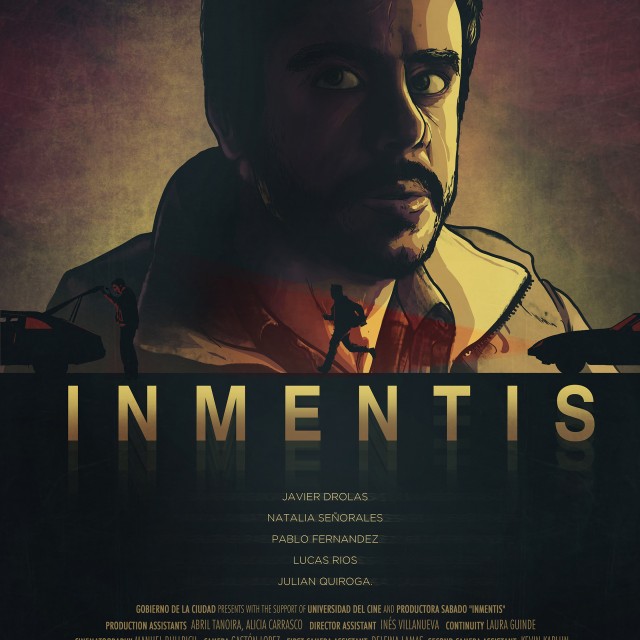
  • Inmentis

    Inmentis


    (2014)

    Duration / Duración: 00:12:30


    Logline:

    A man trapped in a route trip, over and over again.


    Un hombre atrapado en un viaje en ruta, una y otra vez.


    Short Synopsis / Sinopsis Corta:

    A man who travels in a route, will find himself trapped in the same situation in a gas station and will be victim of a strange accident, over and over again.


    Un hombre que viaja en una ruta, se verá atrapado en la misma situación en una estación de servicio, y será víctima de un extraño accidente en la ruta una y otra vez.


    Synopsis / Sinopsis:

    A man travels in a space from which he has no way out in time. That space is a route, and a gas station at the side of it. A series of crimes will take place in that gas station, that will involve the main character. He will try to run, but he will find himself locked in the same situation over and over again. No matter which direction he takes, he will find the same gas station, and will be victim of a strange accident in the route, over and over…


    Un hombre viaja en un espacio del que no puede escapar en el tiempo. Ese espacio es una ruta, y una estación de servicio al costado de la misma. En esa estación ocurrirán una serie de crímenes que involucrarán al personaje. Este intentará escapar, pero se vera encerrado siempre en la misma situación. No importa que camino tome, siempre se encontrará con la misma Estación, y será víctima de un extraño accidente en la ruta, una y otra vez…


    Director´s Biography / Biografía del Director:

    FRANCISCO DE LA FUENTE

    Francisco de la Fuente is a Young filmmaker from Argentina, who is actually finishing his studies in “Universidad del Cine” as a Film Director. He started directing films, ads and music videos 2 years ago. “INMENTIS” is his most important proyect, which meant a significant challange for its production, for which it counted with the support of the “Gobierno de la Ciudad de Buenos Aires”, “Universidad del Cine”, and “Productora Sabado”. His passion is movies and telling stories, and is developing other shortfilms to produce this year, and start with the drafting of his first feature film.


    Francisco de la Fuente es un joven director de Argentina, que en la actualidad se encuentra finalizando sus estudios en la Universidad del Cine como Director de Cine. Comenzó a dirigir en cine, publicidad y videos musicales hace unos 2 años, e “INMENTIS”, es su proyecto más importante, que significó un desafío para su realización y producción, para el cual contó con el apoyo del Gobierno de la Ciudad de Buenos Aires, la Universidad del Cine, y la Productora Sábado. Su pasión es el Cine y contar historias, y está desarrollando otros cortometrajes para realizar este año, y comenzar con la redacción de su primer largometraje.


    Overview / Ficha Técnica:

    Director / Director: Francisco de la Fuente

    Script / Guión: Francisco de la Fuente

    Producer / Producción General: Alexan Sarikamichian

    Production Manager / Jefe de Producción: Florencia Incarbone

    Production Assistants / Asistentes de Producción: Abril Tanoira, Alicia Carrasco

    Director Assistant / Asistente de dirección: Inés Villanueva

    Continuity: Laura Guinde

    Cinematography / Dirección de Fotografía: Manuel Bullrich

    Camera / Cámara: Gastón López

    First Camera Assistant / 1er Asistente de Cámara: Delfina Lamas

    Second Camera Assistant / 2do Asistente de Cámara: Kevin Kaplun

    SteadyCam: Nicolás Mayer

    Gaffer: Luis J. Celedón

    KeyGrip: Cristian Rodríguez

    Grip Assistant / Asistente de Grip: Nicolás Benítez

    Electrician / Eléctrico: Juan Iastrebner

    Electrician / Eléctrico: Gerardo Vélez

    Sound Director / Director de Sonido: Sofía Lewkowicz

    Boom Operator / Operador de Boom: Sebastián Ferrari

    Mix / Mezcla: Agustín Jaime

    Sound Supervision / Supervisación de Sonido: Daniel Mosquera

    Art Director / Director de Arte: Nenina Delucchi

    Art assistant: Lucia Saravia, Paz Irigoin

    Art Production Assistant / Ayudante de Prod. en Arte: Emiliano Costantino Frete

    Editing / Edición: Paula Baialardo

    Post-Production Color / Post-producción de Color: Manuel Bullrich

    Post-Production: Pablo Izaguirre

    Original Music / Música Original: Supercharango (Facundo Bainat)

    Still Image / Foto Fija: Sebastián Cantillo

    Cast / Actores: Javier Drolas, Natalia Señorales, Pablo Fernández, Lucas Ríos, Julián Quiroga.


    Links:

    Web: http://alexan.com.ar/inmentis/

    Facebook: https://www.facebook.com/cortoInmentis


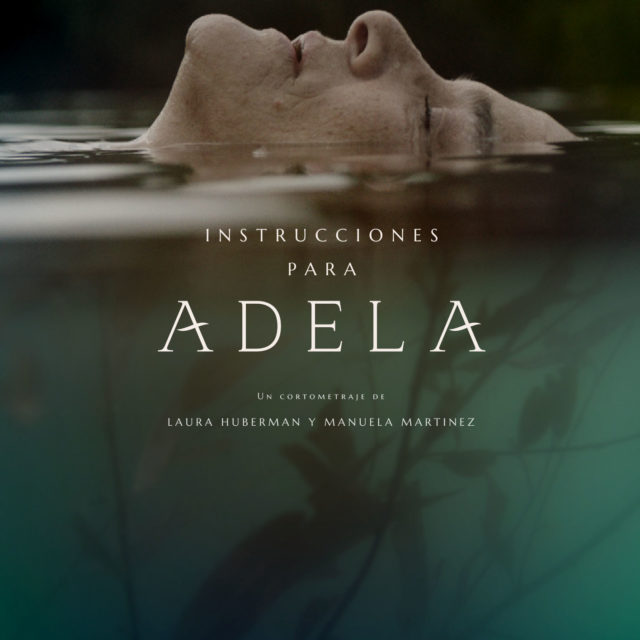
  • Instrucciones para Adela

    Instrucciones para Adela

    Instructions for Adela


    Technical Info / Información Técnica:

    (2020) – 00:15:00 – Color – Sound 5.1 – 2k – 1:1:85 – Argentina – dramedy, family, women, old age  

    Short Synopsis / Sinopsis Corta:

    Three women, three generations. Time passes by and a farewell becomes inminent. A grandmother, a mother and a daughter spend the day in a family sailboat. Some look backwards and some look forward.

    Tres mujeres, tres generaciones, el paso del tiempo y una despedida inminente. Abuela, madre e hija pasan el día en un velero familiar. Algunas miran hacia atrás y otras miran hacia adelante.

    Director´s Biography / Biografía del Director:

    LAURA HUBERMAN

    www.lauracine.com 

    She is a producer, screenwriter and director. She wrote and directed five short films. «Instrucciones para Adela» was winner of the INCAA Contest Historias breves. She is currently writing his first feature film «The First Summer» and developing a series to be co-produced with Turner Media. She has produced more than twenty short films.

    Es productora, guionista y directora. Escribió y dirigió cinco cortometrajes, “Instrucciones para Adela” fue ganador del premio de Historias Breves del INCAA. Actualmente está escribiendo su primer largometraje “El primer verano” y desarrollando una serie. Produjo más de veinte cortometrajes.

    MANUELA MARTÍNEZ

    Manuela Martínez assisted acting classes and complemented her studies with writing lessons. As an actress she participated in “Sueño Florianópolis” by Ana Katz and “Familia sumergida” by María Alché, among others. She is co-writer/director of “Instructions for Adela” awarded by the INCAA in the Historias Breves competition. Nowadays, she is writing her first feature film which is an adaption of the book “Matate amor” by Ariana Harwicz.

    Manuela Martínez estudió teatro y complementó sus estudios con clases de guión y dramaturgia. Como actriz participó en “Sueño Florianópolis” de Ana Katz, en “Familia Sumergida” de María Alché, entre otros. Co-escritora/directora de “Instrucciones para Adela” cortometraje ganador del premio Historias Breves del INCAA. Actualmente se encuentra escribiendo su primer largometraje, una adaptación del libro “Matate amor” de Ariana Harwicz.

    Overview / Ficha técnica:

    Script / Guión: Laura Huberman, Manuela Martínez

    Director / Directora: Laura Huberman, Manuela Martínez

    Director Assistant / Asistenta de Dirección: Lorena Lisotti

    Executive Productor / Productora Ejecutiva: Jimena Blanco

    Production Manager / Jefa de Producción: Sofía Toro Policino

    Art Director / Directora de Arte: Mariela Rípodas

    Wardrove / Vestuario: Jam Monti

    Make-Up & Hair / Maquillaje y Peinado: Emmanuel Miño

    Cinematography / Director de Fotografía: Joaquín Neira

    Camera / Cámara: Juan Fernández

    Sound Design / Diseño de Sonido: Jesica Suarez

    Editing / Montaje: Constanza Curia (EDA)

    Cast / Intérpretes: Elvira Onetto, Mercedes Morán, Manuela Martínez,

    Festivals, Awards and Nominations / Festivales, Premios y Nominaciones:

    – 35 Mar del Plata IFF; 11/2020; Argentina

    – 19 Dhaka International Film Festival; 01/2021; Bangladesh

    – Contact / Contacto:

    Gisela Chicolino

    FilmsToFestivals Distribution Agency

    Gisela@filmstofestivals.com

  • La Canoa de Ulises

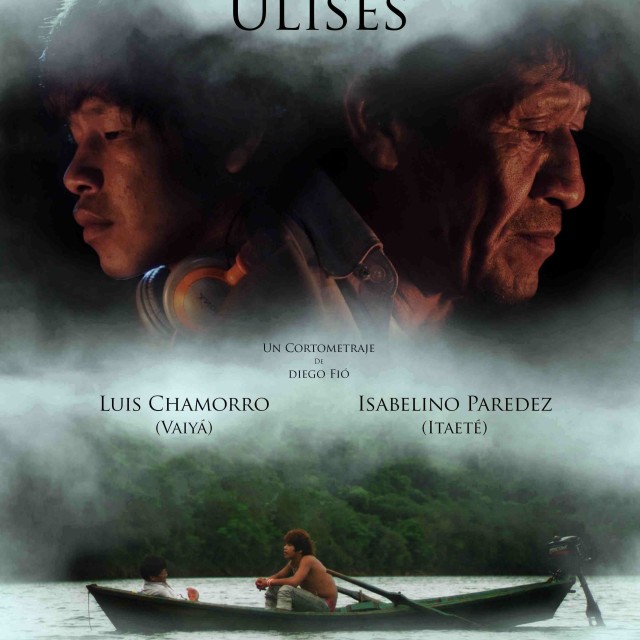
    La Canoa de Ulises

    Ulise’s Canoe

    Technical Info / Información Técnica:

    (2016) / 00:14:19 / HD 1998 x1080 / Red Scarlet / 24 fps / Pal B / Color / Sound: Stereo 5.1 / Argentina

    Synopsis / Sinopsis:

    Itaeté and Ulises, a Guraní old man and a guaraní young teenager, are immersed into the jungle, building a canoe. Itaeté is trying instilling a traditional legacy in the boy, but Ulises isn’t very interested. His true calling is music. He’s a rapper.

    Itaeté y Ulises, un anciano y un adolescente Guaraní, están internados en el monte construyendo una canoa. Itaeté trata de inculcarle su legado tradicional, pero el muchacho no está interesado. Su verdadera vocación es la música. Ulises es Rapero.

    Long Synopsis / Sinopsis Larga:

    Itaeté (old man) and Ulises (15 years old) are immersed deep in de Misionera Jungle, camping. Ther are both Guaraní Indians and are working to turn a timbó tree into a traditional canoe. Itaeté is trying to instil the traditional legacy of canoe construction into the boy, but the boy doesn’t seem to show much interest. His true calling is music. He’s a prapper. Due to a little argument between them, the old man decides to manipulate the tree trunk by himself. It turns out to be too much for him to handle and the tree trunk rolls over the fire and starts to burn. Ulises runs to help him and, together, are able to save the canoe. But, while doing so, a coral snake bites the old man. Ulises doen’t realise this and continues to turn off the fire. The old man goes into the forest in search of a medicinal plant. After healing himself, he prays to his God for assistance. As night comes, Ulises goes to sleep, still mad about the quarrel. The boy ignores Itaeté’s predicament. On the following morning, the old man rises, convalescent. His arm swollen because of the venom. The boy notices the bite and carries him to the motorboat. They start their journey back home, but the old man is in a serious condition. During the journey, the boat runs out of gas and the boy starts rowing. By the time he gets reception on his phone, the old man is dead, but before dying, he has asked the boy to finish the work they had started together. Ulises goes back to the camping, burries the old man close to a young Timbó tree, and goes back to work on the Timbó tree trunk. As he removes the burnt bark with blows from his machete, he uses the beat of his work to start rapping again. His song speaks of Itaeté and the pride of being Guaraní. This time he isn’t rapping in Spanish. This time, Ulises raps in Guaraní.

    Itaeté (anciano) y Ulises (15 años) están internados en la Selva Misionera acampando. Ambos son indígenas Guaraníes y están convirtiendo un árbol de timbó en una canoa tradicional. Itaeté trata de inculcarle su legado tradicional en la construcción de canoas, pero el muchacho no está muy interesado. Su verdadera vocación está vinculada a la música. Es rapero. Por una pequeña discusión entre ellos, el anciano decide manipular el tronco solo. Esto hace que la canoa ruede hacia el fuego y comience a incendiarse. Ulises acude en su ayuda y entre los dos impiden que la canoa se destruya, pero, en el descuido, una serpiente de coral muerde al anciano. Ulises no percibe esto y continúa trabajando para apagar el incendio. El anciano se interna en el monte buscando una planta medicinal. Luego de hacerse una curación, reza a su Dios para que lo ayude. Ya de noche, Ulises se duerme aún ofendido por aquel pleito. El muchacho desconoce el padecimiento de Itaeté. A la mañana siguiente, el anciano se levanta convaleciente. Tiene el brazo hinchado por el veneno. El muchacho nota la picadura y lo carga en sus hombros. Ambos emprenden el retorno en el bote a motor que los trajo, pero Itaeté se encuentra muy grave. En el viaje, el bote se queda sin combustible y Ulises tiene que continuar remando. Para cuando el muchacho consigue tener señal de celular, el anciano ha muerto, no sin antes pedirle que termine la canoa. Ulises vuelve al campamento, entierra al anciano cerca de un pequeño árbol de Timbó y retoma su trabajo con la canoa. Mientras golpea con el machete la corteza quemada de la canoa, rapea utilizando los golpes como Bits. Su rap habla de Itaeté y del orgullo de ser guaraní. Esta vez el rap no es en castellano. Esta vez Ulises rapea en Guaraní.

    Director´s Biography / Biografía del Director:

    DIEGO FIÓ

    Musician, photographer and nature lover, Diego Fió was born October 30, 1978 in Buenos Aires, Argentina. Having completed his studies at Buenos Aires University, he began his career as an assistant director in advertising cinema. Working for 7 years with the best directors, Diego filmed in Brazil, Uruguay, Colombia, Spain, The Netherlands and Switzerland. Interested in developing his own career as a director, Diego Fió filmed commercials and documentaries, but fiction hit him in the missionary jungle of Argentina. There he met the character that inspired his first short film: Ulises Canoe.

    Músico, fotógrafo y amante de la naturaleza, Diego Fió nació el 30 de octubre de 1978 en Buenos Aires, Argentina. Habiendo cursado imagen y sonido en la Universidad de Buenos aires, comenzó su carrera profesional como asistente de dirección en cine publicitario. Trabajo durante 7 años con los mejores directores de Argentina y así filmó en Brazil, Uruguay, Colombia, España, Holanda y Suiza. Interesado en desarrollar su propia carrera como Director, Diego Fió filmó comerciales y documentales, pero la ficción lo alcanzó en la selva misionera de Argentina. Ahí conoció al personaje que inspiró su primer cortometraje: La Canoa de Ulises.


    Director’s Statement / Declaraciones del Director:

    The word tradition fascinated me since childhood. According to the dictionary, is the culture of a determined community, maintained and transmitted from generation to generation. My grandparents respected their tradition as the anchor that held them from drift. When I was young I thought that this word was loaded with a conservative and rigid connotation, as something to be kept to the letter, without justification, static and unchanging. But as I grew older, I invisibly incorporated those traditions. This time with my own imprint. I was creating my own traditions with my contents but also with contents of my ancestors. This became crucial to discover my real and genuine «me». This revelation, which for many can be evident, was so surprising that led me to the creation of this film. Traditions, far from being rigid, are permanently changing. Each generation chooses what he wants to endure and adds it to its own history, to his own habits. The Word tradition is nearer to the word change than to the word permanence.

    Since occidental conquerors displaced the original people of the Americas, the indigenous has tried to adapt to the new territorial and cultural reality. The reduction of its territory, to an insignificant piece, made the indigenous change his lifestyle very much linked to nature, to enter the ranks of the capitalist system imposed by Western culture. This isn´t todays new and has been happening since Cristobal Colon put a feet in The Americas, but today, with the advance of technology, the connectivity and the massive media, the indigenous access to global content and tries to decode and incorporate them into their own culture.

    This film was born from a trip in which I met a group of Guaraní teens that make Hip Hop music. (Guarani is an indigenous group of northern Argentina, Southern Brazil and Eastern Paraguay). At the beginning they started making the lyrics in Spanish but as the interest grew in the different Guaraní communities, they started using their native language. The Guaraní.

    They use Hip Hop because RAP allows them to easily express the injustice and the abuse that their people are submitted. Today, this young Guaraní group is not making old traditional music; instead they are creating their own tradition doing Hip Hop to tell the world their truth. I was being a privileged witness of the creation of a new tradition. The elders trying to understand this new music and teens looking to distinguish and evaluate witch part of the ancestral culture keep. Those worlds were so different that the clash of the new and the old tradition was very powerful.

    The canoe is that symbol. It is that element that once was crucial in the life of this people and today is meaningless and has no functionality at all. Today´s boats are made industrially and it has no sense to make them the traditional way. But the art of building canoes with Timbó trees is what connects the Guaraní people to their ancestors, their beliefs and their history. As the anchor that holds them from drift.

    That’s what this film is about. The clash of the old and the modern, tradition versus innovation, but above all, discovering our own identity, discovering ourselves. A tree becomes a tree only when its root hugs the ground.


    La palabra tradición me fascinó desde niño. Según el diccionario, es el conjunto de bienes culturales que se transmiten y se mantienen de generación en generación dentro de una comunidad. Mis abuelos las tenían y las cumplían como el ancla que los sujetaba de la deriva. En mi niñez creí que esa palabra estaba cargada de una connotación conservadora y rígida. Como algo que debía mantenerse a rajatabla, sin justificación, estática e inmutable. Pero a medida que iba creciendo, iba incorporándolas invisiblemente. Esta vez con mi propia impronta. Fui creando mis propias tradiciones con contenidos míos pero también con contenidos de mis antepasados, y así fui descubriendo mi “yo” más genuino y real. Esta revelación, que para muchos puede ser evidente, para mí fue tan sorprendente que dio lugar a la creación de este cortometraje.

    Las tradiciones lejos de ser rígidas, cambian permanentemente. Cada generación elige lo que quiere hacer perdurar y lo suma a su propia historia, a sus propios hábitos que surgen de la edad histórica que es toca vivir. La palabra tradición está más cerca de la palabra cambio que de la palabra permanencia.

    Desde que los pueblos originarios de América fueron desplazados de sus tierras a manos de los conquistadores, el indígena ha tratado de adaptarse a la nueva realidad tanto territorial como cultural. La reducción de su territorio a la mínima expresión llevo al indígena a cambiar su modo de sustento, vinculado a la naturaleza, para colocarlo en las filas del sistema capitalista impuesto por occidente.

    Esto no es nada nuevo y viene sucediendo desde que Colón puso su pié en América, pero hoy en día, con la conectividad que nos permite internet y los medios de comunicación modernos, el indígena accede a contenidos globales y trata de decodificarlos e incorporarlos a su propia cultura.

    Este cortometraje nace de un viaje en el que conocí un grupo adolecentes Guaraní-Mbya que hacían Hip Hop. (Guaraní-Mbya es un pueblo indígena del norte de Argentina). Ellos utilizaban ese género musical porque podía expresar fácilmente su contenido de protesta ante la injusticia que el indígena tiene que soportar diariamente. Ya no se hacían canciones tradicionales Guaraníes sino que se utilizaba el RAP y el Hip Hop para decir lo que necesitaban que el mundo escuchase. En un principio hacían canciones en español, pero a medida que las diferentes comunidades guaraníes, esparcidas por la selva misionera, se iban interesando en ellos, los adolescentes decidieron comenzar a rimar y componer RAP y HIP HOP en su lengua nativa. El Guaraní-Mbya.

    Sin darme cuenta estaba siendo testigo de la creación de una nueva tradición, pero siendo los mundos tan diferentes, el choque de lo antiguo y lo moderno era muy potente. Los ancianos tratando de entender lo nuevo y los adolescentes buscando distinguir y valorar lo ancestral. Eso tan antiguo que pierde la lógica en mundo de hoy. La canoa es ese símbolo. Es ese elemento que fue fundamental en la vida de este pueblo y que hoy carece de sentido y funcionalidad. Sin embargo el arte de la construcción de canoas con árboles de timbó es lo que arraiga al Guaraní a sus ancestros, a sus creencias y a su historia. Tanto como un ancla que los sujeta de la deriva histórica.

    De eso trata este cortometraje. Del choque de lo antiguo y lo moderno, de la tradición frente a la innovación, pero sobre todas las cosas trata del descubrimiento de la propia identidad, del descubrimiento de nosotros mismos. El árbol es árbol solo cuando sus raíces abrazan el suelo.


    Overview / Ficha técnica:

    Script / Guión: Diego Fió

    Producer / Producción: Diego Fió

    Production Manager / Jefe de Producción: Sol Bizzozero

    Producer Assistant / Asistente de Producción: Marcelo Scoccia

    Director / Director: Diego Fió

    Director Assistant / Asistente de Dirección: Mariana Giordano

    Art Director / Director de Arte: Luca Da Cruz

    Cinematography / Dirección de Fotografía: Pablo Iacovone

    Camera / Cámara: Pablo Iacovone

    Editing / Edición: Diego Fió, Andrés Quaranta

    Music / Música: Tomás Argomedo

    Direct Sound / Sonido directo: Mariano Palmadessa

    Sound Design: Gerardo Kalmar

    Cast / Elenco: Isabelino Paredez, Juan Luis Chamorro

    Festivals and Awards / Festivales, Premios y Nominaciones:

    – BAFICI; 04/2016; Argentina

    – Huesca International Film Festival; 06/2016; España

    – Festival de Cortometrajes “Semana de Soria en Buenos Aires” – “Special Mention”; 08/2016; Argentina

    – MARFICI, Festival Internacional de Cine Independiente de Mar del Plata; 08/2016; Argentina

    – Curta Kinoforum, Festival Internacional de Curtas Metragens de Sao Paulo; 08/2016; Brasil

    – FLVR, Festival de Cine Latinoamericano de Rosario; 09/2016; Argentina

    – Festival Biarritz Amérique Latine; 09/2016; Francia

    – Festival Internacional de Cine de Ponferrada; 09/2016; España

    – Festival Internacional de Cine del Paraguay; 10/2016; Paraguay

    – Pizza, Birra y Cortos, Festival Nacional de Cortometrajes – “Best Short Film”; 10/2016; Argentina

    – Tres Fronteras, Festival Internacional de Cine – “Best Short: Local Competition”; 10/2016; Argentina

    – Festival Internacional del Nuevo Cine Latinoamericano de la Habana; 12/2016; Cuba

    – FECIMA, Festival de Cine del Barrio Mapocho; 12/2016; Chile

    – Clermont Ferrand International Short Film Festival; 02/2017; Francia

    – Hacelo Corto, Festival Internacional – “Best Cinematography”; 03/2017; Argentina

    – Penca, Short Film Festival – “Best Short: RAFMA Award”; 03/2017; Argentina

    – Festival Cordillera – Best Short Film; 04/2017; Ecuador

    – CMS International Children’s Film Festival; 04/2017; India

    – BioBioCine, Festival Internacional de Cine en Concepción; 04/2017; Chile

    – UNCIPAR, Jornadas Internacionales de Cine y Video Independiente – “SAGAI Award: Best Male Performance” “ACCA Award: Best Short film”; 04/2017; Argentina

    – EPA CINE, Festival Internacional De Cine De El Palomar; 05/2017; Argentina

    – Kurumin Cine – Festival Internacional de Cine Indígena; 07/2017;  Brasil

    – Encontro de Culturas Tradicionais da Chapada dos Veadeiros; 07/2017; Brasil

    – Molise Cinema Film Festival; 08/2017; Italy

    – FIFNL, Festival International du Film de Nancy; 08/2017; France

    – FESAALP, Festival de cine Latinoamericano de La Plata; 09/2017; Argentina

    – FILMETS, Badalona Film Festival; 10/2017; Spain

    – Cote Bleue, Festival International de Courts Metrages; 10/2017; France

    – Mirada Oeste, National Film festival – “Best Narrative Short: Press Award”, “Best Narrative Short”, “Argentores Award: Best Narrative screenplay”; 10/2017; Argentina

    – Paris Courts Devant, International Short Film Festival; 11/2017; France

    – ZUBROFFKA, International Short Film Festival; 12/2017; Polonia

    – See You Sound, International Music Film Festival; 01/2018; Italy

    – Dresden International Short Film Festival; 04/2018; Germany

    – 66 Nominación al Premio Condor de Plata; 08/2018; Argentina

    – 12 Muestra Cine + Video Indígena, MUCIVI; 08/2018; Chile

    – 10 Imágenes Sociales, Festival Latinoamericano de Cortometrajes – Best narrative Short film; 10/2018; Argentina

    – 11 Festival Internacional de Cine y Video Alternativo y Comunitario Ojo al Sancocho; 10/2018; Colombia

    – 14 Cine Vivo, Perth Independent Latino Film Festival; 10/2018; Australia

    – 13 Arica Nativa, Festival De Películas Nativas; 11/2018; Chile

    – 3 Strano Film Festival; 08/2019; Italy

    – 37 Sulmona IFF; 11/2019; Italy

    Links:

    Facebook: https://www.facebook.com/La-Canoa-De-Ulises-743737985758188/

  • La de Messi

    La de Messi

    The One Of Messi


    – Technical Info / Información Técnica:

    (2018) / 00:13:00 / 24 FPS / ratio 16:9 / COLOR / sound 5.1 / Buenos Aires, Argentina / Drama, Childhood, family,


    – Short Synopsis / Sinopsis Corta:

    Lautaro and José take from what others discard, the sustenance of the family. After a violent situation at home, José discovers that his favorite figure, Messi’s, does not look the same.


    Lautaro e José tiram do que outros descartam o sustento da família. Depois de uma situação violenta em casa, José descobre que sua figurinha favorita, do Messi, não parece mais a mesma.


    Lautaro y José toman de lo que otros descartan, el sustento de la familia. Después de una situación violenta en casa, José descubre que su figurita favorita, del Messi, ya no es la misma.


    Synopsis / Sinopsis:

    Lautaro (11 years old) and José (6 years old) learned to find, in others that they throw away, the daily sustenance that their family needs. Lautaro protects a little brother from a situation that occurs violently between his parents. The next day, José discovers a message on his album of world figures. Messi’s, his favorite, is no longer the same as before. Your family either.


    Lautaro y José aprendieron a encontrar en lo que otros desechan el sustento diario que su familia necesita. Lautaro protege a su hermanito de una situación que se intuye violenta entre sus padres. Al día siguiente, José descubre un mensaje en su álbum de figuritas del Mundial. La de Messi, su favorita, ya no luce como antes.  Su familia tampoco.


    – Director´s Biography / Biografía del Director:

    MAURO IVÁN OJEDA

    Mauro Iván Ojeda is an audiovisual producer. In the year 2016 his screenplay «LA DE MESSI» wins Historias Breves INCAA contest and is premiered at the Mar Del Plata international festival, also is selected at San Pablo Film Festival, Film Festival of Quito and Uncipar Festival 2018: it is the winner of the best short film and the first prize of the Association of Cinematographic Chroniclers. In 2018 he writes and directs a horror short film THE NEW BIBLE.


    Mauro Iván Ojeda es realizador audiovisual. En el Año 2016 su guión “LA DE MESSI” gana el concurso Historias Breves de INCAA, el cual dirige y es estrenado en el festival internacional de Mar Del Plata. LA DE MESSI es seleccionado en el festival de cine de San Pablo, Festival de Cine de Quito y Festival Uncipar 2018: resultando ganador como mejor cortometraje y el primer premio de la Asociación de Cronistas Cinematográficos. En el año 2018 escribe y dirige el cortometraje de horror LA NUEVA BIBLIA.


    Mauro Iván Ojeda, es un realizador audiovisual amante del Género fantástico y de Horror, como así también de historias sensibles y de tinte social. Ha estudiado en diversos Institutos de Cine, como así también con la Directora y Productora Paula Hernández y el guionista Pablo Meza, Entre otros cursos y seminarios realizados en estos últimos años. Se desempeña como Director, Guionista, Productor y Productor Ejecutivo. A lo largo de estos últimos 7 años de formación como guionista y director de cine y televisión ha colaborado, escrito, producido y grabado diversos proyectos cinematográficos, tanto en proyectos Ganadores del INCAA, como en producciones independientes. En 2015 dirige un Video Clip para la banda de rock Argentina LOS TRAMPOSOS. En 2016 su guión LA DE MESSI resulta ganador del concurso del INCAA Historias Breves, proyecto que escribe y dirige: Es estrenado en el Festival Internacional De Mar Del Plata 2017 y resulta seleccionado en el 29 Festival de Cine de San Pablo, en el Festival Internacional de Cine de Quito y en el Festival UNCIPAR.


    Filmography / Filmografía:

    – El Tipo De Las Máquinas, Pre-Prod, 2018

    – El Alojamiento, Pre-Prod, 2018

    – Los Mariachis Y El Almirante (Evaluado En Incaa)

    – La Nueva Biblia, Cortometraje Horror, 2018 y Largometraje

    – La de Messi, cortometraje, 2017

    – Los Diez Mundos, guión Largometraje, Primer Suplente Del Concurso De Ópera Prima Del Incaa 2012/2013, Finalista Del Premio Argentores De Latinoamérica 2013.

    – Osmosis


    – Overview / Ficha técnica:

    Script / Guión: Mauro Iván Ojeda

    Producer / Producción: Mauro Iván Ojeda

    Production Manager / Jefe de Producción: Marcela Coria

    Director / Director: Mauro Iván Ojeda

    Director of Photography / Dirección de Fotografía: Carla Stella

    Camera / Cámara: Ati Mohadeb

    Film Editor / Edición: Soledad Venier

    Art Director / Dirección de Arte: Mirella Hoijman

    Sound design / Diseño de sonido: Diego Martínez

    Cast / Elenco: Ariel Pérez Di María (René), Sandra Martínez (Mayra); Abel Ayala (Matías);  Lautaro (Fernando Pastrana); Josecito (Ignacio Galarza).


    Festivals, Awards and Nominations / Festivales, Premios y Nominaciones:

    – 1 Festival Internacional De Cine La Picasa; 02/2018; Argentina

    – 3 Festival De Cine Internacional De Quito; 08/2018; Ecuador

    – 29 Festival Internacional De Cortometrajes De San Pablo; 08/2018; Brasil

    – 40 Festival Internacional De Cine Uncipar (Best Short Film, Best Short Film: Critics Award; 09/2018; Argentina

    – 4 Concurso De Cortometrajes Contra la Violencia a la Mujer; 11/2018; España

    – 34 Festival Nacional De Cine y Video Independiente Cipolletti; 11/2018; Argentina


    Links:


    Contact / Contacto:

    Gisela Chicolino

    FilmsToFestivals

    info@filmstofestivals.com


    Cinematres

    549116699-3895

    info@cinematres.com.ar

  • La Donna

    La Donna

     (2013)

    – Duration / Duración: 00:13:58


    – Logline:

    One night. A couple. One guest. A table immersed in alcohol, singing, play. Seduction. Decline. Emptiness.


    Una noche. Una pareja. Un invitado. Una mesa inmersa en el alcohol, el canto, el juego. Seducción. Decadencia. Vacío.


    – Short Synopsis / Sinopsis Corta:

    A woman. Am I blonde? Her man. Sono Uomo? One guest. A table immersed in alcohol, jazz. The game. Am I a sex symbol? The seduction. The decay. The void. Am I an actress? La Donna.


    Una mujer ¿Soy rubia? Su hombre ¿Sono uomo? Un invitado. Una mesa inmersa en el alcohol, el jazz. El juego. ¿Soy un símbolo sexual? La seducción. La decadencia. El vacío ¿Soy una actriz? La Donna.


    – Synopsis/ Sinopsis:

    The night. One night. Perhaps any night anywhere. It rains. A woman. No. A man. A man and a woman. No. A man, a woman and someone else. The table. A table. A table immersed in alcohol, singing, playing music. The music. No, jazz. JAZZ! The seduction, the crossing. Acting, pretend. Laught. The kisses. No. Decline. One night, a woman a man and someone else, on a table. No. The Void.


    La noche. Una noche. Quizás cualquier noche en cualquier lugar. Llueve. Una mujer. No. Un hombre. Un hombre y una mujer. No. Un hombre, una mujer y alguien más. La mesa. Una mesa. Una mesa inmersa en el alcohol, el canto, el juego, música. La música. No, jazz. JAZZ! La seducción, el cruce. Actuar, pretender. La risa. Los besos. No. La decadencia. Una noche, una mujer un hombre y alguien más, en una mesa. No. El Vacío.


    – Director´s Biography / Biografía de la Directora:

    NICOLÁS DOLENSKY

    Nicolas Dolensky born in Salta, currently majoring in Cinematography at «Universidad del cine» in Buenos Aires, Argentina. Nicolas showed early signs of passion in directing films and started filming with his own personal camera while being a high school student. He eventually filmed his first self-made movie at the age of fourteen called «Que lindo sería volar». At age sixteen he continued that intrinsic passion combined with social awareness and produced «Dignidad Secuestrada», a controversial film about human trafficking. Although he did not have budgets for either films, he managed to obtain resources with huge efforts in order to produce both films which were shown on important Theatres in Salta and the money raised was donated to a small acting school in Salta.
    «Universidad del Cine» and Salta’s City Government supported Nicolas with a small budget in the development of his short film «La Donna». Nicolas is currently writing the sketch for his first professionally produced full length film.


    Nicolas Dolensky nació en Salta y en la actualidad está especializándose en Dirección de Cine en la «Universidad del Cine». Cuando era estudiante de secundaria comenzó a mostrar los primeros signos de su pasión por el cine filmando películas con su cámara personal. Su primera película independiente la realizó a los 14 años «Que lindo seria volar». A los 16 años, continuó esa pasión intrínseca combinada con la conciencia social y produjo «Dignidad Secuestrada», una controvertida película sobre la trata de personas. A pesar de que no contaba con presupuesto para ninguna de sus películas, se las arregló para obtener recursos con enormes esfuerzos y logró proyectarlas en teatros importantes de Salta, de allí el dinero recaudado fue donado a una pequeña escuela de actuación en Salta.
    La «Universidad del Cine» y el Gobierno de la Ciudad de Salta apoyaron a Nicolas con un pequeño presupuesto en el desarrollo de su reciente cortometraje «La Donna». Nicolas está escribiendo el boceto para su primer largometraje producido profesionalmente.


    – Overview / Ficha técnica:

    Producer / Producción General: Alexan Sarikamichian

    Production Manager / Jefe de Producción: Luciana Civelli

    Production Assistant / Asistente de Producción: Juliana Grigera, Josefina Regueira

    Director / Director: Nicolás Dolensky

    Script / Guión: Nicolás Dolensky

    Director Assistant / Asistente de dirección: Belén Quintana

    Cinematography and Camera / Dirección de Fotografía y Cámara: Fernando Lockett

    First and Second Camera Assistant / 1er y 2do Asistente de Cámara: Victoria Pereda

    Continuity: Florencia Incarbone

    Gaffer: Diego Gesualdi

    Grip: Ivan de Lara

    Electrician / Eléctrico: Daniel Santoyo

    Boom operator / Operador de Boom: Micaela Picco

    Art Director / Director de Arte: Mariano Rubín de Celis

    Art assistant: Emilia Martínez Domina

    Wardrobe / Vestuario: Victoria Marotta

    Make up / Maquillaje: Paula Melfi

    Hairstyle / Peinado: Lucas Perrone

    Editing / Edición: Paula Bailardo

    Sound Director / Director de Sonido: Lucas Galambos

    Post-Production Color / Post-producción de Color: Luisa Cavanagh

    Original Music / Música Original: Agustin Eckhardt

    Italian Coach: Lorenzo Barone

    Scratch Operator: Gabriela Cevallos Coka

    Pro-Tools Operator: Virginia Tognola

    – Cast / Actores: Érica Rivas, Claudio Tolcachir, Nicolas Mateo


    – Festivals, Awards and Nominations / Festivales, Premios y Nominaciones:

    – Festival Internacional de Cine de Mar del Plata; 11/2013; Argentina.

    – LatinUy, Festival Internacional de Cine Latino; 11/2013; Uruguay.

    – ALCINE, Festival Internacional de Cine; 11/2013; España.

    – Ícaro, Festival Internacional de Cine en Centro América; 11/2013; Guatemala.

    – Festival de Cine Cortala Tucumán; 11/2013; Argentina.

    – Festival Internacional de Cine Corto Tapiales – “Best Production” “Special Mention: Production Design”; 12/2013; Argentina.

    – Ascona Film and Video Art Festival; 02/2014; Suiza.

    – Festicine Pehuajó – “Best Narrative Short”, “Best Performance”; 02/2014; Argentina.

    – FICIQQ, Festival Internacional de Cine de Iquique; 02/2014; Chile.

    – San Diego Latino Film Festival; 03/2014; US.

    – Periferia, Festival Internacional de Cortos – “Best Short Film”; 03/2014; Argentina.

    – UNCIPAR, Jornadas Argentinas e Internacionales de Cine y Video Independiente – “Special Mention”; 04/2014; Argentina.

    – Miami Gay & Lesbian Film Festival; 05/2014; US.

    – CIMM FEST, Chicago International Movies & Music Festival; 05/2014; US.

    – Inside Out LGBT Film Festival; 05/2014; Canadá.

    – Libercine, Festival Internacional de Diversidad Sexual y Género – “Special Mention”; 05/2014; Argentina.

    – KASHISH Mumbai International Queer Film Festival; 05/2014; India.

    – Rodinia Short Film Festival; 06/2014; España.

    – Strawberry Shorts Film Festival; 06/2014; UK.

    – TAFFNY, The Americas Film Festival of New York; 06/2014; US.

    – Los Angeles International Student Film Festival; 06/2014; US.

    – SouthSide Film Festival; 06/2014; US.

    – Festival Internacional de Cine del mar; 07/2014; Uruguay.

    – Festival Internazionale del Cinema Povero; 07/2014; Italia.

    – Psarokokalo, Athens International Short Film Festival; 07/2014; Atenas.

    – Corto Tano – “Mejor Cortometraje”; 07/2014; Argentina.

    – Festival de Cine Mirada en Cortos; 08/2014; Argentina.

    – Festival de Cine de Lima; 08/2014; Perú.

    – Leonardo Favio, Festival de Cine Nacional – “Mejor Cortometraje”; Argentina; 08/2014.


    – UNICA, Union Internationale du Cinema; 08/2014; Slovakia.

    – Otros Cines, Muestra Nacional de Cine Independiente; 08/2014; Argentina.

    – Long Beach Indie International Film Festival; 08/2014; US.

    – Tandil Cortos, Festival Nacional de Cortometrajes – “Best Performance”; 08/2014; Argentina.

    – FIC, Festival Internacional del Cortometraje de Bella Vista; 09/2014; Argentina.

    – White Sands International Film Festival; 09/2014; US.

    – Festival Internacional de Cine de Caracas; 09/2014; Venezuela.

    – FLVR, Festival Latinoamericano de Video y Artes Audiovisuales; Argentina; 09/2014.

    – Festival Biarritz Amérique Latine; 09/2014; Francia.

    – North Louisiana Gay & Lesbian Film Festival; 09/2014; US.

    – FESAALP, Festival de Cine Latinoamericano – “Special Mention”; 09/2014; Argentina.

    – Harlem International Film Festival; 09/2014; US.

    – Mirada Oeste, Festival de Cine de Godoy Cruz; 09/2014; Argentina.

    – Muestra de Cine Centro e Iberoamericano; 10/2014; Nicaragua.

    – Festival Cinematográfico “Visión Ribereña”; 10/204; Argentina.

    – Festival Internacional de Cortos Cuenca del Salado – “Mejor Actriz”; 10/2014; Argentina.

    – CineRockom International Film Festival; 10/2014; US.

    – Corto Rodado, Festival Nacional de Cortometrajes; 10/2014; Argentina.

    – LesGaiCineMad, Festival Internacional de Cine Lésbico Gai y Transexual de Madrid; 10/2014; España.

    – Festival Internacional de Cine de las Tres Fronteras; 10/2014; Argentina.

    – FIB ABC – “Best Female Performance”; 10/2014; España.

    – Live International Online Short Film Festival – “Short of the Month Award – Best Female Performance”; 11/2014; India.

    – Espacio Queer, Festival de Cine sobre Diversidad Sexual y Género; 10/2014; Argentina.

    – Orlando Urban Film Festival; 11/2014; US.

    – MAFICI, Festival Internacional de Cine de Puerto Madryn – “Mención Especial”; 11/2014; Argentina.

    – Hamilton Film Festival; 11/2014; Canadá.

    – Braunschweig Internationales Film Fest; 11/2014; Alemania.

    – Argentine Film Festival; 11/2014; UK.

    – Festival Internacional Martil; 11/2014; Marruecos.

    – Bahamas International Film Festival; 12/2014; Bahamas.

    – La Noche del Cortometraje – “3rd place”; 12/2014; Argentina.

    – Beloit International Film Festival; 02/2015; US.

    – Richmond International Film Festivals; 02/2015; US.

    – Mostra de Cinema Llatinoamerica de Catalunya; 04/2015; España.

    – Brussels Short Film Festivals; 04/2015; Bélgica.

    – MEDIA – ART LVIV FESTIVAL; 05/2015; Ucrania.

    – Festival Cinerama BC – “Best Short Film”; 06/2015; Brasil.

    – REC, Festival de Cine de Universidades Públicas – “Best Fiction Short, Latinoamerican Competition”; 06/2015; Argentina.

    – Festival de Cine del Mar; 07/2015; Uruguay.

    – Festival Imago Courts Métrages Ibéro-américains; 09/2015; Francia.

    – Primeiro Plano, Festival de Cinema de Juiz de Fora e Mercocidades; 10/2015; Brasil.


    – Links:

    IMDB: http://www.imdb.com/title/tt2990818/

    Trailer: https://vimeo.com/77607300

    Facebook: https://www.facebook.com/cortoladonna

    Notas / Notes:


  • La Niña de Tacones Amarillos

    La Niña de Tacones Amarillos


    The Girl in Yellow Heels

    (2015)


    Technical Info / Información Técnica:

    Red One / 1.78 (16/9) / Color / Dolby 5.1 / 01:74:00 / Jujuy, Argentina


    Short Synopsis / Sinopsis Corta:

    For an entire year, a small town up northeast Argentina undertakes the construction of a hotel. Young Isabel goes through the first-hand experience of a clash of cultures.


    Durante un año, un pequeño pueblo del noroeste argentino se enfrenta a la construcción de un hotel. La joven Isabel, vive en carne propia este choque cultural.


    Synopsis / Sinopsis:

    For an entire year, a small town assumes the construction of a big hotel. Isabel, a 15-year-old local girl goes through a first-hand experience of this clash of cultures. She starts working at the premises along with her mother, as she slowly realizes she’s become the men’s object of attraction. She feels a sort of unspoken beauty power. Days go by and -upon different incitement events- Isabel is drawn to use her seduction to obtain the things she wants. The situation gets complicated. Her new behavior causes some trouble around her and family quarrels emerge. That unspoken power will take her along unknown paths, where the value of her beauty is nothing but the flipside of her submission to a sexist eye.


    Durante un año un pequeño pueblo, se enfrenta a la construcción de un gran hotel. Isabel una joven  quinceañera del lugar, vive en carne propia este choque cultural. Comienza a trabajar junto a su madre en el predio y de a poco vislumbra que es sujeto de atracción entre los hombres. Interpreta una suerte de poder implícito en su belleza. Los días comienzan a pasar y ante los nuevos estímulos, Isabel se ve Incitada a utilizar su seducción para conseguir aquello que desea. La situación se complica de a poco. Su nuevo comportamiento trae problemas a su entorno y se generan peleas en su círculo más íntimo. Ese poder implícito la llevará por caminos desconocidos, donde el valor de su belleza no parece ser mas que la  contracara del sometimiento de la mirada machista.


    Long Synopsis / Sinopsis Larga:

    Un apartado pueblo celebra el aniversario de su patrona. Todo es júbilo y algarabía en la plaza, lugar donde se da el tan esperado encuentro. Isabel, una hermosa quinceañera, irrumpe en el baile, tomando por sorpresa a todos con sus movimientos que destilan una sensualidad  no propia de su edad. Miguel (30) un foráneo apartado de la multitud bebe cerveza mientras la observa con deseo, ella no es consciente de dicha situación.

    Al día siguiente, la construcción de un hotel imposibilita una vuelta a la cotidianidad. Los habitantes se despiertan envueltos en ruidos y camiones. Isabel se entera que va a ir a trabajar junto a su madre, Carmen (36) al predio de construcción. En un principio Isabel se encuentra renuente a colaborar con su madre, ya que no puede compartir las tardes con sus amigos en el cerro. Pero luego ella también encuentra una ventaja, uno de los obreros, Miguel, se le comienza a insinuar.

    Sara (14), su mejor amiga e hija del intendente, es con quien Isabel comparte sus sueños e intimidad. Últimamente la idea de viajar a la ciudad la desvela a Isabel, quien le insiste a Sara para que convenza a su padre para que las lleve.

    Miguel comienza a agasajarla con presentes cada vez que ella va a la construcción. De esta forma, Isabel, vislumbra que es sujeto de atracción entre los hombres y que a través de su cuerpo puede conseguir aquello que desea. Principalmente su deseo de conocer la ciudad. Isabel descubre junto a Miguel su sexualidad.

    Sara siempre tiene lo último en la moda, Isabel, comienza a sentir una gran presión por ello y crea una competencia implícita con su amiga. En una de sus visitas al almacén del Chango, Isabel ve unos tacones amarillos que la deslumbran. Sabiendo la atracción que siente José, el hijo del almacenero, por ella, Isabel lo seduce. José cede ante ella y termina entregándole el par de zapatos.

    Isabel se escapa a la ciudad con Miguel y falta al cumpleaños de Sara. Ella logra pasar desapercibida esa noche ante su madre, pero son muchos los ojos que la observan. Una noche, letrero anuncia la apertura del Hotel. El cartel es visible desde cualquier punto. Lo mismo sucede con el proceder de Isabel.

    La sobrecarga de consumo eléctrico hace saltar la térmica del pueblo y se corta la luz de todo el pueblo. La gente se reúne en le intendencia a pedir soluciones.  El clima se vuelve tenso. La luz sigue sin volver.

    Sara y José se sienten defraudados, no vuelven a dirigirle la palabra a Isabel.

    Carmen descubre los zapatos amarillos y se desata una fuerte pelea con su hija. Isabel busca refugio en Miguel, pide escaparse con él a la ciudad. Vuelve la luz al pueblo. Arreglan para fugarse, pero Miguel falta a su palabra y nunca pasa a buscarla. Isabel queda sola.
    El hotel está listo. La gente se acumula en la plaza, Isabel también. Con sus tacones amarillos, su cuerpo se hace sentir en la plaza. Un hombre extraño se le acerca. Ambos se apartan de la multitud. El hombre le ofrece conocer el interior del hotel. Ella cree tener todo bajo control, hasta que este hombre comienza a tratarla como prostituta. Ella resiste, pero no puede controlar la situación. Isabel y Luis salen a la escuela. Durante el camino ven a todos que pasan uniformados, listos para servirles a los nuevos extranjeros. Nada es como antes. Una nueva cotidianidad ha invadido su pueblo.


    Director´s Biography / Biografía del Director:

    LUJÁN LOIOCO

    Lujan Loioco was born in buenos aires on 1986. She graduated from FUC film school on 2010 and since that moment she became a young producer, director and writer. Her first feature «The girl in yellow heels» which she wrote, produced and directed, won the «Opera Prima Contest» of the Argentinian Film Institute of Cinema, achieving the 80% of the funding. «The girl in yellow heels» was premiered at Buenos aires International Independent film festival (BAFICI).

    At the moment she is producing Mariano Turek´s opera prima «Something about a woman» a crime thriller expected to be shoot on 2017.


    Se recibió como directora cinematográfica en la Universidad del Cine en Buenos Aires.

    En 2008 dirige el cortometraje “SANGRA” seleccionado en el 16º Festival Latinoamericano de Video de Rosario y en el 6º Festival Internacional de Cortometrajes de Cusco.

    Durante el año 2010 recibe una beca del programa Ibermedia en colaboración con la Escuela Internacional de Cine y Tv San Antonio de los Baños (Cuba) para realizar el “Taller de Escritura de Guión de Largometraje” a cargo de Alejo Flah.

    “La Niña de Tacones Amarillos” su primer largometraje, fue seleccionado en el 2010 por el INCAA como proyecto ganador del Concurso Opera Prima, consiguiendo gran parte de su financiación. “La Niña de Tacones Amarillos” cuenta también con el apoyo de la Universidad del Cine.


    Filmography / Filmografía:

    • (2008) “Sangra” (short film, 16 MM), estrenado en FENACO PERU y en Competencia de Escuelas de Cine del Festival de Cine Latinoamericano de Rosario.
    • (2012) “El Amor Siempre Nos Quema (Mediometraje), estrenado en Festival Comunidad Zoom .


    Director’s Statement / Declaraciones del Director:


    Director’s Note

    “A 15-year-old girl runs down a narrow dirt track;

    she desperately moves amongst the hills until she reaches a park.

    She bursts into a party and becomes the spotlight. Isabel dances.

    She unfolds her body and sensuality, not being aware of nothing else around her”.


    This is how “La niña de tacones amarillos” begins. In a matter of minutes, it invites us into Isabel’s world.  A deep-rooted character that lives and experiences life through her body. A free spirit, without constraints, that moves around a landscape that seems endless. The film tells Isabel’s transformation; her going from child to woman, as well as the assimilation of this Argentinean plateau small town into the world of consumerism. The intention is not to show Isabel’s change from the natural viewpoint of a human being as they mature, but, instead, to portray – from my own vision- what it means to become a woman and to transform yourself in the pre-conceived self-imposed by the capitalist society. Where rules and structures are still being held by strong bad sexist habits. Isabel reveals herself through the eyes of others and she quickly becomes a prisoner of that. Of the eyes of sexual objectification. Isabel is revealed to the world, as the town starts transforming its old habits and customs, leaving its pace and silences behind, to move deep into a world of consumerism and promptitude. “La niña de tacones amarillos” emerges from very intimate questioning. Who am I, and how much of me belongs to me or it’s been acquired? What would last of me, if I had been born in a different type of society? We find ourselves searching for the edge between what seems imposed and what’s “real” and inherent, what would eventually last in ourselves in any possible type of society.


    Nota de la Directora

    “Una joven quinceañera, corre desesperadamente por una angosta calle de tierra;

    se apresura entre los cerros hasta llegar a una plaza.

    Irrumpe en un baile, y queda en el centro de la escena. Isabel, baila.

    Despliega su cuerpo y sensualidad sin ser consciente de nada más a su alrededor.”


    Así arranca “La niña de tacones amarillos”. En breves minutos, nos invita al mundo de Isabel. Un personaje visceral, que vive y siente con el cuerpo. Un ser libre, sin condicionamientos que habita en un paisaje que parece ser infinito. La película cuenta el camino de transformación de Isabel. Su paso de niña a  mujer; así como también, la fusión de este pequeño pueblo de la puna argentina y su ingreso al mundo del consumo. La intención con Isabel no es mostrar su cambio desde un punto de vista natural de lo que supone la  maduración de un ser humano; sino más bien, retratar a partir de mi imaginario, lo que significa convertirse en mujer y transformarse en ese concepto creado e impuesto por la sociedad capitalista. Donde las normas y estructuras siguen sosteniendo fuertes resabios machistas. Isabel se descubre con la mirada del otro y rápidamente se vuelve prisionera de ella.  La mirada de la  cosificación. Isabel se revela al mundo, al mismo tiempo su pueblo se va modificando en sus hábitos y costumbres. Despidiéndose de sus tiempos, sus silencios, para adentrarse en el mundo del consumo y lo inmediato.  “La niña de tacones amarillos” surge a partir de interrogantes realmente íntimos, ¿Quién soy y cuanto de  mi me pertenece o es adquirido? ¿Qué perduraría de mí, si hubiese nacido en otra sociedad posible? De esta forma nos encontramos buscando el límite entre aquello que nos parece impuesto y lo ¨real¨ intrínseco  a nosotros mismos, aquello que nos acompañaría en cualquier sociedad posible.


    Overview / Ficha Técnica:

    Produced by / Producido por: Werner Cine

    Executive Producer / Productor Ejecutivo: Daniel Werner

    Production Manager / Jefe de Producción: Germán Garrido

    Production Assistant / Asistente de Producción: Maira Juárez

    2nd Production Assistant / Ayudante de Producción: Pablo Aramayo

    Screenplay / Guión: Luján Loioco

    Director / Dirección: Luján Loioco

    Director Assistant / Asistente de Dirección: Mariano Turek

    2nd Director Assistant / Segundo Asistente de Dirección: Natalia Dolensky

    Cinematographer and Camera / Dirección de Fotografía y Cámara: Martín Frías

    Art Director / Dirección de Arte: Alicia Vázquez

    Costum Designer & Make Up / Vestuario y Maquillaje: Mariana Seropian

    Casting: Luján Loioco, Natalia Dolensky

    Edditing / Montaje: Anita Remon

    Sound Recordist / Sonido Directo: Juan Pablo Gugliara

    Sound Director / Director de Sonido: Nahuel Palenque

    Original Music / Música Original: Ariel Chato Cruz

    – Cast / Elenco: Isabel: Mercedes Burgos; Miguel: Manuel Vignau; Carmen: María Fernanda Domínguez; Sara: Emiliana Di Pasquo; Luis: Lucas Gauna; José: Sergio Hinojosa; Ojeda: Omar La Fuente; Chango: Hugo Rufino Choque


    Festivals, Awards and Nominations / Festivales, Premios y Nominaciones:

    – BAFICI, Festival Internacional de Cine Independiente de Buenos Aires; Argentina; 04/2015.


    Links:

    IMDB: http://www.imdb.com/title/tt4598710

    Trailer: https://www.youtube.com/watch?v=N3hyEvBphPA

    Facebook:


  • La Noche al Sol

    La Noche al Sol


    A Sunny Night


    Technical Info / Información Técnica:

    (2018) – 00:18:22 – XAVC-S – 16:9 – PAL – 23 FPS – HD – Color – Sound Stereo – Argentina – narrative short film, graduation thesis, LGBT


    Short Synopsis / Sinopsis Corta:

    New Year’s Eve is here. The city is in a trance-like state. Among blackouts, fireworks, and cheap cider, a girl lets herself flow with people she doesn’t know, hoping to feel something different.


    Llega noche de fin de año. La ciudad está como en trance. Entre cortes de luz, sidra barata y fuegos artificiales, una chica se dejará fluir entre gente que no conoce, buscando sentir algo diferente.


    Synopsis / Sinopsis:

    New Year eve arrives in Buenos Aires, in time of economic crisis. Ada tries evades reality with Zoe, creating a fantasy world front a camera. But electric light cuts in the house, forcing them to make other plans. Night comes and Ada doesn’t have anyone to toast, so stay with Zoe and her friends. She carried away from events and tries to celebrate, although every situation only confirms her true loneliness.


    Llega año nuevo a Buenos Aires, en una época de crisis económica. Ada intenta evadirse con Zoe, creando un mundo de fantasía frente a una cámara. Pero la luz se corta en toda la casa y deben cambiar los planes. Llega la noche y como Ada no tiene con quién celebrar se queda con Zoe y sus amigos a quién no conoce. Ada se entrega a la noche y trata de pasarla bien, aunque cada situación solo la soledad que la rodea.


    Director´s Biography / Biografía del Director:

    PABLO BOCHARD

    www.pablobochard.com

    Pablo Bochard born in Buenos Aires en 1990, he study in Universidad Nacional de las Artes. To date he has made several short films, including La Revancha (2015) and Nomophobia (2016).


    Pablo Bochard naciò en Buenos Aires en 1990, estudiò en la Universidad Nacional de las Artes. Lleva hasta la fecha realizados varios cortometrajes entre los que se distinguen La Revancha (2015) y Nomofobia (2016).


    Director’s Statement / Declaraciones del Director:

    A Sunny Night is born in the summer of 2017 out of my need to express my emotions and those of the people around me. In the film, I narrate a story about young, unemployed, lonely people with artistic pretensions that attempt to share a New Year’s Eve party. I was interested in recreating an urban summer, rarefied by the overwhelming heat and silences. A summer full of idleness and the obsession to fill time with empty conversations, celebrations and unfamiliar people. The lead character, who is out of place in all the scenes, goes through a silent transformation. As she lets herself go with the flow of situations, she gradually loses her clothing until finally, in a leap of faith towards freedom; she walks through the city in her bathing suit, oblivious to outside eyes.


    La Noche al Sol nace en el verano de 2017, a través de una necesidad de expresar emociones mías y de la gente que me rodea. Quería narrar una historia sobre jóvenes con pretensiones de artistas, desocupados y solitarios que tratan de compartir una fiesta de año nuevo. Me interesaba trabajar sobre un verano urbano enrarecido, de calor agobiante y de grandes silencios. Un verano de ocio y de obsesión por llenar el tiempo con charlas vacías, festejos y gente desconocida. La protagonista, que está desubicada en todas las escenas, sin embargo, va sufriendo una transformación silenciosa. Mientras se deja llevar por el fluir de situaciones que se interrumpen, va perdiendo su vestimenta. Para finalmente dar un salto y se arrojarse, en un acto vacío y liberador, a caminar en maya por la ciudad, olvidándose de la mirada ajena.


    Overview / Ficha técnica:

    Script / Guión: Pablo Bochard

    Director / Director: Pablo Bochard

    Production / Producción: Lara S. Rodríguez

    Cinematography / Dirección de fotografía: Lucía Rivera López

    Camera / Cámara: Aymará Schwieters

    Art Director / Director de Arte: Alejandro Solmesky

    Sound Design / Diseño de Sonido: Nahuel Lombardo, Francisco Polosecki

    Editing / Edición: Pablo Bochard

    Cast / Actores: Valentina Brodsky, Sofía del Tuffo


    Festivals, Awards and Nominations / Festivales, Premios y Nominaciones:

    – 20 BAFICI; 04/2018; Argentina

    – 4 Mostra La Ploma, LGBT IFF; 05/2018; España

    – 7 Muestra de Cine Independiente del Centro; 06/2018; Argentina

    – 15 Outfest Perú, LGBT International Film Festival; 06/2018; Perú

    – 1 Piotr, International LGBTQ & Coming Of Age Short-Films Festival; 09/2018; France


    Links:

    Trailer English: https://vimeo.com/254587725

    Facebook: https://www.facebook.com/lanochealsol/


    – Contact / Contacto:

    Gisela Chicolino

    Gisela@filmstofestivals.com


  • La Nueva Biblia

    La Nueva Biblia

    The New Bible


    – Technical Info / Información Técnica:

    (2019) / 00:24:00 / Cámara Sony 4K- UHD FS7 / 24 FPS / ratio 2.35:1 / COLOR / sound 5.1 / Argentina


    Logline:

    A broken family, the bible and a night that will mark them forever.


    Una familia quebrada, la biblia y una noche que los marcará para siempre.


    Short Synopsis / Sinopsis Corta:

    Santiago and Soledad is a couple who is going through a horrible situation of total impotence. Desperate to find a solution, they resort to something clandestine and terrifying that goes around the houses: the new bible.


    El matrimonio formado por Santiago y Soledad atraviesa por una horrible situación de total impotencia. Desesperados, acuden al pedido de algo clandestino y aterrador que anda circulando por las casas: la nueva biblia.


    Synopsis / Sinopsis:

    One more stage of a long treatment. A breakfast that generates optimism and then, a new disappointment. This is how the days of the marriage formed by Santiago and Soledad that goes through a horrible situation. Desperate, they resort to something clandestine and obscure that goes around the houses: the new bible.


    Una etapa más de un largo tratamiento, un desayuno que genera optimismo y una nueva desilusión. Así transcurren los días del matrimonio formado por Santiago y Soledad que atraviesan una horrible situación. Desesperados, acuden al pedido de algo clandestino y oscuro que anda circulando por las casas: la nueva biblia.


    – Director´s Biography / Biografía del Director:

    MAURO IVÁN OJEDA

    Mauro Iván Ojeda is an audiovisual producer. In the year 2016 his screenplay «LA DE MESSI» wins Historias Breves INCAA contest and it premiered at the Mar Del Plata international festival, also is selected at San Pablo Film Festival, Film Festival of Quito and Uncipar Festival 2018: it is the winner of the best short film and the first prize of the Association of Cinematographic Chroniclers. In 2018 he writes and directs a horror short film THE NEW BIBLE.


    Mauro Iván Ojeda es realizador audiovisual. En el Año 2016 su guión “LA DE MESSI” gana el concurso Historias Breves de INCAA, el cual dirige y es estrenado en el festival internacional de Mar Del Plata. LA DE MESSI es seleccionado en el festival de cine de San Pablo, Festival de Cine de Quito y Festival Uncipar 2018: resultando ganador como mejor cortometraje y el primer premio de la Asociación de Cronistas Cinematográficos. En el año 2018 escribe y dirige el cortometraje de horror LA NUEVA BIBLIA.


    Mauro Iván Ojeda, es un realizador audiovisual amante del Género fantástico y de Horror, como así también de historias sensibles y de tinte social. Ha estudiado en diversos Institutos de Cine, como así también con la Directora y Productora Paula Hernández y el guionista Pablo Meza, Entre otros cursos y seminarios realizados en estos últimos años. Se desempeña como Director, Guionista, Productor y Productor Ejecutivo. A lo largo de estos últimos 7 años de formación como guionista y director de cine y televisión ha colaborado, escrito, producido y grabado diversos proyectos cinematográficos, tanto en proyectos Ganadores del INCAA, como en producciones independientes. En 2015 dirige un Video Clip para la banda de rock Argentina LOS TRAMPOSOS. En 2016 su guión LA DE MESSI resulta ganador del concurso del INCAA Historias Breves, proyecto que escribe y dirige: Es estrenado en el Festival Internacional De Mar Del Plata 2017 y resulta seleccionado en el 29 Festival de Cine de San Pablo, en el Festival Internacional de Cine de Quito y en el Festival UNCIPAR.


    Mauro Iván Ojeda, es un realizador audiovisual amante del Género fantástico y de Horror, como así también de historias sensibles y de tinte social o costumbristas, ha estudiado la carrera de dirección y producción de cine en el instituto Municipal de Lomas de Zamora (EMMA LM – Leonardo Favio) y durante 7 años con el guionista Pablo Meza, entre otros talleres y seminarios realizados en estos últimos años. Se desempeña como: Director, Guionista, Productor y Productor Ejecutivo. A lo largo de estos últimos 7 años de formación como guionista y director de cine y televisión, ha colaborado, escrito, producido y grabado diversos proyectos cinematográficos, tanto en proyectos ganadores del INCAA, como en producciones independientes, en el año 2015 se encarga de la dirección del Video Clip para la banda de rock Argentina, LOS TRAMPOSOS. En el Año 2016 su guión “LA DE MESSI” resulta ganador del concurso del INCAA: Historias Breves, proyecto que escribe y dirige, y es estrenado en el festival internacional de Mar Del Plata 2017, en el 2018 resulta seleccionado en el 29 festival internacional de cine de San Pablo (Brasil), en el Festival Internacional de Cine de Quito (Ecuador) y en el Festival UNCIPAR de PINAMAR (Argentina). En el año 2018 escribe, dirige y produce el cortometraje de horror LA NUEVA BIBLIA, obra en fase de post producción con miras a festivales. Escribe el guión de largometraje LOS DIEZ MUNDOS, el cual resulta finalista del concurso de Latinoamérica de ARGENTORES en el año 2013 (entre más de 700  guiones), el mismo guión resulta seleccionado primer suplente del concurso Ópera Prima del INCAA en el año 2012/13.


    Filmography / Filmografía:

    – El Tipo De Las Máquinas, Pre-Prod, 2018

    – El Alojamiento, Pre-Prod, 2018

    – Los Mariachis Y El Almirante (Evaluado En Incaa)

    – La Nueva Biblia, Cortometraje Horror, 2018 y Largometraje

    – La de Messi, cortometraje, 2017

    – Los Diez Mundos, guión Largometraje, Primer Suplente Del Concurso De Ópera Prima Del Incaa 2012/2013, Finalista Del Premio Argentores De Latinoamérica 2013.

    – Osmosis


    Director’s Statement / Declaraciones del Director:

    La nueva biblia es un potente cortometraje de horror que explora el universo de una familia quebrada, que nos hace ser voyeurs de la auténtica pesadilla en la que está inmerso este matrimonio. Es una obra que desnuda las frustraciones, el egoísmo y los miedos de una familia que batalla con sus últimas fuerzas una rutina insostenible.


    The new Bible is a powerful horror short film that explores the universe of a broken family, which makes us voyeurs of the authentic nightmare in which this marriage is immersed. It is a work that strips the frustrations, the selfishness and the fears of a family that battles with its last forces an unsustainable routine.


    – Overview / Ficha técnica:

    Script / Guión: Mauro Iván Ojeda

    Producer / Producción: Mauro Iván Ojeda, Adrean Ramírez

    Director / Director: Mauro Iván Ojeda

    Director of Photography and Camera / Dirección de Fotografía y cámara: Mariano Suarez

    Film Editor / Edición: Lionel Cornistein

    Art Director / Dirección de Arte: Micaela Sleigh

    Sound design / Diseño de sonido: Pablo Isola

    Cast / Elenco: Celeste Gerez, Demian Salomon, Ludmila Artigas, Mario Bodega, Santiago Fondevila, Carlos Larrañaga, Roberto López


    Festivals, Awards and Nominations / Festivales, Premios y Nominaciones:


    Links:

    Trailer: https://vimeo.com/295497232/9f15e6dee5


    Contact / Contacto:

    Gisela Chicolino

    info@filmstofestivals.com


  • La Suerte de los Peces

    La Suerte de los Peces


    THE FATE OF THE FISH

    – Duration / Duración: 00:13:39

    – Storyline:

    Thanks to her mother´s depression, Mora´s and Anna´s home seems to be dead, but little Mora will find her own way to connect with life, an unusual way… perhaps outside of moral sense.

    Inundado por la energía depresiva de su madre, el ambiente en el hogar de las hermanitas Anna y Mora se respira muerto. La pequeña Mora encontrará una forma de reconectarse con la vida un tanto inusual… o quizás amoral.


    – Short Synopsis/ Sinopsis Corta:

    This is the story of Mora and Anna, two little sisters living with their Mother, a young woman facing a strong depression process. During the film Mora will find her own way to connect with life and manifest at the same time what´s happening inside her. Even though she is not looking for that, her actions will provoke her mother´s reaction, who for good or bad does what she can with what she got.


    Esta es la historia de Mora y Anna, dos pequeñas hermanas que viven con su Madre, una mujer joven que atraviesa una fuerte depresión. A lo largo de la película Mora descubrirá una nueva forma de reconectarse con la vida y al mismo tiempo de manifestar lo que sucede en su interior. Sin quererlo, su accionar despertará la reacción de su Madre quién para bien o para mal, hace lo que puede con lo que tiene.


    – Long Synopsis / Sinopsis Larga:

    This is the story of Mora and Anna, two little sisters living with their mother, a young woman facing a strong depression process. Even though they live together, all of them feel alone because of the deathly mood of this home.

    Mora is just a five years old girl with a quiet unusual personality: she shows no interest about anything but the fish tank and her drawings about it. Doesn´t matter how hard Anna tries to be closer to her little sister, she always remains distant. The same situation happens with their mother, who´s barely able to feed them. About the father, we know nothing.

    Mora´s obsession about the fish tank impels her to steal a little orange fish aiming to take a bath with it, but unfortunately (or not) Anna comes into the bathroom and almost discovers her secret. In order to avoid the situation of being caught Mora hide the little animal inside her mouth, and that´s how she discovers a new passion: eating the fishes of the fish tank, not raw but alive.

    From this moment Mora start to connect with her sister, start to play, start to feel more alive. The little girls develop a new bond, and although Anna finds out about Mora´s secret she decides not to interfere to preserve the relationship and to avoid disturbing her mother.

    But the secret will soon be exposed by accident, and even though Mora is not looking for that, her actions will provoke her mother´s reaction who, for good or bad does what she can with what she got.


    El film cuenta, la historia de Mora una nena de cinco años un tanto apática fascinada por la pecera de su casa.

    En las primeras escenas podemos apreciar la situación del hogar: una madre depresiva y una hermana mayor, de unos 8 años, que intenta sin éxito conectarse con ellas. Del padre no hay siquiera rastros.

    La obsesión de Mora por los peces la lleva a robarse un pequeño pez para bañarse con él. Es en este momento cuando descubre, casi accidentalmente, lo delicioso que le resulta comérselo vivo.

    A partir de este momento Mora se siente más viva, conectada y comienza a relacionarse con su hermanita. Anna descubre el secreto de Mora, pero para preservar la nueva relación que se ha generado entre ellas, decide no interferir. Está claro para las dos que Inés, su mamá, no debe enterarse siendo que su estabilidad ya de por sí, pende de un hilo. Es también por eso que Anna participa en encubrir lo que sucede en torno a la pecera.

    Pero el secreto no dura mucho y pronto por accidente, Inés descubre lo que está ocurriendo con su hija. Su reacción será inesperada y discutible, pero acorde a una mujer que hace lo que puede con lo que tiene.


    – Director´s Biography / Biografía de la Directora:

    MARÍA BELÉN ARANA

    She studied Cinematography in the Centro de Investigación Cinematográfica (C.I.C), Direction of Photography (S.I.C.A) and took many specialization courses like Advanced Cinematography (with Argentinian film director Pablo Fendrik), Experimental Cinematography, Scriptwriting, Art Direction, Sound Design and Acting, between others.

    From the year 2006 she worked in advertisement films, short-films, video-clips and feature films, going through the different areas like: art department, electrical department, camera assistant, production, first assistant director, casting, making-of, etc., in the belief that a film director must deeply understand each area involved in a film production.

    From 2009 until 2011 she was Executive Producer in Haciendo Cine Production Company and Trade Magazine, were between other responsibilities she was in charge of producing and programming the “Primer Corte” section (for films in the first cut stage) of “Ventana Sur” Film Market, co-produced by Argentinian film institute INCAA and the Marchè du Film from Cannes Film Festival.

    In 2012 she shoot “The Fate of the Fish” short-film as Director, worked as first assistant director of the feature film “Mujer Lobo” of Tamae Garateguy, also as Casting Director of the feature film “The Critic” of Hernán Gueschuny and as Production Coordinator of the TV series “23 Pares” of Albertina Carri.


    Después de finalizar los estudios secundarios en el Instituto Gaspar Campos, fundado por Leopoldo Torre Nilson, comienza la carrera de Realización de Cine y Televisión en el Centro de Investigación Cinematográfica (C.I.C) y paralelamente toma el curso de Dirección de Fotografía (S.I.C.A), con Fabio Bastías .

    Además de los conocimientos adquiridos durante la carrera, toma en el año 2009 decenas de cursos de especialización entre ellos Realización Cinematográfica Avanzada dictado por Pablo Fendrik, Cine Experimental por Ernesto Baca, Guión por Alberto Rojas Apel, Dirección de Arte por Aili Chen y Diseño de Sonido por  Guido Berenblum. También toma clases de Actuación en la escuela de Nora Moseinco y de dramaturgia con Mauricio Kartun.

    Desde el año 2006 se dedica a trabajar free-lance en decenas de comerciales, cortometrajes,  videoclips  y también en documentales y largometrajes, ocupando diferentes roles y aprendiendo desde cada área en particular; bajo la convicción de que un director de cine deberá atender y comprender el funcionamiento de todas las áreas implicadas en una producción audiovisual

    Posteriormente como Coordinadora de Producción para la revista Haciendo Cine, dónde ha desempeñado tareas como producción y programación de la sección de Primer Corte dentro del mercado de cine Ventana Sur (desarrollado en forma conjunta por el INCAA y el Marchè du Film del Festival de Cannes); producción y programación de seminarios especializados para la industria audiovisual; desarrollo de proyecto y asistencia de producción ejecutiva para el largometraje El Crítico de Hernán Guerschuny, declarado de interés por el INCAA y ganador del fondo de ayuda IBERMEDIA y Diseño de Producción y Jefe de Producción del piloto de televisión Haciendo Cine T.V.

    En 2012 ha trabajado free-lance en publicidad, principalmente con SAKE S.R.L, como asistente de dirección en el nuevo proyecto de Tamae Garateguy “Mujer Lobo” ganadora de la mención especial del jurado del WIP Mar del Plata, como Directora de Casting y realizadora del making of del largometraje El Crítico de Hernán Guerschuny (Revista Haciendo Cine) y como Coordinadora de Producción de la serie de unitarios de ficción 23 Pares de Abertina Carri y Directora de Casting del largometraje Un Paraíso para los Malditos de Alejandro Montiel a filmarse en Marzo de 2013.


    – Director Statement:

    The two little sisters of the short film, are actually me nieces. The older one, Abril (Anna) was born with a serious disease that ended up in a liver transplantation. During the hospitalization period I was in charge of Mía (Mora), who was a baby of just 8 months of life. Thanks to this experience I had the opportunity to learn how a the little baby, that was really scared, away from her mother, father and sister and living under a very stressful mood found her way to reconnect with life and enjoy a couple of months under my custody.

    At that time of my life I had a lot of thoughts about food, and realized that everything I eat becomes a part of me. Not only of my body, but also of my own energy and essence. I stopped eating meat, or any dead thing, and took good care of my alimentation, since “we are, what we eat” and I just wanted to be alive in every possible sense.

    From this situations came the idea of “The Fate of the Fish”. About the end of the story, I just wanted it to be ambiguous and outside what is considered good or wrong by moral sense. The fact that the Mother re-fills the fish tank for Mora seemed to be a good idea, since it was appropriate for the character personality and could be read by the audience in different ways. Some people would think that she is a little bit crazy and denying, while other people would think that she accepts and supports her daughter whoever she is, even if this is beyond cultural moral. Personally, I think that it doesn´t matter which idea is right, I wanted the audience to be able to reflect their own view of this action.

    Also I tried to create different moods trough the film: a dysfunctional home, the intimacy among children, and also a disturbing mood, since this helps to arouse feelings (and people).

    That´s way with the directors of Art and Photography we looked for beautiful and clean images that generate contrast between what we see and what is happening inside.

    In the other hand, with the sound director we choose to play a disturbing mood, full of street sounds, fish tank sounds, and disturbing TV offs, we even included a fragment of Mulholland Drive of David Lynch.

    Finally the camera proposal was to start really steal and increase the movement as the story progresses. Being stuck when the characters are stuck, and releasing it when the characters are flowing.


    Quise llevar a cabo un proyecto de ficción, que me permitiera encarar la dirección de forma experimental. Este cortometraje fue realizado a lo largo de un año y medio, a partir de un fuerte trabajo de investigación e improvisación con los actores, donde en una primera etapa ensayamos muchos los personajes, y luego el trabajo se fue dando a través de períodos de escritura, días de rodajes y edición, alternativamente a lo largo del tiempo, lo que nos permitía ir experimentando nuevos personajes, espacios y escenas, como asi también mezclar actores con personas reales,  e infiltrar la ficción en determinados lugares que nos parecían atractivos y adecuados para que nuestra protagonista se inmiscuya en ellos. Si bien había un guión originalmente, este podía sufrir modificaciones a lo largo del trabajo,  lo que fue potenciando la narración y volviendo la edición un pilar del trabajo.


    – Overview / Ficha técnica:

    Director / Director: María Belén Arana

    Script / Guión: María Belén Arana

    Director Assistant / Asistente de dirección: Gimena Joao – Martín Aliaga – Santiago Guidi

    Photography Director / Dirección de fotografía: Mariano Diluch

    Art Director / Dirección de Arte: Marlene Gancberg

    Editing / Edición: Javier Kaplan

    Sound / Sonido: Fernando Lamata – Martín Galimany

    Produced by / Producido por: Belén Arana – Ariel Honigman


    – Cast / Actores: María Fridman, Abril Masseroni, Mía Masseroni


    Festivals, Awards and Nominations / Festivales, Premios y Nominaciones:

    – ShortCuts, Hispanic American short film festival; USA; 04/2013.

    – Vancouver Latin American Film Festival; Canadá; 08/2013.

  • La Vida de Alguien

    La Vida de Alguien


    (2014)

    Somebody’s Life


    Duration / Duración: 01:32:00


    Technical Data / Datos Técnicos:

    35 mm  – color – 1:85 – sound 5.1 – Buenos Aires, Argentina


    Short Synopsis / Sinopsis Corta:

    A decade after the disappearance of his best friend and bandmate, Guillermo receives a proposition from a record label: to re-record an old album that was never released before.

    While putting together the band again, his friend Pablo helps him overcome their loss and navigate his grief. A new album made up of old songs might just be the way of doing that.


    Una década después de la desaparición de su mejor amigo y compañero musical en la banda que habían formado juntos, Guille recibe la propuesta de que un sello edite un disco que grabó con su ex banda, el cual nunca vio la luz. Conformando nuevamente la banda, su amigo Pablo lo ayuda a sobrellevar la pérdida y busca afanosamente que Guille supere su duelo. La edición de un disco con viejas grabaciones parece ser el talismán que podría lograrlo.


    Synopsis / Sinopsis:

    A decade after the disappearance of his best friend and bandmate, Guillermo receives a proposition from a record label: to re-record an old album that was never released before. This forces Guillermo into action, while trying to diminish the limits of his solitude, swipe away the disenchantments, find a new meaning to an old loss, and take the first steps towards a new destiny.

    La Vida de Alguien [Somebody’s Life] seems to ask itself about the hero’s journey in today’s society. Where does heroic fit in in a postmodern city? Do principles matter at all today? How to picture friendship in the face of physical absence? Is it possible to grieve without indulging in melancholy?

    Guille walks down his path and, much like classical heroes, is accompanied by endearing partners. While putting together the band again, his friend Pablo helps him overcome their loss and navigate his grief. A new album made up of old songs might just be the way of doing that.

    Finally, a random encounter with Luciana, the band’s newest member, will sprout new feelings from within Guillermo, putting the pain and trouble from the past to rest inside a box, or perhaps in a cassette.


    Una década después de la desaparición de su mejor amigo y compañero musical en la banda que habían formado juntos, Guille recibe la propuesta de que un sello edite un disco que grabó con su ex banda, el cual nunca vio la luz. Esto moviliza a Guille, quien intenta recortar los límites de su soledad, barrer los desencantos, encontrarle un sentido a la pérdida y dar los primeros pasos hacia un nuevo destino. “La vida de alguien” parece preguntarse por el camino del héroe en la sociedad contemporánea. ¿Dónde puede constituirse lo heroico en la ciudad posmoderna? ¿Qué importancia tienen hoy los principios? ¿Cómo pensar la amistad ante una ausencia física? ¿Es posible el duelo sin regodearse en la melancolía? Guille transita su camino y, como los héroes clásicos, es acompañado en su tránsito por compañeros entrañables. Conformando nuevamente la banda, su amigo Pablo lo ayuda a sobrellevar la pérdida y busca afanosamente que Guille supere su duelo. La edición de un disco con viejas grabaciones parece ser el talismán que podría lograrlo. Finalmente, el encuentro con Luciana, un nuevo miembro de la banda, hará que nuevos sentimientos broten en Guillermo y que los dolores del pasado comiencen a guardarse dentro de una caja, o tal vez en un cassette.


    Director´s Biography / Biografía del Director:

    EZEQUIEL ACUÑA

    Ezequiel Acuña Nacido en Buenos Aires en 1976, estudió guion en la Escuela Superior de Cinematografía y realización en el CIEVYC. Dirigió los largometrajes Nadar solo (2003), Como un avión estrellado (2005; ganador de la Competencia Argentina del Bafici) y Excursiones (2010; elegido por FIPRESCI como la mejor película argentina del año).


    Filmography / Filmografía:

    Nadar Solo (2003)

    Como un avión Estrellado (2005)

    Excursiones (2010)


    Overview / Ficha Técnica:

    Produced by / Producido por: No Problem Cine – Ezequiel Acuña, Omar Jadur, Sebastián Perillo

    Executive Producer / Productor Ejecutivo: Sebastián Perillo

    Associate Producer / Productor Asociado: Alberto Fuguet, Vivian Imar, Marcelo Trotta, Pablo Bustamante

    Production Manager / Jefe de Producción: Mario Rebecca

    Screenplay / Guión: Ezequiel Acuña

    Director / Dirección: Ezequiel Acuña

    Director Assistant / Asistente de Dirección: Juani Monteverdi

    Cinematographer / Dirección de Fotografía: Fernando Lockett

    Art Director / Dirección de Arte: Juan Manuel Brignole

    Art Director Assistant / Asistente de Arte: Laura Mercapide                

    Costume Designer / Vestuario: Carolina Boverini

    Edditing / Montaje: Mario Pavéz, Ezequiel Acuña

    Boom Operator / Microfonista: Lucas Larriera, Agustin Godoy
    Foley Artist / Artista de foley: Mario Galián, Diego Ruíz
    Sound Director / Director de Sonido: Hernán Severino
    Original Music / Música Original: La Foca

    – Cast / Elenco: Santiago Pedrero, Ailín Salas, Matías Castelli, Julián Larquier Tellarini, Julián Kartun, Ignacio Rogers, Nicolás Mateo, Ema Gómez, Martín Piroyansky


    Festivals, Awards and Nominations / Festivales, Premios y Nominaciones:

    – Mar del Plata International Film Festival – Internacional Competition; 11/2014; Argentina.

    – Festival Pantalla Pinamar; 03/2015; Argentina.

    – BAFICI; 04/2015; Argentina.


    Links:

    IMDB: http://www.imdb.com/title/tt3635704/combined

    Trailer: http://vimeo.com/111923263

    Facebook: https://www.facebook.com/lavidadealguienfilm

    Notes / Notas:

    http://www.pagina12.com.ar/diario/suplementos/espectaculos/5-34087-2014-11-27.html

    http://www.asalallena.com.ar/index.php/festivales-cine/29d-fest-int-de-cine-de-mar-del-plata-/6522-29d-fest-int-de-cine-de-mar-del-plata-dia-5

    http://www.comentariosdecine.com/Module/Movie/default.aspx?Movie=290

    http://www.mardelplatafilmfest.com/29/evento/la-vida-de-alguien/


  • La Zona Caliente

    La Zona Caliente

    The Hot Zone

    – Technical Info / Información Técnica:

    (2020) / 00:13:37 / ratio 1.85:1 / COLOR / SOUND 5.1 / Arri Alexa / 24 FPS / Argentina / Fantastic, dramedy

    Short Synopsis / Sinopsis Corta:

    A famous tv actor works one night at a disco in General Belgrano, with his friend. After some organizational troubles they decide to go back walking through the country. They get lost. They get into a strange forest.

    Un actor famoso hace un acto de presencia en un boliche del interior acompañado por un amigo. Tras una larga espera del auto que debe regresarlos, deciden volver caminando. Se pierden, avanzan, por el campo, hacia a los bosques, sin rumbo. Sin sospechar que ya están adentro de la zona caliente.

    – Director´s Biography / Biografía del Director:

    Esteban Lamothe was born in Amghenino (Buenos Aires, Argentina) in 1977. He trained as an actor with Alejandro Catalán and Cristian Drut. He has an extensive career in film, theater and TV. He starred in films such as «El Estudiante», «El 5 de Talleres» and «Villegas», among others. He directed video clips of the bands Cabeza Flotante and El Mató a un Policia Motorizado. “El Bosque”, his first short film, premiered at the Mar del Plata Film Festival.

    Esteban Lamothe nació en Amghenino (Buenos Aires, Argentina) en 1977. Se formó como actor con Alejandro Catalán y Cristian Drut. Tiene una extensa carrera en cine, teatro y televisión. Protagonizó películas como «El Estudiante», «El cinco de Talleres» y «Villegas», entre otras. Dirigió videoclips de las bandas Cabeza Flotante y El Mató un Policía Motorizado. “El Bosque”, su primer cortometraje se estrenó en el Festival de Cine de Mar del Plata.

    Director’s Statement / Declaraciones del Director:

    When I became famous, after acting in some movies, but especially on television, I met a particular phenomenon that, I think, only occurs in Argentina. It is about make public presence in nightclubs. The job is to bring a celebrity to a nightclub and have it go up on stage and greet the crowd and then stand in front of the banner as people line up to take individual photos with the celebrity in question. Of course, all this has a price. The famous man leaves the noisy club, many times harassed by the alcoholic crowd, with pockets full of cash. This stimulating nocturnal universe can become a dreamlike landscape, out of time and sometimes nightmarish. The famous wrapped in an atmosphere of flashes, flattery, jerking, music and smoke can enter a trance state and the presence can become a portal to enter another dimension. In “El Bosque”, my first short film, that had been the trigger. «The hot zone», my next job as director involves continuing to investigate and delve into those worlds.

    Cuando me hice famoso después de actuar en algunas películas, pero sobre todo en la televisión, conocí un fenómeno particular que, creo,  sólo se desarrolla en Argentina. Se trata de las presencias en boliches. El trabajo consiste en llevar a una celebridad a una discoteca y que ésta suba al escenario y salude a la multitud y luego se pare frente al banner del boliche mientras las personas forman fila para sacarse fotos individuales con la celebridad en cuestión. Claro que todo esto tiene un precio. El famoso se va del boliche ruidoso, muchas veces acosado por la multitud alcoholizada, con los bolsillos llenos de efectivo. Este universo nocturno lleno de estímulos puede convertirse en un paisaje onírico, fuera del tiempo y a veces pesadillesco. El famoso envuelto en una atmósfera de flashes, halagos, tironeos, música y humo puede entrar en un estado de trance y la presencia puede convertirse en un portal para ingresar a otra dimensión. En “El Bosque”, mi primer cortometraje, ese había sido justamente el disparador. “La zona caliente”, mi siguiente trabajo como director supone seguir indagando y profundizando en esos mundos.

    – Overview / Ficha técnica:

    Script / Guión: Esteban Lamothe

    Producer / Productor: Esteban Lamothe, Katia Szechtman, Ignacio Sarchi, Juan Barberini

    Production Assistant / Asistente de producción: Lautaro Canavesio

    Director / Director: Esteban Lamothe 

    Director Assistant / Asistente de Dirección: Katia Szechtman, Juan Barberini

    Director of Photography and Camera / Dirección de Fotografía y Cámara: Fernando Lockett

    Art Director & Wardrobe / Dirección de Arte y Vestuario: Florencia Gabelli

    Make-up / Maquillaje: Mariela García

    Film Editor / Edición: Santiago Esteves

    Sound design / Diseño de sonido: Andrés Polonsky, Marcos Canosa, Hernán Severino

    Original Music / Música Original: Ulises Conti

    Cast / Intérpretes: Esteban Lamothe, Maitina de Marco, Toto Herrera, Katia Szechtman, Abril Lis Varela, Juan Barberini, Alicia Labraga, Luis Ernesto Sánchez

    Festivals, Awards and Nominations / Festivales, Premios y Nominaciones:

    – 53 SITGES, International Fantastic Film Festival; 10/2020; Spain

    – 22 BAFICI; 03/2021; Argentina

    Links:

    Trailer English Subtitles: https://vimeo.com/394318728

    Contact / Contacto:

    Gisela Chicolino

    FilmsToFestivals Distribution Agency

    Gisela@filmstofestivals.com

  • Lagartija

    Lagartija

    Lizard


    – Technical Info / Información Técnica:

    (2019) / 00:09:30 / ratio 2.35:1 / COLOR / Stereo / Camara SONY FS7 II / 24 FPS / Guatemala / Drama, Graduation Thesis, Family, Social Issues

    Logline:

    A protective older sister spends a trying day with her younger brother.


    Una protectora hermana mayor pasa un día difícil con su hermano menor.


    – Short Synopsis / Sinopsis Corta:

    The bond between siblings Veronica and Ricky is tested when an unexpected visitor reappears in their lives.

    El vínculo entre hermanos Verónica y Ricky se pone a prueba cuando un visitante inesperado reaparece en la vida de Verónica.

    Synopsis / Sinopsis:

    Siblings Veronica and Ricky start off their summer vacation uneventfully until Veronica receives a phone call announcing that her biological father wants to see her. Her desire to reunite with him results in a trying day for her and her younger brother.

    Los hermanos Verónica y Ricky comienzan su primer día de verano en completa normalidad. Sin embargo, cuando Verónica recibe una llamada inesperada anunciando la llegada de su padre biológico, su deseo por reunirse con él pone a prueba su relación con su hermano menor.

    – Director´s Biography / Biografía del Director:

    EMILY GULARTE OLIVA

    https://www.instagram.com/_emilygularte/

    Emily Gularte is a Guatemalan screenwriter, producer, and director. She received her bachelor’s degree in film from Universidad Francisco Marroquín in 2019. She was ahead writer on a children’s animated educational web series, as well as the director of the show’s voice actors and has produced several videos and short documentaries for the Oslo Freedom Forum run by the Human Rights Foundation. Her thesis short film “Lizard” won the Sundance Ignite 2019 challenge.

    Emily Gularte es directora, productora y guionista guatemalteca. Egresada de La Escuela de cine y Artes Visuales de la Universidad Francisco Marroquín. Fue guionista principal de la serie web animada para niños Liberto y Valentina, al igual que directora de los actores de voz. Ha dirigido videos y documentales cortos para el Human Rights Foundation en el Oslo Freedom Forum. Su cortometraje de tesis, «Lagartija», fue ganador del Sundance Ignite Challenge 2019.

    Director’s Statement / Declaraciones del Director:

    I felt compelled to tell a story that is essentially about brokenness through the eyes of a child. I wanted to show children have to deal with such vulnerable, life-changing, and grown-up moments on their own. I wanted to see them make mistakes that are direct results of the mistakes their parents committed: Lack of communication. Lack of trust. Lack of empathy. My main motivation was never to make a perfect short, it was to be honest.  My goal is to hopefully have people watch it and analyze their own decisions, and be a little more conscious about the things that happen when we choose to do or say something that will forever change our path and the path of those around us.

    “Lagartija» es la historia de una ruptura entre hermanos que busca comprender el amor y la pérdida dentro del contexto de una familia. La presencia de los adultos se siente, pero ellos no se encuentran por ningún lado. Me sentí obligada a representar este vacío a través de los ojos de un niño. Quería que viéramos a la protagonista cometer errores que son el resultado directo de errores que cometieron sus padres. La falta de comunicación y de empatía que terminó un matrimonio son problemas que claramente no se han resuelto y como resultado terminan con otra relación. «Lagartija» es un eco de mi creencia personal: la familia puede ser una de nuestras mayores fuentes de amor en este mundo, pero también posee el poder de ser una fuente de dolor. Este cortometraje busca que la audiencia analice sus propias decisiones y sea un poco más consciente de lo que sucede cuando elegimos hacer o decir algo que cambiará por siempre nuestro camino y el de quienes nos rodean. Mi pregunta para quien lo vea ya sea padre, hijo, o hermano, es la misma: ¿Qué quieres aportar a tu familia, ¿amor o dolor?

    – Overview / Ficha técnica:

    Script / Guión: Emily Gularte Oliva

    Producer / Producción: Carlos Lux Oliveros

    Production Assistant / Asistente de Dirección: Esteban Reynoso

    Director / Director: Emily Gularte Oliva

    Director Assistant / Asistente de Dirección: Carlos Lux Oliveros

    Cinematography and Camera / Dirección de Fotografía y Cámara: Romeo López Aldana

    Camera Assistant / Asistente de Cámara: Aletse López, Daniel Hernández

    Gaffer: David Dávila, Orlando Solorzano

    Art Director / Dirección de Arte: Isabel Cacacho

    Sound / Sonido Directo: Hugo Kopper

    Sound design / Diseño de sonido: Carlos Marroquin

    Editing / Montaje: Carlos Lux Oliveros

    Cast / Elenco: Angie Gúzman, Emanuel Trujillo

    Festivals, Awards and Nominations / Festivales, Premios y Nominaciones:

    – Sundance Film Festival: Sundance Ignite Challenge Winner; 01/2019; US

    – 43 Mill Valley Film Festival; 10/2019; US

    – 22 ICARO Festival Internacional de Cine en Centroamérica; 11/2019; Guatemala

    – 17 Bogoshorts Film Festival; 12/2019; Colombia

    – 10 FICUNAM Fest Int de Cine de la UNAM: Aciertos Competition; 03/2020; México

    – 20 Festival Internacional de Escuelas de Cine ECU; 08/2020; Uruguay

    – 15 Shorts México ISFF; 09/2020; México

    – 10 FENACIES, Festival de Cine Estudiantil; 09/2020; Uruguay

    – 13 Mosaic World Film Festival; 09/2020; US

    – 19 Dhaka International Film Festival; 01/2021; Bangladesh

    – 37 Chicago Latino Film Festival; 04/2021; US

    – 8 Oftálmica, International Independet Film Festival; 04/2021; México

    Contact / Contacto:

    Gisela Chicolino

    FilmsToFestivals Distribution Agency

    Gisela@filmstofestivals.com

  • Las Arácnidas

    Las Arácnidas


    Exceptional Tales from a Young Female Team Chapter I: Arachnids


    Technical Info / Información Técnica:

    (2015) / 00:10:00 / BlackMagic / 2K / 2:35:1 / Color – B&N / PAL / 25fps / Sound: Stereo / Argentina-Venezuela


    Logline:

    A synchronized swimming team welcomes to the new member.


    Un equipo de nado sincronizado le da la bienvenida a la nueva integrante.


    Synopsis / Sinopsis:

    Arachnids, is a synchronized swimming team made up of five teenagers girls. One day, Nina, the new team member, discovers a dark connection between her companions and a nest of tarantulas.


    Las Arácnidas, es un equipo de nado sincronizado formado por cinco adolescentes. Un día, Nina, la nueva integrante del equipo, descubre un oscuro vínculo entre sus compañeras y un nido de tarántulas.


    Director´s Biography / Biografía del Director:

    TOM ESPINOZA

    Born in Caracas, Venezuela,1981. Bachelor in Social Communications and Cinema. Raised in Argentina since 2004. He studied cinema at Centro de Investigación Cinematográfica, in Buenos Aires. Has worked in many commercial as assistance production, assistance direction and post production. Also has work on director and creative of commercials and tv. Currently is Creative Producer in tv station and is on pre-production of his first feature film “HARPOON”.


    Tom Espinoza nace en Venezuela en 1981. En 2004, luego de obtener su licenciatura en comunicación social audiovisual, viaja a la Argentina a estudiar cine. Actualmente es productor de tv, y se encuentra preparando el rodaje de su primer largometraje como autor y director.


    Filmography / Filmografía:

    Arpón: feature film (2016) pre-production

    Cuentos Excepcionales de un Equipo Juvenil Femenino. Capítulo II – Las Nobles Ecuestres: shortfilm (2016) pre-production

    Cuentos Excepcionales de un Equipo Juvenil Femenino. Capítulo I – Las Arácnidas: shortfilm (2014)

    La Fiesta del Zapallo: shortfilm 16mm (2008)


    Director Statement / Declaraciones del Director:

    I am interested on relationships within groups of teenage girls. Friendship, power, domination, obedience, revenge, games, envy, etc. Those concepts are very strong energies that mobilize the passions of the members of any group.


    Me interesa registrar las relaciones dentro de  grupos de adolescentes mujeres. Amistad, poder, dominación, obediencia, venganza, juegos, envidia, etc. Siento que son energías muy fuertes que movilizan las pasiones de los integrantes de un grupo.


    Overview / Ficha técnica:

    Director / Director: Tom Espinoza

    Script / Guión: Tom Espinoza

    Producer / Producción General: Tom Espinoza

    Production Manager / Jefe de Producción: Walter Flores, Aldana Aprile

    Cinematography / Dirección de fotografía: Manuel Rebella

    Editing / Edición: Leandro Aste

    Sound Design / Diseño de Sonido: Flavio Nogueira

    Art Director / Director de Arte: Martín Conti

    Original Music / Música Original: Pablo Borgui

    Cast / Elenco: Sofía Girotto, Mora Escola, Florencia Piegari, Stefanía Koessl, Ariana Morini, Melanie Doradau


    Festivals, Awards and Nominations / Festivales, Premios y Nominaciones:

    – Clermont-Ferrand Short Film Festival; 02/2015; Francia.

    – FICCI, Cartagena International Film Festival; 03/2015; Colombia.

    – CINELATINO, Rencontres Cinémas d’Amérique Latine de Toulouse; 03/2015; Francia.

    – ClujShorts International Short Film Festival; 03/2015; Rumania.

    – Sarajevo Film Festival; 08/2015; Bosnia-Herzegovina.

    – Molise Cinema Film Festival; 08/2015; Italia.

    – Curta Cinema, Rio de Janeiro International Short Film Festival; 11/2015; Brasil.

    – KUKI & TeenScreen, International Short Film Festival for Children and Youth; 11/2015; Alemania.


    Links:

    Trailer: https://youtu.be/TbpqweNRJ0w

    Facebook: https://www.facebook.com/exceptionaltales


    – Contact / Contacto:

    Gisela Chicolino

    FilmsToFestivals

    Connecting Films with Festivals

    Gisela@filmstofestivals.com

  • Los Arcontes

    Los Arcontes

    ARCHONS

    • Technical Info / Información Técnica:

    (2020) / 00:13:00 / 4K – HD / 25 fps / ratio 1:85 / color / Sonido. 5.1 / Argentina / Mockumentary, Cinema

    • Short Synopsis / Sinopsis Corta:

    A group of Slavic immigrants is persecuted in Mar del Plata by the Buenos Aires police intelligence services during the International Film Festival. The city hides the memory of the cultural surveillance that was waged in the 1960s. The files, secret and confidential, are read by improvised guardians of the declassification.

    Un grupo de inmigrantes eslavos es perseguido en Mar del Plata por los servicios de inteligencia de la policía bonaerense durante el Festival Internacional de Cine. La ciudad oculta la memoria de la vigilancia cultural que se libró en la década del sesenta. Los archivos, secretos y confidenciales, son leídos por improvisados guardianes de su desclasificación.

    • Synopsis / Sinopsis:

    A group of Slavic immigrants living in the city of Mar del Plata attends a voice casting for a film. They read declassified intelligence files from the 1960s that chronicle the persecution of the Slavic community during the golden years of the Film Festival and the context of the Cold War. As in a spy movie, one of these women plays an activist in ties with a plainclothes policeman. They weave errant strategies and stealthily passes through hotels, cinemas, shopping galleries and boulevards, trying to reconstruct a possible history of surveillance and the persecution of culture and cinema. Both merge and hide within these scenarios, giving us false clues about their actions. A living copy of the documents from which they are based for their interpretation, these characters wander through settings that preserve and contain this fragile past, like ghosts that evoke a memory of the city and a secret history that is impossible to verify today.

    Un grupo de inmigrantes eslavos que vive en la ciudad de Mar del Plata asiste a un casting de voces para una película. Leen archivos desclasificados de inteligencia de la década de 1960 que narran persecuciones a la comunidad eslava durante los años dorados del Festival de Cine y el contexto de la Guerra Fría. Como en una película de espías, una de estas mujeres interpreta a una activista en vinculaciones con un policía de civil.  Tejen estrategias errantes y transitan sigilosos por hoteles, cines, galerías comerciales y bulevares marítimos intentando reconstruir una posible historia de la vigilancia y la persecución a la cultura y al cine. Ambos se fusionan y ocultan dentro de estos escenarios dándonos pistas falsas de su accionar. Copia viva de los documentos de los que parten para su interpretación, estos personajes divagan por escenarios que conservan y contienen este pasado frágil, como fantasmas que evocan una memoria de la ciudad y una historia secreta hoy imposible de constatar.

    • Director´s Biography / Biografía del Director:

    NATALIA LABAKÉ

    WWW.URSAESTUDIO.COM

    Natalia Labaké is a filmmaker, editor and artist. Her debut feature “Dormant” had its world premiere at IDFA (Louminus) and earned a special mention for creative use from the Archive, ReFrame Award. Since 2015 she runs URSA studio, an audiovisual media production company for independent artists and films.

    Natalia Labaké es directora, montajista y artista audiovisual con base en Buenos Aires. Dirigió “La vida dormida” (IDFA 2020, donde obtuvo una mención especial del ReFrame Award por el uso creativo del archivo). Desde 2015 dirige URSA estudio, una productora de medios audiovisuales y películas independientes.

    AGUSTINA PÉREZ RIAL

    WWW.FIORDESTUDIO.COM

    Agustina Pérez Rial is a producer and director. She graduated in Communication Sciences (University of Buenos Aires) and obtained a Diploma in Cultural Management (National University of San Martin). Researcher, curator and cultural manager, she runs Fiørd Studio, an audiovisual media company, since 2017. «Archons» (2020) is her first film and «Danube», her current feature film, is in post-production.

    Agustina Pérez Rial es productora y directora. Es licenciada en Ciencias de la Comunicación (Universidad de Buenos Aires) y diploma en Gestión Cultural (Universidad Nacional de San Martín). Investigadora, curadora y gestora cultural, dirige Fiørd Studio, una productora audiovisual desde 2017. «Los Arcontes» (2020) es su primera película y «Danubio», su actual largometraje, está en postproducción.

    • Director’s Statement / Declaraciones del Director:

    NL:

    Something interesting comes up in the strikeouts of the declassified documents. In those blacks who hide information, a formal violence is evident, a veiled reality. Layers, interruptions and blacks where the city and its characters are hidden and revealed in a game of mystery and temporal assault.

    Surge algo interesante en las tachaduras de los documentos desclasificados. En esos negros que ocultan información se evidencia un tipo de violencia, una realidad velada. Capas, interrupciones y negros donde la ciudad y sus personajes se ocultan y revelan en un juego de misterio y de asalto temporal.

    APR

    «Archons» is an essay on the traces that the past leaves in space and on the materials we have to recover a memory, always partial, always fragmentary. It is the result of a set of tests carried out over many years to investigate the audiovisual ways of opening a series of files declassified from the present. Today the Cold War and the communism are signs that seem anachronistic in the light of new conjunctures, but they bring back the violence of persecution to others. Secret files are trivial in their content but they are a sign of the State’s management of secrecy that makes us think about what we see and about those who watch and watch us.

    “Los Arcontes” es un ensayo sobre las huellas que el pasado deja en los espacios y sobre los materiales que tenemos para recuperar una memoria, siempre parcial, siempre fragmentaria. Es el resultado de un conjunto de pruebas hechas durante muchos años para indagar en las formas audiovisuales de abrir una serie de archivos desclasificados desde el presente. La Guerra Fría y el comunismo son signos que hoy parecen anacrónicos a la luz de las nuevas coyunturas, pero que devuelven la violencia de la persecución a un otrx. Los archivos secretos se muestran banales en su contenido pero son también muestra de una gestión del secreto desde el Estado que nos hace pensar sobre lo que vemos y sobre quienes nos miran y vigilan.

    • Overview / Ficha técnica:

    Script / Guión: Paulina Bettendorff

    Producer / Producción: Agustina Pérez Rial

    Director / Director: Natalia Labaké, Agustina Pérez Rial

    DoP & Camera / Dirección de Fotografía y cámara: Natalia Labaké

    Art Director / Dirección de Arte: Carolina Iriarte, Carmen Rivoira 

    Sound design / Diseño de sonido: Jésica Suárez, Marcela Turjanski

    Film Editor / Montaje: Natalia Labaké

    Color: Ada Frontini

    Cast / Elenco: Julia Chudova, Juan Laxagueborde, Olena Kuchaba, Jorge  Kuznetzov, Irena Valkova.

    • Festivals & Awards / Festivales y Premios:

    – 35 Mar del Plata International Film Festival; 11/2020; Argentina 

    – 4 Frontera Sur, Documentary Film Festival; 07/2021; Chile

    – 9 FAB, Festival Audiovisual Bariloche; 09/2021; Argentina

    – 9 FICCS, Cuenca del Salado Int Film Festival; 10/2021; Argentina

    – 13 Imagenes Sociales, Latin American Short Film Festival (Special Mention); 10/2021; Argentina

    – 10 Cortopólis, Lation American Short Film Festival; 11/2021; Argentina

    – 37 Cipolletti Cine, Festival Nacional de Cortometrajes; 11/2021; Argentina

    – 10 Festival PLAY, Videoart & Experimental Cinema; 11/2021; Argentina

    – 9 FIDBA, Buenos Aires International Documentary Film Festival; 12/2021; Argentina

    • Links:

    Web: http://fiordestudio.com/portfolio/losarcontes/

    Trailer: https://vimeo.com/477749856

  • Los Ojos Llorosos

    Los Ojos Llorosos


    Misty Eyes


    Technical Info / Información Técnica:

    (2018) / 01:40:00 / Sony FS7 / 4k / 25 fps / 1,9:1 / PAL / Color / 5.1 / Mendoza, Argentina / Drama, LGBT


    Logline:

    A superhero sick with AIDS tries to save his life.


    Un superhéroe enfermo de sida intenta salvar su vida.


    Logline:

    A young journalist sick with AIDS and addicted to cocaine lives scared because his life is in danger of death, to save himself he must take medicine, change his habits and ask for help from his loved ones even if he does not want to.


    Un joven periodista enfermo de sida y adicto a la cocaína vive asustado porque su vida corre peligro de muerte, para salvarse deberá tomar los medicamentos, cambiar sus hábitos y pedir ayuda a sus seres queridos aunque no quiera.


    Short Synopsis / Sinopsis Corta:

    On the day of his birthday, Alice receives the medication to begin treatment for HIV. His deteriorated health puts his life at risk. Without thinking, he starts a trance moved by love and fear, his convictions and imagination, guilt and desire.


    El día de su cumpleaños, Alice recibe la medicación para iniciar el tratamiento contra el VIH. Su salud deteriorada pone en riesgo su vida. Sin pensarlo entra en un trance movilizado por sus convicciones y la imaginación, la culpa y el deseo.


    Synopsis / Sinopsis:

    On the same day of his birthday, Alice receives the medication to begin treatment for HIV. Without thinking, he starts a trance moved by love and fear, his convictions and imagination, guilt and desire. Alice must fight, live and love with the disease.


    El mismo día de su cumpleaños, Alice recibe la medicación para iniciar el tratamiento contra el VIH. Su salud, deteriorada por el SIDA, pone en riesgo su vida. Sin pensarlo entra en un trance movilizado por el amor y el miedo, sus convicciones y la imaginación, la culpa y el deseo. Alice debe luchar, vivir y amar con la enfermedad.


    Long Synopsis/ Sinopsis Larga:

    Alice is a young journalist with AIDS who must start taking medication to stop the disease. On the same day of his birthday, he receives the medication to begin treatment for HIV. Without thinking, he starts a trance moved by love and fear, his convictions and imagination, guilt and desire. Alice has to learn how to live and love with that disease-fighting against family and personal prejudices.


    Alice es un joven periodista enfermo de sida que debe comenzar a tomar la medicación para detener la enfermedad. El mismo día de su cumpleaños recibe la medicación para iniciar el tratamiento contra el VIH. Sin pensarlo entra en un trance movilizado por el amor y el miedo, sus convicciones y la imaginación, la culpa y el deseo. Alice tiene que aprender a vivir y amar con esa enfermedad luchando contra los prejuicios familiares y personales.


    Director´s Biography / Biografía del Director:

    CRISTIÁN PELLEGRINI

    Facebook: https://www.facebook.com/cdpellegrini

    Cristián Pellegrini graduated from the Cuyo Regional School of Film and Video as a screenwriter and filmmaker. In 2010 he directed his first film «Veronica Videla’s Passion» which performed a successful circuit in film festivals obtaining international awards. In 2012 he directed the television series «Augustine» released by canal Acequia and in 2013 the documentary «Bowen, history of a country,» released by TVP. In 2017 he wrote and directed his second feature, «Misty eyes».


    Egresa de la Escuela Regional Cuyo de Cine y Video como guionista y realizador cinematográfico. En el año 2010 dirige su ópera prima “La pasión de Verónica Videla” que realiza un exitoso circuito en festivales LGBT obteniendo premios internacionales. En el 2012 dirige la serie de televisión “Agustín” estrenada por canal Acequia y en el 2013 el Documental “Bowen, historia de un país”, estrenada por la TVP. En el 2016 escribe y dirige su segundo largometraje “Los ojos llorosos” que finaliza en el 2018.


    Director Statement / Declaraciones del Director:

    Is it an autobiographical story? A friend asks me It was a bit difficult to answer. Sometimes, we write stories – like the script of a movie – and we are not aware that later, and unfailingly, we have to take charge of that story and those characters that we created.  Yes, the story is autobiographical. I answer him.  It is impossible not to record it here.  I think that all the stories, to a greater or lesser extent, tell experiences, links and emotions of the author. How can I create a character that does not know how to love if I have not loved or I have not known how to love?  My motivation is vital: I have a desire and need to tell it.  Alice’s crisis is a moment of crossroads, dilemmas and contradictions common to all men. The idea of touching a small fiber in the spectator and moving it, and maybe even transforming it into a story, I really like it.  How is the sex of infected bodies? Should we say it before? Why? Will I have infected it? Will it have infected me? He wonders.  Alice must take antiretroviral medication but she does not want to. Why? How far do you want to go? Does not know.  Tearful eyes propose to address the story of Alice, a person who lives with HIV, without moralizing her strategy and her decisions. Alice does not do anything that could be expected of him. He rebels, he does what he can, what comes out of him, and from that vital impulse, he embarks on a path. Illness is something that happens to you because you live, because you choose, by chance. The image of Alice walking adrift on the cold winter nights in Mendoza, looking for some consolation for her madness; looking for a love, the Pablo; looking for I do not know what to be better; that single image created for the viewers to know and follow, motivates and pushed me to finish this movie.


    ¿Es una historia autobiográfica? Me pregunta un amigo. Fue un poco difícil responder. A veces, escribimos historias – como el guión de una película – y no somos conscientes que luego, posterior e indefectiblemente, tenemos que hacernos cargo de esa historia y de esos personajes que creamos. Sí, la historia es autobiográfica. Le respondo. Es imposible no consignarlo acá. Pienso que todas las historias, en mayor o menor medida, cuentan vivencias, vínculos y emociones del autor. ¿Cómo puedo crear a un personaje que no sabe amar si no he amado o no he sabido amar? Mi motivación es vital: tengo ganas, deseos y necesidad de contarla. La crisis de Alice es un momento de encrucijadas, dilemas y contradicciones común a todos los hombres. La idea de tocar una pequeña fibra en el espectador y emocionarlo, y hasta quizás transformarlo en pos de una historia, me gusta mucho. ¿Cómo es el sexo de los cuerpos infectados? ¿Hay que decirlo antes? ¿Por qué? ¿Lo habré infectado? ¿Me habrá infectado? Se pregunta. Alice debe tomar la medicación antiretroviral pero no quiere. ¿Por qué? ¿Hasta dónde quiere llegar? No lo sabe. “Los ojos llorosos” propone abordar la historia de Alice, una persona que vive con VIH, sin moralizar su estrategia y sus decisiones. Alice no hace nada de todo aquello que se podría esperar de él. Se rebela, hace lo que puede, lo que le sale y desde esa pulsión vital emprende un camino. La enfermedad es algo que le sucede porque vive, porque elige, por azar. La imagen de Alice caminando a la deriva en las noches frías de invierno en Mendoza, buscando un poco de consuelo a su locura; buscando un amor, el Pablo; buscando no sé qué cosa para estar mejor; esa sola imagen creada para que los espectadores lo conozcan y lo sigan, me motiva y empujó a terminar esta película.


    Overview / Ficha técnica:

    Script / Guión: Cristián Pellegrini

    Production / Producción: Adrián Biasiori

    Productor Assistant / Asistente de producción: Franco Franchetti

    Director / Director: Critián Pellegrini

    Cinematography / Dirección de Fotografía: Agustín Barrutia

    Art Director / Director de Arte: Valeria Roig

    Direct Sound / Sonido directo: Alejandro Alonso, Marcelo Zogbi

    Editing / Edición: Camila Menéndez

    Asistentes de fotografía: Santiago Ferreira y Luis Fernández

    Asistentes de arte: Camila Guevara y Alejandra Mugas

    Asistente de sonido: Raúl Sotelo y Hernán González

    Diseño Gráfico: Nicolás Tuzzi

    Prensa y Difusión: Pablo Pereyra

    Maquillaje: Lorena Santisteban

    Peinado: Ariel Cudeiro

    Original Music / Música Original: Sylvia Ferrer, Emiliano Barbuzza Quesada

    Cast / Actores: Manuel García Migani (Alice), Sonnia De Monte (Vilma), Silvia Del Castillo (Silvia), Tania Casciani (Nico), Leandro Poquet (Pablo), Rodrigo Casavalle (Pela), Guillermo Olarte (Retamales), Carlos Romero (Dr. Manzur), Eliana Borbaláz (Enfermera), Alejandra Trigueros (Olga), Sylvia Ferrer (Cantante), Ernesto Latino Saa (Fiscal)


    Festivals, Awards and Nominations / Festivales, Premios y Nominaciones:

    – OUTshine Miami LGBT Film Festival; 04/2018; US

    – FICA Hidalgo, Festival Internacional de Cine de América: “Best Continental Panorama Narrative Film”; 05/2018; México

    – AMOR, LGBT+ International Festival; 06/2018; Chile

    – QFest, Houston International LGBTQ Film Festivals; 07/2018; US

    – Muestra VIHsible; 12/2018; Perú


    Links:

    Trailer: https://vimeo.com/262295071

    Facebook: https://www.facebook.com/pibecine/


    Contact / Contacto:

    Gisela Chicolino

    FilmsToFestivals

    Gisela@filmstofestivals.com


    Pibe Cine

    Adrián Biasiori

    Bio: Productor de cine y tv. Comenzó sus estudios de cine en la Escuela Regional Cuyo de Cine y Video, luego se diplomó en Dirección y Producción de Cine, Video y Televisión en la Universidad Politécnica de Cataluña. Finalizó estudios de posgrado en la Facultad Latinoamericana de Ciencias Sociales FLACSO sobre Educación, Imágenes y Medios. Ha producido y dirigido documentales en Argentina y Chile abordando las temáticas de género y diversidad. Fue Codirector del festival Libercine – Festival de Cine sobre Diversidad y Género de Argentina hasta el año 2011. Es programador en festivales internacionales de cine como DIVA FILM FESTIVAL Valparaíso, Chile y PINK LATINO de Toronto, Canadá. Actualmente tiene en desarrollo el guión, «Lucía Valdez» su primer largometraje de ficción.

  • Los Rugidos Que Alejan La Tormenta

    Los Rugidos Que Alejan La Tormenta

    The Roars That Keep the Storm Away


    – Technical Info / Información Técnica:

    (2019) / 00:15:17 / ratio 2,35:1 / COLOR / SOUND: 5.1 / Camera: Canon super 8 – Blackmagic pocket cinema / 25 FPS / 4k / Argentina / Documentary, Fiction


    Short Synopsis / Sinopsis Corta:

    Michel lives behind the lagoon. He fishes with his rode and wanders around the fields near the town. He survives only with the indispensable. No traffic, no people, no responsibility, just pure survival. When the evening falls, the roars keep the storm away and keep him safe.

    Michel vive detrás de la laguna pescando con su caña. Deambula por los campos aledaños al pueblo. Sobrevive solo con lo imprescindible. Sin tráfico, sin gente, sin responsabilidad, solo pura sobrevivencia. Cuando cae la tarde los rugidos alejan la tormenta y lo mantienen a salvo.

    – Director´s Biography / Biografía del Director:

    SANTIAGO REALE

    https://santiagoreale.com

    Santiago Reale (1988, Casbas, Argentina). Holds a degree in audio-visual arts from the National University of La Plata. Studied film critic at the Federico Fellini Institute. Reale directed the short film “This is my jungle” (FICIC & FICUNAM: Best Short Film Award). He is currently developing his first feature film “La noche es de los animales”, produced by Juan Schnitman and Paolo Donizetti of Los Salvajes Cine.

    Santiago Reale. Casbas 1988. Es guionista y director. Es Licenciado en Artes Audiovisuales por la Universidad Nacional de La Plata. Realizó como director el cortometraje “Esta es mi selva” (Ficunam ‘15). En 2016 participó de Talent Campus BA. En 2017 resulto ganador de las becas Campus Arché + Hangar Lisboa + Márgenes Madrid. En 2018 su cortometraje “Aquel verano sin hogar” tuvo su estreno mundial en Doclisboa y obtuvo el premio a Mejor Cortometraje en el Festival Internacional de Cine de Mar del Plata. Trabajó como jurado de preselección en el Fondo Nacional de las Artes. Actualmente se encuentra desarrollando su ópera prima “La noche es de los animales” producida por Juan Schnitman, Paolo Donizetti, Paula Zyngierman y Roberto Doveris.

    Director’s Statement / Declaraciones del Director:

    Forma parte de una trilogía sobre Laguna Alsina. Un pequeño pueblo de la provincia de Buenos Aires rodeado de campo que sufre históricamente de inundaciones que afectan a la región. Mi relación con el lugar parte de haber vivido hasta los doce años en la zona y permanecer en contacto con diferentes jóvenes del pueblo. Conocí a Michel durante el rodaje de Esta es mi selva y seguimos en contacto durante años. En aquel momento él tenía once años y su vínculo con el pueblo me trasladaba al pasado. A mi infancia repleta de mitos y leyendas sobre la laguna. Este cortometraje parte de estas historias para reconstruir la memoria de un pueblo y de sus jóvenes. Pero mi intención es hablar desde el presente. Poder transformar la realidad a través de los cuerpos. Michel es un joven perdido en el campo, pero también es un lobo que por las noches recorre la laguna esperando la destrucción. Las historias del pasado regresan desde un lugar lejano, cerca del mar.

    – Overview / Ficha técnica:

    Script / Guión: Santiago Reale

    Producer / Productor: Juan Protto, Daniela Echeverri

    Executive Producer / Productor Ejecutivo: Santiago Reale

    Director / Director: Santiago Reale

    Director Assistant / Asistente de Dirección: Franco D´Alessandro

    DoP & Camera / Dirección de Fotografía y Cámara: Franco D´Alessandro

    First Assistant Camera / 1er Asistente Cámara: René Pérez

    Art Director / Dirección de Arte: Catalina Oliva

    Film Editor / Edición: Santiago Reale

    Sound Mix / Mezcla de Sonido: Gabriel Cominotti, Juan Protto

    Sound / Sonido: Joaco Caminos, Juan Protto

    Música / Music: Manque La Banca

    Cast / Elenco: Michel Fernández

    Festivals and Awards / Festivales, Premios y Nominaciones:

    – 69 Berlinale; 02/2019; Germany

    – 21 BAFICI; 04/2019; Argentina

    – 9 FICIC; 05/2019; Argentina

    – 5 Pico Fest, Festival Nacional de Cine; 08/2019; Argentina

    – 10 REC, International Student Film Festival (Best Short Film); 08/2019; Argentina

    – 11 Imágenes Sociales, Festival Latinoamericano de Cortometrajes; 09/2019; Argentina

    – 8 FORARDCAMP Mostra de Cinema Amb La Natura (Special Mention); 10/2019; Spain

    – 5 ADF Cinematography Film Festival; 11/2019; Argentina

    – 4 Festival Graba Audiovisual; 03/2020; Argentina (postponed)

    – 8 Ojo Loco, Festival de Cinema Iberique & Latino Americain; 03/2020; France

    – 5 FICME, Festival de Cinema de Menorca; 07/2020; Spain

    – 15 Kinoki International Film Festival; 07/2020; México

    – 49 International Student Film Festival Sehsüchte; 09/2020; Germany

    – 7 MAFICI, Festival Internacional de Cine de Puerto Madryn (Best Documentary); 09/2020; Argentina

    – 36 Chicago Latino Film Festival; 09/2020; US

    – 22 MIDBO, Muestra Internacional de Cine documental; 10/2020; Colombia

    – 9 Antofacine, Antofagasta IFF; 11/2020; Chile

    – 12 FICIQQ, Iquique International Film Festival (Best Short Film); 11/2020; Chile

    – 23 Icaro, International Film Festival; 12/2020; Guatemala

    – 2 Positively Different Short Film Festival; 03/2021; Greece

    – 68 Cóndor de Plata Awards: Best documentary short film nominated; 2020; Argentina

    – 1 CINENOVA, University Cinema Film festival; 09/2021; Portugal

    – 1 Laberinto, Independent Film Festival; 10/2021; Colombia

    Links:

    Trailer English Subtitles: https://vimeo.com/328543217

    Facebook: https://www.facebook.com/enelreinoproducciones/

    Instagram: https://www.instagram.com/enelreino/

    Contact / Contacto:

    Gisela Chicolino

    FilmsToFestivals Distribution Agency

    info@filmstofestivals.com


  • Los últimos recuerdos de Abril

    Los últimos recuerdos de Abril

    April´s Last Memories

    • Technical Info / Información Técnica:

    (2020) – 00:20:41 – ratio 16/9 – COLOR – 5.1 – Camara Sony Alpha S7- 2K – 24 FPS – México – Drama, LGBT, Friendship, Relationship

    • Short Synopsis / Sinopsis Corta:

    Camila and Abril grew up together in a small town on the coast and are best friends. April’s family will move to the city, their paths will have to separate forever.

    Camila y Abril han crecido juntas y son mejores amigas. La familia de Abril se mudará a la ciudad, sus caminos tendrán que separarse para siempre.

    • Synopsis / Sinopsis:

    Camila and Abril grew up together in a small town on the coast and are best friends. There´s an obvious and uncomfortable attraction between them. April’s family will move to the city, their paths will have to separate forever. No one understand how to say goodbye to the person they love.

    Camila y Abril han crecido en un pequeño pueblo en la costa y son mejores amigas. Existe entre ellas una atracción evidente, aunque incómoda. La familia de Abril se mudará a la ciudad, sus caminos tendrán que separarse para siempre. Ninguna entiende cómo decir adiós a la persona a la que aman.

    • Director´s Biography / Biografía del Director:

    NANCY CRUZ OROZCO

    https://vimeo.com/user13nancycruz

    México, 1988. Screenwriter and director gratuated from the National University Center of Cinematographic Studies (CUEC-UNAM) in México. Her work has participated in more than 20 festivals in México and other countries. She received the Young Creators Fellowship Program of the National Fund for Culture and Arts. Selected from Berlinale Talents Guadalajara, 2020.

    México, 1988. Egresada del Centro Universitario de Estudios Cinematográficos de la UNAM. Su trabajo como guionista y directora – enfocado principalmente en una visión de género y diversidad sexual- ha participado en distintos festivales en México y a nivel internacional. Ha sido becaria del programa Jóvenes Creadores del Fondo Nacional para la Cultura y las Artes y seleccionada para participar en el Berlinale Talents Guadalajara, 2020.

    • Director’s Statement / Declaraciones del Director:

    In this work, I wanted to explore the idea of desire, of a first impulse, and the discovery of sexual desire. I wanted to approach this concept from a very feminine point of view (from the plastic, the calorimetry, and the camera): to represent our desire and to be the desired subject.  I also wanted to talk about the loss of the innocence of youth, about the impossibility of naming love when you grow up in a place where what you desire and what you are is prohibited; where traditions mark how a woman should be and what a woman is allowed to desire.  I also wanted to talk about saying goodbye to the place where you grew up and the impossibility of saying goodbye to the person you love most in that place.  I wanted to work on a very intimate story, very adolescent, to develop a conflict with a few characters and look for the atmospheres and spaces that would reinforce the feminine, humid and wild world where the characters’ desires belong. 

    En este trabajo quería explorar la idea del deseo, de la primera pulsión y descubrimiento del deseo sexual. Quería abordar este concepto  desde un punto de vista muy femenino (desde la plástica, la colorimetría y la puesta en cámara): representar nuestro deseo y ser el sujeto deseado.  Quise hablar también de la pérdida de la inocencia de la juventud, de la imposibilidad de nombrar el amor cuando creces en un lugar dónde lo que deseas y lo que eres está prohibido; donde  las costumbres marcan  cómo debe ser una mujer y qué está permitido que una mujer deseé.  También quería hablar de la despedida del lugar donde creciste y de la imposibilidad de despedirte de la persona que más amas en ese lugar.  Quise trabajar una historia muy íntima, muy adolescente, desarrollar un conflicto con pocos personajes y buscar las atmósferas y espacios que reforzaran el mundo femenino, húmedo y de naturaleza salvaje a dónde los deseos de los personajes pertenecen. 

    • Overview / Ficha técnica:

    Script / Guión: Nancy Cruz

    Producer / Producción: Karen Martín del Campo Franco

    Director / Director: Nancy Cruz

    Cinematography and Camera / Dirección de Fotografía y Cámara: Laura Miranda

    Art Director / Dirección de Arte: Simone Bucio Dovalí

    Sound / Sonido Directo: Aldonza Contreras Castro

    Sound design / Diseño de sonido: Isabel Barajas

    Editing / Montaje: Macarena Hernández Abreu

    Original Music / Música Original: Emiliano Mendoza Uribe

    Cast / Elenco: Victoria White, Ari Albarrán, Azucena Evans

    • Festivals and Awards / Festivales, Premios y Nominaciones:

    – 15 Shorts México International Short Film Festival (Best Mexican Short Film / Special Mention: Critics Award); 09/2020; México

    – 33 Image+Nation LGBT Film Festival; 10/2020; Canada

    – 18 FICM, Morelia Film Festival; 10/2020; México

    – 28 Festival Mix Brasil de Cultura da Diversidade; 11/2020; Brazil

    – 46 Huelva Iberoamerican Film Festival; 11/2020; Spain

    – 35 FICG, Guadalajara International Film Festival; 11/2020; México

    – 6 FICMY Festival Internacional de Cine de Mérida y Yucatán; 11/2020; México

    – 29 CineFestPy, Paraguay International Film Festival; 12/2020; Paraguay

    – 4 SANFICI, Santander International Independent Film Festival; 02/2021; Colombia

    – 37 Chicago Latino Film Festival; 04/2021; US

    – 5 Out & Loud – Pune International Queer Film Festival; 05/2021; India

    – 25 Mostra Fire! LGBT Film Festival; 05/2021; Spain

    – 34 OutFilmCT, Connecticut LGBTQ Film Festival; 06/2021; US

    – 23 Rencontres du Cinéma Sud-Américain; 06/2021; France

    – 18 OutFest Perú, LGBT Film Festival; 07/2021; Peru

    – 6 AMOR, LGBT+ International Film Festival; 07/2021; Chile

    – 32 Honolulu Rainbow Film Festival; 07/2021; US

    – 10 MIC Género, Muestra Internacional de Cine con Perspectiva de Género; 08/2021; Mexico

    – 6 FICQ, Quito International Film Festival (Best Actress); 08/2021; Ecuador

    – 17 FIC Monterrey, Monterrey International Film Festival (Special Mention); 08/2021; Mexico

    – 34 Prism, Austin LGBTQIA+ FilmFestival (AGLIFF); 08/2021; US

    – 3 FilmPride – Brighton & Hove Pride’s Official Queer Film Festival; 08/2021; UK

    – 12 KASHISH Mumbai International Queer Film Festival; 08/2021; India

    – 11 Sicilia Queer FilmFest; 09/2021; Italy

    – 3 Visible, LGBTI+ International Film Festival; 09/2021; Panama

    – 25 Mix México, Cinema and Sexual Diversity Festival; 09/2021; Mexico

    – 14 Florence Queer Festival; 09/2021; Italy

    – 28 Long Beach QFilm Festival; 09/2021; US

    – 31 Oslo/Fusion Int’l Film Festival; 10/2021; Norway

    – 36 Reel Q: Pittsburgh LGBTQ+ Film Festival; 10/2021; US

    – Cinemagic International Youth Film Festival Belfast; 10/2021; UK

    – 7 Espacio Queer, International Queer Film Festival; 10/2021; Argentina

    – 26 LesGaiCineMad, Madrid LGBTI+ Film Festival; 11/2021; Spain 

    – 36 Trieste Ibero-Latin American Film Festival; 11/2021; Italy

    – 8 Playa del Carmen Queer International Film Festival; 11/2021; México

    – 17 MCYTV, Muestra Internacional de Mujeres en el Cine y la TV; 11/2021; Mexico

    – 6 Nahia Film Fest: Sex, Gender, Diversity & Erotism Film Festival; 11/2021; Spain

    – 15 Grand Off, Independent Short Film Festival (Best Director); 11/2021; Poland

    – 12 Santo Domingo OutFest; 12/2021; Dominican Republic

    – 24 Icaro, International Film Festival (Best Narrative short film); 12/2021; Guatemala

    – 13 FICIQQ, Iquique International Independent Film Festival; 12/2021; Chile

    – 13 Merlinka LGBTIQ Film Festival; 12/2021; Serbia

    – 2 Festival de Cine Sin Límites; 03/2021; Mexico

    – 3 PDSFF, Positively Different Short Film Festival; 03/2022; Greece

    • Links:

    Trailer: https://vimeo.com/434220252

    Facebook: https://tinly.co/jtvtc

    Contact / Contacto:

    FilmsToFestivals Distribution Agency

    Gisela@filmstofestivals.com

    http://instagram.com/films.to.festivals

  • María y el Araña

    María y el Araña

    (2014)


    María and the Spiderman


    Duration / Duración: 01:29:51


    Synopsis / Sinopsis:

    MARIA AND THE SPIDER is the story of María, a thirteen year old girl who lives in a Buenos Aires shantytown whit her grandmother and her obscure partner. Candidate for a scholarship to continue her education, María is finishing primary school, while working on the subway. There she´ll meet a 17-year-old-boy who earns a living juggling in a Spiderman costume. As their love grows, the web of a sinister bond keeping María attached to her house will be discovered. Suddenly, the young girl discovers she’s pregnant. In a country with barely any social help networks, where voluntary interruption of pregnancy, even in abuse cases, is still forbidden, Maria’s dreams disappear, and Spiderman is just a kid without powers.


    MARIA Y EL ARAÑA es la historia de María, una chica de trece años que vive en una villa de emergencia de Buenos Aires junto a su abuela y el oscuro compañero de esta. Candidata a recibir una beca para continuar su escolaridad, María está terminando la primaria y trabaja al mismo tiempo en el subte. Allí va a conocer a un chico de 17 años que se gana  la vida haciendo malabares disfrazado de Hombre Araña. A medida que el amor crece entre ambos, se irá descubriendo dentro de la  casa de María, el entretejido de un lazo siniestro que la mantiene sometida.


    Director´s Biography / Biografía del Director:

    MARÍA VICTORIA MENIS

    MARIA VICTORIA MENIS was born in Buenos Aires, Argentina. She studied at the Experimental Center of the National Institute of CInematography, Argentina (ENERC).
    Short-filmmaker. With her productions Vecinas (1984) and ¿A qué hora? (1985) she won two George Méliès awards, given by the French Embassy in Argentina.
    Los Espíritus Patrióticos –her first feature film, written and directed in 1989- received the Silver Condor award for best first film in 1989, and the best first film award at the Santa Fe and Bariloche Festivals, Argentina. The film was invited to the American Institute Film Festival and the Chicago Film Festival.
    In 2001 she directed Arregui, la noticia del día with performances by Enrique Pinti and Carmen Maura. The movie was invited, among others, to the festivals of Sao Paulo (Brazil), Geneve (Switzerland), Islantilla (Spain), Chicago, San Diego and Miami (USA).
    In 2004 she wrote and directed El Cielito, film which took part in a number of festivals, receiving excellent reviews. Co-produced with France, it got the support of the FONDS SUD award and the awards CANAL ARTE – C.I.C.A.E. – Futur Talents Signis – Award to the most solidary movie of the San Sebastián International Film Festival, Special Jury Award: Leonardo Ramírez – Best Lead Actor at the Biarritz International Film Festival, and FIPRECI (International Critics Award) and SIGNIS awards at the International Film Festival of La Habana, Cuba. The movie premiered in Argentina in 2004 and in France and Spain in 2005, with praises from the press.
    In the year 2008 she directed La Cámara Oscura, a film based on a tale by writer Angèlica Gorodischer. Co-produced with the French company Sophie Dulac. The film was finished in the year 2008 and premiered that same year in Argentina to great reviews. La Cámara Oscura is being nominated for eight Condor Awards (Highest award to be given in Argentina), including Best Film, Best Screenplay, Best Direction.
    It began a road through festivals all through 2009, including the Viña del Mar Festival (Chile), the Goa festival (India), the Jewish Festival of Uruguay (Best Film Award), Leipztig festival (Germany), the LLeida festival (Spain), the Women Filmmaker festival of Istanbul (Turkey), the Mostra de Barcelona (Spain), the Jewish festival of Toronto (Canada), the Latin festival of Chicago (US), the Oxaca festival (Mexico), the Caracas Jewish festival (Venezuela), Jerusalem International (Israel), Cairo Women’s International Film Festival (Egypt), Latin Beat (New York; US).
    Its premiere in France got a good audience and critics response, in July 2009.
    Menis worked as screenwriter and televisión director for Cosecharás tu siembra and Más allá del horizonte, two shows which were awarded a Martín Fierro award.
    In theater, she wrote and directed the children’s play Gamuza, for which she won the Argentores Award in 1996, as well as the plays Payasos Imperiales which opened in 1999 produced by the General San Martín Theater and Lágrimas en el Sahara, which got the National Playwriting Award in 2000 and opened at the Cervantes National Theater.
    She worked as a teacher at the University of Buenos Aires, at the ENERC (National Institute of Films and Audiovisual Arts) and at the Avellaneda School of Filmmaking, Buenos Aires.
    Member of the El Cine y La Mujer Association.
    Member of the Project of Independent Film Association (Independent Directors Association).


    María Victoria Menis is Argentinian, she studied film at the ENERC. Writer of film, theater and television.
    She teaches in University of Buenos Aires, Enerc and Film School Avellaneda.
    His first short film won the prestigious Melies Award.
    His feature films “Los Espíritus Patrióticos”, “Arregui, la Noticia del Día”, “El Cielito” and “La Cámara Oscura” received rave reviews and toured numerous festivals and has won major awards.
    His latest film «María y el Araña» was commercially released in December 2013 to rave reviews and is touring circuit Festivals 2014.
    On stage, his works «Lágrimas en el Sahara» and «Gamuza» won the National Playwriting Award and Argentores being represented their parts in Cervantes National Theater and the San Martín Theatre Complex.
    On television he wrote and directed two programs that won the Martin Fierro Award, «Cosecharás tu Siembra» and “Más allá del Horizonte”.


    María Victoria Menis es argentina, estudió cine en el ENERC. Guionista de cine, teatro y televisión. Docente de la Universidad de Buenos Aires, Enerc y Escuela de Cine de Avellaneda.
    Sus primeros cortometrajes ganaron el prestigioso Premio Méliés.
    Sus largometrajes, ¨Los Espíritus Patrióticos¨, ¨Arregui la Noticia del Día¨, ¨El Cielito¨ y ¨La Cámara Oscura¨, obtuvieron excelentes críticas y recorrieron numerosos festivales obteniendo importantes premios. Su última película “María y el Araña” se estrenó comercialmente en Diciembre del 2013 con excelentes críticas y se encuentra recorriendo el circuito de Festivales 2014.
    En teatro, con sus obras «Lagrimas en el Sahara» y «Gamuza» obtuvo el Premio Nacional de Dramaturgia y el Premio Argentores, siendo representadas sus piezas en el Teatro Nacional Cervantes y en el Complejo Teatral San Martín.
    En televisión escribió y dirigió en dos programas que obtuvieron el Premio Martin Fierro, «Cosecharás tu siembra» y «Más allá del horizonte¨.


    Filmography / Filmografía:

    FEATURE FILMS

    Los Espíritus Patrióticos (1989)

    Arregui, la noticia del día (2001)

    El Cielito (2004)

    La cámara oscura (2008)


    SHORT FILMS

    Velas (1977)

    Árboles enanos (1977)

    Talleres (1978)

    Manantial (1981)

    Vecinas (1984)

    ¿A qué hora? (1985)

    Planta Potabilizadora (1986)


    Director Statement / Declaraciones del Director:

    Con esta película sentí la necesidad de zambullirme en el mundo de los chicos, de los adolescentes excluidos. Contar una historia desde las perspectivas de María de 13 años que vive en la Villa de emergencia Rodrigo Bueno; y también desde el lugar del “Araña”, un chico de 17 años que se gana la vida haciendo malabares, vestido con un pobre disfraz  del superhéroe.

    María y el Araña se encuentran rodeados de adultos que poco o nada hacen por ellos y a veces los dañan irremediablemente. Me metí con la cámara en sus mundos internos. ¿Qué sienten? ¿Qué piensan?

    Todo  los percibimos a través  de sus ojos, de sus sentimientos. El silenciado sometimiento sexual  que transcurre en la casa de María. Las fatigantes horas de trabajo en el subte, el adiós para siempre a la amada escuela.

    Decidí seguirlos por una Buenos Aires con una trama urbana repleta de contrastes: la decadencia melancólica de la Costanera Sur, el riachuelo de Quinquela, los mágicos jardines del Museo de La Cárcova, la desconcertante “pampa” de la reserva  ecológica, los laberintos de la Villa y rodeando todo, allí nomás, el barrio de Puerto Madero, el más pujante y lujoso de Buenos Aires.

    Pero quiero decir, necesito expresar a lo largo de toda la película, que esta es una historia luminosa de amor. Una gran historia de amor entre dos adolescentes que intentan con su curiosidad, su inocencia, sus fuerzas, luchar con una sociedad que los expulsa brutalmente del paraíso de la niñez-adolescencia convirtiéndolos en adultos, en pequeños adultos incompletos.

    Serán María y el Araña, ellos solos, quienes lograrán, a pesar de todo, construir, iluminándose mutuamente su propio “sielo”. Aunque cielo, se escriba con s.

    Invito al público, a que también los acompañe, a que los vea, que los ayudemos a salir de la invisibilidad.


    Overview / Ficha Técnica:

    Produced by / Producido por: Doménica Films (Argentina) – Echo Films (Francia) – La Maquinita (Ecuador)

    Executive Producer / Productor Ejecutivo: Pepe Salvia – Laura Mara Tablón

    Screenplay / Guión: María Victoria Menis – Alejandro Fernández Murray

    Director / Dirección: María Victoria Menis

    Cinematographer / Dirección de Fotografía: Daniel Andrade

    Art Director / Dirección de Arte: Marcela Bazzano

    Edditing / Montaje: Alejandro Brodersohn

    Sound / Sonido: Juan José Luzuriaga

    Original Music / Música Original: Matías Cella – Ariel Polenta

    – Cast / Elenco: Florencia Salas, Diego Vegezzi, Mirella Pascual, Luciano Suardi


    Festivals, Awards and Nominations / Festivales, Premios y Nominaciones:

    – Festival Internacional de Cine de Mar del Plata – “Special Mention: Work in Progress”; 11/2012; Argentina.

    – Festival de Málaga Cine Español; 03/2014; España.

    – Lleida, Mostra de Cinema Llatinoamericà de Catalunya; 04/2014; España.

    – ImagineIndia International Film Festival; 05/2014; España.

    – SIFF, Shanghai International Film Festival; 06/2014; China.

    – Festival Internacional de Cine del Mar; 07/2014; Uruguay.

    – Festival de Cine de Lima; 08/2014; Perú.

    – FICFUSA, Festival Internacional de Cine de Fusagasugá “Mujer tras las Montañas”; 08/2014; Colombia.

    – Premios Condor de la Asociación de Cronistas Cinematográficos de la Argentina – “Nominación Revelación Masculina” y “Revelación Femenina”; 08/2014; Argentina.

    – MARFICI, Festival Internacional de Cine Independiente de Mar del Plata; 08/2014; Argentina.

    – Festival des Films du Monde; 08/2014; Canadá.

    – Festival Internacional de Cine del Paraguay; 09/2014; Paraguay.

    – Rio de Janeiro International Film Festival; 09/2014; Brasil.

    – Cinemaissí, Latinalaisen Amerikan Elokuvafestivaali; 10/2014; Finlandia.


    Links:

    Web: http://www.domenicafilms.com/esp/?pelicula=maria-y-el-hombre-arana-2

    IMDB: http://www.imdb.com/title/tt3173064/

    Trailer: http://www.youtube.com/watch?v=sDy1UQRs4uw

    Facebook: https://www.facebook.com/MariayElArania


  • Mater

    Mater

    MATER


    – Technical Info / Información Técnica:

    (2017) / 01:20:00 / Color / SOUND 5.1 / Camera: Red / 24 fps / Ratio: 2:35:1 / Buenos Aires, Argentina / Drama, LGBT


    – Short Synopsis / Sinopsis Corta:

    A man in his thirties who doesn’t know what he wants to do in life is raped at home by a lesbian couple who desperately wants to have a child. However, their lives were already intertwined long before the violent event.


    Un treintañero que no sabe qué hacer con su vida, es violado en su casa por una pareja de lesbianas que buscan desesperadamente tener un hijo. Sin embargo, sus vidas ya estaban entrelazadas mucho antes del violento suceso.


    – Synopsis / Sinopsis:

    Lena and Celeste love each other and desperately want to become mothers. One night, they go out looking for a sperm donor and choose a stranger to conceive their child with. That night Celeste meets Dario, a young man unhappy with his life and dominated by his overprotective mother.  The event will set their lives on a different course, especially Dario’s, who will discover that he can do something for himself. Based on the play “Wind in a violin” by Claudio Tolcachir.


    Lena y Celeste se aman y anhelan desesperadamente ser madres. Una noche salen en busca de un donante y eligen a un desconocido para gestar su hijo. Darío insatisfecho con su vida y oprimido por su madre conoce esa noche a Celeste. El encuentro definirá un nuevo rumbo en la vida de todos, en especial en Darío, quien va a descubrir que puede hacer algo por sí mismo. Basada en la obra de Claudio Tolcachir “El viento en un violín”.


    – Director´s Biography / Biografía del Director:

    PABLO D’ALO ABBA

    Pablo D’Alo Abba. Director, producer, screenwriter and musician. Director, producer and screenwriter of the documentary film “They come for the gold they come for it all” winner for best film in thirteen festivals in Europe and Latin America, Trieste, Oursense, Eslovaquia, Mexico, Argentina and selected in more than seventy film festivals IDFA, Hot Docs, Toulouse, Munich, Belgium, Iran, Turkey, Seoul and premiered on all continents. “Mater” is his first featured film.


    Pablo D’Alo Abba. Director, productor, guionista y músico. Dirigió el largometraje documental «Vienen por el oro vienen por todo» ganador a mejor película en trece festivales en Europa y Latinoamérica como Trieste, Ourense, Eslovaquia, México, Argentina y seleccionado en más de sesenta festivales como IDFA, Hot Docs, Toulouse, Munich, Bélgica, Irán, Suiza, Turquía, Seoul y estrenado comercialmente en todos los continentes. “Mater” su primer largometraje de ficción está basado en la obra de teatro de Claudio Tolcachir “El viento en un violín”.


    Director’s Statement / Declaraciones del Director:

    La familia hoy en día ya no es más una institución rígida como antes, estamos transitando un momento histórico y se manifiestan avances en la Argentina. Hace unos pocos años se logró la ley de matrimonio igualitario, sin embargo a gran parte de la sociedad aún le causa estupor ver en la calle una pareja de homosexuales besándose o paseando su propio hijo. Nuestra sociedad prejuiciosa, antigua y católica está conociendo nuevas formas de familia y por eso me parecía importante hacer esta película, porque hay tantos tipos de familia, de pareja, de amor, de paternidad como personas hay en el mundo y tenemos el derecho de elegir a quien amar sea quien sea.

    Lo primero que me inspiró y me sedujo de la obra “El viento en un violín” fue como mostraba el complejo mecanismo de las relaciones familiares llevadas al límite. La obra de Claudio Tolcachir cuenta una historia de madres que hacen lo que sea por asegurarles la felicidad a sus hijos sin importarle o darse cuenta del daño que les pueda causar. A la vez hay una historia de amor de dos chicas que se aman y quieren ser madres, pero no saben cómo lograrlo. Buscan deseosas quedar embarazadas para sellar ese amor y formar una familia, lo desean tanto que no miden consecuencias y cometen un delito, violan a un hombre para lograrlo.

    La noche que ví por primera vez la obra de teatro sentí que se me hundía el pecho, lo que acababa de ver tenía que ser una película, la perseguí varios años hasta que un día los productores y los actores originales de la obra estaban haciendo la película conmigo cuatro años después. Ese era el trato: vamos hacerla juntos y fue un aprendizaje muy rico trabajar con los mismos actores que hicieron la obra durante ocho años. El desafío fue cambiar el código para llevarlos a un nuevo lenguaje y despegarse de la piel de los personajes de la obra. Me concentré en un conflicto central y elegí el punto de vista de Darío, la víctima de la violación como focalización para contar la película. Me interesaba construir una película humana y emocional que interpele al espectador y mostrarle otras realidades que no son comunes de ver. Sin cargarlo de dramatismo, sin ser provocador, que pueda reír y sufrir al mismo tiempo, que tenga tensión dentro de la desesperación y a la vez este cargada de humor. Intenté obligar al espectador no a justificar los medios, pero sí a ponerse en la cabeza del otro, a correrse de su óptica, de su forma de ver las cosas y por un momento ubicarse en el lugar del otro. No es un ejercicio que hagamos habitualmente, ver desde los ojos del otro, y me da la sensación que si lo pudiésemos hacer más seguido, las cosas serían un poquito mejor.


    – Overview / Ficha técnica:

    Script / Guión: Pablo D’Alo Abba

    Producer / Producción: Pablo D’Alo Abba, Luciana Fuks, Claudio Tolcachir, Jonatan Zak, Maxime Seugé

    Associate Productor / Productor Asociado: Gonzalo Valencia, Julio Fuks, Daniel Werner

    Executive Productor / Productor Ejecutivo: Daniel Werner

    Director / Director: Pablo D’Alo Abba

    Director of Photography and Camera / Dirección de Fotografía y Cámara: Diego Poleri

    Film Editor / Edición: Federico Rotstein

    Art Director / Dirección de Arte: Fernanda Chali

    Costume Designer / Vestuario: Laura Cacherosky

    Sound design / Diseño de sonido: Manuel de Andrés

    Música / Music: Martin Bosa

    Cast / Elenco: Lautaro Perotti, Tamara Kiper, Inda Lavalle, Miriam Odorico y Araceli Dvoskin


    Festivals, Awards and Nominations / Festivales, Premios y Nominaciones:

    – Asterisco, LGBT Film Festival; 11/2017; Argentina

    – El Lugar Sin Límites, LGBT Film Festival – “Best Narrative Feature Film: Audience Award”; 11/2017; Ecuador

    – Habana Film festival, Festival Internacional del Nuevo Cine Latinoamericano; 12/2017; Cuba


    Links:

    Trailer English Subtitles: https://youtu.be/6qwkHWIqX2s

    Trailer: https://youtu.be/ytrtpPpXmBM

    Facebook: https://www.facebook.com/MATER-pel%C3%ADcula-974503316025268/


    Info: 

    Diario Clarín

    https://www.clarin.com/entremujeres/hogar-y-familia/deseo-madre-sensaciones-internas-mandatos-sociales_0_r16DAJvqb.html

    El deseo de ser madre, entre las sensaciones internas y los mandatos sociales


    Diario La Nación

    http://www.lanacion.com.ar/2071366-mater-audaz-extrema-provocadora

    Mater: audaz, extrema, provocadora


    La Voz

    http://mvos.lavoz.com.ar/cine/nuestro-comentario-de-mater-distintas-maneras-de-ser-madre

    «La película basada en la obra teatral de Claudio Tolcachir ofrece un espectro de posibilidades de maternidad.»


    Escribiendo Cine

    http://www.escribiendocine.com/entrevista/0014038-lautaro-perotti-hay-tantos-tipos-de-familia-de-pareja-y-de-paternidad-como-personas-hay-en-el-mundo/

    «Hay tantos tipos de familia, de pareja y de paternidad como personas hay en el mundo”

    http://www.escribiendocine.com/entrevista/0014017-pablo-dalo-abba-no-queria-hacer-una-pelicula-teatral/


    Cadena 3

    http://www.cadena3.com/contenido/2017/10/13/Mater-del-deseo-a-la-locura-por-llegar-a-ser-madres-194043.asp

    »Mater», del deseo a la locura por llegar a ser madre.


    Otros Cines

    http://www.otroscines.com/nota?idnota=12619


    Funcinema

    http://www.funcinema.com.ar/2017/10/mater/

    «LO ESENCIAL ES INVISIBLE A LOS OJOS»


    Vision del cine

    https://visiondelcine.com/entrevista-claudio-tolcachir-director-pablo-dalo-abba-parte-del-elenco-la-pelicula-mater/


    Radio Metro 95.1 – Perros de la calle

    https://www.youtube.com/watch?v=6RTvAnUlQJc

    «Peliculón, de lo mejor del año”


    Contact / Contacto:

    Gisela Chicolino

    Gisela@filmstofestivals.com


  • Mauro

    Mauro

    (2014)


    Duration / Duración: 01:20:00


    Synopsis / Sinopsis:

    Mauro walks through the city buying stuff. Anything, it doesn’t matter what. Because Mauro is a passador, as in the streets they call a man who trade fake bills. Marcela and Luis live together. Marcela is a few months pregnant. Luis and Mauro decide to set up a little printing house to produce counterfeit money. Mauro trade the money by night, in bars and discotheques. He moves discreetly, always alone; until he meets Paula.


    Mauro recorre la ciudad comprando cosas. Cualquier cosa, no importa qué. Porque Mauro es pasador. Y pasador es el nombre con el que se conoce en la calle al que cambia billetes falsos. Marcela y Luis viven juntos, ella está embarazada de algunas semanas. Luis y Mauro deciden instalar un pequeño taller de serigrafía para falsificar billetes artesanalmente. Mauro cambia los billetes grandes de noche en bares y discos. Se mueve discretamente, siempre solo; hasta que conoce a Paula.


    Director´s Biography / Biografía del Director:

    HERNÁN ROSELLI

    Hernán Rosselli was born in 1979. As editor, he has worked both in documentary and in fiction for directors such Bruno Stagnaro, Hernán Belón, Ezequiel Yanco and Gastón Solnicki. He is co-editor and director of Las Naves, film magazine edited in collaboration with german film magazine Revolver. Mauro is his first feature Film.


    – Director’s Statement / Declaraciones del Direcor:

    I think that something interesting happens when you can´t take distance from the facts and the characters of a story. You must move all the time looking for your subject. It forces you to avoid being biased towards the characters. The films I enjoy always represent this personal journey.

    So I decided to make this film with my family and with my friends, without having a defined plan. Shot from the uncertainty. Because at the end, and after all, that is a little which means making films: a struggle between planning and random, the idea and the reality.


    Overview / Ficha Técnica

    Guión: Hernán Roselli

    Productor Ejecutivo: Santiago Hadida

    DF: Hernán Roselli

    Edicion: Delfina Castagnino, Hernán Roselli

    Edición de Sonido: Catriel Vildósola

    Dirección de Arte: Mariana Roselli

    Actores: Mauro Martínez, Juliana Inae Simoes Risso, José Pablo Suárez, Victoria Bustamante, Pablo Ramos, Patricia Fouret, Ricardo Ruiz, Charly Botto


    Festivals, Awards and Nominations / Festivales, Premios y Nominaciones:

    – Bafici – “Premio especial del jurado”, “premio FIPRESCI”; 04/2014; Argentina.

    – FICIC; 05/2014 – “Mejor Largometraje”; Argentina.

    – Rio de Janeiro IFF; 09/2014; Brasil.

    – Festival Internazionale del Film di Roma; 10/2014; Italia.

    – Vienna IFF; 10/2014; Austria.

    – Festival de Cine de Tucumán – “Best 1st Film”; 10/2014; Argentina.

    – FIC Cali; 10/2014; Colombia.

    – Festival FILMAR en América Latina; 11/2014; Suiza.

    – Festival des 3 Continents; 11/2014; Francia.

    – Argentine Film Festival; 11/2014; UK.


    Links:

    Trailer https://vimeo.com/102293850

    Facebook: https://www.facebook.com/unresentimientodeprovincia

    Web: http://unresentimientodeprovincia.wordpress.com/


  • No Hay Bestias

    No Hay Bestias


    The Cry of the Oxen


    Technical Info / Información Técnica:

    (2016) – Canon 5D mk 3 + Atomos ninja – 25 fps – 2:55 – Full HD – Color – 5.1


    Duration / Duración: 00:21:30


    Synopsis / Sinopsis:

    After the mysterious disappearance of his aunt, Mateo begins to remember his childhood at her land in the wild. Between a series of telephone conversations, pierced with the images of two families in the same house, we enter a timeless journey bounded by three stories where the visible occupants get mixed up with the invisible ones.


    Luego de la curiosa desaparición de su tía, Mateo se ve inmerso en los recuerdos obtusos de su niñez en el monte. En una serie de conversaciones telefónicas atravesadas por imágenes de dos familias en una misma casa, nos adentramos en un viaje atemporal entre tres relatos donde se confunden los visibles con los invisibles. Mateo se irá sumergiendo en un universo, quizás imaginado, quizás fantasmal, donde las cosas carecen de explicación y en donde los cuentos de su tía parecen cobrar un realismo escalofriante.


    Director´s Biography / Biografía del Director:

    AGUSTINA SAN MARTÍN

    Web: http://agustinasanmartin.tumblr.com/

    Agustina San Martín was born on August 12 of 1991, at Buenos Aires, Argentina. She studied filmmaking in the University of Buenos Aires. At the early age of 20 she was studying Screenwriting with Juan José Campanella and already teaching Screenwriting at a University Class. She’s been working as sweenwriter and DP, such as “What they say about the wild” (2013), which won the 16o BAFICI, The Festival Iberoamericano of Sao Paulo and participated in many others such as Cartagena Film Festivals. Right now she’s pre-producing her feature longfilm “The silence of the others”, which tells the story of Aunt Inés, from The cry of the oxen, but ten years earlier, before disappearing.


    Agustina San Martín nació en 1991 en Buenos Aires. Estudió cine en la Universidad de Buenos Aires. En la joven edad de 20 años comenzó a estudiar Guión con Juan José Campanella e inmediatamente fue puesta de profesora en la materia Guión de la Universidad. Ha estado trabajando como Directora de fotografía y guionista, entre otros, como en «Lo que dicen del monte» (2013), el cual ganó el 16º BAFICI, el Festival Iberoamericano de Sao Paulo, y participó en tantos otros como en el festival de Cartagena. Ahora está pre-produciendo su primer largometraje, «El silencio del Mambue».


    Filmography / Filmografía:

    WHAT THEY SAY ABOUT THE WILD: (2013) – DP, Camera, Screenplay, Color Correction

    COCKROACH: (2014) – Color Correction

    THE CRY OF THE OXEN (2015): Director, Screenplay, Edition, Color Correction

    THE SILENCE OF THE OTHERS (pre-production) – Director, Screenplay

    VENTANAS: Documentary (post production) – Co-Director and DP


    Director’s Statement / Declaraciones del Director:


    Overview / Ficha técnica:

    Script / Guión: Agustina San Martín

    Director / Director: Agustina San Martín

    Director Assistant / Asistente de Dirección: Tania Lavanderos

    Executive Production / Producción Ejecutiva: Constanza Sandoval

    Production Manager / Jefe de Producción: Belén Bianco, Constanza Sandoval

    Production Assistant / Asistente de Producción: Luciano Pensa

    Cinematography / Dirección de fotografía: Constanza Sandoval

    Camera / Cámara: Tomás Ridilenir

    Gaffer: Pablo Lozano

    Editing / Edición: Agustina San Martín, Renata Miranda

    Art Director / Director de Arte: Agustín Ravotti

    Art Director Assistant / Asistente de Arte: Luca da Cruz

    Sound Design / Diseño de Sonido: Sofía Mejía, Octavio Tavares

    Color Correction / Corrección de Color: Agustina San Martín

    FX: Nicolás Lalli, Francisco Hevia Vial

    Cast / Actores:


    Festivals, Awards and Nominations / Festivales, Premios y Nominaciones:

    – FICCI, Festival Internacional de Cine de Cartagena de Indias; 03/2016; Colombia.

    – BAFICI, Festival Internacional de Cine Independiente de Buenos Aires; 04/2016; Argentina.


    Links:

    Facebook: https://www.facebook.com/pages/NO-HAY-BESTIAS/1415575902066066

    Trailer: https://vimeo.com/129011580


  • Noelia

    Noelia


    – Duration / Duración: 00:14:56


    Synopsis/ Sinopsis:

    It’s summer. Noelia lives in a big city that seems to be standing. She is alone, and she has spare time. She goes through the city with her little camera trying to infiltrate in different places and pretend to have family ties with several women.

    Es verano en la ciudad. Noelia es adolescente y tiene mucho tiempo libre. Está ávida, sedienta por conocer, explorar. Va hacia todos lados con su cámara, eufórica por nuevos lugares a descubrir y personas a las que increpa con preguntas. Inventa vínculos familiares  de los cuales da testimonio a su cámara, construye ficciones, de las que ella misma es protagonista de distintas familias, anécdotas,  generando situaciones confusas que el resto de las personas intentan desmentir.
     

    – Trailer:

    http://www.youtube.com/watch?v=UzKIvPGpv0M&feature=player_embedded


    – Director´s Biography / Biografía de la Directora:

    MARÍA ALCHÉ
    María Alché is an actress, director and photographer. From the eleven years old she worked as an actress in theater, film and tv, with important directors and actors. He starred in “The Holy Girl”, “The Earth Will Have Two Suns”, “Treat Me Well”, “The Hunting Game”, The Terrible Parents” among others.

    Is graduated of the ENERC, film as a director she made several short films and photographic works that were exhibited and received awards at Foster Catena Gallery, Itaú Cultural and Zero Gallery in Madrid. He is currently teaching as director acting, both in Buenos Aires and elsewhere in the country, giving seminars. She collaborates on some script projects and researchs with Lucrecia Martel, and continues to develop scripts of fiction, photography and installations.

    María Alché es actriz, directora y fotógrafa. Desde los 11 años trabaja como actriz, en teatro, cine y tv, con importantes directores y actores. Protagonizó “La Niña Santa”, “La Tierra Tendrá Dos Soles”, “Trátame Bien”, “La Partida de Caza”, “Los Padres Terribles” entre otros.

    Es egresada del ENERC. Como realizadora cinematográfica realizó varios cortometrajes y trabajos fotográficos que fueron exhibidos y recibieron premios en Galería Foster Catena, Itaú Cultural y Galería Cero de Madrid. Actualmente se desempeña como docente de dirección de actores y actuación, tanto en Buenos Aires como en otros lugares del país, dictando seminarios. Colabora en algunos proyectos de guión e investigación con Lucrecia Martel, y continúa desarrollando guiones de ficción, fotografía e instalaciones.


    – Director´s Filmography / Filmografía del Director:

    (2009) Fallas

    (2008) La Mujer del Cine

    (2007) ¿Quién se metió con Mayra?


    – Director Statement:

    I wanted to develop a fiction project which would allow me to perform the role director role of an experimental way. This short film was made over a year and a half, through a researching strong work of improvisation with the actors, which in a first step we tested many time with new characters, and them to work through periods of writing, days of filming and editing. It allowed us experiment new characters, places and scenes, mixing actors with real people and infiltrate the fiction in certain places that seemed attractive and suitable for that our protagonist to interfere in them. Although I had an originally script, this could be modified along the work, which was promoting the narration and making the edition area a cornerstone of the work.

    Quise llevar a cabo un proyecto de ficción, que me permitiera encarar la dirección de forma experimental. Este cortometraje fue realizado a lo largo de un año y medio, a partir de un fuerte trabajo de investigación e improvisación con los actores, donde en una primera etapa ensayamos muchos los personajes, y luego el trabajo se fue dando a través de períodos de escritura, días de rodajes y edición, alternativamente a lo largo del tiempo, lo que nos permitía ir experimentando nuevos personajes, espacios y escenas, como asi también mezclar actores con personas reales,  e infiltrar la ficción en determinados lugares que nos parecían atractivos y adecuados para que nuestra protagonista se inmiscuya en ellos. Si bien había un guión originalmente, este podía sufrir modificaciones a lo largo del trabajo,  lo que fue potenciando la narración y volviendo la edición un pilar del trabajo.


    – Work Team / Equipo de trabajo:

    The actors involved in the project share a common language and ideas of great freedom and boldness respect to their own work, which allowed testing a character that will evolution in different environments and situations. I t was a process of great dedication by the actress and the crew, some uncertainty with respect to all. The material was filmed, some discarded, re-filmed, modified, and the shooting became an unknown place for all.

    Los actores que participan del proyecto comparten un lenguaje común, e ideas de mucha libertad y audacia con respecto a su propio trabajo, lo que permitió ensayar un personaje que va evolucionando en distintos entornos, y situaciones. Fue un proceso de mucha entrega por parte de la actriz protagonista y el equipo técnico, de cierta incertidumbre con respecto a la totalidad, donde se filmaba  material,  se descartaba, re-filmaba, modificaba, y el rodaje se convertía para todos en un encuentro con algo desconocido.


    – Overview / Ficha técnica:

    Director / Director: María Alché

    Script / Guión: María Alché

    Director Assistant / Asistente de dirección: Miguel Baratta

    Photography Director / Dirección de fotografía: Cecilia Bruck

    Second Fotography Unit / Segunda unidad fotografía: Alejandro Millán Pastori

    Editing / Edición: Alvar Martín

    Post Production Sound / Post-producción de sonido: Guido Beremblum – Manuel De Andrés

    Post-Production Color / Post-producción de Color: Luisa Cavanagh

    Directed Sound / Sonido directo: Miguel Baratta

    Foley: Nahuel Palenque

    Subtitles / Subtitulado: Marcela Mora Araujo

    Produced by / Producido por: María Alché


    – Cast / Actores:

    Laila Maltz: Noelia

    Valeria Roldán: Valeria

    Margarita Villalba: Empleada hotel

    Mariel Fernández: Chica lotería

    Aldo Rodríguez: Hombre lotería

    Maitina Di Marco: Dueña geriátrico

    Claudia Cantero: Lina

    Sara Laham: Sara

    Heber Tabaréz: Encargado

    Gabriela Ferrero: Madre

    Oscar Ferrero: Joaquín

    Denise Groesman: Carito


    – Thanks to / Agradecimientos:

    Iair Said, Juan Pablo Zaramella, Lucrecia Martel, Guido Beremblum, Florencia Bernales, Federico Alché, Gimena Duarte, María Florencia Álvarez, Diana Rascovschi, Nahuel Pérez Biscayart, Cinecolor Argentina, El Hilo Producciones, Abalen Najle, Familia Alché, Vladimir Durán, Ignacio Sánchez Mestre, Juan Pablo Menchón.


    Festivals, Awards and Nominations / Festivales, Premios y Nominaciones:

    – BAFICI, Buenos Aires Festival Internacional de Cine Independiente, “Mejor Cortometraje”; 04/2012; Argentina.

    – Edinburgh International Film Festival, «Looking South» section; 06/2012; UK.

    – Festival Internacional de Curtas-Metragens de São Paulo, “Mejor Cortometraje – Sección Latinoamericana”; 08/2012; Brasil.

    – FESAALP, Festival de Artes Audiovisuales de La Plata; 09/2012; Argentina.

    – FLVR Festival Latinoamericano de Video y Artes Audiovisuales de Rosario – «Mejor Realización Audiovisual»; 09/2012; Argentina.

    – Festival Internacional UNASUR CINE – “Mejor Cortometraje”; 09/2012; Argentina.

    – Festival Nacional de Cortometrajes “Pizza, Birra y Cortos” – “Mención Especial”; 10/2012; Argentina.

    – CORTÓPOLIS, Festival Latinoamericano de Cortometrajes – “Mejor Corto de Ficción”; 10/2012; Argentina.

    – FECILBBA, Festival Latinoamericano de Cine Independiente de Bahía Blanca; 10/2012; Argentina.

    – VIDEO/JUJUY/CORTOS Muestra Internacional de Cortometrajes; 10/2012; Argentina.

    – Festival de Cine Latinoamericano de Flandes; 11/2012; Bélgica.

    – Cipolletti Cine, Concurso Nacional de Cine y Video Independiente – “Mención Especial”; 11/2012; Argentina.

    – ZINEBI Festival Internacional de Cine Documental y Cortometraje; 11/2012; España.

    – Festival Internacional de Cine de Mar del Plata; 11/2012; Argentina.

    – Festival Internacional de Cine Lago Puelo; Chubut, Argentina; 11/2012.

    – Muestra Itinerante Cine en Femenino; 11/2012; Colombia.

    – Festival Internacional del Nuevo Cine Latinoamericano de La Habana; 12/2012; Cuba.

    – Festival “La Noche del Cortometraje”; 12/2012; Argentina.

    – Rotterdam International Film Festival; 01/2013; The Netherlands.

    – Festival Internacional de Cine Independiente de Iquique – “Mención Especial”; 02/2013; Chile.

    – Rencontres Cinémas d’Amérique Latine de Toulouse; 03/2013; Francia.

    – Fribourg International Film Festival, FIFF; 03/2013; Switzerland.

    – Festival Cinematográfico Internacional del Uruguay; 03/2013; Uruguay.

    – Argentine Film Festival; 04/2013; England.

    – Indie Lisboa International Film Festival – “Honorable Mention”; 04/2013; Portugal.

    – FICU, Festival Internacional de Cortometrajes del Uruguay; 06/2013; Uruguay.

    – MARFICI, Festival Internacional de Cine Independiente de Mar del Plata; 08/2013; Argentina.

    – Festival de Cine Nacional “Leonardo Favio”; 08/2013; Argentina.

    – Milano Film Festival; 09/2013; Italia.


    – Links:

    Notes:

    http://www.bafici.gov.ar/home12/web/es/films/show/v/id/542.html

    http://www.marienbad.com.ar/critica/noelia

    Filmografy / Filmografía:

    http://www.youtube.com/watch?v=r2MiNDuv3D8


  • Nosotros, Ustedes, Ellos

    Nosotros, Ustedes, Ellos


    (2014)

    We, You, They


    Duration / Duración: 00:14:00


    Synopsis / Sinopsis:

    A meeting by chance. Without wanting and without planning… a whole day together. Loving or believing you do. Repeat the same action until exhaustion. Loving, or wanting to believe it. Now, pretend to be happy and play to escape as often as necessary. The duty of a separation, knowing it, not wanting, but having to do.


    Un encuentro por azar. Sin quererlo y sin planearlo, un día entero juntos. Quererse o creer que se quiere. Repetir la misma acción hasta el cansancio. Quererse, o querer creerlo.  Ahora, simular estar contentos y jugar a evadirse cuantas veces sea necesario. El deber de separarse, saberlo, no querer, pero tener que hacerlo.


    Director´s Biography / Biografía del Director:

    He studied directing, playwriting and acting at the National School of Drama in the Dominican Republic. After participating as an actor in countless theatrical and film projects, he creates his own experimental theater company and decides to write and direct several plays, among which one: “Hey, hey, on the third day” was nominated for five awards Cassandra granted by

    the Association of Art Critics of the Dominican Republic. Later, he decides to break into the film world as a director and screenwriter, reason why he moves to Buenos Aires and obtains the title of Bachelor of Film Directing at the Universidad del Cine. Over recent years he has worked on numerous projects as director, writer and producer, standing out among them with his latest project as director and scriptwriter “we, you, they» selected for the Cannes Short Film Corner 2014.


    Estudió dirección, dramaturgia y actuación en la Escuela Nacional de Arte Dramático de la República Dominicana. Luego de participar como actor en un sinnúmero de proyectos teatrales y cinematográficos, crea su propia compañía de teatro experimental, y decide escribir y dirigir varias obras, entre las cuales, una de ellas: ¨Hey, Hey, el tercer día¨, fue nominada para cinco premios Casandra otorgados por la Asociación de Cronistas de Arte, de la República Dominicana. Más tarde, decide incursionar en el mundo cinematográfico como director y guionista, razón por la cual se traslada a Buenos Aires y obtiene el título de Licenciado en Dirección cinematográfica en la Universidad del Cine. A lo largo de estos últimos años ha trabajado en numerosos proyectos como director, guionista y productor, destacándose entre ellos su último proyecto como director y guionista ¨Nosotros, Ustedes, Ellos» seleccionado para el Short Film Corner de Cannes 2014.


    Overview / Ficha Técnica

    Director / Director: Pavel Marcano

    Script / Guión: Pavel Marcano

    Producer / Producción General: Pavel Marcano

    Executive Producer / Producción Ejecutiva: Micaela Picco

    Cinematography / Dirección de Fotografía: Enric Miranda

    Camera / Cámara: Iván de Lara

    Gaffer: Vanessa Alami

    Sound Director / Director de Sonido: Gerardo Vélez

    Art Director / Director de Arte: Pavel Marcano

    Editing / Montaje: Gabriela Cevallos

    Graphic Design / Diseño Gráfico: Julio Marcano

    Cast / Actores: Javier Ulises Maestro, Pavel Marcano


    Festivals, Awards and Nominations / Festivales, Premios y Nominaciones:

    – Cannes Short Film Corner; FRancia; 05/2014.


    Links:


  • Ojos Abiertos

    Ojos Abiertos

    Open Eyes

    (2013)


    – Duration / Duración: 00:15:00


    – Short Synopsis / Sinopsis Corta:

    In the city with the highest suicide rate and where people don’t look to each other’s eyes, a gaze between two strangers could change the course of the day.


    En Tokio una de las ciudades con más altos índices de suicidios y donde la gente no se mira a los ojos, una mirada entre dos extraños quizás cambie la dirección del día por completo.


    Synopsis/ Sinopsis:

    In the city of Tokyo, Ryo and Nakamura go to their jobs at the suburban railway company. Their tasks are related to fix the problems produced by the suicides on the railways. Ryo handles the removal of human remains. Nakamura charge the fine to the family of the deceased, because of the service interruption. Saki, a young girl, wanders around her city contemplating the ways of an apathetic society. Her walk drives her to the platform of a railway station where Ryo alarmed finds her. Their meeting of eyes will make them start the day in a different way.


    En la ciudad de Tokio, Ryo y Nakamura se dirigen a sus trabajos en la compañía férrea suburbana. Sus funciones están relacionadas con cubrir los inconvenientes producidos por los suicidios en las vías. Ryo se encarga de remover los restos humanos. Nakamura cobra a la familia del muerto las multas correspondientes a la interrupción del servicio. Saki, una joven, deambula por su ciudad contemplando el funcionamiento de una sociedad ensimismada. Su andar la lleva a caminar por el andén de una estación donde Ryo la encontrará alarmado. Una mirada entre ellos les hará empezar el día de otro modo.


    – Director´s Biography / Biografía de la Directora:

    MARTÍN ALETTA

    Martín Aletta was born in Buenos Aires, Argentina in 1978. He is an actor, director and writer.
    He studied cinema specializing in editing at the National School of Cinema from Argentina (ENERC). He made many visual productions integrated with music, like video clips, vj productions and musical animations for children. He is the lead actor of the movies “Dumbo 4” (Rocío Fernandez, 2007) and “Novak” (Andrés Andreani, 2009) where he also worked in the making of the script. He made with his brother Federico, «Fukahire Films» a production company specialized in documentaries based in Buenos Aires. They are producing together the documentaries «Ishinomaki Rock n’ Roll City» (about the victims of the 2011 Japanese earthquake and tsunami), and the doc series «Education and Culture in Jails». Open Eyes is his first short film and it was shot during his stay in Tokyo. He is working now on his next production, a film called: “Proyecto Cuartos”.


    Martín Aletta nació en Buenos Aires, Argentina en 1978. Es actor, director y escritor. Estudio cine especializándose en la orientación de montaje en la Escuela Nacional de Cine de Argentina (ENERC). Realizó numerosas producciones visuales integradas con música como video clips, presentaciones de VJ, y animaciones para chicos. Es el actor principal de las películas “Dumbo 4” (Rocío Fernández, 2007) y “Novak” (Andrés Andreani, 2009) donde también trabajó en la escritura del guión. Con su hermano Federico, fundó “Fukahire Films” una productora con base en Buenos Aires. Realizaron juntos los documentales “Ishinomaki Rock n’ Roll City” (sobre las víctimas del tsunami en un pequeño pueblo japonés) y la serie “Educación y Cultura en las cárceles”. OJOS ABIERTOS es su primer cortometraje y fue realizado durante su estadía en Tokio. Actualmente está trabajando en una película experimental llamada “Proyecto Cuartos”.


    Filmography / Filmogragía:

    – As film director:

    «Open Eyes» (2013)

    – As director of children’s video clip animations:

    «Pasen y Vean: Canciones del Circo» (2007 – Music: Silvia Schujer)

    «La Orquesta – Pasen y Vean: Canciones del Circo» (2007 – Music: Silvia Schujer)

    «Baguala de Juan Poquito» (2005 – Music: Maria Elena Walsh)

    – As director of adult’s video clip animations:

    «Romana 75» (2005 – Music: Hypnotic)

    – As Producer and writer:

    «Ishinomaki Rock n’ Roll City» (in production) Dir: Federico Aletta

    «Culture and Education in Prisons» (in production) Dir: Federico Aletta

    «Metromucho» (2010) Dir: Federico Aletta

    «Novak» (2009) Dir: Andres Andreani

    – As Actor:

    Novak» (2009) Dir: Andres Andreani

    Dumbo4″ (2007) Dir: Rocio Fernandez


    – Director Statement:

    I’ve always been interested in the use of the voice-over as a way to immerse oneself into the inner world of the characters. As a way to get to that own universe of the actions of the people when they are in solitude. Investigating the inner voices of three very different characters, I allowed myself to tell this little story. The suicides on the trains were a particular subject that really caught me when I visited Tokyo some years ago. Researching in articles and interviews I could learn about the problematic of the several suicides and how that affects the running of their vast transport system. I liked the idea of assembling a story with those elements. And I also liked it as a way of breaking through within the fissure that get opened when two strange persons can connect with their look inside the sea of indifference and isolation that covers the city. So in Tokyo, as in every other place.


    Siempre estuve interesado en el uso de la voz en off como una forma de sumergirse en el mundo interior de los personajes. Como una forma de llegar a ese universo propio que son las acciones de los personajes cuando están en soledad. Investigando las voces interiores de tres personajes muy diferentes, me permití contar esta historia particular de una cultura (que he visitado hace un tiempo atrás) para hacer mi primer cortometraje. Indagando en artículos periodísticos y entrevistas pude enterarme de la problemática de los numerosos suicidios y como eso afecta el funcionamiento de su vasta red de transporte. Me gustó la idea de armar una historia con esos elementos. Como así también el adentrarse a través de esa grieta que se abre cuando dos personas extrañas pueden conectar con su mirada, dentro del mar de indiferencia y ensimismamiento que cubre la ciudad (siendo Tokio como cualquier otro lugar), donde mirarse a los ojos suele ser cada vez más extraño.


    – Overview / Ficha técnica:

    Produced by / Producido por: Martín Aletta, Federico Aletta

    Director / Director: Martín Aletta

    Script / Guión: Martín Aletta

    Cinematography / Dirección de fotografía: Zuca

    Sound / Sonido: Pablo Chimenti

    Music / Música: Akainu

    Editing / Edición: Zuca

    Translation / Traducción: Hitoshi Nakamura, Germán Conti Arnés.

    – Cast / Actores: Junshin Soga, Chizuru Lee, Shozen Kajima


    Festivals, Awards and Nominations / Festivales, Premios y Nominaciones:

    – Ciudades Reveladas, Muestra Internacional de Cine y Ciudad; 09/2013; Argentina.

    – ArqFilmFest, Arquitectura Film festival; 10/2013; Chile.

    – Festival de Cine Cuenca del Salado – “Mejor Corto Ficción”; 10/2013; Argentina.

    – Festival Nacional “Pizza, Birra y Cortos” – “Mejor Cortometraje Ficción”, “Mejor Guión”; 10/2013; Argentina.

    – Curta Cinema, Festival Internacional de Curtas do Río de Janeiro; 10/2013; Brasil.

    – Festival Internacional de Cine de Cali; 10/2013; Colombia.

    – Festival CinéRail, International Festival Train & Metro on Film; 11/2013; France.

    – LatinUy, Festival Internacional de Cine Latino; 11/2013; Uruguay.

    – Ícaro, Festival Internacional de Cine en Centro América; 11/2013; Guatemala.

    – Cambodia International Films Festival; 12/2013; Camboya.

    – FICIL Bio Bio, Festival Internacional de Cine de Lebu; 02/2014; Chile.

    – FICIQQ, Festival Internacional de Cine de Iquique; 02/2014; Chile.

    – Cinema Perpetuum Mobile International Short Film Festival; 04/201; Bielorrusia.

    – UNCIPAR, Jornadas Argentinas e Internacionales de Cine y Video Independiente – “Special Mention”; 04/2014; Argentina.

    – ImagineIndia Film Festival; 05/20144; España.

    – Strawberry Shorts Film Festival; 06/2014; UK.

    – MARFICI, Festival Internacional de Cine Independiente de Mar del Plata; 08/2014; Argentina.


    – Links:

    Web: http://www.hiraita-me.tk/ – http://martinvideo.blogspot.com.ar/

    Trailer spanish subtitles: http://www.youtube.com/watch?v=v7ilS-gvQcs

    Trailer english subtitles: http://www.youtube.com/watch?v=R3zNbwDuwBg

    Facebook: https://www.facebook.com/hiraita.me


  • Pastel de Cereza

    Pastel de Cereza


    Cherry Pie – The Cake Factory


    Technical Info / Información Técnica:

    00:17:00 – (2016) – Argentina – 00:15:55 – Blackmagic Cinema Camera / RAW 2.5K CinemaDNG – 25 fps – 16/9 – Colour: RGB – Sound: STEREO / 48000 kHz / 16-bit


    Synopsis / Sinopsis:

    Maria Lujan is seventeen; she has a girlfriend and never hesitates when doing what she feels. But one night Lujan has its first fear: Sofia, her best friend, kisses a girl. Lujan is filled with love but also with the certainty that falling in love is not an option.


    María Luján tiene diecisiete años; tiene novia y nunca duda en hacer lo que siente, pero una noche tiene su primer temor: Sofía, su mejor amiga, besa a una chica. A Luján la invade el amor y la certeza de que enamorarse no es una opción.


    Long Synopsis / Sinopsis Larga:

    Sofia is sixteen, she likes to talk over the phone with her older sister who lives in the city and smoking secretly. Maria Lujan, her best friend, likes black coffee and butter cookies; she has a girlfriend and never hesitates when doing what she feels. But one night Lujan has its first fear: Sofia kisses a girl. Lujan is filled with love but also with the certainty that falling in love is not an option.


    Sofía tiene dieciséis años, le gusta hablar con su hermana mayor que vive en capital y fumar a escondidas. A María Luján, su mejor amiga , le gusta el café negro y las galletitas de manteca; tiene novia y nunca duda en hacer lo que siente,  pero una noche tiene su primer temor: Sofía besa a una chica. A Luján la invade el amor y la certeza de que enamorarse no es una opción.


    Director´s Biography / Biografía del Director:

    JESSICA PRAZNIK

    Jessica Praznik was born in Buenos Aires, Argentina. She studied Audiovisual Producer in the National University of Art and has degree from Clothing Designer. She is Executive Producer of MuchMusic Latin America and she has worked as Art Director, Wardrobe Artist and Editor in television, long and short features, along with music videoclips. Her previous short films won several awards and commendations. Actually she is working on her first feature film with, LGTB issue, enabling a greater inclusion through knowledge.


    Jessica Praznik nació en Buenos Aires, Argentina. Estudió Realización Audiovisual en la Universidad Nacional del Arte y es Diseñadora de Indumentaria. Es Productora Ejecutiva de MuchMusic Latinoamérica y trabajó como directora de arte, vestuarista y montajista en televisión, largometrajes, cortometrajes y videoclips. Sus cortometrajes anteriores obtuvieron distintos premios y menciones. Actualmente se encuentra trabajando en su primer largometraje, con temática LGTB, propiciando la inclusión a través del conocimiento.


    Filmography / Filmografía:

    (2015) La fábrica de tortas – PASTEL DE CEREZA [Cortometraje]

    (2013) La fábrica de tortas – PASTEL DE COLIBRÍ [Cortometraje]

    6° Libercine LGBT Film Festival; 05/2014; Argentina.

    10° Queer Women of Color Film Festival; 06/2014; US.

    EYECTA Ciclo Audiovisual; 07/2014; Argentina.

    12° El lugar sin Límites LGBT International Film Festival; 11/2014; Ecuador.

    (2012) ADOLESCENTE(MENTA) [Cortometraje]

    Concurso Cinexperiencia – “2do premio: Mejor Cortometraje – categoría Amateur; 11/2012; Argentina.


    Overview / Ficha Técnica:

    Director / Director: Jessica Praznik

    Director Assistant / Asistente de Dirección: Pepa Astelarra

    Script / Guión: Pepa Astelarra

    Producer / Producción General: Jessica Praznik

    Executive Producer / Productor Ejecutivo: Rocío Gort

    Production Manager / Jefe de Producción: Christian Romero

    Cinematography / Dirección de Fotografía: Luciana Favit

    Camera / Cámara: Santiago Ruchelli

    Gaffer: Felipe Loette, Delfina Carlota

    Sound / Sonido Directo: Mariana Point, Alex Cubides

    Sound Director / Director de Sonido: Ernesto Meier

    Art Director / Director de Arte: Mariana Point

    Make Up / Maquillaje: Loli Masip

    Editing / Montaje: Augusto González Polo

    Post- Production Colour / Corrección de Color: Santiago Ruchelli

    Original Music / Música Original: Mariana Point, Ramiro Jota

    Cast / Actores: Naiara Awada, Malena Villa, Carla Bilancieri, Ailín Zaninovich


    Festivals, Awards and Nominations / Festivales, Premios y Nominaciones:

    – ZineGoak, Bilbao International LGBT Film Festival; 02/2016.


    Links:

    Facebook: https://www.facebook.com/thetortasfactory

    Twitter: @fabricadetortas

    Instagram: @lafabricadetortas

    Teaser: https://vimeo.com/132935649 / https://vimeo.com/133141774


    – Contact / Contacto:

    Gisela Chicolino

    Connecting Films with Festivals

    Gisela@filmstofestivals.com


  • Román

    Román


    ROMÁN


    Technical Info / Información Técnica:

    (2018) – 01:01:00 – Color – Sound 5.1 – 24 fps16/92k – Argentina – second feature film / LGBT


    Short Synopsis / Sinopsis Corta:

    An unexpected sexual awakening and the concealment of an unavoidable desire constitute the main motor of Román.


    Un inesperado despertar sexual y el ocultamiento de un deseo ineludible constituyen el principal motor de Román.


    Synopsis / Sinopsis:

    An unexpected sexual awakening and the concealment of an unavoidable desire constitute the main motor of Román, a tale about self-discovery in which, without even noticing it, a quiet real estate agent starts feeling attracted to another man, twenty years younger than he is.


    Un inesperado despertar sexual y el ocultamiento de un deseo ineludible constituyen el principal motor de Román, un relato acerca del autodescubrimiento en el que un callado agente inmobiliario comienza, casi sin darse cuenta, a sentirse atraído por otro hombre, veinte años más joven que él.


    Director´s Biography / Biografía del Director:

    MAJO STAFFOLANI

    https://www.imdb.com/name/nm8923719/

    Majo Staffolani de Amoriza, was born in Eldorado Misiones, Argentina in 1990.Writer, Producer, Film editor and Director of independent and communitarian movies. Currently teaching and doing workshops in the City of Buenos Aires, Province of Buenos Aires, Misiones and Mendoza. Founder of VIVO SIENDO CINE: Self-managed Production Company which made possible more than twenty audiovisuals productions in a time of five years, among them: Short Films, Teasers, Feature Films and video clips. Founder and General coordinator at CINE ANIMAL, a communitarian film production company created to promote the teaching and neighborhood filmmaking, federal and independent.

    Majo Staffolani nació el 13 de junio de 1990 en Eldorado, Misiones – Argentina. Es guionista, productora y Directora de Cine Independiente. En el 2016 rodó su ópera prima COLMENA en Co – Producción con Colombia, Ecuador, Venezuela y Paraguay. En el 2018 rodó su segundo largometraje ROMÁN con la Producción Asociada de Vanessa Ragone (Productora de «El Secreto de Sus Ojos»).


    Filmography / Filmografía:

    Colmena (2016) – Opera Prima


    Director’s Statement / Declaraciones del Director:


    Overview / Ficha técnica:

    Script / Guión: Majo Staffolani

    Director / Director:Majo Staffolani

    Production / Producción:Majo Staffolani

    Executive Production / Producción Ejecutiva: Alan Ramírez, Joaquín Villafañe, Majo Staffolani

    Associated Productor / Productor Asociado: Vanesa Ragone

    Cinematography / Dirección de fotografía: Mariana Bomba

    Art Director / Director de Arte: Antonela Schmid

    Sound Design / Diseño de Sonido: Alex Stef Savino

    Editing / Edición: Luca Castello, Majo Staffolani

    Original Music / Música Original:

    Cast / Actores: Carlo Argento, Gastón Cocchiarale (El Clan), Gabriela Izcovich (Tiempo De Valientes), Lara Crespo


    Festivals, Awards and Nominations / Festivales, Premios y Nominaciones:

    – 20 BAFICI; 04/2018; Argentina


    Links:

    Trailer: https://vimeo.com/264281556   

    Facebook: https://www.facebook.com/romanbakarnepelicula/


    – Contact / Contacto:

    Gisela Chicolino

    FilmsToFestivals Distribution Agency

    Gisela@filmstofestivals.com


    Joaquín Villafañe

    Juncal 3124; (1425)

    14/12/1992 – 37.217.658

    5491163746281

    Argentino

    https://www.imdb.com/n/ame/nm9730733/


    Alan Ramírez

    Cabildo 160; (1426)

    20/3/1989 – 34.436.595

    5491166314710

    Argentino


    Productora Asociada:

    Vanessa Ragone 

    Ángel Carranza 1932 

    8/3/1967 – 18.304.710

    Argentina

    https://www.imdb.com/name/nm0706577/


    ROMÁN


    Technical Info / Información Técnica:


    (2018) – 01:01:00 – Color – Sound 5.1 – 24 fps16/92k – Argentina – second feature film / LGBT


    Short Synopsis / Sinopsis Corta:


    An unexpected sexual awakening and the concealment of an unavoidable desire constitute the main motor of Román.


    Un inesperado despertar sexual y el ocultamiento de un deseo ineludible constituyen el principal motor de Román.


    Synopsis / Sinopsis:


    An unexpected sexual awakening and the concealment of an unavoidable desire constitute the main motor of Román, a tale about self-discovery in which, without even noticing it, a quiet real estate agent starts feeling attracted to another man, twenty years younger than he is.


    Un inesperado despertar sexual y el ocultamiento de un deseo ineludible constituyen el principal motor de Román, un relato acerca del autodescubrimiento en el que un callado agente inmobiliario comienza, casi sin darse cuenta, a sentirse atraído por otro hombre, veinte años más joven que él.


    Director´s Biography / Biografía del Director:


    MAJO STAFFOLANI

    Zapiola 1013, 1E; (1426); Buenos Aires; Argentina

    +5491160572109

    staffolanicine@hotmail.comhttps://www.imdb.com/name/nm8923719/

    DNI: 34.478.018 – 13/06/1990  


    Majo Staffolani nació el 13 de junio de 1990 en Eldorado, Misiones – Argentina.

    Es guionista, productora y Directora de Cine Independiente. En el 2016 rodó su ópera prima COLMENA en Co – Producción con Colombia, Ecuador, Venezuela y Paraguay. En el 2018 rodó su segundo largometraje ROMÁN con la Producción Asociada de Vanessa Ragone (Productora de «El Secreto de Sus Ojos»).


    Majo Staffolani de Amoriza, was born in Eldorado Misiones, Argentina in 1990.Writer, Producer, Film editor and Director of independent and communitarian movies. Currently teaching and doing workshops in the City of Buenos Aires, Province of Buenos Aires, Misiones and Mendoza. Founder of VIVO SIENDO CINE: Self-managed Production Company which made possible more than twenty audiovisuals productions in a time of five years, among them: Short Films, Teasers, Feature Films and video clips. Founder and General coordinator at CINE ANIMAL, a communitarian film production company created to promote the teaching and neighborhood filmmaking, federal and independent.


    Filmography / Filmografía:


    Colmena (2016) – Opera Prima


    Director’s Statement / Declaraciones del Director:


    Overview / Ficha técnica:


    Script / Guión: Majo Staffolani

    Director / Director:Majo Staffolani

    Production / Producción:Majo Staffolani

    Executive Production / Producción Ejecutiva: Alan Ramírez, Joaquín Villafañe, Majo Staffolani

    Associated Productor / Productor Asociado: Vanesa Ragone

    Cinematography / Dirección de fotografía: Mariana Bomba

    Art Director / Director de Arte: Antonela Schmid

    Sound Design / Diseño de Sonido: Alex Stef Savino

    Editing / Edición:

    Original Music / Música Original:

    Cast / Actores: Carlo Argento, Gastón Cocchiarale (El Clan), Gabriela Izcovich (Tiempo De Valientes), Lara Crespo


    Festivals, Awards and Nominations / Festivales, Premios y Nominaciones:


    – 20 BAFICI; 04/2018; Argentina


    Links:


    Web: http://blog.filmstofestivals.com/roman-3742

    Trailer: https://vimeo.com/264281556   

    Facebook: https://www.facebook.com/romanbakarnepelicula/


    – Contact / Contacto:


    Gisela Chicolino

    FilmsToFestivals Distribution Agency

    Gisela@filmstofestivals.com

    +5491124501740

    Av. San Pedrito 179, 5A; (1406); Buenos Aires; Argentina


    Joaquín Villafañe

    Juncal 3124; (1425)

    14/12/1992 – 37.217.658

    5491163746281

    Argentino

    https://www.imdb.com/n/ame/nm9730733/


    Alan Ramírez

    Cabildo 160; (1426)

    20/3/1989 – 34.436.595

    5491166314710

    Argentino


    Productora Asociada:

    Vanessa Ragone 

    Ángel Carranza 1932 

    8/3/1967 – 18.304.710

    Argentina

    https://www.imdb.com/name/nm0706577/


  • Selva

    Selva


    SELVA


    Technical Info / Información Técnica:

    (2017) – 00:17:00 – DCP – Color – Sound 5.1 – 24 fps – 1:85.1 – 4k – Costa Rica – Costa Rica, Argentina, Chile


    Synopsis / Sinopsis:

    The land expels and the ocean drowns, departures repeat themselves in every generation. Selva dances within voices and memories, in a game that prepares her for the inevitable separation.


    La tierra expulsa y el mar ahogan, la partida se repite en cada generación. Selva baila entre voces y recuerdos, un juego que la prepara para la inevitable separación.


    Director´s Biography / Biografía del Director:

    SOFÍA QUIRÓS UBEDA

    Web: www.sofiaquiros.com

    Writer and Director. Born in 1989, Sofía has Ar¬gentinian and Costa Rican nationality. She studied Image and Sound Design at UBA. She directed the short films The Other Side, Inside Land (38th Clermont-Ferrand) and Selva (56th Semaine de la Critique). She’s developing her debut film Ceniza Negra (Land of Ashes), scheduled for production in 2018.


    Directora y guionista. Nace en 1989. Nacionalidad Argentina y Costa Rica. Diseñadora de Imagen y Sonido de la UBA. Ha dirigido los cortometrajes Al otro lado, Entre Tierra (Clermont Ferrand) y Selva (56th Semaine de la Critique). Desarrolla su opera prima Ceniza Negra (3Puertos Cine, Lobo Lab y premio CNC-FICCI 2017).


    Director’s Statement / Declaraciones del Director:

    Selva happens on an island on the Costa Rican Caribbean, a strip of land trapped between a river and the ocean. A place stuck in time, where immigration stories impregnate each bond, each space, each body. I migrated nine years ago from the country I was born. This is a way of talking about my own departure, one that resonates in my memory, like a ghost that inhabits me. But now it’s time to speak of the brave ones, the ones that stay. The story of a girl that senses her brother is leaving. Of a mother that cries the memory of her baby, of a grandfather dreaming his son comes back from the sea. The time has come for the echoes of absence to be heard throughout the entire island.


    Selva transcurre en una isla del caribe de Costa Rica, un pe¬dazo de tierra atrapado entre el rio y el mar. Un lugar deteni¬do en el tiempo, donde las historias de migración impregnan cada vínculo, cada espacio, cada cuerpo. Migré hace nueve años del país donde crecí. Esta es una for¬ma de hablar de mi partida. Aquella que resuena en mi me¬moria, como un fantasma que me habita. Pero ahora es el turno de aquellos valientes que se quedan. La historia de una niña que intuye la partida de su hermano. De una madre que llora a su niño, de una abuelo que sueña que su hijo regresa del mar. Ahora es tiempo que el eco de la ausencia se escuche por toda la isla.


    Overview / Ficha técnica:

    Script / Guión: Sofía Quirós Ubeda

    Director / Director: Sofía Quirós Ubeda

    Executive Production / Producción Ejecutiva: Mariana Murillo

    Cinematography and Camera / Dirección de fotografía y Cámara: Francisca Saéz Agurto

    Art Director / Director de Arte: Mauricio Esquivel

    Sound Design / Diseño de Sonido: Martín Scaglia (ASA)

    Editing / Edición: Sofía Quirós Ubeda, Florencia Rovlich

    Original Music / Música Original: Fran Villalba

    Cast / Actores: Smashleen Gutiérrez, Maikel Gutiérrez


    Festivals, Awards and Nominations / Festivales, Premios y Nominaciones:

    56th Semaine de la Critique; 05/2017; France

    Olhar de Cinema – Curitiba Int’l Film Festival; Brasil

    Melbourne International Film Festival; Australia

    13 Lago Film Fest International Festival of Short and Documentaries; Italy

    Guanajuato International Film Festival – WOMEN IN FILM AND TV AWARD; México

    15th International Film Festival of Asian Pacific Countries “Pacific Meridian”

    Festival Internacional de Cine de Valdivia; Chile

    Festival Biarritz Amérique Latine – PRIX TV5; France

    55 Festival Internacional de Cine de Gijón; Spain

    21st Internationale Kurzfilmtage Winterthur; Alemania

    – Festival Cinematográfico Internacional del Uruguay; 03/2018; Uruguay


    Links:

    Web: www.selvashortfilm.com

    Facebook: https://www.facebook.com/SelvaShortfilm/

    Instagram: https://www.instagram.com/selva_shortfilm/

    Trailer English: https://drive.google.com/open?id=0B_0YkmQxAFySUGhVQWx0cDNJRlU

    Trailer french: https://drive.google.com/open?id=0B_0YkmQxAFySamVXbjViRzNTSVU


    – Contact / Contacto:

    Gisela Chicolino

    FilmsToFestivals

    Gisela@filmstofestivals.com

  • Su Realidad

    Su Realidad


    (2014)

    Surreality


    Duration / Duración: 01:26:00


    Short Synopsis / Sinopsis Corta:

    The story takes place in a parallel world during a tour of the musician Daniel Melingo in Europe. What looks like real not always is. With elements of surrealism, the 1930s and the 21st century, the plot accompanies him always focused on the intermediate times, when he downs the stage, away from the show.


    El relato transcurre en un mundo paralelo durante una gira del músico Daniel Melingo por Europa. Lo que se ve, lo que parece real no siempre lo es. Con elementos del surrealismo, los años 30 y el siglo XXI, la trama va descubriendo a su protagonista y lo acompaña en sus distintos estados anímicos, algunos oscuros, otros más luminosos, focalizado siempre en los tiempos intermedios, cuando está abajo del escenario, lejos del show.


    Synopsis / Sinopsis:

    The story takes place in a parallel world during a tour of the musician Daniel Melingo in Europe. What looks like real not always is. With elements of surrealism, the 1930s and the 21st century, the plot accompanies him always focused on the intermediate times, when he downs the stage, away from the show. Melingo travels between memories, hallucinogenic states and friends. With touches of lysergic picaresque comedy, different musical genres will be mixing in a way in which the state of rock is always there. As soldier and artist going forward giving it everything, until he reaches the end of the tour, which is for his own madness, the same as the beggening.


    El relato transcurre en un mundo paralelo durante una gira del músico Daniel Melingo por Europa. Lo que se ve, lo que parece real no siempre lo es. Con elementos del surrealismo, los años 30 y el siglo XXI, la trama va descubriendo a su protagonista y lo acompaña en sus distintos estados anímicos, algunos oscuros, otros más luminosos, focalizado siempre en los tiempos intermedios, cuando está abajo del escenario, lejos del show. Junto a  su manager, los músicos  y un extraño entorno, lo vemos subiendo y bajando de trenes, aviones y hoteles, mientras mira pasar por la ventana pueblos y ciudades, Melingo se ríe de él mismo y de los demás. De la manera más musical posible, la cotidianidad (y no tanto) de su protagonista viaja entre recuerdos, estados alucinógenos y amigos. Con toques de comedia picaresca lisérgica, los distintos géneros musicales se van mezclando de un modo en que el estado de rock siempre esta. El mundo de Melingo  y su realidad no paran de avanzar. Como soldado y artista va para adelante dándolo todo, hasta llegar al final del recorrido, que es, para su propia locura, el mismo que el de partida.


    Director´s Biography / Biografía del Director:

    MARIANO GALPERIN

    Mariano Galperin was born in Buenos Aires in 1962. From his very early years, he began his career as photographer, participating in artistic and institutional exhibition circuitry in Buenos Aires. He settled down in the United States during 1985, where he studied cinema at the New York University and photography at the Parsons School of Design. After returning to Argentina, was invited to show his work at Instituto de Cooperación Iberoamericana, Museo Nacional de Bellas Artes, Estudio Giesso, Estudio Abierto, Centro Cultural Recoleta, Cronopios, Museo de Arte Moderno de la Ciudad de México, Limelight Gallery NY, Arco – Madrid. He began his career as film director in 1993.


    Mariano Galperin nace en Buenos Aires en 1962. Desde temprana edad comienza su carrera de fotógrafo realizando exposiciones en circuitos artísticos e institucionales de Buenos Aires. Viaja en 1985 a Estados Unidos donde se radica. Estudia cine en New York University y fotografía en Parsons School of Design. De regreso a Argentina realiza muestras en: Instituto de Cooperación Iberoamericana, Museo Nacional de Bellas Artes, Estudio Giesso, Estudio Abierto, Palais de Glace, Centro Cultural Recoleta, Cronopios, Museo de Arte Moderno Ciudad de México, Limelight Gallery NY, Arco – Madrid. En 1993 comienza su carrera como cineasta.


    Filmography / Filmografía:

    1000 Boomerangs (1994)

    Chicos Ricos (2000)

    El Delantal de Lili (2004)

    Futuro Perfecto (2007)

    100 Tragedias (2009)

    Duce de Leche (2011)

    Su Realidad (2015)


    Overview / Ficha Técnica:

    Produced by / Producido por: Mariano Galperin, Sebastián Perillo

    Associate Producer / Productor Asociado: Rosana Ojeda – TOKO

    Co-Productor / Co-Producción: AMADA Films, Marcela Avalos

    Executive Producer / Productor Ejecutivo: Sebastián Perillo

    Production Manager: Matías Tamborenea, Flor Domínguez

    Screenplay / Guión: Mariano Galperin, Matías Szulanski

    Director / Dirección: Mariano Galperin

    Director Assistant / Asistente de Dirección: Martín Armoya

    Cinematographer / Dirección de Fotografía: Diego Robaldo

    Camera / Cámara: Diego Robaldo, Mariano Galperin

    Art Director / Dirección de Arte: Lorena Ventimiglia

    Costume Designer / Vestuario: Julieta López Acosta

    Edditing / Montaje: Andrés Tambornino

    Sound Recordist / Sonido Directo: Pablo Bustamante, Rufino Basavilbaso, Sebastián Lipszyc

    Sound Director / Director de Sonido: Rufino Basavilbaso

    Original Music / Música Original: Daniel Melingo

    – Cast / Elenco: Daniel Melingo, Muhammad Habbibi, El Rodra Guerra, Patricio Cotella, Gustavo Paglia, Pedro Onetto


    Festivals, Awards and Nominations / Festivales, Premios y Nominaciones:

    – Mar del Plata International Film Festival – “Best Feature, Argentinean Competition”; 11/2014; Argentina.


    Links:

    IMDB: http://www.imdb.com/title/tt4201018/

    Facebook: https://www.facebook.com/surrealidad

    Director’s Web: http://www.marianogalperin.com/

    Notes / Notas:

    http://www.mardelplatafilmfest.com/29/2014/11/29/premios-su-realidad/


  • Toda mi Alegría

    Toda mi Alegría

    All my Joy


    – Technical Info / Información Técnica:

    (2018) / 00:14:00 / Red / 25 FPS / ratio: 16/9 / COLOR / SOUND: 5.1 / Argentina / Historias Breves INCAA / Narrative Short Film / childhood / Argentina


    – Synopsis / Sinopsis:

    1997, Christmas Eve. Camila (11) steals a shirt from her brother, rides a bike and gets distracted by a guy who buys fireworks. She gets into the water, plays with her cousins and wears a dress for the dinner. After observing her family through a VHS camera, Camila begins to register herself. 


    1997, Nochebuena. Camila (11) le roba una camisa a su hermano, monta una bicicleta y se distrae con un tipo que compra fuegos artificiales. Ella se mete en la piscina, juega con sus primos y usa un vestido para la cena. Después de observar a su familia a través de una cámara de VHS, Camila comienza a registrarse a sí misma.


    – Director´s Biography / Biografía del Director:

    MICAELA GONZALO

    Born in 1987 in Argentina. She studied Directing and Screenwriting at the CIEVYC film school and then Cinematography and Camera at the Sindicato de la Industria Cinematográfica Argentina (SICA). In 2009 she began teacher training in language and literature and attended workshops run by Argentinian writer Hebe Uhart. Her short films, short stories and screenplays have been invited to festivals and have won various competitions and stipends. She published her debut novel ‘Neptuno’ in 2017.


    Micaela Gonzalo nació en 1987 en Buenos Aires. Estudió cine en CIEVYC. En 2016 su cortometraje “Toda mi alegría” resultó ganador del concurso Historias Breves del INCAA y se estrenó internacionalmente en 2018 en Berlinale 68. En 2017 recibió el premio Ópera Prima con su largometraje “La chica nueva”, además de obtener el primer premio en guion del Fondo Nacional de las Artes y el fondo Ibermedia.


    Filmography

    2012 El entrenador de perros (The Dog Trainer) short film

    2014 El corazón quiere lo que quiere (The Heart Wants What It Wants) short film

    2015 Saber, Hacer, Probar (Taste and Go) TV series, one episode

    2017 Ultimos días del hombre (San Martin); TV documentary

    2018 Toda mi alegría (All My Joy) short film


    – Overview / Ficha técnica:

    Script / Guión: Micaela Gonzalo

    Producer / Productor: Mariana Luconi

    Executive Productor / Productor Ejecutivo: Mariana Luconi

    Production Manager / Jefe de Producción: Tomás Eloy Muñoz

    Director / Director: Micaela Gonzalo

    Director Assistant / Asistente de Dirección: Martín Vilela

    Director of Photography / Dirección de Fotografía: Federico Lastra

    Film Editor / Edición: Ignacio Masllorens

    Art Director / Dirección de Arte: Mirella Hoijmain

    Costumes / Vestuario: Sol Muñoz

    Sound design / Diseño de sonido: Nahuel Palenque

    Original Music / Músic Original: Mariano Di Cesare

    Cast / Elenco: Tali Slipak, Ornella D´ Elia, Mauro Gonzalo, Tobías Milstein, Gonzalo Altamirano, Veronica Schenek, Enrique Federman, Malena Shnitzer, Pablo Perevelli


    Festivals, Awards and Nominations / Festivales, Premios y Nominaciones:

    – Berlinale: Generation; 02/2018; Germany


    Links:

    Teaser: https://drive.google.com/file/d/1afLPT4eI1yyjOjRuMpVm02u7inzGHyiM/view  


    Contact / Contacto:

    Gisela Chicolino

    Gisela@filmstofestivals.com


  • Todo se Calma

    Todo se Calma

    Everything calms down


    – Technical Info / Información Técnica:

    (2018) / 00:14:00 / ratio 2:39 / COLOR / SOUND 5.1 / Camera: / 24 FPS / Argentina / Dramedy, women, lonely


    Storyline:

    Engulfed in her home, a woman makes plans to not leave the house.


    Una mujer inventa planes para no salir de su casa.


    Short Synopsis / Sinopsis Corta:

    Engulfed in her home, a woman makes plans to not leave the house. The imposition of a daily routine keeps her sane. A brief encounter with the outside world or the deviant urge to look out beyond can overwhelm both her and her refuge.


    Una mujer inventa planes para no salir de su hogar. Su rutina la mantiene erguida. Un pequeño encuentro con el exterior y la necesidad de mirar más, desbordan a ella y su refugio.


    – Director´s Biography / Biografía del Director:

    VIRGINIA SCARO

    Argentina/Española

    Virginia Scaro was born in San Miguel de Tucumán, Argentina in 1985. She moves to Buenos Aires city where she studied at the Universidad del Cine with a special focus on sound design. She’s currently working as AD, Producer and Camera Assistant. During her participation in the Art Laboratory at Universidad Torcuato Di Tella, she deepened her investigation on body movement and documentary through a video installation. “Everything Calms Down” is her first short film.


    Director’s Statement / Declaraciones del Director:


    We are mostly women in my family. My aunts and my mother all live in big houses which they used to share with their husbands and children. Today they are alone, and yet those absences lie in waiting, creating what I call an “atmosphere”. I am interested in the physical space of the home as the stage where you can trace a choreography of steps, displacements, and stillness. And how through its daily repetition, these movements create a machine that neutralizes emotions. But intimacy lurches in the small pauses that punctuate a routine when memories seem to swallow time. And this time of remembrance transforms space, animating it with a phantasmagorical “atmosphere”. When I visit my relatives, I stay in their houses. We remain inside for days on end, never wanting to go out, and the private world becomes mysterious. A daily routine is like an axis, holding a person’s life together. But it can also become dislocated, its movements escaping common sense, its activities ebbing and owing without evident cause: wardrobe doors are opened and closed, their contents arranged and rearranged, hoping for a new and better order that perhaps never arrives. And while the outside world must be resisted, the home as a shelter can in turn become oppressive. Nowadays, faced with an extremely demanding world, many attempts at personal affirmation in society end in a flight from reality. The protagonist In Everything Calms Down is living a structural change in the role of domesticity, much like the women in my family. What used to be a fundamental vital framework, starts to lose its meaning after generational movements. And the home becomes the stage for an anchorless time. This condition makes visible the strings that still link this role to a woman.


    – Overview / Ficha técnica:

    Script / Guión: Virginia Scaro

    Producer / Productor: Virginia Scaro

    Executive Producer / Productor Ejecutivo: Lukas Rinner, Román Kasseroller, Virginia Scaro

    Production Assistant / Asistente de producción: Yael Svoboda, María Laura, Truskovsky

    Director / Director: Virginia Scaro

    Director Assistant / Asistente de Dirección: Johanna Schorn

    Director of Photography and Camera / Dirección de Fotografía y Cámara: Román Kasseroller

    Gaffer: Geronimo Gassman, Lorenzo Prati, Andrés Aguiló

    First Assistant Camera / 1er Asistente Cámara: Sofía Rodrigo, Lucas Pérez

    Grip: Ricardo Jaimes

    Still Photography / Foto Fija: Santos Loza

    Production Designer / Dirección de Arte: Lucía Carnicero

    Assistant Designer / Asistente de Arte: Bárbara Hansen, Ignacio Conde, Héctor Bravo, Costume Designer / Vestuario: Pilar Gonzáles

    Film Editor / Edición: Juan Manuel Bramuglia

    Sound design / Diseño de sonido: Nahuel Palenque, Virginia Scaro

    Sound Assistant / Asistencia De Sonido: Fernanda Kraide

    Mixing / Mezcla: Francisco Pedemonte

    Música / Music: Jhongo You

    Cast / Elenco: Rhea Volij, Gerónimo Quevedo


    Festivals, Awards and Nominations / Festivales, Premios y Nominaciones:

    – 43 TIFF, Toronto International Film Festival; 09/2018; Canadá

    – 40 Festival del Nuevo Cine Latinoamericano de La Habana; 12/2018; Cuba

    – 20 ShorTS International Film Festival; 06/2019; Italy

    – 22 Maine IFF; 07/2019; US

    – 18 Concorto Film Festival; 08/2019; Italy

    – LIFF, Lebanese Independent Film Festival; 09/2019; Lebanese Republic


    Links:

    Trailer English Subtitles: https://youtu.be/-JMmo_ja1YM


    Contact / Contacto:

    Gisela Chicolino

    FilmsToFestivals

    Distribution Agency

    Gisela@filmstofestivals.com


    Productor Asociado:

    Lukas Rinner / Roman Kasseroller

    Nabis Film Group

    lukas@nabisfilm.com

    roman@nabisfilm.com

    www.nabisfilm.com


  • Tony

    Tony


    – Technical Info / Información Técnica:

    (2018) / 00:19:35 / sony a7sii / 25 FPS / ratio: 16/9 / COLOR / PAL / SOUND: 5.1 / Argentina / Narrative Short Film / dramedy, women / Argentina


    – Short Synopsis / Sinopsis Corta:

    A young woman has to make a decision about her unwanted pregnancy while resolving a mystery.


    Una chica tiene que tomar una decisión sobre su embarazo mientras resuelve un misterio.


    – Synopsis / Sinopsis:

    Victoria is pregnant and sure she doesn’t want to keep the baby. When she receives a strange message for Tony, the man who used to have her phone number, she becomes obsessed with finding him, and as a means of escape, she goes in search of him.


    Victoria está embarazada y segura de no querer tener al bebé. Cuando recibe un curioso mensaje para Tony, el hombre a quien antes le pertenecía su número de teléfono, se obsesiona con encontrarlo y, como modo de escape, emprende su búsqueda.


    – Long Synopsis / Sinopsis Larga:

    Victoria finds out she’s pregnant and is certain she’s not keeping it. Amidst «the news», her friends’ opinions, taking care of her senile grandmother, and figuring out a scheme to get abortion pills, she receives a message for «Tony» the man who used to own her phone number. Victoria becomes obsessed with finding him and feels the duty to deliver to Tony what she considers to be «vital information”.


    Victoria se encuentra embarazada y está segurísima que no lo quiere tener. Entre la “sorpresa”, la opinión de sus amigas, cuidar de su abuela senil y las tramoyas para conseguir la medicación, Victoria se obsesiona con encontrar a “TONY”, el hombre a quien le pertenecía su número de teléfono antes que fuera de ella. Habiendo recibido lo que ella considera “de vital información”, y como modo de escape, ella siente el deber de encontrarlo y comunicárselo y así emprende su búsqueda.


    – Director´s Biography / Biografía del Director:

    MALENA FILMUS

    (1990, Buenos Aires) She studied Filmmaking and Production at the New York’s School of Visual Arts and Acting at HB Studio. She currently lives in Los Angeles and is producing the web series Lucky, which she directs and stars in.


    Malena Filmus (1990, Buenos Aires) Estudió Cinematografía y Producción en School of Visual Arts de Nueva York y actuación en HB Studios. Actualmente vive en Los Angeles y está produciendo la serie web “Lucky” que dirige y protagoniza.


    Director’s Statement / Declaraciones del Director:

    When I started working on the script for TONY, the project was meant to be filmed in the United States. I found myself in a very different landscape when I got the opportunity to film it in Argentina, where abortion is still illegal. The main character wasn’t going to be able to get her treatment done as easily, therefore, the physical and mental stakes were higher. While adapting the script, the legalization of abortion wasn’t even part of the local conversation. Doing a dark comedy about it had never been done before and was a very risky endeavor. During the process of filming and after the film’s premiere, the legislature did start the discussion about legalizing abortion and suddenly the issue was on everyone’s mind. Inevitably, this film ended up being a reflection on current events in my country and, I’m happy to say, well-received. To some degree, I hope it helps the discussion, so people can begin to consider some of the realities by first decriminalizing the act in their minds.


    Cuando comencé a trabajar en el proyecto, el guion estaba destinado a ser filmado en Estados Unidos. Con la oportunidad de filmar en Argentina, el escenario con el que me encontré era completamente distinto: El aborto en Argentina es ilegal. El personaje principal no sería capaz de terminar su embarazo sin hacerlo de manera clandestina, y las repercusiones psicológicas y físicas podrían ser más serias. El aborto, además de ilegal, era todavía un tema tabú, y hacer una comedia dramática al respecto era algo nunca antes hecho y arriesgado. Durante el proceso de comenzar a filmar y su estreno, casualmente, la legislatura comenzó a discutir su legalización. La discusión sobre el aborto pasó a ser un tema central en la Argentina y el film terminó siendo un reflejo de la actualidad del país. Fue una grata experiencia la recepción que ha tenido el corto y espero que ayude a la discusión y que el tono de la historia ayude a naturalizar la situación en la que se encuentran las mujeres hoy al decidir abortar.


    – Overview / Ficha técnica:

    Script / Guión: Malena Filmus

    Producer / Productor: Malena Filmus

    Director / Director: Malena Filmus

    Director Assistant / Asistente de Dirección: Melanie Bray

    Director of Photography / Dirección de Fotografía: Natalia Loiacono

    Camera / Cámara: Faustino García

    Film Editor / Edición: Tomas Maumus

    Art Director / Dirección de Arte: Lucia Mariel Diego

    Sound design / Diseño de sonido: Gonzalo Palmieri

    Cast / Elenco: Malena Filmus, Martin Garabal, Matias Marmorato, Tulio Alzaga, Valeria Giorcelli, Santiago Korovsky, Jazmin Carballo, Ailen Zoe Monzón, Julieta Zapiola, Lucas Lagomarcino, Miel Bargman, Tulio Alzaga, Daniela Vix, Nora Filmus, Eileen Filmus, Ailen Filmus, Agustina Scelzi, Lorena Kerchen, Amanda Busnelli


    Festivals, Awards and Nominations / Festivales, Premios y Nominaciones:

    – BAFICI; 04/2018; Argentina


    Links:


    Contact / Contacto:

    Gisela Chicolino

    Gisela@filmstofestivals.com


  • Trópico

    Trópico

    TRÓPICO


    – Technical Info / Información Técnica:

    (2019) / 00:05:34 / ratio 1.85:1 / COLOR / Stereo / Sony FS7 ii / 24 FPS / Guatemala (Puerto Barrios, Izabal) / Drama, Graduation Thesis, Crime, Social Issues


    – Synopsis / Sinopsis:

    When 17-year-old Axel finds out his girlfriend is pregnant, he tries to build a better future for them by accepting a dangerous «job» to make some extra money.

    Al enterarse que su novia está embarazada y en busca de un mejor futuro, Axel, un joven de 17 años es asignado un «trabajo» para hacer dinero extra.


    – Director´s Biography / Biografía del Director:

    PEDRO HERRERA MURCIA

    Was born in Izabal, Guatemala on March 4th, 1997. He recently graduated from the Cinema School at Francisco Marroquín University (UFM) in Guatemala City. Passionate about traveling, photography, documentaries and narrative cinema. Pedro has also studied photography and creative economics in Madrid, Spain. He’s currently working as a producer on a Guatemalan-American co-production, a feature film directed by Justin Lerner.


    Pedro Pablo nació en Izabal, Guatemala el 4 de Marzo de 1997. Recientemente se graduó de la Escuela de Cine y Artes Visuales de la Universidad Francisco Marroquín (UFM) en la Ciudad de Guatemala. Apasionado por viajar, la fotografía, los documentales y el cine. Pedro también ha estudiado fotografía y economía creativa en Madrid. Actualmente trabaja como productor en una coproducción Estadounidense-Guatemalteca, un largometraje dirigido por Justin Lerner.


    Director’s Statement / Declaraciones del Director:

    Puerto Barrios the coastal city, the so-called Guatemalan Caribbean, the place where I was born and where I lived most of my life. This city gives me life, its colors, its music, its culture, people. I am one of the three hundred thousand people that belong to this place, a city where crime and violence have prevailed during the last ten years and, even so, its inhabitants have been able to continue, before any problem, before any adversity. For me, tropic is life, I can smell the characters, I can see them and I can feel something very human for them. This short film is a reflection of the social problems that exist in our country. There is no mercy or compassion, everything is simply very pure. In this short film, the characters act by nature and immerse themselves in this world which many people do not know, I want the actions of each one to have life and influence the decisions that are made, I want to hit, touch and take the viewer to a point where feel part of the short. This is my story, the reflection of what I have seen and experienced, told in a very real way.


    Puerto Barrios la ciudad costera, el llamado caribe guatemalteco, el lugar que me vio nacer y donde viví gran parte de mi vida. Esta ciudad me da vida, sus colores, su música, su cultura, gente. Soy una de las trescientas mil personas que pertenecen a este lugar, una ciudad donde el crimen y la violencia ha prevalecido durante los últimos diez años y, aun así, sus habitantes han podido seguir adelante, ante cualquier problema, ante cualquier adversidad. Para mí, trópico es vida, puedo oler a los personajes, puedo verlos y puedo sentir algo muy humano por ellos. Este cortometraje es reflejo de la problemática social que se vive en nuestro país. No existe piedad ni compasión, todo es simplemente muy puro. En este cortometraje los personajes actúan por naturaleza y se sumergen en este mundo el cual muchas personas desconocen, quiero que las acciones de cada uno tengan vida e influyan las decisiones que se toman, quiero golpear, tocar y llevar al espectador a un punto donde se sienta parte del corto. Esta es mi historia, el reflejo de lo que he visto y vivido, contado desde una manera muy real.


    – Overview / Ficha técnica:

    Script / Guión: Pedro H. Murcia

    Producer / Producción: Luis Andrés Schwartz

    Executive Producer / Productor Ejecutivo: Justin Lerner, Santos Herrera, Maritza Murcia

    Director / Director: Pedro H. Murcia

    Director of Photography and Camera / Dirección de Fotografía y Cámara: Loco González

    Film Editor / Edición:

    Art Director / Dirección de Arte: Sofía Lantan, Beatriz Lantan

    Sound design / Diseño de sonido: Iker Ramos

    Editing / Montaje: Pablo Puente

    Cast / Elenco: Yosmar Mejía, Rosmery Ramos, Tony Cardona, Diego Barrios, Beberlin Barrios


    Festivals, Awards and Nominations / Festivales, Premios y Nominaciones:


    Links:


    Contact / Contacto:

    Gisela Chicolino

    FilmsToFestivals Distribution Agency

    Gisela@filmstofestivals.com


    Cine Caribe

    hola@cinecaribe.gt


  • Un Ejercicio para no Olvidar

    Un Ejercicio para no Olvidar


    An Exercise to Never Forget


    Technical Info / Información Técnica:

    (2016) / 00:16:40 / Red Scarlet-X / 23.976 fps / 2:35 / Color / Pal / 5.1 Dolby Digital / Argentina


    Short Synopsis / Sinopsis Corta:

    Cristian is a young actor who has trouble distinguishing fantasy from reality. While he waits for his girlfriend in a bar, his mind delves in the memories of their relationship and the mysterious figure of Rubén Alvarán, a man born in Paraguay in the early years of the 20th century.


    Cristian es un joven actor que tiene problemas para distinguir entre la fantasía y la realidad. Mientras espera a su novia, Laura, en un bar, comienzan a aparecer en su mente los recuerdos de su relación y la misteriosa figura de Rubén Alvarán, un hombre nacido en Paraguay a principios del siglo XX.
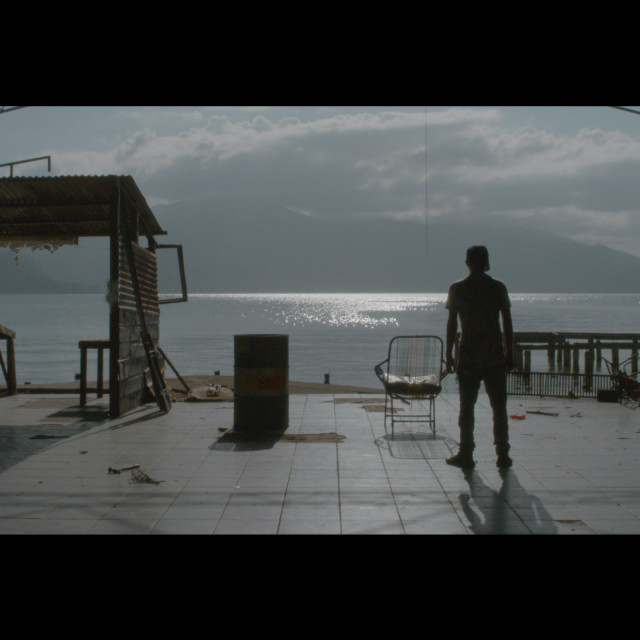
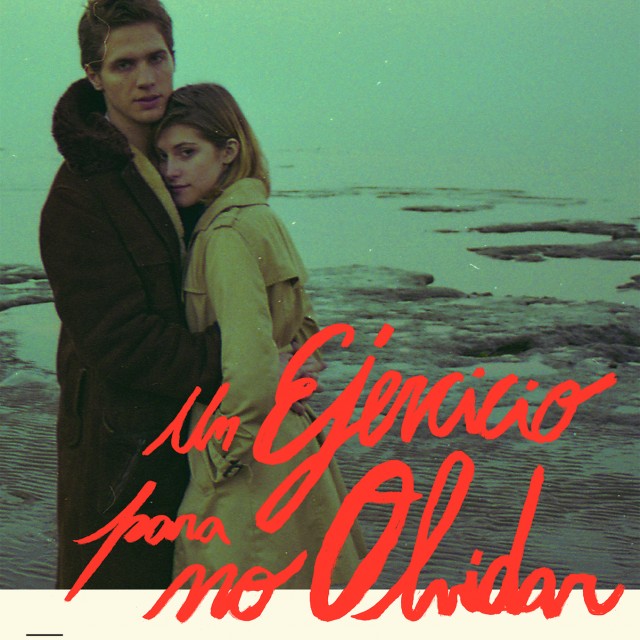


    Director´s Biography / Biografía del Director:

    GABRIEL BOSISIO

    WEB: Gabrielbosisio.tumblr.com

    Gabriel Bosisio was born in Olivos, Buenos Aires. His directional debut, the web serie «La Niña Elefante» won the 2015 Youth Art Bienalle. «An Exercise To Never Forget» is his first short film. He studied acting with teachers such as Norman Briski and Nora Moseinco. He currently divides his time between acting and direction.


    Gabriel Bosisio nació en Olivos, Buenos Aires. Debutó como director con “La Niña Elefante”, Serie Web de la Bienal de Arte Joven. «Un Ejercicio Para No Olvidar» es su primer cortometraje. De formación actoral, estudio con maestros como Norman Briski y Nora Moseinco. Divide su tiempo entre la dirección y la actuación.


    Director Statement / Declaraciones del Director:


    Overview / Ficha técnica:

    Script / Guión: Ain Bosisio, Gabriel Bosisio

    Producer / Producción: Gabriel Bosisio

    Director / Director: Gabriel Bosisio

    Director Assistant / Asistente de dirección: Mariel Leite Escobar

    Cinematography / Dirección de fotografía: Luciano Badaracco

    Camera / Cámara: Carolina Rolandi, Manuel Canales

    Art Director / Director de Arte: Isabelle Siegrist

    Make Up & FX: Yamila Zarlenga

    Visual Effects / Efectos Visuales: Berenice Diman

    Color Correction / Corrección de Color: Francisco Hauser

    Editing / Edición: Julian Vey

    Music / Música: Federico Abuaf

    Sound Director / Director de Sonido: Federico Abuaf, Ignacio Cruz

    Cast / Elenco: Malena Villa, Gabriel Bosisio, Cristian Cimminelli, Agustina Gutiérrez, Evert Romero


    Festivals, Awards and Nominations / Festivales, Premios y Nominaciones:

    – BAFICI – “Special Mention”; 04/2016; Argentina.


    Links:

    Trailer: https://youtu.be/1azkU0beiUM


  • Videojuegos

    Videojuegos


    VideoGames

    (2014)


    Duration / Duración: 00:17:20


    Short Synopsis/ Sinopsis Corta:

    Rocío and Melina, two pre-adolescent girls, experience the end of their childhood and of the strong friendship that bounds them together.


    Rocío y Melina, dos amigas preadolescentes, transitan el final de su infancia y del íntimo vínculo que las une.


    Synopsis / Sinopsis:

    Rocío can’t deal with the idea of separating herself from Melina, her best friend, who is about to move out and switch schools. Her pain and frustration quickly turn into fierce rivalry and anger. The growing tension between the two friends arrives at a critical point when they decide to face each other in a «Pump It Up» challenge at the arcade where they meet every day.


    Rocío no puede aceptar la idea de separarse de Melina, su mejor amiga, que está por mudarse de barrio y cambiarse de colegio. El dolor y la frustración de Rocío se traducen en sentimientos de competencia y bronca hacia Melina. La creciente tensión entre las dos amigas se vuelve irremediable cuando deciden enfrentarse en un duelo de “Pump it up” en el local de videojuegos donde se juntan todas las tardes.


    Director´s Biography / Biografía del Director:

    CECILIA KANG

    Realizadora audiovisual, estudió la carrera de Realización, en la Escuela Nacional de Experimentación y Realización Cinematográfica (ENERC). En el año 2011, fue becada en el posgrado “Laboratorio de Cine”, dictado por Martín Rejtman y Andrés Di Tella, en la UTDT. En el 2013, participó en el Workshop “El trabajo en una sola toma”, dictado por Harun Farocki y Antje Ehman.

    Ha dirigido varios cortos que participaron en diversos festivales internacionales. Actualmente, se encuentra produciendo los documentales “Mi último fracaso” y “Dos semanas”.


    Filmography / Filmografía:

    2013: “Morir de la alegría” cortometraje documental. Diario de viaje que registra la grabación del disco “El charquiadero”, de la banda Posavasos. http://www.fuegoamigodiscos.com.ar/catalogoposavasos.html

    2012: “Feriado” cortometraje realizado en el marco del Lab de Cine de la UTDT. Festival de Cine itinerante Sur-Sur de Guinea Ecuatorial. Mestizo Arts Festival, Bélgica (2013)

    2011: “Que viva el agua” cortometraje de ficción  en formato S16mm, producido por el INCAA. Festival Internacional de Cine de la Habana (2013). Muestra de cortos del Festival Espressofilm, en Vienna, Austria (2013). Ganó Mención Especial en la Competencia Internacional del Festival de Cine FICUNAM (2013). Selección en la Competencia Oficial Internacional del VLAFF (2012). Muestra de Cine de Dones en Art (2012). Muestra de cortos en el Festival de Pantalla Pinamar (2012).

    2010: “Descubrir-Encubrir” Corto experimental ganador concurso TECNÓPOLIS, en formato HD, premio otorgado por el INCAA.

    2009: “En este Lugar” Cortometraje documental, producido por el INCAA. Muestra DOCA (2010). Festival Ibero-Americano de Cine y Video CINESUL (2011). Mención Honorífica del “Premio Alberto Fischerman”, otorgado por el Fondo Nacional de las Artes. Competencia Nacional dentro del Festival Mirada en Cortos (2011).

    2009: “Karaoke” Cortometraje de ficción, en formato 16 mm, producido por el INCAA. Competencia Nacional dentro del Festival Mirada en Cortos (2011). Festival CORTALA (2010). FESTIFREAK (2010). Formó parte de la programación de la primer temporada del programa de televisión “Ficciones Cortas” de Canal á.

    2007: “Tarde” Cortometraje de ficción, en formato 35 mm, producido por el CFP Sica. Esta obra se hizo gracias al premio otorgado por el SICA, “SICA produce”. Festival de Cine de Carlos Paz. Obtuvo el premio a “mejor actuación masculina” en dicho festival.


    Overview / Ficha técnica:

    Director / Director: Cecilia Kang

    Script / Guión: Virginia Roffo

    Producer / Producción General: Cecilia Kang

    Executive Production / Producción Ejecutiva: Julieta Graffigna

    Production Manager / Jefe de Producción: Mariano Nahas

    Cinematography / Dirección de fotografía: Diego Saguí

    Editing / Edición: Sebastián Agulló (SAE)

    Sound Design / Diseño de Sonido: Francisco Pedemonte

    Art Director / Director de Arte: Lucía Gasconi

    Costume Design / Vestuario: Julia Kovadloff

    Original Music / Música Original: GUAZUNCHO

    Cast / Actores: Nina Suárez, Violeta Soto, Mora Arenillas, Paloma Urquiza, Fabián Arenillas, Jorge Suh


    Festivals, Awards and Nominations / Festivales, Premios y Nominaciones:

    – Festival Internacional de Cine de Mar del Plata; Argentina; 11/2014.

    – Festival de Cine Cortala Tucumán; Argentina; 12/2014.

    – Berlinale, Berlin International Film Festival – Generation; Alemania; 02/2015.

    – FICIQQ, Festival Internacional de Cine de Iquique – “Best Narrative Short”; Chile; 02/2015.

    – La Pedrera Short Film Festival; Uruguay; 02/2015.


    – Links:

    Director’s web: http://misbelovedones.tumblr.com/

    Facebook: https://www.facebook.com/cortovideojuegos


  • Y si mañana no estoy

    Y si mañana no estoy

    And If Tomorrow I’m Not Here


    Technical Info / Información Técnica:

    (2019) – 00:15:00 – DCP – Color – Sound 5.1 – 24 fps – 2:39 – 4k – Red Scarlet – Argentina – Drama, relationship, women, family


    Logline:

    They and me. Me and them. And him?


    Ellas y yo. Yo y ellas. ¿Y él?


    Short Synopsis / Sinopsis Corta:


    Synopsis / Sinopsis:

    The sun is setting. Tiziana and her dog are playing in the garden. Baby Emma is sound asleep in her crib. Meanwhile, Lucía, their mother, has a moment to herself to take a pregnancy test. Emma cries. Lucía feeds her and puts her back to sleep. Tiziana never goes to bed until her dad gets home from work. Hours pass with no sign of him. The wait seems endless. Every day is the same – or maybe not. Something has to change.


    El sol se está poniendo. Tiziana y su perro juegan en el jardín. La pequeña Emma está profundamente dormida en su cuna. Mientras tanto, Lucía, su madre, tiene un momento para tomarse una prueba de embarazo. Emma llora. Lucía la alimenta y la vuelve a dormir. Tiziana nunca se acuesta hasta que su papá llega a casa del trabajo. Pasan las horas sin rastros de él. La espera parece interminable. Todos los días son iguales, o tal vez no. Algo tiene que cambiar.


    Director´s Biography / Biografía del Director:

    NICOLÁS DOLENSKY

    Nicolás Dolensky was born in Salta, Argentina in 1992. He graduated in Film Studies in Universidad del Cine (Buenos Aires), where he wrote and directed «La Donna», starring Erica Rivas and Claudio Tolcachir. La Donna was nominated for the Argentinean Film Critics Association Awards as the best short film, it was part of more than 80 festivals in the world including, the 28th Mar del Plata International Film Festival, and the Biarritz Amerique Latine Festival. It won more than 20 awards and since June is also part of the ISAT programming. Nicolás is currently working on the development of his debut feature entitled «Como suena la noche», pre-selected for the Bright Future Hubert Bals Fund. He also won the Argentinian National Fund of Arts to produce his new short film «Una habitación simple», which he co-wrote with Paloma De La Jara.


    Nació en Salta, Argentina el 13 de Febrero de 1992. Egresado de la Universidad del Cine (Buenos Aires). Director y guionista del cortometraje “La Donna”, protagonizado por Erica Rivas y Claudio Tolcachir; nominado a los premios Cóndor como mejor cortometraje. Seleccionado para la competencia Argentina de cortometrajes en el 28 Festival Internacional de Cine de Mar del Plata, y para el Festival de Biarritz Amerique Latine (Francia). La Donna formó de parte de aproximadamente 80 festivales y encuentros cinematográficos en el mundo y gano alrededor de 20 premios. Recientemente forma parte de la programación de ISAT. En el 2017, realizó el cortometraje “Y si mañana no estoy”, que se encuentra en post-producción. Actualmente Nicolás trabaja en su ópera prima titulada Nora Cohen, proyecto ganador de la 9na edición del Concurso Raymundo Gleyzer y seleccionado para Cine Qua Non Lab (México).


    Filmography / Filmografía:

    “La Donna.” Short film starring Erica Rivas and Claudio Tolcachir; nominated for the Argentinean Film Critics Association Awards as the best short film. Selected at the 28th Mar del Plata International Film Festival, and for the Biarritz Amerique Latine Festival (France). La Donna formed part of approximately 80 festivals and film encounters in the world and won around 20 awards. Recently it is part of the ISAT programming.

    ”And if tomorrow I’m not here”.. Short film starring Juan Barberini and Katia Szechtman; currently in post-production.

    – Works in progress:

    «Una habitación simple». Short film written with Paloma De La Jara.

    “Nora Cohen”  Winner script of the 9th edition of the Raymond Gleyzer Competition and selected for Cinema Qua Non Lab (Mexico).

    «Cómo suena la noche» first feature film.


    Director’s Statement / Declaraciones del Director:

    Y si mañana no estoy, es el retrato de una familia disfuncional y patriarcal. En mi primer cortometraje, “La Donna”, tuve la oportunidad de experimentar un cine de la puesta en escena, lo teatral, las máscaras; un lugar donde el artificio se hacía presente. Aquí́ sucede todo lo contrario, me metí de lleno en un cine híper realista, de observación. Una cámara que espía: un atardecer, una casa, una familia, una crisis, una noche, un momento.


    Overview / Ficha técnica:

    Script / Guión: Nicolás Dolensky

    Director / Director: Nicolás Dolensky

    Director Assistant / Asistente de Dirección: Fremdina Bianco, Lucas Galambos

    Producer / Producción: Maira Juárez, Lucía Ferreyra

    Production Assistant / Asistente de Producción: Naya Maldonado, Florencia Quintana, Emilia Herbst

    Cinematography and Camera / Dirección de fotografía y Cámara: Roman Kasseroller

    Camera Assistant / Ayudante de Cámara: Fernanda Montiliengo

    Gaffer: Sebastián Ferrari

    Art Director / Director de Arte: Belén Stratta, Johy Turek

    Sound Design / Diseño de Sonido: Virginia Scaro

    Editing / Edición: Damián Tetelbaum

    Original Music / Música Original:

    Cast / Actores: Katia Szechtman, Juan Barberini, Tiziana Orduña, Emma Orduña


    Festivals, Awards and Nominations / Festivales, Premios y Nominaciones:


    Links:


    – Contact / Contacto:

    Gisela Chicolino

    FilmsToFestivals

    Gisela@filmstofestivals.com


    Medano Cine

    Lucía Ferreyra


  • Y si no es mañana

    Y si no es mañana


    If it’s not Tomorrow

    (2013)


    Duration / Duración: 00:13:40


    Logline:

    The morning, a lonely walk around, a breakfast for two and some unfinished projects.


    Una mañana, un recorrido solitario, un desayuno para dos y algunos proyectos inconclusos.


    Synopsis/ Sinopsis:

    He wakes up in the morning. He doesn’t feel well. He brushes his teeth after he vomits. He goes through the house looking at drawings, a model, and a photo with writings that make him smile. He pins it back on the board of old family images. He makes breakfast for two. He waits.


    Se despierta a la mañana. Se siente mal. Se cepilla los dientes después de vomitar. Recorre la casa revisando dibujos, una maqueta y una foto escrita que lo hace sonreír. La devuelve al corcho de viejas imágenes familiares. Prepara el desayuno para dos. Espera.


    Long Synopsis / Sinopsis Larga:

    Él se despierta a la mañana. Se siente mal. Se cepilla los dientes –que había sacado de su saco- después de vomitar. Deja su cepillo junto a otro en el baño. Recorre la casa revisando dibujos, una maqueta y una foto que lo hace sonreír de un bebe firmada años atrás con un mensaje de amor por “Pablo”. La devuelve al corcho de viejas imágenes familiares. Prepara el desayuno para dos. Espera. Ella aparece recién levantada. Mientras desayunan, la conversación no logra ser fluida aunque él lo intente. Empiezan a hablar de la maqueta, que es un proyecto arquitectónico de ella que no está pudiendo empezar a construir. Él quiere ayudarla y lo intenta explicándole cosas de los códigos de construcción en Buenos Aires. En medio de un casi monólogo sobre metros cuadrados y cocheras, la tensión crece hasta que, después de que él le ofrezca la ayuda de su tío “que sabe mucho de esto”, ella diga que ya le pidió ayuda al tío de él y que prefiere resolverlo sola. Él se queda sorprendido y ella termina por estallar: no pueden seguir como si nada, como si no hubieran tenido sexo anoche. Él sigue perdido en la situación y ella está enfurecida. En una situación incómoda, él se le adelanta a ella que va al baño y se mete. Guarda el cepillo de dientes que había dejado antes, tira la cadena para guardar apariencias y se queda un momento angustiado, pensativo. Abre la puerta y le cuenta a ella, que espera por entrar, que tenía que asegurarse de que había dejado todo limpio después de su vómito. Ella parece compadecerse y baja su tono, preguntándole si está bien. La pregunta parece guardar otra pregunta por debajo. Él responde que sí sin ser convicente. Se viste en la habitación. Hace su parte de la cama, borrando todos los rastros de su presencia en aquella casa. Solo le queda una cosa: llevarse la foto. Y eso hace y se va, en silencio, dejando el corcho de viejas fotos familiares con un espacio vacío.


    Director´s Biography / Biografía del Director:

    MARTÍN SCHULIAQUER

    He was born in Buenos Aires in 1987. Studied screenplay and direction at FUC (Universidad del Cine), and further formed in script for television. «Y si no es mañana» is his first short film.


    Nació en Buenos Aires en 1987. Estudió guion y dirección en la FUC (Universidad del Cine), y se formó además en guion para televisión. “Y si no es mañana” es su primer cortometraje.


    – Overview / Ficha técnica:

    Director / Director: Martín Schuliaquer

    Script / Guión: Martín Schuliaquer

    Cinematography & Camera / Dirección de fotografía y Cámara: Álvaro Domínguez

    Camera Assistant / Asistente de Cámara: Fidel González Armatta

    Gaffer: Alejandro Bonilla

    Art Director / Director de Arte: Andy Piffer

    Wardrobe / Vestuario: Andy Piffer

    Editing / Edición: Sebastián Schjaer

    Sound / Sonido directo: Mercedes Gaviria

    Post Production Sound / Post-producción de sonido: Lucía Mendoza, Lucas Larriera

    Music / Música: Fran Canela

    Produced by / Producido por: Maltés Productora

    Production Manager / Jefe de Producción: Melanie Schapiro

    Production Assistant / Asistente de Producción: Luciana Civelli

    Illustrations / Ilustraciones: Azul Masseilot Giuliano.

    Credits design / Diseño de Créditos: Lionel Braverman.

    Graphic Design / Diseño Gráfico: Gabriel Quary, Mariel Szlifman.

    Subtitles / Subtitulado: Nadia Méndez / Alessia Chiesa

    – Cast / Actores: Juan Barberini, Julia Martínez Rubio


    Festivals, Awards and Nominations / Festivales, Premios y Nominaciones:

    – BAFICI, Buenos Aires Festival Internacional de Cine Independiente; Argentina; 04/2013.

    – FIBABC; 2013.

    – Festival de Invierno de la Cinemateca Uruguaya; Uruguay; 2013.

    – Corto Circuito; New York, USA; 2013.


    – Links:

    Trailer: https://vimeo.com/62584937


  • Yo y Maru 2012

    Yo y Maru 2012


    ME AND MARU 2012


    – Duration / Duración: 00:11:47


    – Storyline:

    A young man receives a video where he appears with his ex girlfriend, and doubts about the steps to follow.


    Un joven recibe un video en donde aparece junto a su ex pareja, y duda sobre los pasos a seguir.


    Synopsis/ Sinopsis:

    “The ability to write letters must have brought the world a terrible disturbance of souls. Because it is a relationship with ghosts – and not only with the phantom of the recipient, but also with the own.

    Who can think is possible to maintain relationships through correspondence!”

    Letter from Franz Kafka to Milena Jesenska, 1920


    ¨La posibilidad de escribir cartas tiene que haber traído al mundo una terrible perturbación de las almas. Porque es una relación con fantasmas – y no solo con el fantasma del destinatario, sino también con el propio.

    ¡A quien se le ocurrió que la gente puede mantener relaciones por correspondencia!¨

    Carta de Franz Kafka a Milena Jesenska, 1920


    – Director´s Biography / Biografía de la Directora:

    JUAN RENAU

    Juan Renau was born in Buenos Aires in 1986.

    He graduated from the University of Buenos Aires with a degree in Desing, Image and Sound, studied Direction of photography at SICA and attended the Film Laboratory at the University Torcuato Di Tella in 2012.
    He was selected for the Talent Campus Buenos Aires 2013.
    Juan directed the film “Pelotaris” (2011) and the short film “Yo y MARU 2012”, winner of the second prize in the short films competition of BAFICI 2013.


    Juan Renau nació en Buenos Aires en 1986.

    Es egresado de la carrera de Diseño de Imagen y Sonido en la Universidad de Buenos Aires, y estudió Dirección de Fotografía en el SICA.

    Cursó el Laboratorio de Cine de la Universidad Torcuato Di Tella 2012.

    Fue seleccionado en el Talent Campus Buenos Aires 2013.

    Dirigió el mediometraje “Pelotaris” (2011) y el cortometraje “Yo y Maru 2012”, ganador del segundo premio en la competencia de cortometrajes del BAFICI 2013.


    – Director´s Filmography / Filmografía del Director:

    (2011) Pelotaris


    – Director Statement:

    I made this short to try to understand what makes us spend much of our lives tied to ghosts. People who are no longer with us, but still, we deceive ourselves with the idea that we can keep in touch.

    Relationships where one dialogue with himself, illusion with a dialogue that doesn’t longer exists.

    I understood that the best way to tell this story was to strip the protagonist of any individually identifiable attribute, leaving only present for the viewer to navigate through a network that is supposed to connect us, when in fact all it does is let us more alone each day.

    It is important to note that the story is based on real events. It happened to a friend.


    Hice este corto para tratar de entender que nos hace pasar gran parte de nuestra vida atados a fantasmas. Personas que ya no están con nosotros, pero aun así, nos engañamos con la idea de que podemos seguir en contacto.

    Relaciones en donde uno dialoga consigo mismo, ilusionándose con un dialogo que ya no existe.

    Entendí que la mejor manera para contar esta historia era despojar al protagonista de cualquier atributo que lo individualice, dejando solo presente para el espectador su manera de navegar por una red que se supone que nos conecta, cuando en verdad lo único que hace es dejarnos cada día más solos.

    Es importante aclarar que la historia está basada en hechos reales. Le paso a un amigo.


    – Overview / Ficha técnica:

    Director / Director: Juan Renau

    Script / Guión: Juan Renau

    Productor/Producer: Juan Renau, Manuel Abramovich

    Photography Director / Dirección de fotografía: Juan Renau

    Editing / Edición: Juan Renau, Nele Wohlatz, Carla Graziano

    Diseñador de Sonido/Sound Designer: Sofia Straface

    – Cast / Actores: María Rohde, Santiago Pozzi


    Festivals, Awards and Nominations / Festivales, Premios y Nominaciones:

    – BAFICI, Buenos Aires Festival Internacional de Cine Independiente, “2nd Best Short Film”; 04/2013; Argentina.

    – Mirada Oeste, Festival de Cine de Godoy Cruz – “Mejor Cortometraje Ficción”; 08/2013; Argentina.

    – KinoFest, International Digital Film Festival; 09/2013; Rumania.

    – FestiFreak, Festival de Cine de La Plata; 10/2013; Argentina.

    – Festival Iberoamericano de Cortometrajes ABC; 10/2013; España.

    – Festival Nacional “Pizza, Birra y Cortos”; 10/2013; Argentina.

    – LatinUy, Festival Internacional de Cine Latino; 11/2013; Uruguay.

    – ALCINE, Festival Internacional de Cine; 11/2013; España.

    – Ícaro, Festival Internacional de Cine en Centro América; 11/2013; Guatemala.


    – Links:

    Trailer: https://www.youtube.com/watch?v=cpXVRCR2kTg

    IMDB: http://www.imdb.com/title/tt2826014/